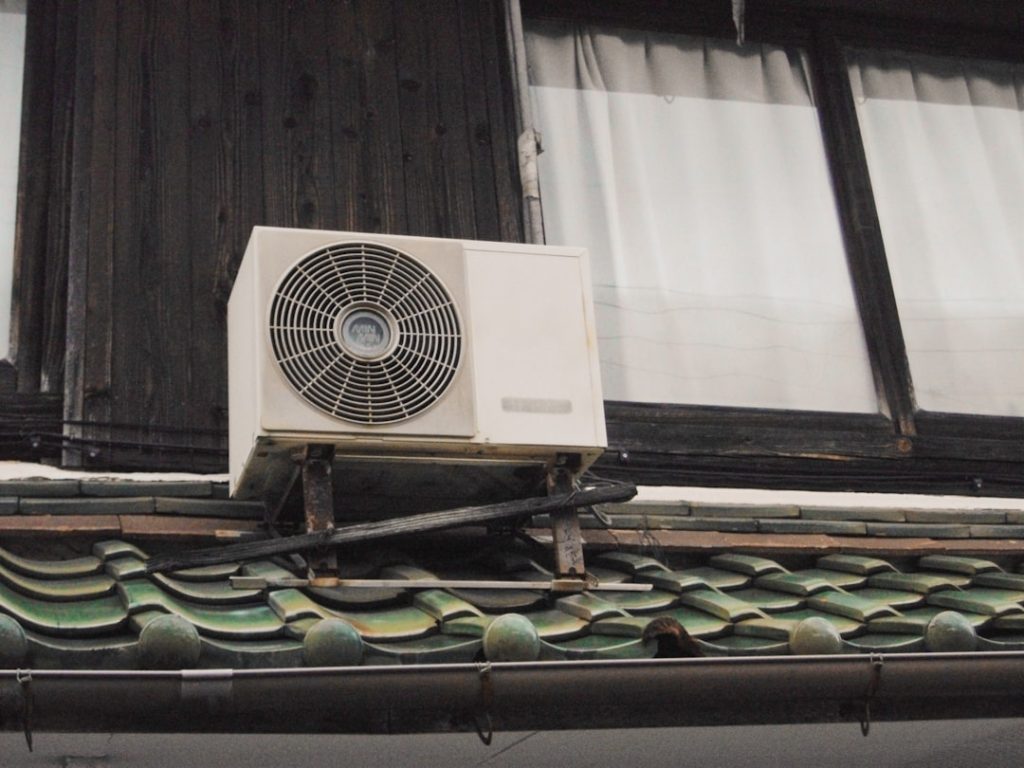
Have you ever wondered if your air conditioner could be putting your family at risk without you even knowing? Carbon monoxide is a silent, deadly gas that can sneak into your home without warning.
But can your air conditioner actually produce this dangerous gas? Understanding the truth behind this question is crucial for your safety and peace of mind. Keep reading to discover how your cooling system works, what risks to watch out for, and how you can protect your home from invisible threats.
This knowledge could make all the difference for you and your loved ones.
How Air Conditioners Work
Air conditioners cool indoor air by removing heat and moisture. They make rooms comfortable during hot days.
This process does not produce carbon monoxide. Air conditioners use electricity and refrigerants to cool the air.
Basic Cooling Mechanism
An air conditioner cools air by moving heat outside. It uses a refrigerant to absorb heat from inside.
The warm air passes over cold coils. These coils remove heat and moisture from the air.
- Warm indoor air is drawn into the unit
- Air passes over cold evaporator coils
- Refrigerant inside absorbs heat
- Heat moves outside via compressor and condenser
- Cooled air returns to the room
Types Of Air Conditioners
There are many types of air conditioners. Each type cools air in a different way.
Some common types include window units, split systems, and portable air conditioners.
- Window Air Conditioners:Fit in a window and cool a single room.
- Split Air Conditioners:Have indoor and outdoor units for quiet cooling.
- Portable Air Conditioners:Moveable units that cool small spaces.
- Central Air Conditioners:Cool whole buildings through ducts.
Credit: www.diychatroom.com
Sources Of Carbon Monoxide
Carbon monoxide (CO) is a dangerous gas you cannot see or smell. It comes from burning fuel without enough air. Understanding where CO comes from helps keep your home safe.
Many household items can produce carbon monoxide. Knowing these sources can help you avoid CO buildup inside your house.
Common Household Emitters
Carbon monoxide often comes from everyday home appliances. These devices burn fuel like gas or wood. Poor ventilation can cause CO to build up indoors.
- Gas stoves and ovens
- Wood-burning fireplaces
- Portable generators
- Gas water heaters
- Clothes dryers that use gas
- Charcoal grills used inside
Fuel Combustion And Co
When fuels like gasoline, propane, or natural gas burn, they create carbon monoxide. If the burning is incomplete, more CO is made. This can happen if there is not enough oxygen.
| Fuel Type | Common Use | Risk of CO |
| Natural Gas | Heating, Cooking | High if not vented |
| Propane | Heating, Grilling | High if indoors |
| Gasoline | Generators, Vehicles | Very High in enclosed spaces |
| Wood | Fireplaces, Stoves | Moderate if chimney blocked |
Air Conditioners And Carbon Monoxide
Air conditioners keep homes cool by removing heat from the air. They use electricity to work and do not burn fuel.
Carbon monoxide (CO) is a dangerous gas that comes from burning fuel. It is important to know if air conditioners produce this gas.
Do Air Conditioners Emit Co?
Air conditioners do not burn fuel, so they do not produce carbon monoxide. They use electric power, which does not create CO.
CO comes from appliances that burn gas, oil, wood, or coal. Since air conditioners do not use these fuels, they are safe from CO emission.
Potential Risks From Hvac Systems
Heating systems that burn fuel can produce carbon monoxide. If they leak or are not vented well, CO can build up inside.
Air conditioners usually share the same space or ducts as heating systems. This can create a risk if the heater leaks CO gas.
- Furnaces or heaters that burn fuel can emit CO.
- Blocked vents or chimneys increase CO risk.
- Regular maintenance helps prevent leaks.
- CO detectors are important for safety.
Signs Of Carbon Monoxide Exposure
Carbon monoxide is a colorless gas that can be dangerous. It comes from appliances that burn fuel. Air conditioners usually do not produce this gas, but some connected systems might.
Knowing the signs of carbon monoxide exposure helps protect you and your family. Early detection is very important to avoid serious harm.
Symptoms To Watch For
Carbon monoxide poisoning shows many symptoms. They often look like flu or food poisoning. Watch closely for these signs:
- Headache that does not go away
- Dizziness or feeling lightheaded
- Nausea or vomiting
- Shortness of breath
- Weakness or fatigue
- Confusion or difficulty thinking clearly
- Chest pain
- Loss of consciousness in severe cases
Detection Methods
Detecting carbon monoxide early can save lives. Use these methods to check for the gas:
| Method | Description |
| Carbon Monoxide Detectors | Devices that sound an alarm when CO levels are high. |
| Regular Appliance Inspection | Check heaters, furnaces, and vents for leaks or blockages. |
| Professional Air Quality Testing | Experts use special tools to measure gas levels in your home. |
| Ventilation Checks | Ensure proper airflow to reduce gas build-up indoors. |
Preventing Carbon Monoxide Risks
Air conditioners do not produce carbon monoxide (CO) by themselves. CO is a gas made when fuels like gas or oil burn.
Still, some parts of your HVAC system can cause CO leaks if not set up right. It is important to prevent risks.
Proper Installation And Maintenance
Have a professional install your air conditioner and heating system. This helps avoid CO leaks from gas-powered parts.
Keep your system clean and check it every year. Regular care stops parts from breaking or leaking CO gas.
- Use certified technicians for installation
- Schedule yearly inspections and tune-ups
- Clean filters and vents often
- Repair any gas leaks immediately
Using Co Detectors
Install carbon monoxide detectors near your air conditioner and living areas. These devices alert you to dangerous CO levels.
Test CO detectors monthly and change batteries yearly. Replace old detectors every 5 to 7 years.
- Place detectors on every floor
- Keep them near bedrooms
- Follow manufacturer instructions
- Do not ignore alarm signals

Credit: www.dreamden.ai
When To Call A Professional
Air conditioners do not produce carbon monoxide. This gas comes from burning fuels like gas or oil. Still, if your air conditioner is part of a system that uses fuel, you must be careful.
Knowing when to call a professional can keep you safe. Experts can check your system for leaks or problems that might cause carbon monoxide.
Inspection And Repair Tips
Have a professional inspect your HVAC system once a year. They will check for gas leaks and blocked vents. Proper maintenance helps prevent carbon monoxide from entering your home.
If you notice strange smells, soot, or yellow flames in your furnace, call a technician right away. These signs may mean carbon monoxide is present.
- Schedule yearly HVAC inspections
- Check for unusual smells or soot
- Fix any cracks or leaks in vents
- Keep vents and chimneys clear
Emergency Situations
If you or your family feel dizzy, weak, or nauseous near your air conditioner, leave the house immediately. These symptoms can be signs of carbon monoxide poisoning.
Call emergency services from outside your home. Do not go back inside until professionals say it is safe.
- Leave your home quickly if you feel sick
- Call emergency services from outside
- Do not use open flames or switches inside
- Wait for professional help before returning

Credit: dial1plumbing.com
Frequently Asked Questions
Can An Air Conditioner Emit Carbon Monoxide Gas?
No, air conditioners do not emit carbon monoxide. They use electricity, not combustion, so they don’t produce this dangerous gas.
Why Is Carbon Monoxide Linked To Heating Systems, Not Ac?
Carbon monoxide comes from burning fuels, common in heaters. Air conditioners run on electric power, so they don’t create CO.
How Can I Detect Carbon Monoxide In My Home?
Install a carbon monoxide detector near sleeping areas. It alerts you to dangerous CO levels early, ensuring safety.
Can A Malfunctioning Ac Cause Carbon Monoxide Poisoning?
No, AC units don’t burn fuel, so they can’t cause CO poisoning. However, faulty heaters can pose this risk.
Conclusion
Air conditioners do not produce carbon monoxide. They work using electricity. Carbon monoxide comes from burning fuels like gas or wood. Regular maintenance keeps your AC safe and efficient. Clean filters and vents prevent issues. If you smell gas, take action quickly.
Call a professional. Safety comes first. Ensuring proper ventilation is crucial. Educate yourself and stay informed. This knowledge helps protect your family. Peace of mind is key. Always prioritize your health and safety at home. Keep learning about appliances. It helps in making informed decisions.
Stay cool and safe with your air conditioner.