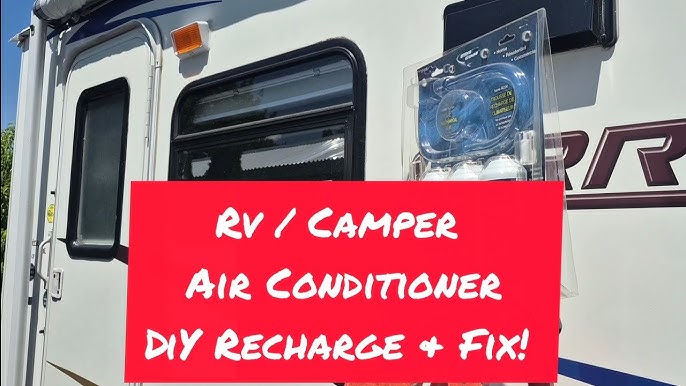
Is your RV air conditioner not cooling like it used to? You might be wondering if it can be recharged to bring back that refreshing chill.
Understanding whether your RV’s AC can be recharged is key to keeping your travels comfortable and worry-free. You’ll discover the simple facts about recharging your RV air conditioner, learn when it’s the right move, and find out what steps you can take next.
Keep reading to make sure your RV stays cool no matter where the road takes you.
How Rv Air Conditioners Work
RV air conditioners keep the inside cool during hot days. They use a special system to remove heat from the air. This system makes your RV comfortable in warm weather.
Understanding how these air conditioners work helps you know if they need recharging. The process inside is similar to home air conditioners but built for mobile use.
Basic Components
An RV air conditioner has parts that work together to cool the air. These parts include the compressor, condenser, evaporator, and expansion valve. Each part has a special job in the cooling process.
- Compressor:Pressurizes the refrigerant gas.
- Condenser:Changes gas into liquid by releasing heat.
- Evaporator:Absorbs heat from inside the RV.
- Expansion Valve:Controls refrigerant flow and pressure.
Cooling Cycle
The cooling cycle moves refrigerant through the system to remove heat. The compressor starts by compressing the refrigerant gas. Then the gas moves to the condenser, where it cools and turns into liquid.
The liquid refrigerant flows to the expansion valve. This valve lowers the pressure and lets the refrigerant expand. It then moves to the evaporator, where it absorbs heat from the air inside the RV. The warm air cools down and the refrigerant changes back into gas. The cycle repeats to keep the RV cool.

Credit: www.rvacunit.com
Signs Your Rv Ac Needs Recharging
Your RV air conditioner might lose its cooling power over time. This often means it needs a recharge.
Knowing the signs helps you fix the problem early and stay comfortable on your trips.
Reduced Cooling Efficiency
If your RV AC is running but not cooling well, it may need more refrigerant. The air might feel warm or only slightly cooler.
This happens because low refrigerant stops the AC from absorbing heat properly. You might notice longer run times too.
Unusual Noises
Strange sounds like hissing or rattling from your AC can mean low refrigerant. The system may struggle to work right.
These noises warn you that the AC is under stress and might fail if not checked soon.
Ice Formation
Ice forming on the AC coils or lines is a common sign of low refrigerant. The cold parts freeze because the system works unevenly.
This ice can block airflow and damage the unit. It means your RV AC needs attention quickly.
Safety Precautions Before Recharging
Recharging an RV air conditioner requires care and attention. Safety is important to avoid accidents and damage.
Before starting, learn the key safety steps. This helps protect you and your RV during the process.
Protective Gear
Wear the right gear to keep safe. Protective clothing stops chemicals from touching your skin.
- Safety goggles protect your eyes from splashes.
- Gloves keep refrigerants off your hands.
- Long sleeves shield your arms from contact.
- Closed-toe shoes prevent foot injuries.
Proper Ventilation
Work in a well-ventilated space. Good airflow lowers the risk of inhaling harmful gases.
| Ventilation Method | Reason |
| Open windows and doors | Allows fresh air to circulate |
| Use fans | Helps move air quickly |
| Avoid enclosed areas | Prevents gas buildup |
Handling Refrigerants
Refrigerants can be dangerous if handled wrong. Follow these rules to stay safe:
- Do not release refrigerants into the air.
- Use proper tools to avoid leaks.
- Store refrigerants in cool, dry places.
- Dispose of old refrigerants by law.
Tools Required For Recharging
Recharging an RV air conditioner needs specific tools to do the job safely. These tools help check and add refrigerant correctly.
Knowing the right tools makes the process easier. It also protects the air conditioner and the user.
Recharge Kit Components
A recharge kit includes all parts needed to add refrigerant to the air conditioner. These parts fit together for easy use.
- Refrigerant Canister:Holds the cooling gas needed for the air conditioner.
- Pressure Gauge:Shows the current pressure level inside the system.
- Hose with Valve:Connects the canister to the air conditioner and controls refrigerant flow.
- Quick Connect Fittings:Allow easy attachment and removal of the hose from the air conditioner.
Additional Equipment
Besides the recharge kit, some extra tools help ensure a safe and complete recharge. These tools check and support the process.
| Tool | Purpose |
| Leak Detector | Finds leaks in the air conditioner before adding refrigerant. |
| Gloves | Protects hands from cold refrigerant and sharp parts. |
| Safety Glasses | Protects eyes from refrigerant splashes. |
| Thermometer | Checks temperature to make sure the air conditioner works well after recharging. |
Step-by-step Recharge Process
RV air conditioners sometimes need more refrigerant to work well. You can recharge the system yourself if you follow the steps carefully. This guide helps you recharge your RV air conditioner safely.
Make sure to have the right tools and refrigerant type before starting. Always follow safety rules and wear protective gear.
Locating The Service Port
Find the service port on your RV air conditioner’s unit. It is where you connect the recharge kit. The port usually looks like a small valve with a cap.
Check your RV manual if you cannot find the service port. It is often near the compressor or on the refrigerant line.
Connecting The Recharge Kit
Attach the recharge kit’s hose to the service port securely. Make sure the connection is tight to avoid leaks. The kit includes a gauge and a valve for control.
Keep the refrigerant can upright. Follow the kit instructions for the right setup. Do not force any parts to avoid damage.
Adding Refrigerant
Open the valve on the recharge kit slowly. Let the refrigerant flow into the system. Add the refrigerant in short bursts and watch the pressure gauge.
Stop adding refrigerant once the pressure reaches the recommended level. Overcharging can harm the air conditioner.
- Use the correct refrigerant type for your RV AC
- Check pressure readings on the gauge
- Do not add refrigerant if the pressure is already correct
Testing The System
Turn on your RV air conditioner and check if it cools properly. Listen for unusual noises or leaks near the service port. Watch the pressure gauge to make sure it stays steady.
If the air conditioner does not cool well, you may need to check for leaks or call a professional. Proper pressure and no leaks mean the recharge was successful.

Credit: www.rvacunit.com
Common Mistakes To Avoid
Recharging an RV air conditioner requires care and knowledge. Mistakes can cause damage or poor cooling.
Knowing what to avoid helps keep your AC running well and safe to use.
Overcharging
Adding too much refrigerant can harm the air conditioner. It causes high pressure inside the system.
High pressure can damage the compressor and reduce cooling performance.
- Do not fill the refrigerant beyond the recommended level.
- Use gauges to check pressure during recharge.
- Follow the manufacturer’s instructions carefully.
Using Incorrect Refrigerant
Using the wrong type of refrigerant can damage the AC system. It may not cool properly or cause leaks.
Always check the label or manual to find the right refrigerant for your RV air conditioner.
- Do not mix different refrigerants.
- Use only the refrigerant type specified by the manufacturer.
- Wrong refrigerants can harm the environment and your AC.
Ignoring Leaks
Leaks let refrigerant escape and reduce cooling power. Ignoring leaks makes recharging ineffective.
Find and fix leaks before adding refrigerant to keep the system working well.
- Check hoses, connections, and seals for damage.
- Use leak detection tools if needed.
- Repair leaks promptly before recharging.
When To Call A Professional
Recharging an RV air conditioner might seem easy at first. But some issues need expert help. Knowing when to call a professional can save time and money.
Some problems are too complex for DIY fixes. Professionals have tools and skills to fix these safely and correctly.
Complex Repairs
Complex repairs can involve many parts of the AC system. If you notice strange noises, burnt smells, or broken components, call a pro. They can diagnose and fix issues like:
- Damaged compressors
- Electrical wiring problems
- Faulty thermostats
- Blocked or broken coils
Severe Leaks
Small leaks might be patched, but severe leaks need expert care. Leaks reduce cooling efficiency and can damage your RV. Signs include low refrigerant levels and oil stains near AC parts.
| Leak Size | Recommended Action |
| Small | Monitor and use sealant if skilled |
| Medium | Seek professional inspection and repair |
| Severe | Call a professional immediately |
System Malfunctions
When the AC system stops working properly, a professional should check it. Problems like frequent shutting off, no cooling, or error codes need expert tools. A technician will:
- Test electrical components
- Check refrigerant pressure
- Inspect control boards
- Replace faulty parts
Maintaining Your Rv Ac For Longevity
Keeping your RV air conditioner in good shape helps it last longer. Regular care prevents costly repairs.
Simple habits like cleaning and checking parts make a big difference. Learn how to maintain your RV AC properly.
Regular Cleaning
Clean your RV AC often to remove dirt and dust. Dirty filters reduce airflow and strain the system.
- Remove and wash air filters every month
- Clear debris from vents and coils
- Use a soft brush to clean fins carefully
- Wipe down the exterior unit regularly
Seasonal Checks
Inspect your RV air conditioner before each season. Check for leaks, loose parts, and refrigerant levels.
| Check Item | What to Look For | Action Needed |
| Refrigerant Level | Low or leaking refrigerant | Recharge or repair leaks |
| Electrical Connections | Loose or damaged wires | Tighten or replace wires |
| Compressor | Unusual noises or failure to start | Service or replace compressor |
| Drainage | Clogged drain lines | Clear to prevent water damage |
Proper Storage
Store your RV air conditioner correctly during off-seasons. Protect it from damage and dust buildup.
Follow these tips for proper storage:
- Turn off and unplug the unit
- Clean filters and coils thoroughly
- Cover the AC with a breathable cover
- Store in a dry, shaded place
- Check the unit monthly to prevent issues

Credit: www.youtube.com
Frequently Asked Questions
Can I Recharge An Rv Air Conditioner Myself?
Yes, you can recharge an RV air conditioner if you have the right tools. Proper safety gear and knowledge of refrigerants are essential. Incorrect handling can damage the system or cause injury. For best results, consider professional service to ensure correct refrigerant levels and system performance.
How Often Should An Rv Ac Be Recharged?
An RV AC should be recharged only when refrigerant levels are low. This is usually due to leaks or prolonged use. Regular maintenance and leak checks help avoid frequent recharging. Most systems don’t require recharge annually unless a problem exists.
What Causes An Rv Air Conditioner To Lose Refrigerant?
Leaks in the AC system cause refrigerant loss. These leaks can occur in coils, connections, or hoses. Physical damage and corrosion also contribute. Regular inspections help detect and repair leaks early to maintain cooling efficiency.
Is Recharging An Rv Ac Expensive?
Recharging an RV air conditioner can cost between $100 and $300. Costs vary based on refrigerant type and labor charges. Fixing leaks may increase the price. Regular maintenance prevents costly repairs and extends AC lifespan.
Conclusion
Recharging an RV air conditioner can be tricky. It’s not always straightforward. Regular maintenance helps keep it efficient. Check for leaks or low refrigerant levels. Call a professional if unsure. They ensure safe and proper recharging. DIY isn’t always the best choice.
Safety matters. Keeping your AC in top shape makes trips comfortable. Enjoy cool air on the road. Happy travels!