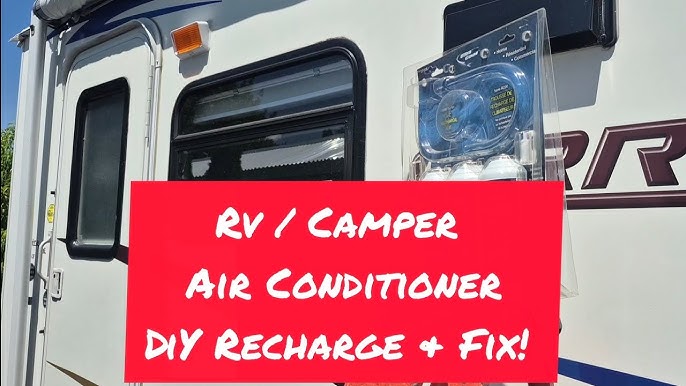
Is your RV air conditioner not cooling like it used to? You might be wondering if it can be recharged to bring back that refreshing chill on hot days.
Understanding whether your RV’s AC can be recharged is key to saving money and staying comfortable on the road. You’ll discover the facts about recharging your RV air conditioner, what you need to know before trying it yourself, and when it’s best to call a professional.
Keep reading to make sure your RV stays cool and your trips stay enjoyable.
How Rv Air Conditioners Work
RV air conditioners have several basic parts. These include the compressor, condenser, evaporator, and refrigerant. The compressor pumps the refrigerant through the system. The condenser cools the hot refrigerant gas into a liquid. The evaporator absorbs heat from the RV air, cooling it down. Refrigerant moves through these parts to carry heat outside.
The cooling cyclestarts with the compressor squeezing the refrigerant gas. This makes the gas hot and high pressure. The gas moves to the condenser, where it cools and turns into a liquid. The liquid goes through an expansion valve, dropping pressure and temperature. It enters the evaporator, where it absorbs heat from inside the RV. The refrigerant changes back to gas and returns to the compressor. This cycle keeps going to keep your RV cool.
Signs Your Rv Ac Needs Recharge
Reduced cooling efficiencymeans your RV AC is not blowing cold air as before. It may feel warm even at the highest setting. This can happen if the refrigerant is low or leaking.
Unusual noisessuch as hissing, rattling, or buzzing sounds may come from the AC unit. These noises often indicate a problem with the compressor or low refrigerant levels.
Ice buildupappears on the AC coils or around the unit. This happens when the refrigerant is too low or the airflow is blocked. Ice can stop the AC from working properly and cause damage.
Can You Recharge An Rv Ac Yourself?
Recharging an RV air conditioner requires some basic toolsto do the job safely and correctly. Essential tools include a refrigerant gauge setto measure pressure levels, a refrigerant canisterwith the right type for your AC, and a vacuum pumpto remove air and moisture from the system. You will also need protective glovesand safety glassesto protect yourself during the process.
Safety is very important when handling refrigerants. Avoid breathing in refrigerant gases and do not let them touch your skin. Always work in a well-ventilated areato reduce risks. Make sure the RV is turned off and unplugged before starting. Check for any leaks before recharging, as adding refrigerant to a leaking system can cause damage.

Credit: www.rvacunit.com
Step-by-step Recharge Process
Locate the service portson the RV air conditioner. These are usually near the compressor or refrigerant lines. They look like small valves with caps. Remove the caps carefully to access the ports.
Check the refrigerant levelsusing a gauge attached to the service ports. The gauge will show if the refrigerant is low or adequate. Low levels mean the system needs more refrigerant.
Adding refrigerant requires a proper type, usually indicated on the AC unit. Connect the refrigerant canister to the service port using a hose. Open the valve slowly and let the refrigerant flow in. Watch the gauge to avoid overfilling. Close the valve and replace the caps when done.
Common Mistakes To Avoid
Overcharging refrigerantcan damage the AC system. It leads to poor cooling and higher energy use. Always add the correct amount.
Ignoring leakswastes refrigerant and harms the environment. Check and fix leaks before recharging. This keeps the system safe and efficient.
Using incorrect refrigerant typecan break the AC unit. Use only the type recommended by the manufacturer. Wrong types cause system failure and reduce cooling power.

Credit: www.youtube.com
When To Call A Professional
Complex repairsin RV air conditioners require special tools and skills. Problems like a broken compressor or leaking refrigerant need expert care. Trying to fix these issues alone may cause more damage or safety risks.
Persistent cooling issuesdespite recharging may signal deeper problems. A professional can check the entire system for leaks, electrical faults, or worn parts. They can also recharge the system correctly to ensure it works well.
- Handling refrigerant safely is important.
- Professionals have the right equipment.
- They can diagnose hidden problems.
- Proper repair extends the AC’s life.
Maintaining Your Rv Air Conditioner
Cleaning your RV air conditioner helps it run well and last longer. Dust and dirt can block airflow. This makes the unit work harder and use more energy. Clean the filters often. Wipe the outside to remove grime. Check the vents for any blockages.
Regular inspections catch small problems early. Look for leaks, strange noises, or weak cooling. Tighten any loose parts. Test the thermostat to make sure it works. This keeps your air conditioner in good shape and avoids costly repairs later.

Credit: www.rvacunit.com
Frequently Asked Questions
Can You Recharge An Rv Air Conditioner Yourself?
Yes, you can recharge an RV air conditioner yourself if you have the right tools and knowledge. It involves locating the service port, using a refrigerant gauge, and adding the correct refrigerant type carefully to avoid damage.
How Often Should Rv Ac Units Be Recharged?
RV air conditioners usually need recharging every 3 to 5 years. However, frequent use or leaks may require earlier recharging. Regular maintenance and leak checks help keep the system efficient and extend its lifespan.
What Type Of Refrigerant Does An Rv Ac Use?
Most RV air conditioners use R-410A or R-22 refrigerant. Always check your unit’s specifications before recharging. Using the wrong refrigerant can damage the system and void warranties.
What Are Signs My Rv Ac Needs Recharging?
Signs include weak cooling, longer running times, and unusual noises. If the air conditioner blows warm air or cycles frequently, it likely needs a refrigerant recharge or professional inspection.
Conclusion
An RV air conditioner can be recharged, but it needs care. Only add refrigerant if the system shows signs of low cooling. Always check for leaks before recharging to avoid damage. Using the right type and amount of refrigerant is important.
Regular maintenance helps the AC work better and last longer. When unsure, ask a professional for help. Keeping your RV cool makes travel more fun and comfortable. Simple steps can save time and money on repairs.