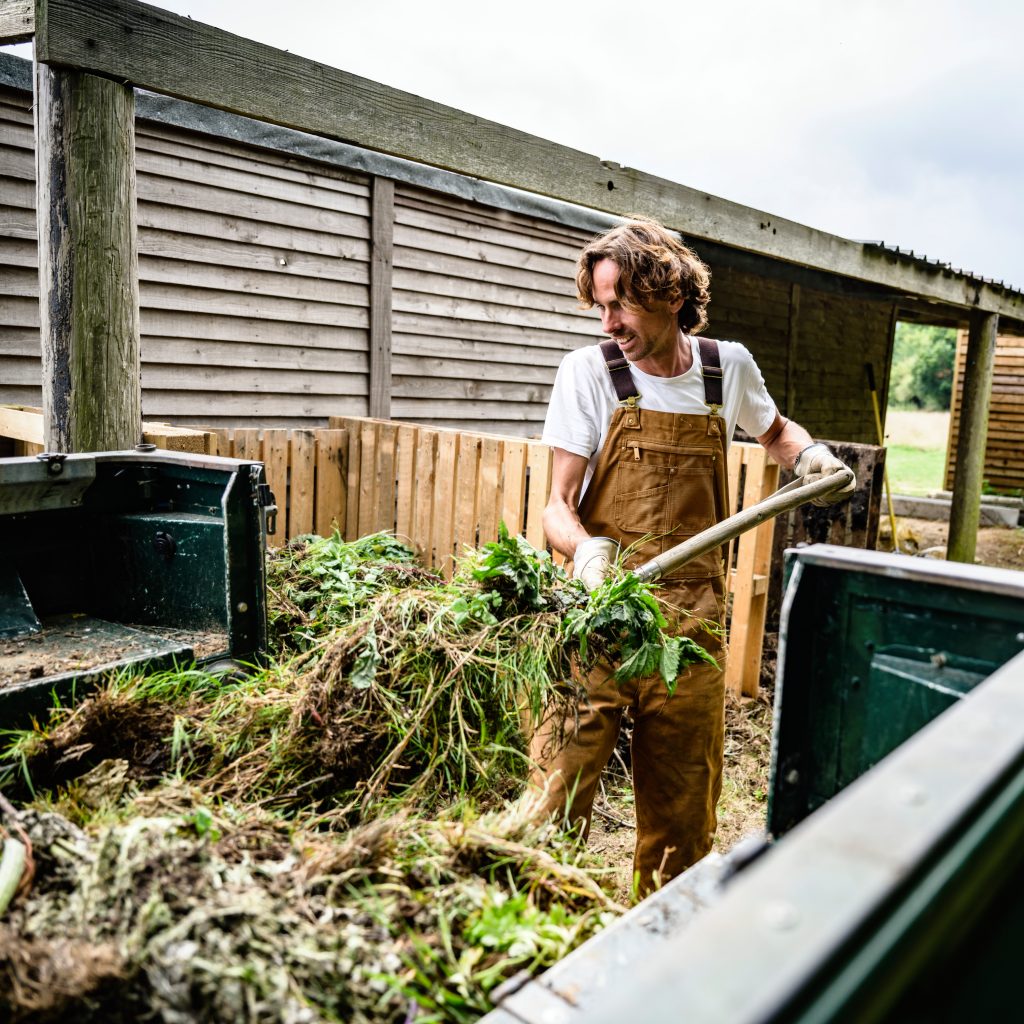
Have you ever wondered if you can toss ashes into your compost bin? It’s a question many gardeners and eco-conscious people ask but often find confusing.
You want to make sure you’re doing the right thing for your plants and the environment. What if adding ashes could actually help your compost? Or could it harm it instead? Keep reading, and you’ll discover exactly how ashes affect your compost and whether they deserve a spot in your bin.
By the end, you’ll know how to handle ashes in a way that benefits your garden—and avoids common mistakes.
Types Of Ashes Suitable For Compost
Ashes can add nutrients to compost if used correctly. Not all ashes are safe for compost bins. Knowing which ashes to use helps keep compost healthy.
This guide explains the types of ashes that work well in compost and which ones to avoid for best results.
Wood Ash Benefits
Wood ashes come from burning untreated wood. They contain minerals that plants need. Wood ash is alkaline and can raise soil pH.
- Rich in potassium, calcium, and magnesium
- Helps reduce soil acidity
- Supports beneficial microbes in compost
- Improves soil structure and fertility
Avoiding Coal And Charcoal Ash
Coal and charcoal ashes come from burning fossil fuels or treated materials. These ashes may contain harmful chemicals. They can damage plants and soil life.
| Ash Type | Source | Why Avoid |
|---|---|---|
| Coal Ash | Burned coal | Contains heavy metals and toxins |
| Charcoal Ash | Burned charcoal briquettes | May have additives and chemicals |

Credit: www.codc.govt.nz
Effects Of Ash On Soil Ph
Ash from wood or plant material can change the pH of soil. It contains minerals that raise alkalinity. This can affect how plants grow.
Understanding how ash affects soil pH helps you decide if it belongs in your compost bin. The right pH keeps soil healthy and plants strong.
Alkalinity And Soil Balance
Ash is alkaline, meaning it can raise soil pH. This reduces acidity in the soil. Some soils need this to balance nutrients.
- Ash contains calcium, potassium, and magnesium.
- These minerals help neutralize acidic soil.
- Too much ash can make soil too alkaline.
- High alkalinity can stop plants from absorbing nutrients.
- Use ash carefully on acid-loving plants like blueberries.
Managing Ph Levels In Compost
Adding ash to compost changes the pH inside the bin. This can speed up or slow down breakdown of materials.
| pH Level | Effect on Compost |
| Below 6.0 | Slow decomposition, acidic |
| 6.0 – 7.5 | Optimal breakdown, balanced |
| Above 7.5 | Fast breakdown but may lose nitrogen |
To keep compost healthy, add ash in small amounts. Mix well to avoid high pH spots. Test pH regularly for best results.
Safe Amounts Of Ash To Add
Adding ash to your compost bin can be beneficial. But, it’s important to know the right amounts.
Too much ash can harm the composting process. Let’s explore safe quantities and warning signs.
Recommended Quantities
Ash should make up a small part of your compost. It’s best to add it sparingly.
Consider using ash from untreated wood. This ensures no harmful chemicals enter your compost.
- Add no more than a thin layer of ash, about 1 inch thick.
- Mix ash well with other compost materials for balance.
- Apply ash once or twice a month at most.
Signs Of Excess Ash
Too much ash can cause problems in your compost. It’s important to watch for warning signs.
If you notice any of the following, you might be using too much ash.
- The compost pile becomes too dry and crumbly.
- There is a strong, unpleasant smell in the compost.
- Plants grown with the compost show signs of nutrient deficiency.
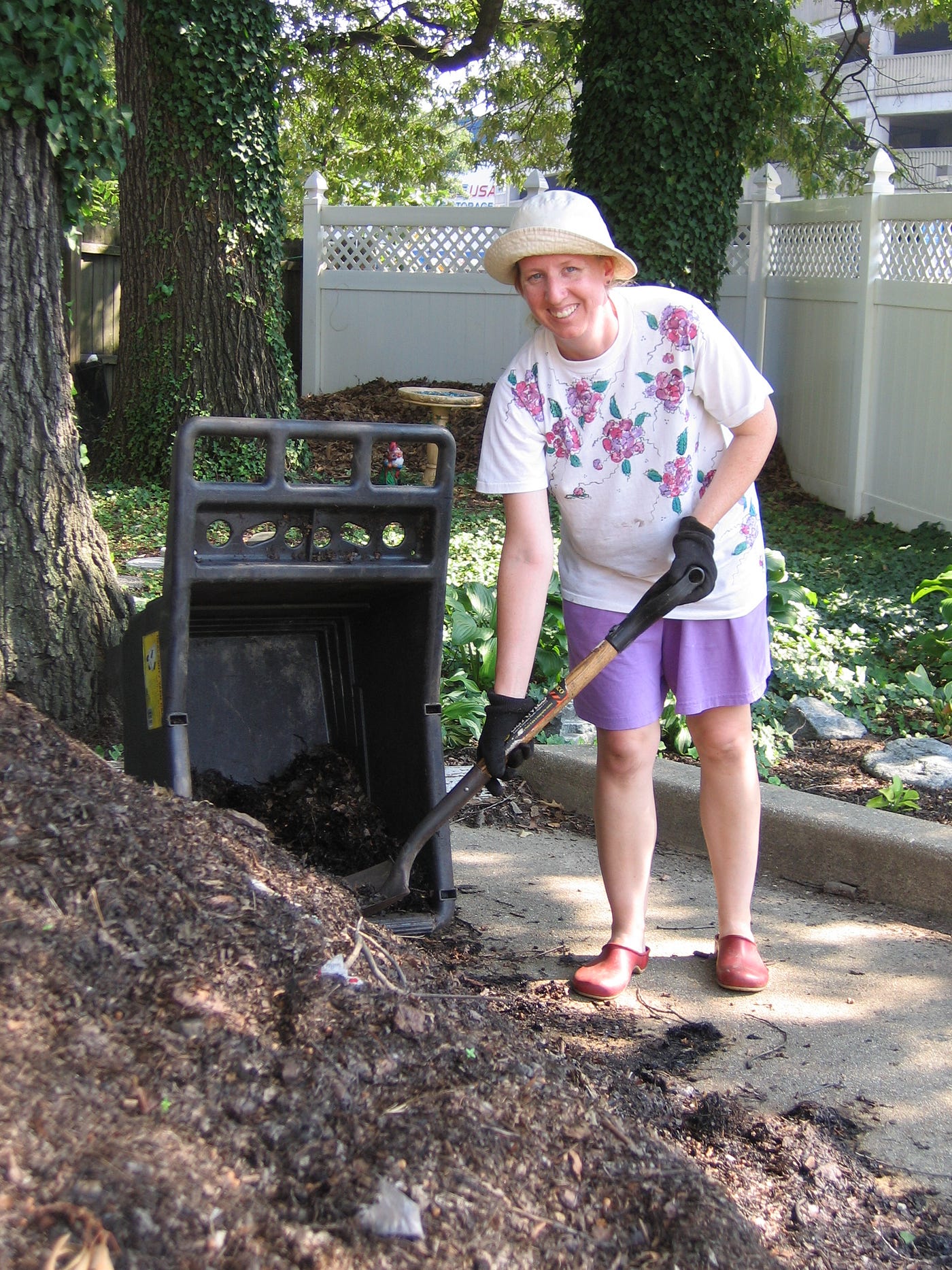
Credit: medium.com
Best Practices For Adding Ash
Ash from wood or plants can be added to your compost bin. It adds valuable nutrients like potassium and calcium. But adding ash needs care to keep your compost healthy.
Follow simple steps to use ash without harming microbes or plants. Proper handling keeps your compost balanced and safe.
Cooling And Crumbling Ashes
Always let ashes cool fully before adding them to compost. Hot ash can kill helpful microbes and burn plants. Crumble ashes into small pieces for better mixing.
- Wait at least 24 hours for ashes to cool
- Use a tool to break clumps into fine particles
- Handle ashes with gloves to avoid dust
Mixing Techniques
Add ashes in small amounts to avoid changing compost pH too much. Mix ashes well with other compost materials. This helps balance nutrients and prevents ash clumping.
- Sprinkle ashes evenly over compost layers
- Turn compost after adding ashes to mix thoroughly
- Use ashes no more than twice a month
Potential Risks Of Ash In Compost
Ash is sometimes added to compost to improve soil. It can add nutrients like potassium and calcium.
But ash can also cause problems. It may harm the compost and the plants that grow in it.
Heavy Metal Contamination
Ash can contain heavy metals like lead, cadmium, and arsenic. These metals come from burned materials.
Heavy metals do not break down in compost. They build up in the soil and can harm plants and animals.
- Lead can damage plant growth and soil health
- Cadmium is toxic to soil microbes and plants
- Arsenic can poison plants and enter the food chain
Impact On Microorganisms
Ash changes the pH level of compost. It makes the compost more alkaline.
High pH can kill beneficial microbes. These microbes help break down organic matter and create healthy soil.
- Fewer microbes slow down composting
- Less microbial activity reduces nutrient availability
- Soil becomes less fertile over time
Alternatives To Composting Ash
Ash from wood fires should not go in the compost bin. It can change the compost’s pH and harm helpful microbes. There are better ways to use or dispose of ash safely.
Using ash in the garden or disposing of it properly helps avoid problems. This guide explains good options for handling ash beyond composting.
Using Ash In Garden Beds
Ash can improve garden soil if used carefully. It adds nutrients like potassium and calcium. It also raises soil pH, making soil less acidic.
Do not use ash on acid-loving plants like blueberries or azaleas. Always spread ash thinly and mix it well into the soil.
- Apply ash in small amounts, about one cup per square yard
- Mix ash deeply into the soil to avoid surface build-up
- Test soil pH before and after applying ash
- Avoid using ash near plants sensitive to alkaline soil
Disposal Options
When you cannot use ash in the garden, dispose of it safely. Ash must be fully cooled to avoid fire risks. Store it in a metal container with a lid.
Do not dump ash on the ground or in waterways. Many towns have special collection points for ash disposal. Check local rules for proper disposal methods.
- Cool ash completely before handling
- Store ash in a sealed metal container
- Use local hazardous waste or ash collection sites
- Never throw ash in trash bags or open bins

Credit: creators.yahoo.com
Frequently Asked Questions
Can Ashes Be Safely Added To A Compost Bin?
Yes, small amounts of wood or paper ashes can be added safely. Avoid adding ashes from coal or charcoal as they contain harmful chemicals. Ashes help raise pH and add nutrients but must be used sparingly to prevent imbalance in compost.
Do Ashes Improve Compost Quality Or Harm It?
Wood ashes improve compost by adding potassium and lime. However, excessive ashes can raise pH too much, harming beneficial microbes. Use ashes moderately and mix well with other organic materials for balanced, nutrient-rich compost.
How Much Ash Is Safe For Composting?
Limit ashes to about 5% of total compost volume. Too much ash can make compost alkaline and disrupt decomposition. Always mix ashes thoroughly with green and brown materials to maintain compost health.
Can Ashes Help Control Pests In Compost Bins?
Ashes can deter slugs and snails when sprinkled around compost bins. They create a dry, abrasive barrier. However, ashes do not eliminate all pests and should be combined with other pest control methods.
Conclusion
Ashes can be tricky in compost bins. Small amounts of wood ash help by adding minerals. Too much ash makes compost too alkaline and harms microbes. Avoid ashes from coal or treated wood. Let ashes cool completely before adding them.
Mix ashes well with other compost materials. This keeps the compost healthy and balanced. Use ashes carefully to support your garden’s growth. Composting right means better soil and happier plants. Keep these tips in mind for safe ash use.