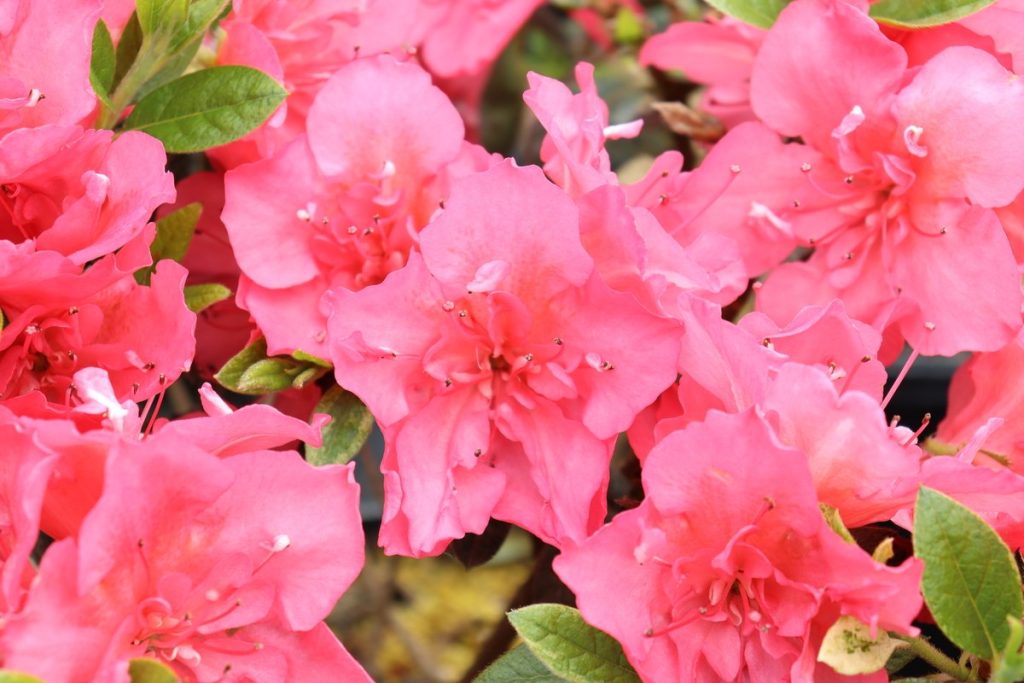
Are you worried about your azaleas when the temperature drops? You might be asking yourself, “Can azaleas survive a freeze?” It’s a common concern for gardeners who want to protect their beautiful blooms from cold weather.
The good news is, understanding how azaleas react to freezing temperatures can help you take the right steps to keep them healthy. Keep reading to discover simple tips and essential facts that will help your azaleas thrive, even when frost is on the way.
Credit: www.gardeningknowhow.com
Azaleas And Cold Weather
Azaleas are beloved for their vibrant blooms and lush foliage, but their reaction to cold weather can be tricky. Understanding how azaleas respond to freezing temperatures helps you protect your plants and keep them healthy year-round. Let’s break down what you need to know about azaleas and cold weather.
Azalea Hardiness Zones
Azaleas thrive best in USDA hardiness zones 6 through 9. These zones indicate the coldest temperatures a plant can survive. If you live in zone 7, for example, your azaleas can usually handle winter lows down to 0°F (-18°C).
However, some varieties are more cold-hardy than others. Native azaleas often tolerate colder climates better than hybrid or exotic types. Knowing your specific azalea’s hardiness zone helps you decide if extra winter protection is necessary.
Effects Of Freezing Temperatures
Freezing temperatures can damage azaleas in several ways. The most common issues are leaf burn, twig dieback, and in severe cases, root damage. You might notice brown or blackened leaves after a frost—this means the cells froze and burst.
Young azaleas are especially vulnerable because their roots and stems are less developed. Even mature plants can suffer if a sudden freeze hits unexpectedly. Have you ever seen your azaleas wilt or look scorched after a cold snap? That’s the freeze at work.
To protect your plants, consider covering them with frost cloths or moving potted azaleas indoors on cold nights. Mulching around the base also helps insulate roots from freezing. These small steps can make a big difference in your azalea’s survival through winter.
Signs Of Freeze Damage
Azaleas are beautiful plants, but cold weather can harm them. Freeze damage affects their appearance and health. Knowing the signs helps protect your azaleas early. These signs appear on leaves, flowers, stems, and roots. Spotting them quickly can save the plant from serious harm.
Leaf And Flower Symptoms
- Leaves turn brown or black at the edges.
- Leaves may become wilted or droopy.
- Flowers lose color and look faded.
- Flower petals become soft or mushy.
- Leaves show spots or have a scorched look.
- New growth may stop or appear stunted.
Stem And Root Impact
- Stems may look dark or water-soaked.
- Stems become brittle and break easily.
- Bark may peel or crack in cold spots.
- Roots can freeze, causing poor water uptake.
- Plants may wilt even with enough water.
- New shoots can die back after a freeze.
Preventing Freeze Damage
Freeze damage can be tough on azaleas, but you have the power to protect them. Taking a few simple steps before the cold hits can keep your plants healthy and vibrant. Let’s look at how you can prevent freeze damage effectively.
Choosing The Right Location
Your azalea’s location plays a huge role in its ability to survive a freeze. Plant them in spots that get morning sunlight but are shielded from harsh winds. South-facing walls or areas near large trees can provide natural warmth and protection.
Have you noticed how some plants bounce back after cold snaps while others don’t? Often, it’s because of where they’re planted. Avoid low-lying areas where cold air settles like a heavy blanket, making freeze damage more likely.
Proper Mulching Techniques
Mulch acts like a cozy blanket for your azalea’s roots. Use organic materials such as pine bark or straw to insulate the soil. Apply a 2 to 3-inch layer around the base but keep it a few inches away from the stem to prevent rot.
When I started mulching my azaleas before winter, I saw a noticeable difference in their survival rate. Mulch keeps the soil temperature steady and reduces moisture loss. This means your plants stay healthier through cold spells.
Using Protective Covers
Protective covers can shield your azaleas from frost and icy winds. Use breathable materials like frost cloths or old bedsheets instead of plastic, which can trap moisture and cause damage. Secure the covers so they don’t blow away but leave enough room for air circulation.
Have you tried using a simple frame to support covers over your plants? It prevents the fabric from weighing down the branches and causing breakage. This little trick can make a big difference in keeping your azaleas safe during unexpected freezes.
Emergency Freeze Protection
Emergency freeze protection is essential for azaleas during unexpected cold snaps. These plants are sensitive to frost and can suffer damage quickly. Taking quick action helps reduce harm and keeps azaleas healthy through cold weather.
Watering Before Freeze
Watering azaleas before a freeze helps protect their roots. Moist soil holds heat better than dry soil. This warmth shields roots from extreme cold. Water deeply a day before frost is expected. Avoid watering during the freeze to prevent ice damage.
Temporary Shelter Options
Creating temporary shelters can save azaleas from freeze damage. Use materials like:
- Frost cloths or old sheets
- Lightweight blankets
- Plastic tents (with ventilation)
Drape coverings over plants and anchor edges to the ground. Avoid plastic touching leaves directly to prevent freezing. Remove shelters during the day to allow sunlight and air circulation.
Post-freeze Care
After a freeze hits your azaleas, the real work begins. Post-freeze care is crucial to help your plants bounce back and stay healthy. You’ll want to focus on cleaning up damage, boosting their strength, and keeping a close eye on their recovery.
Pruning Damaged Parts
Start by carefully removing any parts of the azalea that look brown, wilted, or mushy. Dead branches can drain energy from the plant and invite disease. Use clean, sharp pruning shears and cut back to healthy tissue, usually just above a leaf node.
Don’t rush to prune too early. Sometimes damaged leaves may look bad but can still help the plant recover. Wait until new growth appears to be sure what’s truly dead.
Fertilizing And Soil Care
Your azaleas need a gentle boost after a freeze. Apply a balanced, slow-release fertilizer designed for acid-loving plants to support new growth. Avoid heavy feeding right after damage—it can stress the plant further.
Check the soil moisture and pH. Azaleas prefer slightly acidic, well-drained soil. If your soil feels compacted or dry, loosen it gently and add organic mulch to retain moisture and protect roots from temperature swings.
Monitoring Recovery
Keep a close watch on your azaleas for the next few weeks. Look for signs of new buds or leaf growth, which indicate recovery. If you notice continued browning or wilting, reassess watering and soil conditions.
Ask yourself: Are the new shoots growing steadily? Is the plant maintaining its color and vigor? These clues tell you if your care routine is working or needs adjustment.
Credit: gardenersoul.com
Credit: gardenersoul.com
Frequently Asked Questions
Can Azaleas Survive Light Frost Conditions?
Yes, azaleas can survive light frost if properly mulched and watered. Protecting them with frost cloth helps prevent damage.
How To Protect Azaleas During A Hard Freeze?
Cover azaleas with burlap or frost blankets. Water plants well before freezing temperatures for better cold resistance.
Do Azaleas Need Special Care After A Freeze?
After a freeze, prune damaged branches carefully. Avoid heavy fertilizing until plants show new growth to reduce stress.
Which Azalea Varieties Are Most Freeze-tolerant?
Native and deciduous azaleas generally tolerate freezes better. Choose cold-hardy varieties for areas with frequent freezes to ensure survival.
Conclusion
Azaleas can endure a freeze with proper care. Protect them with mulch and burlap. This helps keep the roots warm. Avoid watering before a freeze. Water freezes and damages roots. Prune branches after frost to encourage growth. Choose cold-hardy varieties for better survival.
Remember, healthy azaleas withstand cold better. Regular care and attention make a big difference. Keep them healthy year-round. This ensures they’re prepared for cold spells. With these tips, your azaleas can thrive, even in chilly weather. Enjoy their beautiful blooms each spring.
Your garden will thank you. Happy gardening!