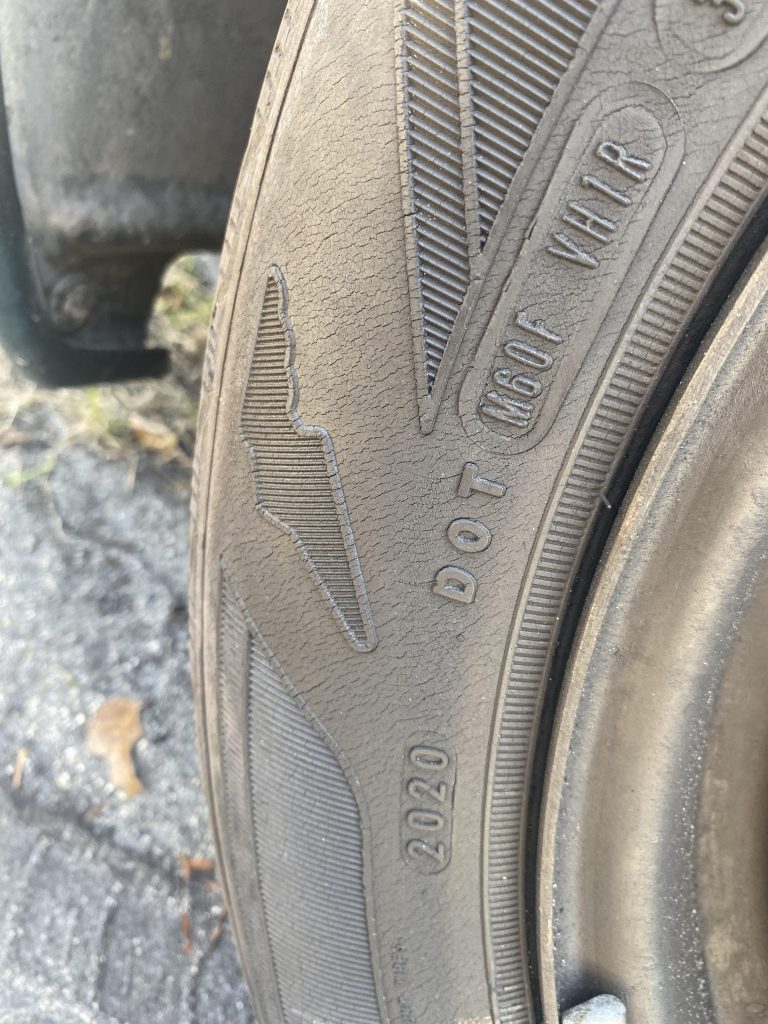
Have you ever felt your car start to shake while driving and wondered what’s causing it? One common but often overlooked reason could be your tires.
Bad tires don’t just affect how your car looks—they can make your ride uncomfortable and even unsafe. If you’ve noticed vibrations or shaking, understanding whether your tires are the culprit is crucial. Keep reading to learn how worn or damaged tires can cause your car to shake and what you can do to fix it before it becomes a bigger problem.

Credit: www.reddit.com
How Tires Affect Vehicle Stability
Tires play a key role in how your car drives. They keep the vehicle steady on the road.
If tires are bad, the car can shake or feel unstable. This happens because tires affect grip and balance.
Tire Balance And Its Role
Tire balance means weight is spread evenly around the tire. Unbalanced tires cause vibrations in the car.
When tires are not balanced, the steering wheel may shake. This happens especially at higher speeds.
- Uneven weight causes tire wobbling
- Wobbling leads to car shaking
- Proper balance smooths the ride
Impact Of Tire Wear Patterns
Tires wear down with use. Different wear patterns can make the car shake or pull to one side.
Uneven tire wear can mean poor alignment or suspension issues. This reduces stability and causes shaking.
- Center wear means overinflation
- Edge wear means underinflation
- Patchy wear means balance or alignment problems
Effects Of Tire Pressure Issues
Proper tire pressure is important for stability. Low or high pressure can cause the car to shake.
Low pressure makes tires softer and less stable. High pressure makes tires hard and less able to grip.
- Low pressure leads to wobbling and shaking
- High pressure reduces tire contact with road
- Check pressure regularly for safe driving
Common Tire Problems That Cause Shaking
Tires are very important for your car’s smooth ride. If your car shakes, bad tires can be the cause.
Several tire issues can make your car feel shaky. Knowing these problems helps you fix them fast.
Worn Or Damaged Tread
Tread is the part of the tire that touches the road. If it is worn out or damaged, the tire can lose grip.
This can cause your car to shake, especially at higher speeds. Worn tread also makes driving unsafe.
Tire Bulges And Deformities
Bulges or lumps on a tire happen when the tire’s structure is weak. These deformities cause uneven tire shape.
- Bulges can appear after hitting a pothole.
- Deformities cause uneven contact with the road.
- They often lead to vibrations and shaking.
Driving on tires with bulges is risky and can cause sudden blowouts.
Imbalanced Or Misaligned Tires
When tires are not balanced or wheels are misaligned, your car shakes or pulls to one side.
| Problem | Cause | Effect |
| Imbalanced Tires | Uneven weight distribution | Vibrations at speed |
| Misaligned Tires | Wrong wheel angle | Car pulls or shakes |
Regular tire balancing and alignment keep your car smooth and safe to drive.
Symptoms Linked To Tire-related Shaking
Bad tires can cause your car to shake while driving. This shaking can be a sign of tire damage or imbalance. Knowing the symptoms helps you spot tire problems early.
Shaking from tires feels different depending on the speed and where you feel it. Listening to unusual noises can also point to tire issues.
Shaking At Different Speeds
Your car may shake at low, medium, or high speeds if tires are bad. Each speed can show different issues. Low-speed shaking can mean tire damage or uneven wear.
Shaking at higher speeds often shows tire imbalance or a bent rim. If shaking gets worse with speed, tires are likely the cause.
- Low speed: rough or bumpy ride
- Medium speed: mild vibrations in the car
- High speed: strong shaking, harder to control
Vibrations Felt Through Steering Wheel
If your steering wheel vibrates, it often means a tire problem. Uneven tire wear or imbalance causes these vibrations. They usually happen when driving faster than 40 mph.
Vibrations through the steering wheel can make driving tiring and unsafe. Checking your tires regularly helps avoid these issues.
- Vibrations increase with speed
- Feel more in steering wheel than seat
- May cause steering wheel to shake side to side
Unusual Noises During Driving
Bad tires can make strange noises when you drive. These sounds include thumping, humming, or squealing. Uneven tire wear often causes thumping noises.
Humming or roaring sounds may show tire imbalance or damage. Squealing can happen if tires lose grip or have worn tread.
- Thumping means tire damage or flat spots
- Humming suggests uneven tread or imbalance
- Squealing shows loss of tire traction
Diagnosing Tire Issues Quickly
Bad tires can cause your car to shake while driving. This shaking can feel in the steering wheel or throughout the car. Finding tire problems fast helps keep you safe on the road.
Knowing how to check your tires can stop small issues from becoming big problems. Look for signs that your tires need attention right away.
Visual Tire Inspection Tips
Look closely at your tires to find damage or wear. Check each tire for cracks, cuts, or bulges on the sidewalls. Also, look for uneven tread wear that can cause shaking.
- Check tread depth using a coin or tread depth gauge
- Look for nails, stones, or sharp objects stuck in the tire
- Inspect sidewalls for bulges or cracks
- Notice any uneven wear that may show alignment issues
When To Visit A Tire Specialist
If your car shakes after checking your tires, see a tire specialist. They can find hidden problems like tire balance or alignment issues. Visit a specialist if you notice sudden tire damage.
Also, see an expert when you feel vibration at certain speeds or after hitting a pothole. Tire specialists have tools to fix or replace tires properly.
Tools For Checking Tire Health
You can use simple tools to check your tire health at home. A tire pressure gauge helps keep your tires at the right air pressure. Proper pressure reduces shaking and improves safety.
A tread depth gauge measures how much tread is left. Low tread causes poor grip and car shaking. Balancing weights and alignment machines are tools used by specialists to fix tire issues.
- Tire pressure gauge to check air pressure
- Tread depth gauge to measure tire tread
- Jack to lift the car for tire inspection
- Wheel balancer and alignment tools used by professionals
Preventing Shaking By Maintaining Tires
Car shaking can happen due to bad tires. Proper tire care stops this problem.
Maintaining tires helps your car run smoothly and safely on the road.
Regular Tire Rotation And Balancing
Tire rotation moves tires to new positions on the car. This helps tires wear evenly.
Balancing tires keeps the weight spread out evenly. It prevents shaking at high speeds.
- Rotate tires every 5,000 to 8,000 miles
- Balance tires when you feel vibration
- Ask a professional to check tire alignment
Maintaining Proper Tire Pressure
Low or high tire pressure can cause your car to shake. Proper pressure helps tires last longer.
| Pressure Level | Effect on Driving |
| Too Low | More rolling resistance and shaking |
| Too High | Less grip and harsh ride |
| Correct Pressure | Smooth ride and better fuel economy |
Replacing Tires At The Right Time
Old or worn tires cause vibrations and unsafe driving. Replace tires before they become dangerous.
Signs to replace tires:
- Tread depth below 2/32 inch
- Visible cracks or bulges
- Frequent air loss
- Uneven wear patterns
Credit: www.tireagent.com

Credit: metrixpremiumparts.com
Frequently Asked Questions
What Causes A Car To Shake While Driving?
Bad tires can cause your car to shake. Uneven tire wear, imbalanced tires, or damaged tires can lead to vibrations. Regular tire maintenance is essential to ensure smooth driving. Also, inspect your tires for any visible damage or irregularities.
Can Uneven Tire Wear Lead To Vibrations?
Yes, uneven tire wear can lead to vibrations. Uneven wear often results from misalignment or improper inflation. This can cause your car to shake at certain speeds. Regular tire rotations and proper maintenance can help prevent uneven wear.
How Does Tire Imbalance Affect Driving?
Tire imbalance can significantly affect driving. It causes vibrations, especially at higher speeds. This can lead to discomfort and reduced vehicle performance. Balancing tires regularly can help maintain a smooth driving experience.
Are Damaged Tires Responsible For Car Shakes?
Yes, damaged tires can cause car shakes. Issues like bulges, punctures, or sidewall damage affect tire performance. These damages can lead to vibrations and unsafe driving conditions. Always inspect your tires for visible damage and replace them if necessary.
Conclusion
Bad tires often cause cars to shake while driving. Worn or damaged tires create uneven contact with the road. This leads to vibrations felt inside the car. Checking tire condition regularly helps keep rides smooth and safe. Replacing old tires can stop shaking quickly.
Don’t ignore tire problems; they affect driving comfort and safety. A smooth drive starts with good tires on your car.