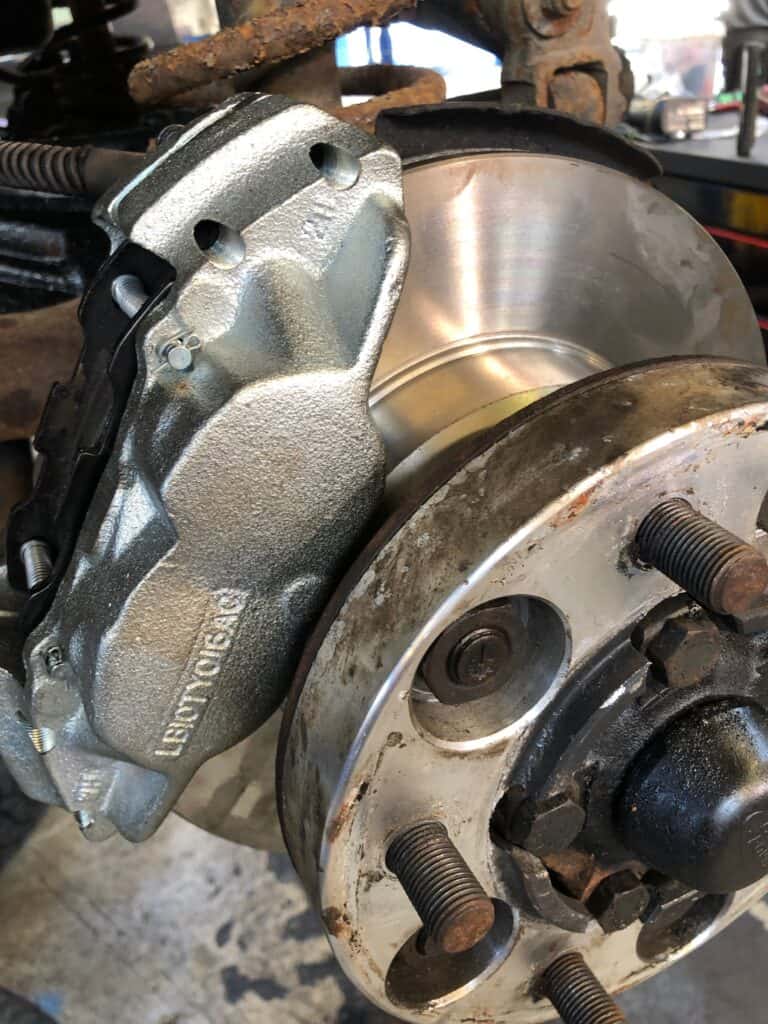
Have you ever wondered if your brakes could freeze? Imagine driving on a chilly morning, and suddenly, your brakes don’t seem to respond.
Sounds terrifying, right? Understanding whether brakes can actually freeze, and what to do about it, is crucial for your safety and peace of mind. You’ll discover the reasons behind this phenomenon, the signs to watch out for, and tips to prevent it from happening to you.
So, if you want to ensure safe and smooth driving even in the coldest weather, keep reading to learn everything you need to know about frozen brakes.
How Brakes React To Cold
Brakes face many challenges in cold weather. Low temperatures affect how brake parts work together. Cold can cause changes in brake fluid and metal parts. These changes affect braking performance and safety.
Understanding how brakes react to cold helps drivers stay safe. Cold weather can make brakes less responsive or even freeze. Knowing what happens inside your brakes can prevent accidents.
Effects Of Moisture On Brake Components
Moisture plays a big role in brake problems during cold weather. Water can enter brake parts and freeze. Ice buildup can cause brake pads and discs to stick.
Brake fluid can absorb moisture over time. This lowers its boiling point and can cause brake failure. Frozen moisture in brake lines stops fluid flow. This makes it hard to press the brake pedal.
- Frozen moisture causes brake parts to stick or move slowly.
- Ice can damage brake seals and reduce their life.
- Corrosion from moisture weakens brake components.
Common Signs Of Frozen Brakes
Frozen brakes show clear signs drivers can notice. The brake pedal may feel stiff or hard to press. Brakes might not respond immediately or stop the car.
Sometimes, brakes make unusual sounds like grinding or squeaking. The car may pull to one side when braking. These signs mean brake parts could be frozen or stuck.
- Hard or unresponsive brake pedal.
- Delayed brake response or poor stopping power.
- Strange noises during braking.
- Car pulling to one side while braking.
Factors Leading To Brake Freezing
Brake freezing happens under certain conditions that cause brake components to lock up. Understanding these factors helps prevent brake failure and accidents. Cold weather and moisture play big roles in this issue. The brake system parts, like fluid and seals, also affect freezing risk.
Weather Conditions That Increase Risk
Cold temperatures can cause water inside brake parts to freeze. Snow and ice build-up around wheels can block brake movement. Moisture from rain or melting snow can get into the brakes. Rapid temperature drops make freezing more likely. Roads treated with salt may cause corrosion, worsening brake function.
Role Of Brake Fluid And Seal Integrity
Brake fluid can absorb water over time, lowering its freezing point. Old or contaminated fluid freezes more easily. Seals around brake components keep fluid and moisture out. Cracked or worn seals allow water to enter the system. This water can freeze and cause brakes to stick. Regular brake fluid changes and seal checks reduce freezing risk.
Preventive Measures Before Winter
Winter brings cold temperatures that can affect your car’s braking system. Taking preventive measures before winter helps avoid brake freezing. Proper care ensures safety and smooth driving during chilly days. These simple steps protect brakes from ice buildup and other cold-related issues.
Regular Brake Inspections
Check your brakes often before winter starts. Look for worn pads, leaks, or damage in brake lines. Early inspections catch problems that cold weather might worsen. A mechanic can spot issues that are hard to see. Regular checks keep brakes working well in freezing conditions.
Choosing The Right Brake Fluid
Brake fluid type affects freezing resistance. Use fluid with a low freezing point suitable for cold climates. Old brake fluid absorbs moisture, increasing freeze risk. Change brake fluid as recommended by your car’s manual. Fresh fluid helps maintain braking power in winter.
Parking Tips To Avoid Freeze
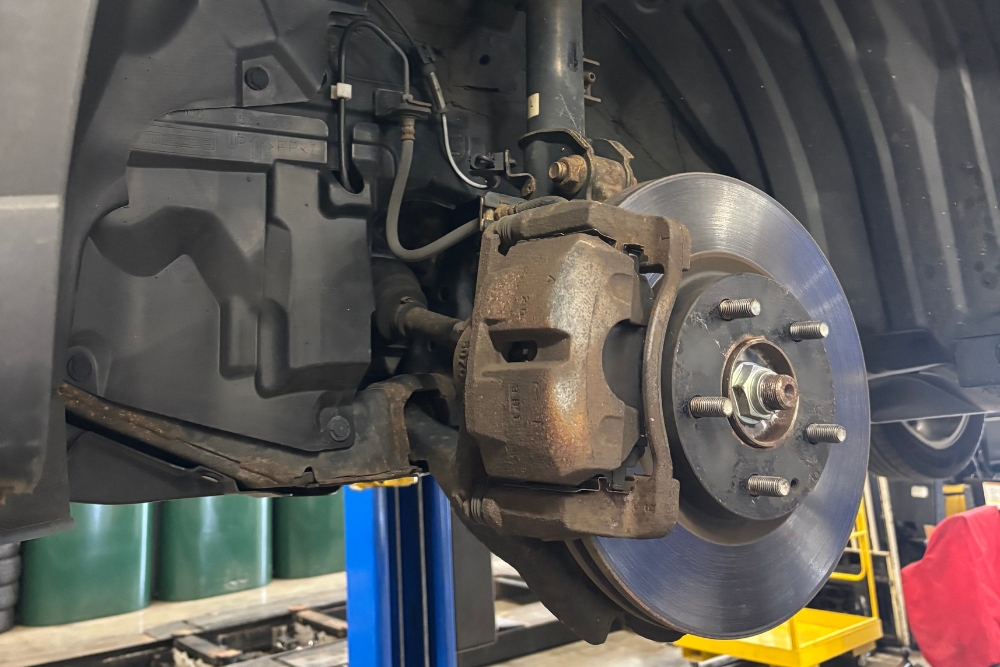
Park in a garage or covered area if possible. Avoid leaving your car outside in wet or snowy weather. Use wheel chocks to keep the car from rolling on icy surfaces. Cover brake components with breathable covers to reduce ice buildup. Smart parking habits protect brakes from freezing.
Credit: schmidtautocare.com
What To Do If Brakes Freeze
Frozen brakes can cause serious safety issues. Knowing what to do helps protect you and your vehicle. Acting quickly but carefully can restore brake function. Avoid forcing the brakes, which might cause damage. Follow simple, safe steps to thaw frozen brakes and keep control of your car.
Safe Steps To Thaw Frozen Brakes
Start by moving the car gently. Drive slowly back and forth on a safe, flat surface. This motion can help melt the ice. Avoid sudden stops or sharp turns. Use the car’s heater to warm the wheels and brake area. If possible, park the car in a warmer place or garage.
Do not pour hot water on brakes. Rapid temperature change can damage brake parts. Instead, use a cloth soaked in warm water to gently warm the brake area. Be patient and repeat the warming process as needed. Check the brake pedal for normal resistance before driving fast.
When To Seek Professional Help
Seek help if brakes remain stiff or unresponsive after warming. Strange noises or smells during braking need expert attention. If the brake pedal feels soft or sinks to the floor, avoid driving. These signs point to serious brake problems. Call a mechanic or roadside assistance for safe inspection and repair.
Do not try to fix complex brake issues yourself. Professionals have tools and knowledge to handle frozen or damaged brakes safely. Regular brake checks during winter can prevent freezing problems. Stay safe by trusting experts when brake troubles persist.
Maintenance Tips During Winter
Winter brings unique challenges to your vehicle’s braking system. Cold temperatures combined with moisture can cause brakes to freeze, leading to dangerous situations. Knowing how to maintain your brakes during this season can keep you safe and extend the life of your brake components.
Cleaning And Drying Brake Parts
Keeping your brake parts clean is crucial in winter. Dirt, salt, and grime from the roads can stick to your brakes and hold moisture. This moisture can freeze and cause your brakes to stick or perform poorly.
After driving through slushy or wet conditions, take time to rinse off your wheels and brake areas with warm water. Avoid high-pressure water directly on sensitive parts, but make sure to remove salt and dirt effectively. Once cleaned, dry your brakes thoroughly by driving at low speeds in a safe area to generate heat and evaporate any leftover moisture.
Avoiding Excessive Moisture Build-up
Moisture is the main culprit behind frozen brakes. If water collects around your brake pads or discs, it can freeze overnight and lock your brakes in place. Pay attention to parking spots—avoid areas prone to puddles or ice patches.
Consider using a car cover or parking in a garage to shield your vehicle from snow and ice. If you notice your brakes feel sticky or sluggish after cold nights, gently pump the brake pedal to warm up the system and release any frozen parts. Have you checked your brake fluid lately? Keeping it at the right level and replacing it when needed helps prevent moisture from building inside the brake lines.

Credit: www.reddit.com
Driving Habits To Enhance Safety
Driving safely in cold weather means more than just checking if your brakes can freeze. Your daily habits behind the wheel play a huge role in preventing accidents and keeping your brakes in good shape. Small changes to how you drive can make a big difference in avoiding dangerous situations on icy or snowy roads.
Adjusting Speed And Distance
Slowing down is one of the simplest yet most effective ways to stay safe when roads are slick. You might feel tempted to keep your usual speed, but even a small reduction can give you more time to react.
Also, increase the distance between your car and the vehicle ahead. This extra space acts like a safety buffer if you need to stop suddenly. Have you ever found yourself tailgating on a snowy day and wished you had more room? That’s a clear sign to adjust your following distance.
Using Engine Braking Wisely
Engine braking can help reduce wear on your brakes and prevent them from freezing up in cold weather. Instead of relying solely on your brake pedal, try downshifting to slow down gradually.
However, be careful not to downshift too quickly or at high speeds, as this can cause loss of control. Think about how smoothly your car slows down when you use engine braking correctly—it feels more natural and safer, especially on slippery roads.
Credit: www.canadiantire.ca
Frequently Asked Questions
Can Brakes Freeze In Cold Weather?
Yes, brakes can freeze due to moisture buildup. This causes reduced brake responsiveness and can be dangerous until thawed.
How To Prevent Brake Freezing In Winter?
Keep your car in a garage, avoid washing it before freezing temperatures, and use brake protectants to prevent ice buildup.
What Are Signs Of Frozen Brakes?
Signs include stiff brake pedals, unusual noises, and reduced braking efficiency, especially after a cold night or heavy rain followed by freezing.
Can Frozen Brakes Damage My Vehicle?
Yes, frozen brakes can cause wear and tear, brake fluid contamination, and potential damage to brake components if used while frozen.
Conclusion
Brakes can freeze in very cold and wet conditions. This happens when moisture builds up and turns to ice. Frozen brakes may not work well or respond quickly. Regular car checks help prevent brake freezing. Keep your vehicle dry and park in a garage if possible.
Drive slowly and carefully in icy weather. Stay safe by knowing how cold affects your brakes. Small steps make a big difference. Always pay attention to your car’s condition in winter.