Imagine this: You’ve just finished a marathon cleaning session, vacuuming every nook and cranny of your home. You feel accomplished, knowing that you’ve banished dust and dirt from your space.
But there’s a nagging question in the back of your mind—can bugs crawl out of a vacuum? This thought might make your skin crawl, but it’s a question worth exploring. Understanding what happens inside your vacuum cleaner can put your mind at ease and ensure your cleaning efforts are truly effective.
Stick around, because you’re about to uncover the hidden world within your vacuum and learn how to keep your home bug-free.
Credit: naturesmace.com
How Vacuums Trap Bugs
Vacuum cleaners are a common tool to remove bugs from floors and carpets. Understanding how vacuums trap bugs helps explain if they can escape later. Different parts of the vacuum work together to capture and hold insects inside.
Vacuum Suction Mechanics
Suction pulls air and debris into the vacuum. Strong suction creates a powerful airflow that drags bugs inside. Once inside, the insects get caught in the dust and dirt. The vacuum’s airflow usually prevents bugs from flying or crawling back out.
Types Of Vacuum Filters
Filters stop dirt and bugs from escaping the vacuum. Some vacuums have simple mesh filters. Others use HEPA filters that trap even tiny particles. Good filters create barriers that bugs cannot pass through. The better the filter, the less chance bugs can crawl out.
Bug Survival Factors
Bugs trapped in vacuums face harsh conditions. Lack of air, moisture, and food make survival hard. Some bugs die quickly inside the vacuum. Others may survive longer but usually cannot escape. The vacuum’s design and how often you empty it affect bug survival.

Credit: www.domyown.com
Bugs’ Ability To Escape
Bugs trapped inside a vacuum can sometimes find ways to escape. Their survival depends on their size, strength, and the vacuum’s design. Some bugs are tougher and more agile, making it easier to crawl out. Others may survive longer in the vacuum’s environment due to special conditions.
Common Bugs Found In Vacuums
- Ants
- Spiders
- Cockroaches
- Beetles
- Silverfish
- Flies
These bugs often end up inside vacuums after cleaning floors or carpets. Their small size helps them get sucked in easily.
Escape Techniques
- Climbing up the vacuum hose or walls
- Using legs to grip and push through debris
- Hiding in soft clumps of dust that shift position
- Taking advantage of gaps or loose parts in the vacuum
Some bugs use strong legs or claws to pull themselves free. Others wait for the vacuum to stop and then crawl out.
Conditions That Aid Survival
- Low suction power allows bugs to hold on
- Moisture inside the vacuum keeps bugs alive longer
- Dark and warm environment mimics natural hiding spots
- Clumped dust protects bugs from injury
Vacuums with poor seals or weak motors give bugs a better chance to survive and escape. Moist and warm vacuums create a safer space for them to stay.
Vacuum Design And Bug Containment
Understanding how vacuum design affects bug containment is crucial if you want to keep pests trapped and prevent them from crawling back out. Different vacuum models handle captured insects in varying ways, which can directly influence whether bugs escape or stay sealed inside. Let’s look at key design features that impact bug containment and what you should consider when choosing a vacuum.
Bagged Vs. Bagless Vacuums
Bagged vacuums store dirt and debris in a sealed bag, which often provides a more secure environment for trapping bugs. The sealed bag minimizes the chance of insects crawling out because it is enclosed and usually disposed of entirely when full.
Bagless vacuums collect dirt in a canister or bin that you empty yourself. This design can sometimes allow bugs to escape if the container isn’t sealed tightly or if you open it carelessly. If you have pest problems, a bagged vacuum might be more effective at keeping bugs contained during and after cleaning.
Sealing And Leakage Points
Even the best vacuum can fail at bug containment if there are gaps or leaks in its design. Bugs can squeeze through tiny cracks around the dustbin, filters, or seals.
Check your vacuum for:
- Properly fitted seals around the dust container
- Well-maintained filters that don’t allow air gaps
- Intact hose connections without loose fittings
If you notice air leaks, bugs can find their way out. Regularly inspect and replace worn seals to ensure bugs remain trapped.
Innovations To Prevent Escape
Some modern vacuums include features specifically designed to stop bugs from crawling free. For example, multi-layered filtration systems like HEPA filters not only trap fine dust but can also block insects.
Additionally, vacuum models with one-way valves or locking dustbins prevent bugs from escaping once inside. Some vacuums even offer UV light attachments that kill bugs on contact during suction.
Have you ever emptied a vacuum and found live bugs crawling away? Choosing a vacuum with these innovations can save you that unpleasant surprise and give you peace of mind during your cleaning routine.
Health And Hygiene Concerns
Health and hygiene concerns arise when bugs hide in your home. Bugs can carry germs and cause allergies. Keeping your living space clean helps reduce these risks. Vacuums play a key role but must be used and maintained properly to be effective.
Risks Of Bug Infestations
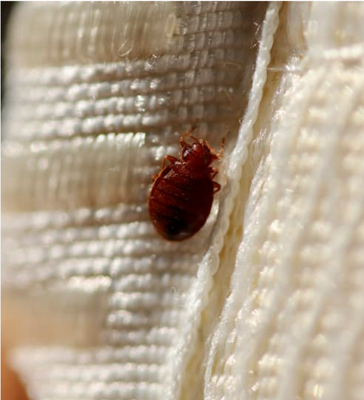
Bugs such as bed bugs, mites, and fleas can spread diseases. Their bites can cause itching and skin reactions. Some bugs leave behind droppings that trigger allergies. Infestations can grow quickly without detection. This makes early control essential for health.
Effectiveness Of Vacuum Cleaning
Vacuuming removes many bugs and their eggs from floors and furniture. It reduces allergens and dust that bugs feed on. Yet, some bugs may survive inside the vacuum bag or bin. This can allow them to crawl out later. Using a vacuum with strong suction and a sealed bag helps trap pests better.
Proper Vacuum Maintenance
- Empty vacuum bags or bins regularly and seal the waste immediately.
- Clean or replace filters to keep suction strong and trap particles.
- Inspect the vacuum for cracks or openings where bugs can escape.
- Use vacuums with HEPA filters to capture tiny particles and bugs.
- Store the vacuum in a dry, clean place to prevent bug breeding.
Tips To Prevent Bugs From Escaping
Preventing bugs from escaping a vacuum is important for effective cleaning. Bugs can survive inside vacuums if not handled properly. Taking simple steps stops them from crawling out. These tips help keep your space bug-free and your vacuum working well.
Choosing The Right Vacuum
Select a vacuum with a strong seal and good suction power. A sealed system traps bugs inside without gaps. Bags or canisters should close tightly to prevent bugs from escaping. Consider vacuums with HEPA filters to trap small insects and debris.
Regular Cleaning Practices
Empty the vacuum bag or canister immediately after use. Clean filters and brushes often to remove bug eggs or larvae. Store your vacuum in a dry, clean place to avoid attracting bugs. Regular maintenance helps reduce the chance of bugs surviving inside.
Safe Bug Disposal Methods
Dispose of vacuum contents outside your home. Seal bags or canisters in plastic before throwing them away. Avoid shaking the vacuum contents inside the house to stop bugs from spreading. Use water or insecticides to kill bugs in the vacuum if needed.
Credit: us.amazon.com
Frequently Asked Questions
Can Bugs Survive Inside A Vacuum Cleaner?
Most bugs cannot survive long inside a vacuum due to lack of air and crushing pressure. However, some resilient insects may survive briefly if trapped in debris.
Do Bugs Often Crawl Out Of Vacuums After Cleaning?
It’s rare but possible for small bugs to crawl out if the vacuum bag or canister isn’t emptied immediately after use.
How To Prevent Bugs From Escaping A Vacuum Cleaner?
Regularly empty and clean your vacuum bag or canister. Seal debris in a plastic bag to trap any surviving bugs.
Are Certain Bugs More Likely To Crawl Out Of Vacuums?
Yes, small, agile insects like ants or spiders may escape if not properly contained inside the vacuum.
Conclusion
Bugs rarely crawl out of a vacuum once trapped inside. Most vacuums hold them tightly due to strong suction. Still, tiny insects might survive if the vacuum bag is loose. Regular cleaning and emptying the vacuum prevents bug escapes. Keep your home clean to reduce bugs and pests.
Understanding how vacuums work helps control unwanted insects effectively. Stay alert and maintain your vacuum for best results. Simple steps make your home healthier and bug-free.