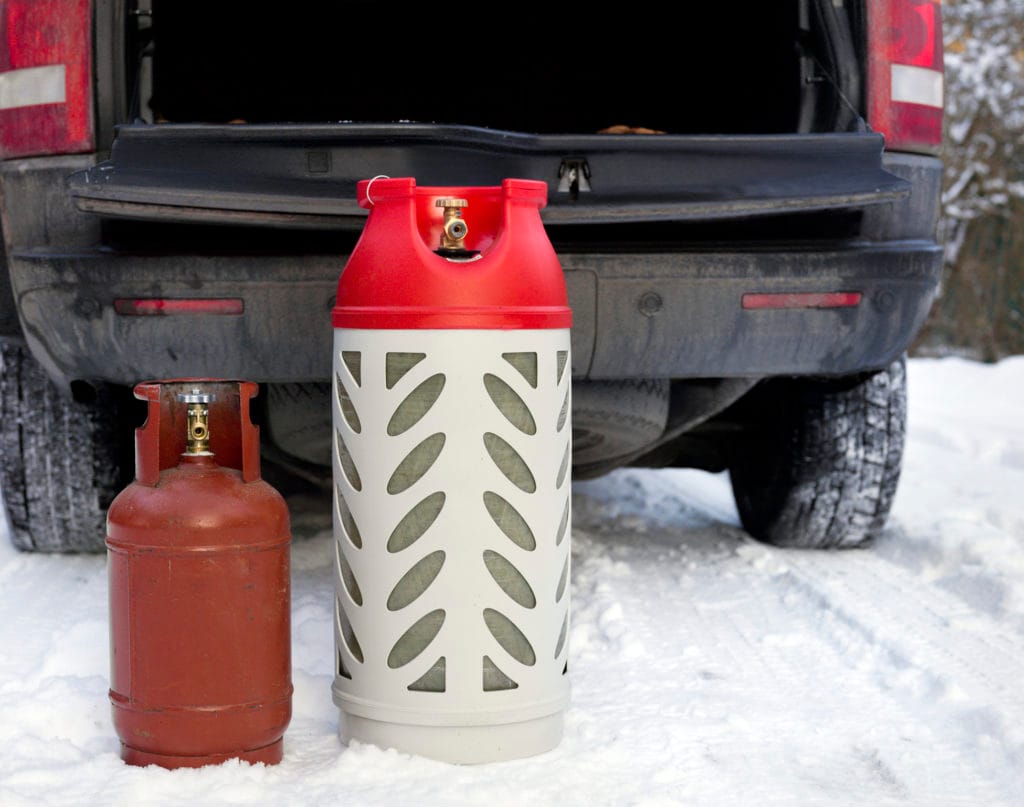
Have you ever wondered if butane can freeze? Imagine you’re on a camping trip, relying on your trusty butane stove to cook a warm meal.
Suddenly, it’s not working, and you’re left in the cold, literally. You might be asking yourself, “Can butane freeze? ” This question is more important than you might think, especially if you depend on butane for outdoor adventures or everyday tasks.
Understanding how temperature affects butane could save you from unexpected challenges. Stick around, and we’ll explore the science behind butane’s freezing point, how it impacts your daily life, and what you can do to ensure you’re never caught off guard. This knowledge might just become your secret weapon on your next chilly adventure.
Butane Basics
Understanding butane starts with knowing its basics. This simple hydrocarbon plays a significant role in many everyday products and tools. Before diving into whether butane can freeze, grasping its chemical nature and typical uses helps clarify its behavior under different conditions.
Chemical Properties
Butane is a colorless, odorless gas at room temperature. Its chemical formula is C4H10, consisting of four carbon atoms and ten hydrogen atoms. It belongs to the alkane family, meaning it’s made up of single bonds between carbon atoms.
Butane’s boiling point is around -0.5°C (31.1°F), which means it turns from liquid to gas slightly below freezing temperature. Its melting point, or freezing point, is about -138.3°C (-216.9°F). This very low freezing point explains why butane rarely freezes under normal conditions.
Common Uses
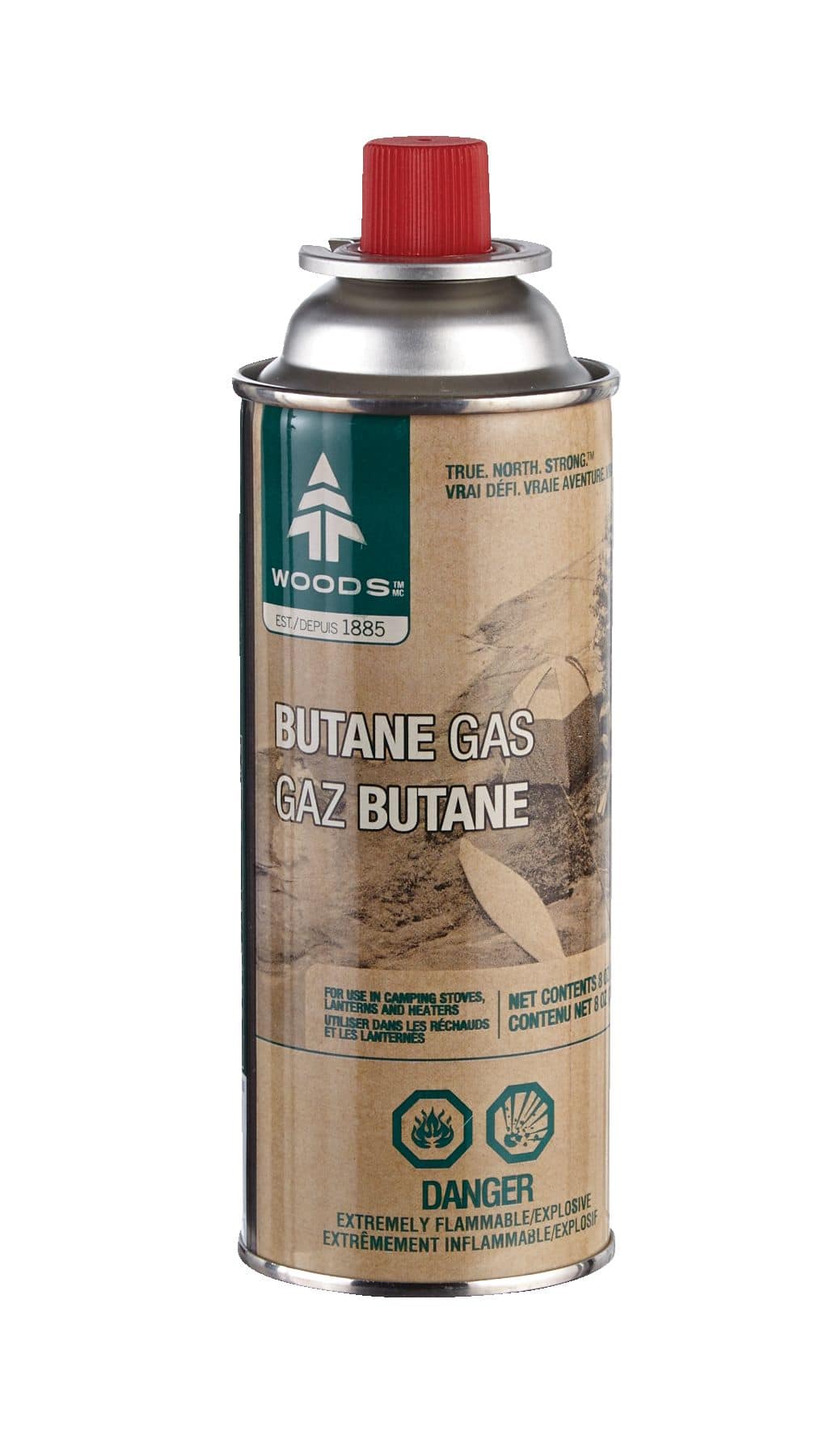
You might find butane in many places without even noticing. It’s widely used as a fuel for lighters and portable stoves, thanks to its ability to vaporize quickly and burn cleanly. Butane also serves as a propellant in aerosol sprays and as a refrigerant in some cooling systems.
Have you ever struggled to light a camping stove in cold weather? Butane’s freezing point explains why it sometimes fails in very low temperatures. Knowing its properties can help you choose the right fuel for your outdoor adventures or household needs.

Credit: www.canadiantire.ca
Freezing Point Of Butane
Understanding the freezing point of butane is crucial if you work with this gas, especially in colder environments. Butane behaves differently than water or other common liquids when exposed to low temperatures. Knowing its exact freezing point helps you predict when it might turn solid and how that affects its use.
Temperature Thresholds
Butane freezes at about -138.3°C (-216.9°F). This is an extremely low temperature compared to most everyday experiences. You won’t encounter solid butane in typical outdoor conditions unless you’re in a scientific lab or extreme cold storage.
However, you might wonder: what happens if you expose a butane canister to freezing temperatures just above this point? The gas can still liquefy or become less effective without actually freezing solid. This means your lighter or camping stove might struggle to work if the temperature drops below its operational range but stays above the freezing mark.
Phase Changes
Butane transitions between gas, liquid, and solid depending on temperature and pressure. At room temperature, it’s usually a gas or liquid in pressurized containers. When cooled to its freezing point, it changes from liquid to solid.
In practical terms, you’ll mostly deal with two phases:
- Gas phase:Butane is vaporized and ready to burn.
- Liquid phase:Butane is stored under pressure in canisters.
Solid butane is rarely seen because it requires very low temperatures. If you ever need to store butane in cold environments, understanding these phase changes can prevent unexpected problems. Have you ever faced a lighter that just wouldn’t ignite in cold weather? That’s often due to butane not vaporizing properly.
Conditions That Cause Freezing
Butane can freeze under specific conditions that affect its physical state. These conditions involve changes in temperature and pressure. Understanding these factors helps explain when and how butane turns solid.
Environmental Factors
Temperature plays a key role in butane freezing. Butane freezes at about -138°C (-216°F). This temperature is much lower than everyday weather conditions. Extreme cold environments, such as outer space or specialized labs, can cause butane to freeze.
Humidity and wind do not affect butane freezing much. The main trigger is simply the air temperature dropping below its freezing point.
Pressure Effects
Pressure changes also impact butane’s freezing point. Increasing pressure can lower the freezing point slightly. Decreasing pressure may raise the freezing point, making freezing easier at higher temperatures.
In sealed containers, pressure builds up as butane cools. This pressure can keep butane liquid below its normal freezing point. But in open or low-pressure environments, butane freezes faster.
Credit: www.canadiantire.ca
How Freezing Affects Butane Usage
Freezing butane isn’t just a strange curiosity—it directly changes how this fuel behaves and how safe it is to use. Understanding these changes helps you avoid problems and get the best performance from your butane-powered devices, especially in cold environments. Let’s dive into what happens to butane when it freezes and what that means for your everyday use.
Impact On Fuel Performance
Butane freezes at around -138°F (-94°C), a temperature most of us won’t encounter daily. But if you store butane in extremely cold conditions, its liquid form can turn into a solid. This change drastically reduces how well the fuel vaporizes, which is essential for ignition.
When butane doesn’t vaporize properly, your lighter or stove may fail to light or burn unevenly. I once tried using a butane lighter after leaving it outside during a harsh winter night. It barely sparked, frustrating me during a camping trip. This experience taught me to keep butane canisters at room temperature to maintain steady performance.
Keep in mind:
- Frozen butane won’t flow properly through fuel lines.
- Devices may sputter or not ignite at all.
- Warm the fuel gently if it’s exposed to cold before use.
Safety Concerns
Freezing butane doesn’t only affect performance—it also raises safety issues. When butane freezes, its expansion and contraction can weaken the container, increasing the risk of leaks or bursts. Handling frozen canisters roughly can cause cracks or damage.
You might wonder, “Is it safe to warm frozen butane quickly?” Rapid heating, like putting the canister near a flame or hot surface, can cause pressure buildup and potentially dangerous explosions. Always warm butane slowly at room temperature or by holding it in your hands.
To stay safe:
- Store butane in a cool, dry place—not in the freezer.
- Check canisters for damage if exposed to freezing conditions.
- Avoid sudden temperature changes to prevent container stress.
Preventing Butane From Freezing
Preventing butane from freezing is important to keep it usable and safe. Butane freezes at very low temperatures, around -138°C (-216°F). Most everyday environments do not reach this temperature, but extreme cold can cause issues. Proper care helps maintain butane’s quality and performance.
Storage Tips
- Store butane canisters in a cool, dry place away from direct sunlight.
- Avoid storing butane outdoors during winter or in unheated spaces.
- Keep canisters upright to prevent leaks and pressure loss.
- Use insulated containers if storing in cold environments.
- Check expiration dates and use older cans first.
Handling Best Practices
- Handle butane canisters gently to avoid damage.
- Do not expose canisters to extreme cold or heat.
- Allow canisters to warm up slowly before use if cold.
- Avoid shaking or dropping the canisters.
- Use butane in well-ventilated areas to reduce risk.

Credit: www.bitsandparts.nl
Butane Vs Other Fuels In Cold Temperatures
Comparing butane to other common fuels in cold temperatures reveals important differences that affect your fuel choice. Understanding how butane behaves versus propane or gasoline can help you avoid fuel-related problems in winter conditions. Let’s break down the key factors that influence performance when temperatures drop.
Comparative Freezing Points
Butane freezes at around -138°C (-216°F), which is extremely low and rarely reached in everyday environments. Propane freezes at about -188°C (-306°F), even lower than butane, making both gases resistant to freezing in typical cold weather.
Gasoline, on the other hand, doesn’t have a single freezing point but can gel or thicken in cold temperatures, especially diesel blends. This can cause issues with fuel flow in engines, unlike butane or propane which remain gases.
| Fuel Type | Freezing Point | State at Low Temperatures |
|---|---|---|
| Butane | -138°C (-216°F) | Gaseous |
| Propane | -188°C (-306°F) | Gaseous |
| Gasoline | No specific freezing point | Can gel or thicken |
Suitability For Winter Use
Butane’s vapor pressure drops significantly at temperatures below 0°C (32°F), which can cause it to stop vaporizing effectively. This means your stove or heater may not function well in freezing weather if you rely solely on butane.
Propane maintains higher vapor pressure in cold weather, so it works better in winter conditions. This makes propane a preferred choice for camping or heating in cold climates.
If you’ve ever struggled to light a butane stove on a chilly morning, you’ve experienced this firsthand. Switching to propane or a butane-propane mix can solve that problem.
- Butane is great for mild temperatures but less reliable when it’s freezing.
- Propane works reliably even in subzero temperatures.
- Gasoline-powered devices may need additives to prevent gelling in cold weather.
Think about your typical use environment before choosing fuel. Would you rather have a reliable flame on a snowy morning or risk a cold failure because of fuel choice? Your fuel’s cold-weather behavior matters more than you might expect.
Myths About Butane Freezing
Many people wonder if butane can freeze, leading to various myths and confusion. Understanding these myths helps you handle butane safely and effectively. Let’s clear up some common misconceptions and look at the science behind butane’s freezing point.
Common Misconceptions
One popular myth is that butane freezes at typical winter temperatures. Many assume that leaving a butane lighter outside in cold weather will cause it to freeze solid. However, this is rarely the case unless temperatures drop far below what most people experience.
Another misconception is that butane behaves like water and freezes into a solid block easily. People sometimes think butane can be stored like ice cubes in a freezer, which leads to improper storage and safety risks.
- Butane freezes at around -138°C (-216°F), much colder than everyday freezing temperatures.
- At regular cold weather, butane remains in a gaseous or liquid state inside its container.
- Freezing butane requires specialized equipment and conditions not found in homes.
Scientific Clarifications
Butane is a hydrocarbon gas that liquefies under pressure but freezes at extremely low temperatures. Its freezing point is much lower than water, meaning it won’t solidify in your freezer or during winter.
When butane cools, it first condenses from gas to liquid, then only freezes if cooled well below standard freezer temperatures. This explains why your butane lighter might seem sluggish in cold weather but doesn’t actually freeze.
Have you noticed your lighter performing poorly on a cold day? It’s due to reduced vapor pressure, not freezing. Warming the lighter slightly improves performance, confirming butane’s physical properties.
Frequently Asked Questions
Can Butane Freeze Under Normal Conditions?
Butane freezes at around -138°C (-216°F). Under normal environmental conditions, it remains in gas or liquid form. Therefore, butane does not freeze in typical everyday situations.
What Temperature Does Butane Freeze At?
Butane solidifies at approximately -138°C (-216°F). This extremely low temperature is rarely reached outside specialized industrial or laboratory settings.
Does Freezing Butane Affect Its Use As Fuel?
Freezing butane can reduce its effectiveness as fuel. Solid butane cannot vaporize properly, which hinders combustion in devices like lighters or stoves.
How Can Butane Be Safely Stored To Prevent Freezing?
Store butane in a cool, dry place above its freezing point. Avoid exposing it to extremely low temperatures to maintain its liquid or gas state.
Conclusion
Butane can freeze, but only at very low temperatures. It turns solid below -138°C (-216°F). This is far colder than most weather conditions on Earth. Knowing this helps when handling or storing butane safely. Always keep butane away from extreme cold to avoid freezing.
Understanding its freezing point keeps you informed and prepared. Simple facts like these make working with butane easier and safer. Remember, safety matters with all gases, including butane.