Have you ever wondered if you can keep your buttercream frosting fresh by popping it into the fridge? You’ve spent time making or buying that perfect, creamy frosting, and the last thing you want is for it to go bad or lose its smooth texture.
But is refrigeration the best way to store it, or could it actually harm your frosting? You’ll discover the simple truth about refrigerating buttercream frosting, so you can keep your cakes and cupcakes tasting just right every time. Keep reading to find out how to store your frosting safely and enjoy it at its best!
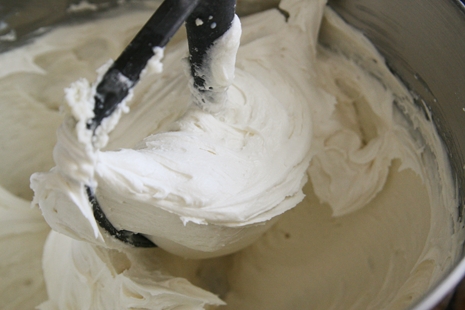
Credit: savorysweetlife.com
Buttercream Basics
Buttercream frosting is a popular choice for cakes and cupcakes. It’s creamy, smooth, and easy to work with. Understanding the basics helps you store and use it better. Here is a simple guide to buttercream essentials.
Types Of Buttercream
- American Buttercream:Made with butter and powdered sugar. Sweet and simple.
- Swiss Meringue Buttercream:Egg whites and sugar are heated, then whipped with butter. Light and silky.
- Italian Meringue Buttercream:Hot sugar syrup is poured into whipped egg whites, then mixed with butter. Smooth and stable.
- French Buttercream:Made with egg yolks, sugar syrup, and butter. Rich and creamy.
Common Ingredients
- Butter or shortening for creaminess
- Powdered sugar for sweetness
- Milk or cream to adjust texture
- Vanilla or other flavor extracts
- Egg whites or yolks in some recipes
Shelf Life At Room Temperature
Buttercream can stay fresh for a short time at room temperature. Usually, 1-2 days is safe. Avoid warm places or direct sunlight. Soft buttercream may melt or spoil quickly. Swiss and Italian types last longer due to cooked egg whites.
Refrigerating Buttercream
Refrigerating buttercream frosting can affect its quality and usability. Understanding when and how to store it helps keep its flavor and texture. Proper refrigeration extends its shelf life without spoiling the taste.
When To Refrigerate
Buttercream should be refrigerated if it contains perishable ingredients like fresh cream or fruit. Use refrigeration when you need to store it for more than a day. Keep it cold during hot weather to prevent melting. Refrigerate decorated cakes with buttercream to keep them fresh longer.
Effects On Texture And Taste
Chilling buttercream makes it firmer and less spreadable. The frosting might become slightly grainy or hard after refrigeration. Let it sit at room temperature before use to soften. Cold buttercream can lose some flavor but stays tasty when properly handled.
How To Store Properly
Store buttercream in an airtight container to avoid moisture and odors. Cover cake surfaces tightly with plastic wrap before refrigerating. Avoid leaving buttercream exposed to air, which causes drying and crusting. Use a clean spoon to prevent contamination when handling.
Thawing And Using Refrigerated Buttercream
Thawing and using refrigerated buttercream requires care to keep its smooth texture. Proper handling helps maintain flavor and spreadability. Knowing how to thaw and refresh buttercream ensures your frosting stays delicious and easy to work with.
Best Thawing Methods
Remove buttercream from the fridge. Let it sit at room temperature for about an hour. Avoid microwaving to prevent melting. For quicker thawing, place the container in a warm water bath briefly. Stir gently during thawing to keep it even.
Restoring Creaminess
After thawing, buttercream may look stiff or grainy. Use a hand mixer on low speed to soften it. Add a small amount of milk or cream if too thick. Mix until smooth and fluffy. Avoid overbeating, which can cause separation.
Tips For Reusing
- Store leftover buttercream in an airtight container.
- Keep it refrigerated if not using soon.
- Always bring it back to room temperature before use.
- Stir or whip lightly before spreading on cakes or cupcakes.
- Use within two weeks for best freshness.
Avoiding Common Mistakes
Avoiding mistakes helps keep buttercream fresh and tasty after refrigeration. Simple errors can spoil the texture and flavor of your frosting. Knowing what to watch for prevents disappointment. Follow these tips to handle buttercream the right way.
Signs Of Spoiled Buttercream
- Unpleasant sour smell or off-odor
- Discoloration or dark spots
- Separation of oils or watery texture
- Mold growth on the surface
Discard frosting at the first sign of spoilage. Trust your senses to detect bad buttercream.
Handling Condensation
Condensation can cause soggy frosting. Avoid sudden temperature changes.
Before refrigerating, cover frosting tightly with plastic wrap. Leave no gaps for moisture.
After refrigeration, let buttercream reach room temperature slowly. This prevents water droplets forming.
Preventing Crust Formation
Crust forms when air dries the frosting surface. Cover buttercream well to stop this.
- Use airtight containers or wrap with plastic wrap
- Press wrap directly on the frosting surface
- Store in a cool, stable place inside the fridge
Proper storage keeps frosting smooth and ready to spread.
Expert Tips And Tricks
Storing buttercream frosting properly can make all the difference in maintaining its texture and flavor. Handling refrigeration with care ensures your frosting stays fresh and creamy without turning grainy or hard. Here are some expert tips and tricks to help you keep your buttercream perfect even after refrigeration.
Ideal Storage Containers
Choosing the right container is key for refrigeration. Use airtight containers to prevent the frosting from absorbing fridge odors or drying out. Glass containers with tight-fitting lids work best, but plastic containers with a good seal can also do the job.
Avoid containers that are too large for the amount of frosting you have. Extra air space speeds up drying and may cause crusting on the surface. If you’re storing small amounts, consider using small jars or plastic wrap pressed directly onto the frosting before sealing.
Adjusting Recipes For Refrigeration
Not all buttercream recipes handle refrigeration equally. Swiss or Italian meringue buttercream tend to hold up better in the fridge compared to American buttercream, which can become grainy. You might want to add a bit more butter or shortening to your recipe to improve stability when chilled.
Adding a teaspoon of corn syrup or glucose can keep the frosting smooth after refrigeration. Also, a small splash of milk or cream when re-whipping chilled buttercream helps restore its creamy texture. Have you tried tweaking your recipe this way to avoid a tough frosting?
Serving Suggestions
Take buttercream out of the fridge about 30 minutes before serving to soften it. If it feels too stiff, gently re-whip it with a hand mixer to bring back its fluffiness. This simple step can transform a hard buttercream into a spreadable and delicious topping.
Consider pairing your chilled buttercream with room-temperature cakes or cupcakes for balanced textures. You can also warm your knife slightly before cutting frosted cakes to avoid cracking the frosting. What’s your favorite tip for serving refrigerated buttercream without losing its charm?

Credit: sallysbakingaddiction.com
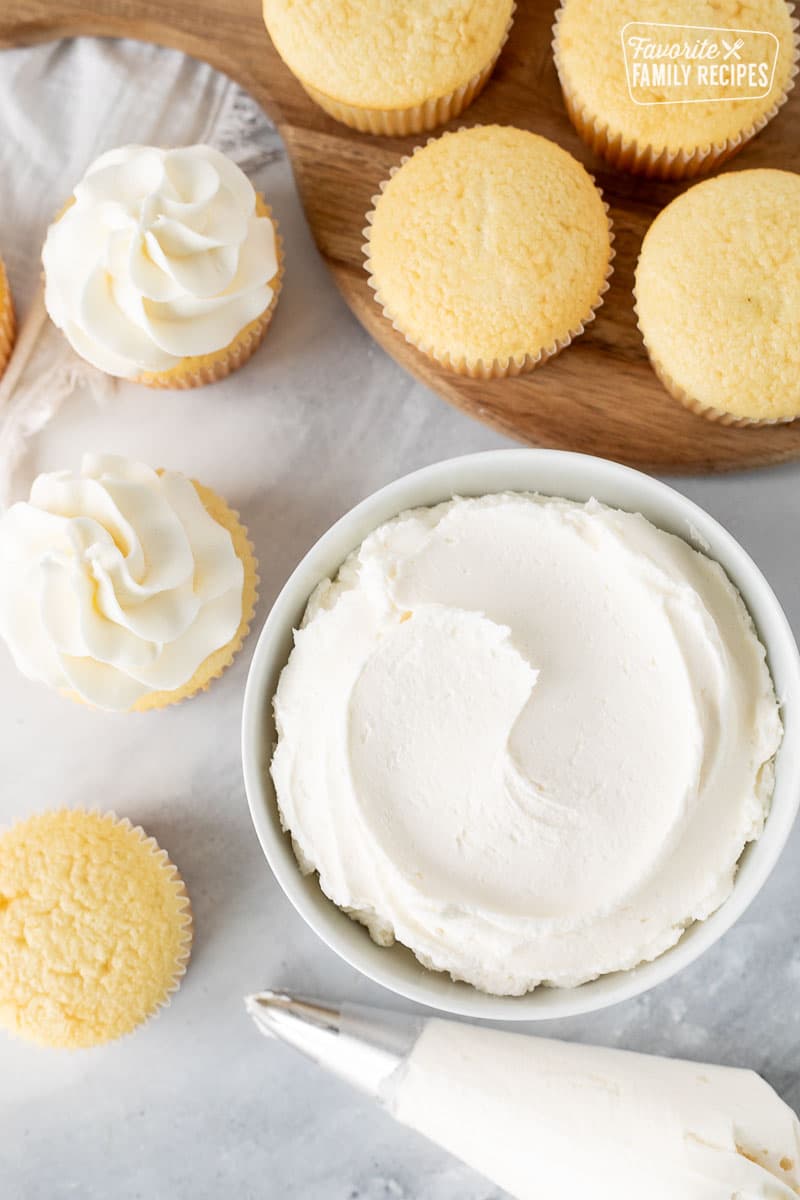
Credit: www.favfamilyrecipes.com
Frequently Asked Questions
Can Buttercream Frosting Be Stored In The Refrigerator?
Yes, buttercream frosting can be refrigerated to extend its freshness. Cover it tightly to prevent drying and odors. Before use, let it come to room temperature and re-whip for best texture.
How Long Does Refrigerated Buttercream Frosting Last?
Refrigerated buttercream frosting typically lasts about 1 to 2 weeks. Properly sealed containers keep it fresh and safe to eat within this time frame.
Does Refrigeration Change Buttercream Frosting Texture?
Refrigeration can make buttercream frosting firm and hard. Allow it to soften at room temperature and re-whip to restore smoothness before using.
Can You Freeze Buttercream Frosting For Later Use?
Yes, buttercream frosting freezes well for up to 3 months. Thaw in the refrigerator overnight and re-whip before applying to cakes or cupcakes.
Conclusion
Refrigerating buttercream frosting is a smart choice. It keeps it fresh. Store it in an airtight container. This prevents it from drying out. Before use, let it sit at room temperature. It softens and becomes easier to spread. Don’t forget to stir well.
This helps restore its smooth texture. Remember, refrigeration extends its shelf life. Keeps your cakes and cupcakes delicious longer. Enjoy your baking adventures with confidence. Buttercream frosting stays tasty and ready!