Have you ever wondered if your air conditioner could be a hidden source of carbon monoxide in your home? It’s a question that might catch you off guard, but it’s important to know the truth.
Carbon monoxide is a silent, deadly gas that you can’t see or smell, yet it poses serious risks. Understanding whether your cooling system can produce this dangerous gas can protect you and your loved ones. Keep reading to uncover the facts and learn how to keep your home safe.

Credit: www.dreamden.ai
Carbon Monoxide Basics
Carbon monoxide is a gas that can be harmful. It has no color, smell, or taste.
People may wonder if air conditioners can produce this gas. Understanding carbon monoxide helps keep homes safe.
What Is Carbon Monoxide
Carbon monoxide is a poisonous gas. It forms when fuels burn without enough oxygen.
Common sources include cars, heaters, and gas stoves. Air conditioners usually do not create carbon monoxide.
Health Risks Of Exposure
Breathing carbon monoxide can cause serious health problems. It stops the body from using oxygen well.
Symptoms include headaches, dizziness, and nausea. High levels can lead to unconsciousness or death.
- Headache
- Dizziness
- Nausea
- Confusion
- Loss of consciousness
Credit: www.diychatroom.com
Sources Of Carbon Monoxide Indoors
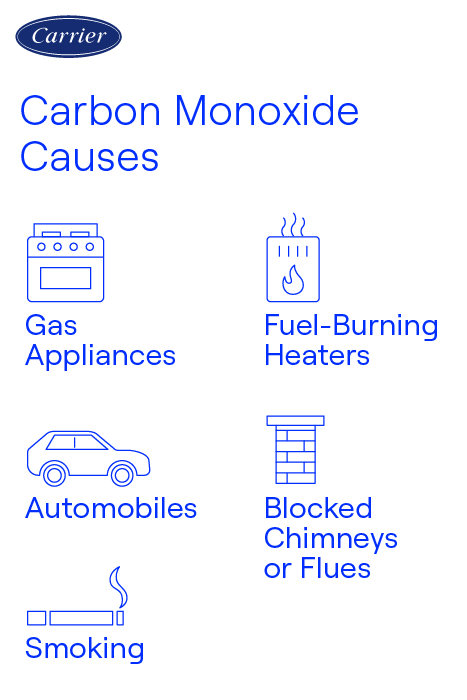
Carbon monoxide (CO) is a harmful gas that can build up inside homes. It has no smell or color, so it is hard to detect without a detector.
Many household items and appliances can release carbon monoxide. Knowing the sources helps keep your home safe.
Common Household Emitters
Some everyday appliances can produce carbon monoxide. They burn fuel like gas, oil, or wood to work.
These emitters include:
- Gas furnaces and heaters
- Wood-burning fireplaces and stoves
- Gas water heaters
- Gas ovens and stoves
- Clothes dryers that use gas
- Portable generators and grills
Unlikely Sources
Some items rarely produce carbon monoxide. Air conditioners are one of these unlikely sources.
Air conditioners do not burn fuel. They cool air using electricity, so they do not create carbon monoxide.
Other unlikely sources include:
- Electric heaters
- Air purifiers
- Fans and ventilation systems
- Dehumidifiers
Air Conditioners And Carbon Monoxide
Many people wonder if air conditioners can produce carbon monoxide. Carbon monoxide is a dangerous gas that can harm health. It is important to understand if your AC can cause this risk.
This article explains how carbon monoxide relates to air conditioners. You will learn which types of AC systems might have risks.
Can Ac Units Produce Carbon Monoxide
Most air conditioners do not produce carbon monoxide. This gas comes from burning fuel, like gas or oil. Many AC units run on electricity only, so they do not create carbon monoxide.
Some systems combine heating and cooling. These systems might use gas to heat air. If the heater part is not working well, it can leak carbon monoxide.
- Electric-only air conditioners do not produce carbon monoxide.
- Gas or oil heaters can release carbon monoxide if faulty.
- Proper maintenance prevents leaks and keeps air safe.
- Carbon monoxide detectors help warn about dangerous levels.
Types Of Ac Systems And Risks
There are different types of air conditioning systems. Each has different risks for carbon monoxide.
| AC System Type | Fuel Source | Carbon Monoxide Risk |
| Window AC Unit | Electric | No risk |
| Central AC with Electric Furnace | Electric | No risk |
| Central AC with Gas Furnace | Gas | Risk if furnace leaks |
| Heat Pump | Electric | No risk |
| Gas-Powered HVAC Combo | Gas | Risk if not maintained |
Always check your system type. If it uses gas, keep it inspected yearly. Fix any leaks quickly. Use carbon monoxide alarms near the system.
Fuel-burning Appliances Linked To Ac
Carbon monoxide can come from appliances that burn fuel. These appliances include some that work with your air conditioner system. It is important to know how they connect and what risks they pose.
This article covers common fuel-burning appliances linked to air conditioning. It also explains ventilation and exhaust problems that can cause carbon monoxide leaks.
Furnaces And Heat Pumps
Furnaces burn natural gas, oil, or propane to heat your home. Some air conditioners are combined with these furnaces in one system. Heat pumps use electricity but can have backup fuel burners.
- Gas furnaces burn fuel and may produce carbon monoxide.
- Oil furnaces also create carbon monoxide if not maintained.
- Heat pumps with fuel backup can release carbon monoxide.
- Poor furnace maintenance increases carbon monoxide risks.
Ventilation And Exhaust Issues
Proper ventilation and exhaust systems keep carbon monoxide outside your home. Blocked vents or damaged pipes can trap this gas indoors. This creates a dangerous environment for your family.
| Problem | Cause | Effect |
| Blocked Vent | Debris or snow | Carbon monoxide buildup |
| Cracked Exhaust Pipe | Wear and tear | Gas leaks inside home |
| Poor Airflow | Improper installation | Gas not vented properly |
| Closed Combustion Air | Sealed rooms | Fuel burns inefficiently |
Signs Of Carbon Monoxide Leaks
Carbon monoxide (CO) is a dangerous gas that can come from some appliances. It is colorless and odorless, so it is hard to detect. Air conditioners can sometimes cause CO leaks if they use fuel-burning parts or share vents.
Knowing the signs of a carbon monoxide leak can keep you safe. Watch for symptoms and check your air conditioner for problems regularly.
Symptoms To Watch For
Breathing in carbon monoxide can cause health problems. Early symptoms often look like the flu but without a fever. Pay attention if you or your family feel these signs while near your air conditioner.
- Headaches that start suddenly
- Dizziness or feeling lightheaded
- Nausea or vomiting
- Fatigue or weakness
- Shortness of breath
- Confusion or difficulty thinking
- Chest pain, especially for heart patients
If these symptoms improve when you leave the house, carbon monoxide may be the cause. Always take these signs seriously and check your air conditioning system.
Detecting Co Near Air Conditioners
Carbon monoxide can leak near air conditioners that have fuel-powered parts or share ventilation with heating systems. It is important to check for proper ventilation and any strange smells or sounds.
- Look for yellow or flickering flames in fuel-burning units
- Listen for unusual noises from vents or units
- Check for soot or rust around the air conditioner
- Use a carbon monoxide detector near the unit
- Inspect vents for blockages or damage
Carbon monoxide detectors are the best way to find leaks early. Place them near your air conditioner and test them monthly to ensure they work.
Credit: www.carrier.com
Prevention And Safety Tips
Carbon monoxide can be dangerous if it leaks into your home. It is important to take steps to prevent it. Air conditioners can sometimes cause this problem if not maintained well.
Use these safety tips to keep your home safe from carbon monoxide poisoning. Regular checks and good habits help protect your family.
Regular Maintenance
Clean and check your air conditioner often. Dirt and damage can block parts and cause gas leaks. Schedule yearly inspections with a professional technician.
- Change air filters every 1-3 months
- Clean vents and ducts regularly
- Check for unusual smells or noises
- Fix any damage or leaks quickly
Installing Co Detectors
Install carbon monoxide detectors near air conditioners and bedrooms. These devices alert you if CO levels rise. Test them monthly and change batteries yearly.
| Location | Recommended Height | Notes |
| Near Air Conditioner | 5 feet above floor | Detects leaks early |
| Bedrooms | On the wall or ceiling | Alerts sleeping occupants |
| Hallways | Between rooms | Covers multiple areas |
Proper Ventilation
Good airflow helps prevent carbon monoxide buildup. Keep vents and windows clear. Avoid blocking exhaust pipes and ducts.
Tips for better ventilation:
- Open windows when running air conditioning in fresh air mode
- Keep exhaust vents outside and unblocked
- Do not use fuel-burning devices indoors without ventilation
- Ensure attic and crawl spaces are ventilated
Emergency Steps If Co Is Suspected
Carbon monoxide (CO) is a dangerous gas that can come from an air conditioner if it is faulty. Knowing what to do immediately can save lives. Follow these emergency steps if you think CO is present.
Act quickly and safely to protect yourself and others. Do not ignore symptoms like headache, dizziness, or nausea.
Immediate Actions
If you suspect carbon monoxide in your home, take these actions right away to stay safe.
- Open all windows and doors to ventilate the area.
- Turn off the air conditioner and any fuel-burning appliances.
- Leave the building immediately and go to fresh air.
- Do not re-enter the building until it is declared safe.
- Check if anyone has symptoms of CO poisoning and call emergency services if needed.
When To Call Professionals
Contact trained experts to handle a suspected carbon monoxide problem. They have the tools to find and fix the source safely.
| Situation | Professional Help Needed |
| CO alarm sounds | Call emergency services immediately |
| Symptoms of CO poisoning appear | Seek medical help and notify professionals |
| Suspicion of CO from air conditioner | Contact HVAC technician for inspection |
| Repeated CO alarms | Schedule a full home safety check |
Frequently Asked Questions
Can Carbon Monoxide Be Emitted By Air Conditioners?
No, air conditioners do not emit carbon monoxide. They cool air but do not burn fuel, which is the main source of carbon monoxide.
How Does Carbon Monoxide Enter Homes If Not From Ac?
Carbon monoxide typically enters homes through faulty furnaces, gas stoves, or blocked vents, not from air conditioners.
Can Malfunctioning Hvac Systems Cause Carbon Monoxide Leaks?
Yes, malfunctioning heating components in HVAC systems can cause carbon monoxide leaks, but the AC unit itself does not.
Is It Safe To Run An Air Conditioner During A Carbon Monoxide Leak?
Running an air conditioner during a carbon monoxide leak does not increase risk, but it won’t remove the gas either.
Conclusion
Air conditioners don’t produce carbon monoxide. They use electricity, not fuel. Carbon monoxide comes from burning fuel. Cars and heaters are common sources. So, check them regularly. Keep your home safe with detectors. Know the dangers of carbon monoxide. Protect your family with regular maintenance.
Air conditioners are safe from this risk. Remember to maintain them for efficiency. Stay informed and vigilant. Your safety is important.