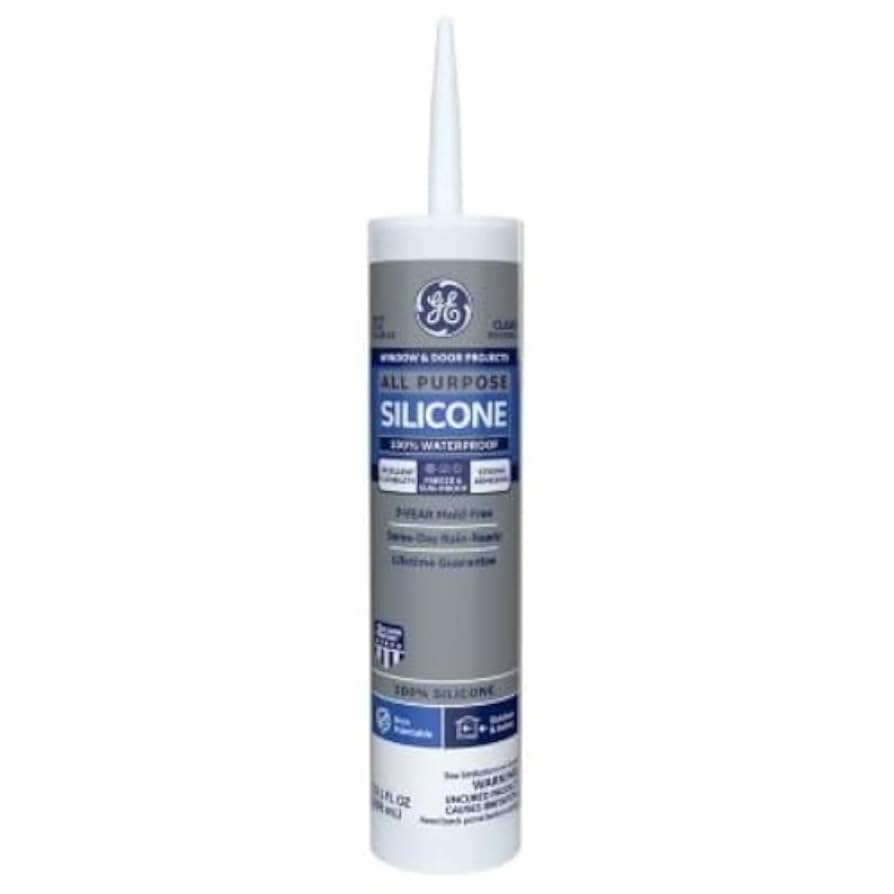
Have you ever wondered if caulking can freeze? Imagine this: It’s a chilly winter morning, and you’re about to start a home improvement project.
You reach for your trusty tube of caulk, only to realize it’s been sitting in a cold garage all night. Now you’re left asking, “Can caulking freeze, and if so, what does it mean for my project? ” Understanding how temperature affects caulking is crucial, not just for the success of your DIY endeavors, but also for maintaining the longevity of your home.
We’ll delve into what freezing temperatures can do to caulking, how it impacts its effectiveness, and what steps you can take to ensure your work isn’t compromised. Stay with us, because what you discover might just save you time, money, and a whole lot of frustration.

Credit: www.canadiantire.ca
Caulking Basics
Understanding the basics of caulking is essential before tackling any sealing or repair job around your home. Caulking helps fill gaps, prevent drafts, and keep moisture out, but knowing what caulk is and how it behaves can save you from costly mistakes. Have you ever wondered what exactly caulk is made of and whether it can withstand freezing temperatures? Let’s break down the essentials.
What Is Caulking
Caulking is a flexible material used to seal joints and cracks in buildings. It prevents water, air, and insects from entering through gaps. You usually find it in tubes, ready to be squeezed out and applied where needed.
Think of caulking as the barrier that stops leaks and drafts around your windows, doors, and plumbing fixtures. Without it, your home could lose heat or let in moisture that causes damage over time.
Types Of Caulk
Not all caulks are the same; each type has a specific use and composition. Here are the most common types:
- Acrylic Latex Caulk:Easy to apply and paintable. It works well indoors for small cracks and gaps but isn’t very water-resistant.
- Silicone Caulk:Highly flexible and waterproof. Ideal for bathrooms and kitchens where moisture is a concern.
- Polyurethane Caulk:Durable and sticks well to many surfaces. It’s perfect for exterior projects exposed to weather.
- Butyl Rubber Caulk:Great for outdoor use, especially on metal and masonry. It remains flexible but takes longer to dry.
Choosing the right type depends on where you plan to use it and the environmental conditions it will face. Have you checked the label on your caulk tube to see if it suits your project?
Common Uses Around The Home
Caulking plays a big role in home maintenance and comfort. You’ll find it in places like:
- Sealing gaps around windows and doors to stop drafts and improve energy efficiency.
- Filling cracks in bathroom tiles and sinks to prevent water damage and mold growth.
- Sealing joints in siding, gutters, and roofing to keep out rain and pests.
- Sealing gaps around plumbing pipes to prevent leaks and drafts.
When you spot a gap or crack, ask yourself: is it letting cold air in or moisture out? Caulking is often a quick fix that can make a big difference in your home’s comfort and protection.
How Cold Affects Caulk
Cold weather can have a surprising effect on caulk, altering its texture and performance. Understanding how temperature impacts caulk helps you decide the best time to apply it and how to maintain it through winter. Let’s take a closer look at what happens when caulk encounters freezing temperatures.
Freezing Point Of Caulk
Caulk does not freeze at a single fixed temperature because its composition varies. Most silicone and acrylic caulks start to harden below 32°F (0°C), but some types with added antifreeze agents can tolerate colder temperatures.
Keep in mind that water-based caulks are more susceptible to freezing, which can cause them to become brittle. Have you checked the product label to see the recommended temperature range before applying caulk outdoors?
Signs Of Frozen Caulk
Frozen caulk loses its flexibility and becomes rigid or cracked. You might notice it peeling away from surfaces or crumbling when touched.
If you see white, chalky patches or a loss of adhesion, these are common signs that the caulk has frozen. Catching these signs early can save you from costly repairs later.
Impact On Caulk Performance
When caulk freezes, it can no longer expand or contract with temperature changes, leading to gaps and leaks. This reduces its effectiveness in sealing moisture and air, which can increase energy bills and cause water damage.
Applying caulk in freezing conditions often results in poor adhesion and premature failure. Have you ever noticed cracks forming around windows during winter? Frozen caulk is usually the culprit behind such problems.
Preventing Caulk From Freezing
Caulk can freeze in cold weather, causing cracks and loss of seal. Preventing this damage helps keep your home safe and energy-efficient. Taking steps before winter avoids costly repairs later.
Choosing The Right Caulk For Cold
Use caulk designed for low temperatures. Silicone and polyurethane caulks remain flexible in cold weather. Avoid latex caulk; it often cracks when frozen. Look for products labeled “winter” or “cold weather.” This ensures the caulk cures properly.
Proper Application Techniques
Apply caulk when temperatures are above freezing. Clean surfaces thoroughly before applying. Remove old, loose caulk for better adhesion. Use a caulking gun for even application. Smooth the bead with a wet finger or tool. Avoid thick layers that take longer to dry.
Maintaining Caulk In Winter
Inspect caulk lines regularly in winter months. Repair small cracks immediately to stop water entry. Use a sealant to protect caulk from ice buildup. Clear snow and ice away from caulked areas. Keep gutters clean to prevent water pooling near seals.

Credit: www.reddit.com
Repairing Frozen Or Damaged Caulk
Frozen or damaged caulk can cause leaks and reduce energy efficiency. Fixing it quickly protects your home from water and cold air. Careful repair improves the look and function of windows and doors. Follow these steps to make the repair process smooth and effective.
Removing Old Or Frozen Caulk
Start by softening the caulk with a heat gun or warm water. Use a putty knife or caulk remover tool to scrape away the old material. Remove every bit to ensure the new caulk sticks well. Clean the area with rubbing alcohol to remove dirt and oils.
Preparing Surfaces For Recaulking
Dry the surface completely before applying new caulk. Check for cracks or gaps and clean loose debris. Use painter’s tape to protect nearby areas for a neat finish. Make sure the surface is smooth to help the caulk bond better.
Best Practices For Winter Repairs
- Choose caulk labeled for low-temperature use.
- Apply caulk on dry, above-freezing days.
- Work in small sections for better control.
- Allow extra drying time in cold weather.
- Wear gloves to keep hands warm and clean.
Following these tips helps the new caulk last longer. Proper repair keeps your home safe and comfortable during winter.
Protecting Your Home From Cold Damage
Protecting your home from cold damage is essential during winter months. Cold weather can cause many problems, including frozen caulking. Frozen caulking loses its flexibility and can crack, leaving gaps for cold air to enter. These gaps increase heating costs and damage your home’s structure.
Taking steps to prevent cold damage helps keep your home warm and safe. Proper sealing and insulation reduce heat loss. Regular maintenance ensures your home stays protected throughout winter.
Sealing Windows And Doors
Windows and doors are common places for cold air to enter. Use quality caulking to seal cracks and gaps around frames. Check old caulk for cracks or peeling and replace it. Weatherstripping can add extra protection by blocking drafts. Make sure the seals are tight but flexible to prevent freezing.
Insulating Vulnerable Areas
Some areas in your home are more vulnerable to cold damage. Insulate spaces around pipes, vents, and attics to keep cold air out. Use foam sealants or insulated panels for better protection. Proper insulation stops cold air from reaching caulking and freezing it. It also reduces moisture build-up, which can damage materials.
Routine Home Maintenance Tips
- Inspect caulking regularly for cracks or gaps.
- Clean surfaces before applying new caulk for better adhesion.
- Choose caulk designed for cold weather and flexible movement.
- Keep gutters clean to prevent ice dams and water damage.
- Check doors and windows for proper operation and sealing.
- Fix leaks and moisture problems promptly to avoid damage.

Credit: www.amazon.ca
Frequently Asked Questions
Can Caulking Freeze After Application?
Yes, caulking can freeze if exposed to low temperatures before it fully cures. Freezing may cause it to crack or lose adhesion. Always apply caulk in temperatures above the manufacturer’s recommended range to ensure proper curing and durability.
Does Frozen Caulking Affect Its Sealing Ability?
Frozen caulking can lose its flexibility and adhesion, reducing its sealing effectiveness. Once thawed, it may crack or peel, allowing moisture to enter. Proper application in suitable temperatures is crucial for a long-lasting seal.
How To Prevent Caulking From Freezing?
Apply caulking during warm weather or in temperatures above 40°F (4°C). Store caulk indoors before use to keep it from freezing. Avoid applying caulk in cold, damp conditions to ensure it cures properly and maintains its integrity.
Can Old Caulking Freeze And Deteriorate?
Yes, old caulking exposed to freezing temperatures can become brittle and crack. This leads to gaps and water infiltration. Regular inspection and timely replacement help maintain effective sealing and prevent damage caused by frozen caulk.
Conclusion
Caulking can freeze in very cold weather, affecting its performance. Frozen caulk may crack or lose its seal, causing leaks. Choose the right type of caulk for cold conditions. Apply caulk when temperatures are above freezing for best results. Proper storage helps keep caulk ready for use.
Regular checks prevent damage caused by freezing. Taking these steps protects your home from drafts and moisture. Stay mindful of weather when working with caulk. Simple care keeps your caulking strong through winter.