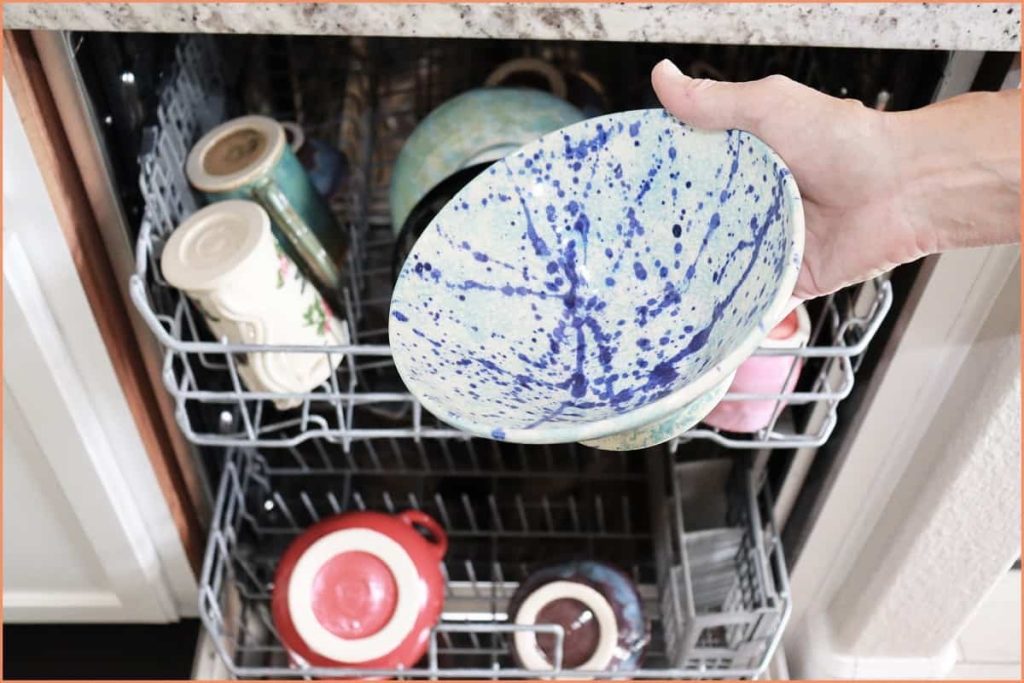
Are you tired of standing over the sink, scrubbing away at your ceramic dishes? You’ve likely wondered if it’s safe to pop them in the dishwasher instead.
Imagine saving time and effort with just a simple push of a button. But, before you make the switch, you need to know if your cherished ceramic pieces can truly withstand the dishwasher’s cycle. No one wants to risk damaging their favorite dishes.
We’ll uncover the truth about whether your ceramics belong in the dishwasher. Stay with us to discover how you can protect your dinnerware and simplify your cleaning routine.

Credit: potterycrafters.com
Ceramic Dishwasher Safety
Understanding ceramic dishwasher safety is essential if you want to keep your favorite dishes looking great. Not all ceramics are created equal, and knowing which types can handle the dishwasher’s heat and water pressure will save you from costly damage. Let’s take a closer look at which ceramics are dishwasher safe and what risks you should watch out for.
Types Of Ceramic Safe For Dishwashers
Not all ceramics can survive a trip through your dishwasher. Those made from porcelain and stoneware often handle the dishwasher well because they are fired at high temperatures, making them more durable.
Glazed ceramics with a smooth, non-porous finish usually resist water absorption and staining during the wash cycle. If your ceramic piece has a dishwasher-safe label or is marked as microwave safe, it’s often safe for the dishwasher too.
- Porcelain dishes and mugs
- Stoneware plates and bowls
- High-fired ceramics with sealed glazes
However, delicate ceramics like earthenware or hand-painted pottery often require hand washing to preserve their finish. Have you noticed if your ceramics chip or fade after dishwasher use? This is a clue they may not be safe for dishwasher cleaning.
Common Risks Of Dishwasher Cleaning
Dishwashers expose ceramics to intense heat and strong water jets, which can cause several problems. Thermal shock is a common risk—this happens when hot water suddenly hits a cold ceramic piece, causing cracks.
Repeated dishwasher cycles can also dull the glaze, making your ceramics look old and worn faster. Sometimes, dishwasher detergents contain harsh chemicals that strip away delicate finishes or painted designs.
- Cracking or chipping from thermal shock
- Fading or dulling of glaze and paint
- Water spots or mineral deposits on porous ceramics
- Loosening of metallic decorations or gold trim
Think about your favorite ceramic mug—would you want it to lose its shine or develop cracks just because it went through the dishwasher? Sometimes, a quick hand wash with mild soap is the best way to protect your ceramics for the long run.

Credit: potterycrafters.com
Preparing Ceramic For Cleaning
Preparing your ceramic pieces for cleaning is a crucial step to keep them looking beautiful and lasting longer. It’s not just about tossing them into the dishwasher; understanding how to handle your ceramic items beforehand can save them from damage.
Have you ever noticed your favorite ceramic mug losing its shine after a few dishwasher cycles? That often happens when the ceramic isn’t properly prepared for cleaning. Let’s take a closer look at what you should do before washing.
Checking Manufacturer Instructions
Before you do anything, check the care label or manufacturer’s instructions. Some ceramics are dishwasher safe, while others require hand washing to avoid cracks or fading.
If you don’t have the original packaging, try looking up the brand online. Many manufacturers provide detailed care guides on their websites. Ignoring this step might cost you a cherished piece.
Removing Stains And Residue
Stains and leftover residue can become stubborn if left unaddressed before washing. Scrape off any food particles gently using a plastic or wooden utensil to avoid scratching the surface.
For tougher stains, apply a paste of baking soda and water directly on the spot. Let it sit for a few minutes before rinsing. This simple trick often revives ceramic’s original brightness without harsh chemicals.
Choosing The Right Dishwasher Settings
Choosing the right dishwasher settings protects your ceramic dishes from damage. Ceramics can be delicate, so care is essential. Proper settings keep your items clean and safe for longer use.
Selecting Gentle Cycles
Use gentle or delicate cycles for ceramic items. These cycles use slower water pressure and less intense washing action. This reduces the risk of chipping or cracking your ceramics. Avoid heavy or intense cycles that may harm the surface.
Many dishwashers have a “china” or “glassware” setting. These are ideal for ceramics because they provide careful cleaning. Check your dishwasher manual to find the gentlest option available.
Temperature And Detergent Tips
Set the water temperature to warm, not hot. High heat can cause cracks or fading in ceramic glazes. Warm water cleans effectively without stressing the materials.
Choose a mild detergent designed for delicate items. Harsh detergents can wear down ceramic surfaces over time. Avoid strong bleach or abrasive powders that may dull the finish.
Rinse aids help prevent spotting on ceramics. Use them sparingly to keep your dishes shiny and smooth. Proper detergent and temperature choices extend the life of your ceramic ware.
Handwashing Vs Dishwasher
Deciding whether to handwash or put your ceramic dishes in the dishwasher can impact their longevity and appearance. Both methods have their pros and cons, and understanding when each is appropriate helps you care for your ceramics better. Let’s look closely at when you should avoid the dishwasher and why handwashing might be the safer option for your valuable pieces.
When To Avoid The Dishwasher
Not all ceramics handle the dishwasher well. If your ceramic has delicate hand-painted designs, metallic trims, or a matte finish, the dishwasher’s heat and strong detergents can cause fading or damage.
Also, older or vintage ceramics often have glazes that aren’t dishwasher-safe. The high temperatures and water pressure can cause cracks or crazing over time.
Ask yourself: Does the manufacturer recommend dishwasher use? If not, it’s better to skip it. Avoid placing chipped or cracked ceramic in the dishwasher since it may worsen the damage.
Benefits Of Handwashing Ceramic
Handwashing gives you control over water temperature and pressure, which means gentle cleaning tailored to your ceramic’s needs. You can use mild soap and a soft sponge to avoid scratches and maintain the finish.
When I started handwashing my grandmother’s ceramic bowls, I noticed they retained their shine much longer compared to when I used the dishwasher. It’s a simple step that protects the art and history behind each piece.
Handwashing also lets you quickly spot any chips or cracks before they worsen. Plus, it’s an easy way to add a personal touch to your kitchen care routine.
Maintaining Ceramic Durability
Maintaining the durability of your ceramic pieces is key to enjoying their beauty and function over time. Ceramics can be surprisingly sturdy, but they need some care to stay that way. Simple habits can prevent damage and keep your items looking fresh and intact.
Avoiding Chips And Cracks
Ceramics can chip or crack if they bump into hard surfaces or if exposed to sudden temperature changes. When loading your dishwasher, avoid placing ceramic items too close to metal utensils or heavier dishes. This prevents collisions during the washing cycle.
Think about how you handle fragile glassware—gentle placement matters. Also, never put cold ceramics directly into a hot dishwasher; the shock can cause cracks. Let your ceramics reach room temperature before washing to protect their structure.
Proper Storage After Washing
After washing, storing your ceramics properly helps prevent damage. Stack plates with a soft cloth or paper towel between them to avoid scratches. For cups and bowls, avoid overcrowding shelves—each piece needs space to stay safe.
Have you noticed how a crowded cabinet often leads to accidental chips? Give your ceramics room to breathe and reduce the chance of them knocking against each other. This small step can extend the life of your favorite pieces significantly.

Credit: potterycrafters.com
Expert Cleaning Hacks
Caring for ceramic items requires smart cleaning tips. These expert hacks keep your ceramics spotless and safe. They help maintain shine and prevent damage during washing. Use these ideas to clean ceramics without worry.
Using Natural Cleaning Agents
Natural cleaners protect ceramic surfaces better than harsh chemicals. Baking soda removes stains gently without scratching. White vinegar dissolves mineral deposits and brightens dull areas. Lemon juice works as a mild bleach and freshener. Mix these agents with water for safe, effective cleaning. Avoid strong acids or bleach that can harm the glaze.
- Sprinkle baking soda on stains, scrub lightly with a damp cloth.
- Soak ceramics in a vinegar-water solution for 10 minutes.
- Use lemon juice for tough spots, rinse well after.
- Rinse thoroughly to remove any residue.
Extending Ceramic Lifespan
Handle ceramics with care to keep them lasting longer. Avoid sudden temperature changes that cause cracks. Use gentle dishwashing cycles or hand wash delicate pieces. Dry ceramics carefully with a soft towel. Store them safely to prevent chips and scratches.
- Do not overload the dishwasher rack.
- Place ceramics away from heavy items.
- Use low heat drying settings.
- Check for cracks before washing to avoid breakage.
Frequently Asked Questions
Can Ceramic Dishes Go In The Dishwasher Safely?
Yes, most ceramic dishes are dishwasher safe. However, avoid high heat cycles to prevent cracks or fading. Always check the manufacturer’s instructions before placing ceramics in the dishwasher.
Will Dishwasher Damage Ceramic Coatings Or Glazes?
Dishwashers can sometimes dull ceramic glazes over time. Use gentle cycles and mild detergents to protect the finish. Hand washing is recommended for delicate or hand-painted ceramics.
How To Prevent Ceramic Chips In The Dishwasher?
Place ceramics securely to avoid movement during washing. Avoid overcrowding and use the top rack for delicate items. This reduces the risk of chipping or breaking.
Are All Ceramic Types Dishwasher Safe?
Not all ceramics are dishwasher safe. Porcelain and stoneware usually are, but handmade or antique ceramics may require hand washing. Always verify care labels before washing.
Conclusion
Ceramic dishes often fit in dishwashers, but check care labels first. Some ceramics handle dishwasher heat and water well. Others may crack or fade with repeated washing. Hand washing keeps delicate pieces safe and bright. Use gentle detergent and avoid harsh scrubbing.
Proper care helps your ceramic last longer and look nice. Choose the cleaning method that suits your dish type. Simple steps protect your ceramics and save time. Dishwasher use depends on the ceramic’s quality and design. Keep your dishes clean without risking damage.