
Have you ever wondered what happens when you put a bottle of champagne in the freezer? It’s a question that might pop into your mind when you’re short on time and in desperate need of a quick chill.
You might think, “Can champagne freeze? ” The answer might surprise you! Before you make any hasty decisions, let’s dive into the bubbly world of champagne and find out what actually happens when it hits those icy temperatures. This isn’t just about saving a bottle; it’s about understanding the delicate science that makes champagne the luxurious drink we all love.
Stick around, because we’re about to uncover some fizz-tastic facts that could save your next celebration from turning into a frozen disaster!

Credit: www.vinovest.co
Champagne Basics
Understanding the basics of Champagne can change how you store and enjoy this sparkling delight. Before we dive into whether Champagne can freeze, let’s look at what makes it unique and how its components affect its behavior in cold temperatures.
What Is Champagne Made Of
Champagne is a sparkling wine produced in the Champagne region of France. It is made primarily from three grape varieties:
- Chardonnay– a white grape providing crispness and elegance
- Pinot Noir– a black grape adding body and structure
- Pinot Meunier– another black grape contributing fruitiness and softness
The magic happens through a second fermentation inside the bottle, which creates those tiny bubbles you love. This process traps carbon dioxide, making Champagne fizzy and lively.
Alcohol Content And Its Effects
Champagne typically has an alcohol content between 11% and 12.5%. Alcohol lowers the freezing point of liquids, so Champagne doesn’t freeze at the same temperature as plain water.
Have you ever left a bottle of Champagne in the freezer to chill quickly, only to find it still liquid after 30 minutes? That’s because its alcohol and sugar content keep it from freezing easily.
Still, if the temperature drops low enough—usually below about -5°C (23°F)—Champagne can freeze. This can cause the bottle to expand and sometimes even crack. Knowing this helps you avoid ruining a bottle by storing it too cold.
Freezing Point Of Champagne
Understanding the freezing point of champagne helps you avoid unpleasant surprises during storage or chilling. Unlike water, champagne has unique properties that affect its freezing temperature. Knowing these details ensures your bubbly stays fresh and enjoyable.
How Alcohol Lowers Freezing Point
Alcohol in champagne lowers its freezing point because it disrupts the formation of ice crystals. The higher the alcohol content, the colder it needs to be to freeze. This means champagne won’t freeze at the usual 32°F (0°C) like water.
Your typical champagne has about 12% alcohol by volume, which significantly reduces its freezing temperature. This is why you can safely chill it in a freezer without worrying it will turn solid quickly. But what happens if you leave it too long?
Typical Freezing Temperature Range
Champagne generally freezes between -5°F and -7°F (-20°C to -22°C). This range depends on factors like alcohol content and sugar levels. Sweet champagnes may freeze at a slightly higher temperature than dry ones.
Have you ever accidentally left a bottle in the freezer and found it still liquid but extremely cold? That’s because most home freezers don’t reach the freezing point of champagne. However, if frozen, the bubbles can burst and spoil the texture.
- Standard freezer temperature: around 0°F (-18°C)
- Champagne freezing point: about -5°F to -7°F (-20°C to -22°C)
- Risk of freezing increases if freezer temperature drops or bottle left too long
Knowing this, you can better control how you chill your champagne for parties or celebrations. Would you risk freezing your favorite bottle to get it extra cold, or keep it safe above freezing for the best taste?
What Happens When Champagne Freezes
Freezing champagne changes its nature in several ways. The cold turns the liquid into ice crystals. This affects both taste and texture, altering the overall experience. The pressure inside the bottle also changes, raising safety issues worth knowing.
Changes In Flavor And Texture
Freezing champagne breaks down its bubbles. The sparkling fizz fades as carbon dioxide escapes. The taste becomes flat and dull. The delicate balance of sweetness and acidity shifts.
Ice crystals can damage the wine’s structure. This leads to a watery or grainy texture. The original smoothness and creaminess disappear. The aroma also weakens, losing its fruity and floral notes.
Bottle Safety Concerns
Champagne bottles are under high pressure. Freezing causes the liquid to expand. This can crack or shatter the glass. Broken bottles pose a risk of injury.
Even if the bottle doesn’t break, the cork may pop out. The pressure from expanding ice pushes the cork forcefully. This can create a mess or cause harm.
Always handle frozen champagne with care. Avoid storing it in the freezer for long periods. Let it thaw slowly in the fridge to reduce risks.
Freezing Champagne: Common Myths
Freezing champagne is a topic surrounded by many myths that often confuse people about whether it’s safe or even effective. You might wonder if popping a bottle into the freezer is a quick way to chill it or if it risks ruining your bubbly. Let’s clear up some common misconceptions and give you practical advice on handling champagne in cold temperatures.
Can You Freeze Champagne To Chill It Faster
It might seem logical to freeze champagne to get it cold quickly. But freezing can actually alter the taste and texture of your bubbly. The cold temperature causes the liquid to expand, which can push the cork out or damage the bottle.
Instead of freezing, try chilling champagne in an ice-water bath with salt. This method cools the bottle evenly and faster without the risk of freezing. Have you ever noticed how a warm champagne bottle loses its sparkle? Keeping it just cold enough preserves the bubbles and flavor.
Will Frozen Champagne Explode
Yes, frozen champagne can explode. The liquid inside expands as it freezes, increasing pressure inside the bottle. This pressure can cause the cork to pop unexpectedly or the glass to shatter.
Think about how you handle soda cans in the freezer. Champagne is similar but even more pressurized because of the carbonation. So, freezing your champagne is not just risky for your drink but also for your safety.
Best Practices For Storing Champagne
Storing champagne properly keeps its flavor and bubbles fresh. Poor storage can spoil the taste or cause the bottle to break. Understanding the best ways to keep champagne safe helps avoid common problems.
Ideal Temperature For Storage
Champagne needs cool, steady temperatures for the best taste. The perfect range is between 45°F and 55°F (7°C to 13°C). Avoid warm places or areas with large temperature changes. Keep bottles away from direct sunlight. A dark, cool room or wine fridge works well.
Avoiding Freezing Accidents
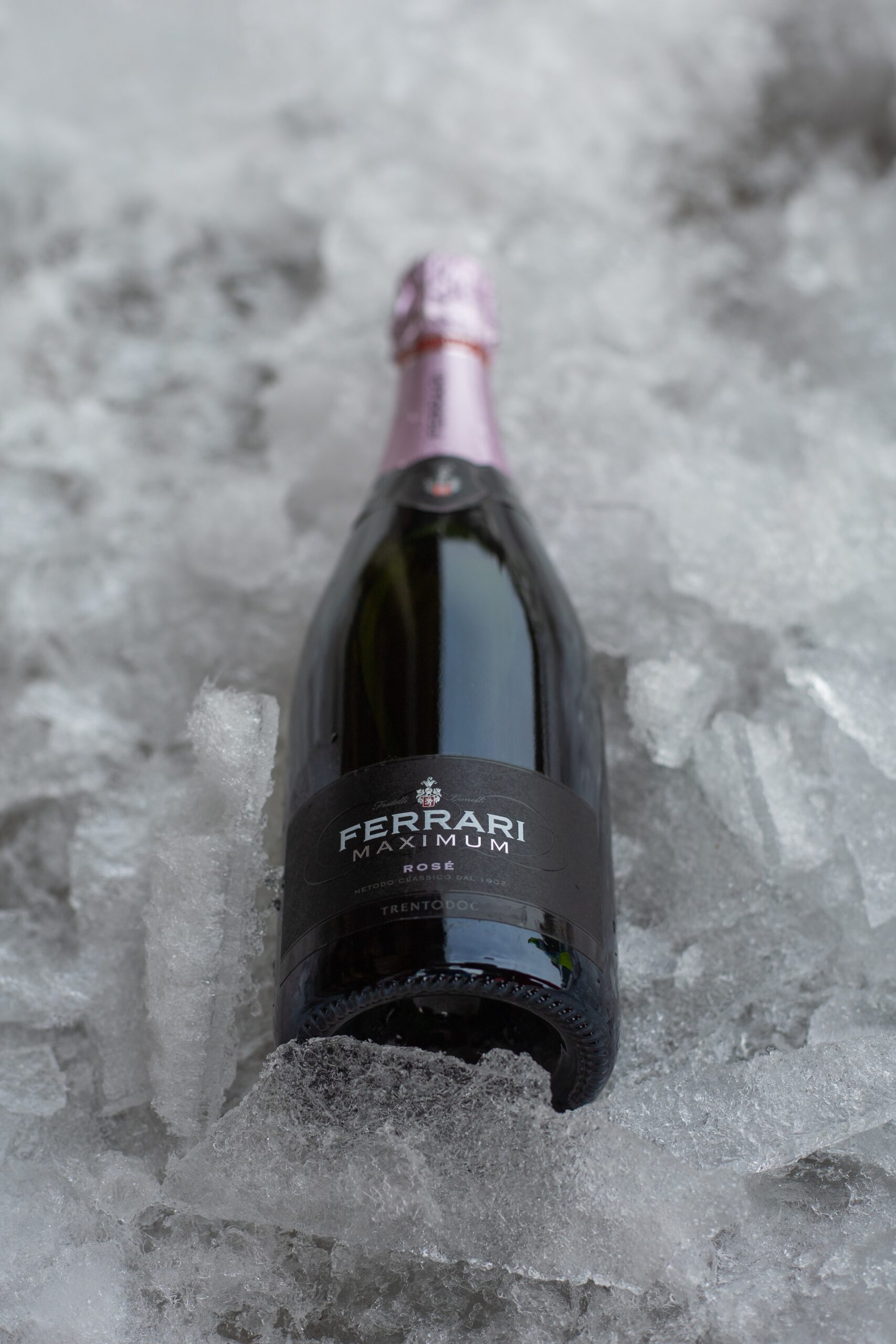
Champagne can freeze if stored below 32°F (0°C). Frozen champagne expands and may break the bottle or push out the cork. Never place champagne in a freezer for long storage. If chilling fast, only keep it in the freezer for 20-30 minutes. Always check the temperature before putting champagne in cold places.
Credit: choicewineries.com
Using Frozen Champagne
Using frozen champagne might sound unusual, but it opens up interesting possibilities beyond just popping a chilled bottle. Once champagne freezes, its texture and taste can change, but that doesn’t mean it has to go to waste. Understanding how to use frozen champagne can help you avoid throwing away a bottle and even get creative with your drinks and recipes.
Is It Safe To Drink After Freezing
Freezing champagne doesn’t make it unsafe, but it does affect its quality. The bubbles tend to disappear because freezing breaks down the carbon dioxide that creates the fizz. You might notice a flatter taste and a slightly altered flavor profile.
If you accidentally freeze a bottle, give it time to thaw slowly in the fridge. Avoid shaking it or opening it immediately to prevent spills or explosions. Drinking it after thawing is fine, but expect a less lively experience than fresh champagne.
Creative Uses For Frozen Champagne
Frozen champagne can be a fun ingredient in your kitchen and bar. Instead of pouring it down the drain, try some of these ideas:
- Champagne Ice Cubes:Freeze leftover champagne in ice cube trays. Use these cubes to chill and flavor your cocktails without watering them down.
- Frozen Champagne Slushies:Blend frozen champagne with fresh fruit like strawberries or peaches for a refreshing slushie. Perfect for summer parties.
- Sorbet Base:Use frozen champagne as a base for making a tangy sorbet. Combine with sugar and lemon juice, then freeze again to create a unique dessert.
- Cooking:Add thawed champagne to sauces or marinades. It can add a subtle depth of flavor to dishes like seafood or chicken.
Have you ever tried a champagne slushie or used champagne ice cubes in your drinks? Experimenting with frozen champagne could surprise you and add a new twist to your entertaining game.

Credit: www.knowwines.com
Frequently Asked Questions
Can Champagne Freeze In A Home Freezer?
Champagne can freeze in a home freezer if left too long. Its alcohol content lowers the freezing point, but extended exposure to cold can turn it solid.
What Temperature Causes Champagne To Freeze?
Champagne typically freezes around 23°F (-5°C). This is lower than water due to its alcohol and sugar content, which depress the freezing point.
Does Freezing Champagne Affect Its Taste?
Freezing champagne can alter its taste and texture. Ice crystals may damage bubbles and flavor, leading to a flat and less enjoyable drink.
How Long Does It Take To Freeze Champagne?
It usually takes several hours for champagne to freeze in a standard freezer. The exact time depends on the freezer’s temperature and bottle size.
Conclusion
Champagne can freeze, but it takes very cold temperatures. Freezing may break the bottle or change the taste. It’s best to chill champagne slowly in the fridge. Never put it in the freezer for too long. Always handle frozen champagne with care to avoid accidents.
Now you know how to keep your bubbly safe. Enjoy your champagne fresh and cold, not frozen. Simple steps make a big difference for your drink. Cheers to smart and safe champagne storage!