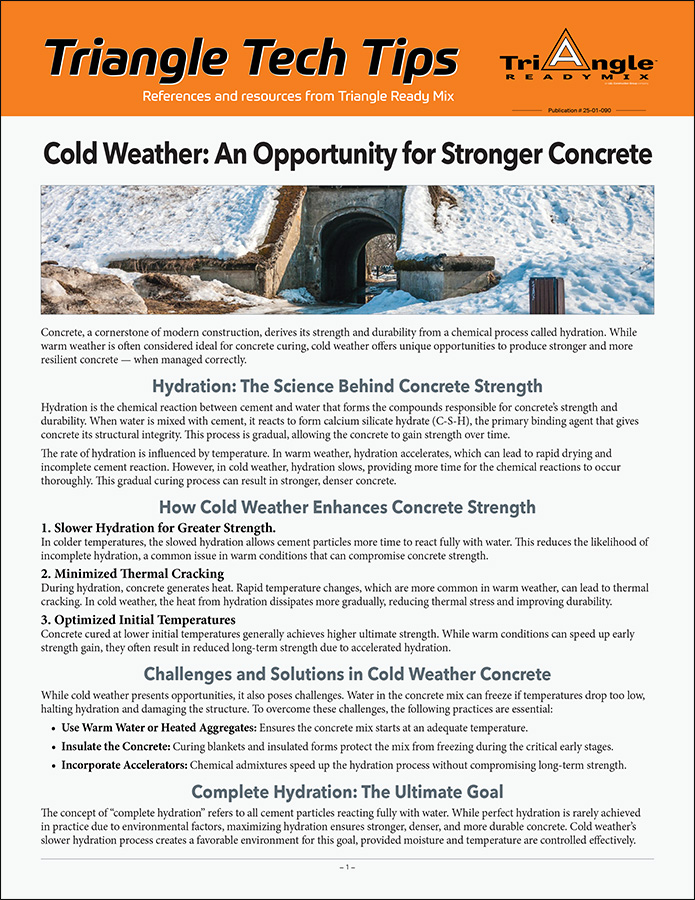
Have you ever wondered if concrete can freeze? This might seem like a simple question, but the answer has a surprising impact on your construction projects, driveways, and even sidewalks.
If you’re planning a building project in a cold climate, understanding what happens to concrete when temperatures drop is crucial. Imagine the frustration of discovering cracks in your freshly laid concrete, or worse, seeing it crumble under winter’s grip. You wouldn’t want your hard work and investment to go to waste, right?
By the end of this article, you’ll have a clear understanding of how freezing affects concrete and what you can do to prevent damage. So, keep reading to ensure your concrete stays strong and lasts through the coldest days.

Credit: www.gra-rock.com
How Concrete Reacts To Cold
Concrete changes when exposed to cold temperatures. Understanding these changes helps protect it from damage. Cold affects the water inside concrete and the curing process. This section explains how concrete reacts to cold weather.
Freezing Of Water Inside Concrete
Water inside concrete can freeze as temperatures drop. Frozen water expands and creates pressure inside the material. This pressure can cause cracks and weaken the concrete.
Concrete with too much water is more likely to crack when frozen. Proper water control during mixing helps reduce this risk.
Effect On Concrete Curing
Concrete needs warmth to cure properly. Cold slows down the chemical reactions needed for curing. Slow curing results in weaker concrete with less strength.
Extremely cold weather can stop curing completely. Concrete may remain soft and vulnerable for a long time.
Protecting Concrete From Cold Damage
Keeping concrete warm during cold weather is important. Covering concrete with blankets or insulated sheets helps retain heat. Using heaters can also speed up curing.
Special concrete mixes with additives can resist freezing better. These additives reduce water content and improve durability.
Freezing Points And Concrete
Concrete and freezing temperatures have a complicated relationship. Understanding the freezing points related to concrete can help you avoid costly mistakes during cold weather construction or repairs. Let’s look closely at what happens to concrete as temperatures drop and why it matters for your projects.
What Is The Freezing Point Of Concrete?
Concrete itself doesn’t have a single freezing point like water. Instead, the water inside the concrete mix freezes at 32°F (0°C). This freezing can cause serious issues because water expands when it turns to ice, creating pressure inside the concrete.
If the water freezes before the concrete cures (hardens), it can lead to cracks and weaken the final structure. Have you ever noticed crumbling concrete after a harsh winter? That’s often the result of water freezing inside the material.
How Freezing Affects Concrete During Curing
When concrete is fresh, it needs to cure properly to gain strength. This curing process relies on a chemical reaction involving water called hydration.
If temperatures drop below freezing before the concrete fully cures, the water in the mix freezes, stopping hydration. This interrupts the curing and reduces the concrete’s strength dramatically.
- Frozen water expands and causes internal stress.
- Hydration slows or stops, weakening the bond.
- Delayed curing can lead to surface scaling or cracking.
Have you ever poured concrete in winter and noticed it didn’t hold up as well? This explains why timing and temperature control are crucial.
Can Hardened Concrete Freeze?
Once concrete has fully cured, it becomes much more resistant to freezing damage. Hardened concrete contains less free water, so there’s less chance for ice to form and cause cracks.
However, if the concrete is porous or contains micro-cracks, water can seep in and freeze, leading to surface damage over time. This is why sealing concrete can protect it during freeze-thaw cycles.
Practical Tips To Protect Concrete From Freezing
Preventing freeze damage is about managing moisture and temperature. Here are practical steps you can take:
- Keep concrete warm during curing by using blankets or heated enclosures.
- Use air-entrained concrete mixes to add tiny air bubbles that relieve pressure from freezing water.
- Seal finished concrete surfaces to reduce water penetration.
- Schedule pours during warmer parts of the day or year whenever possible.
How do you protect your concrete projects from cold weather? Adjusting your approach can save you time and money in repairs later.
Effects Of Freezing On Concrete Strength
Freezing can have a significant impact on the strength of concrete. When water inside the concrete freezes, it expands and creates pressure within the material. This pressure can cause cracks and weaken the overall structure, leading to reduced durability and performance.
How Freezing Causes Internal Damage
Water trapped in the pores of concrete turns into ice as temperatures drop. Ice occupies more space than liquid water, pushing against the surrounding concrete matrix. Over time, this repeated expansion and contraction can create micro-cracks that grow larger with each freeze-thaw cycle.
Have you ever noticed cracks appearing in outdoor concrete after winter? This is exactly how freezing compromises strength. The internal damage accumulates silently but steadily.
Impact On Compressive Strength
Concrete’s compressive strength decreases as freezing cycles increase. Studies show that after multiple freeze-thaw cycles, concrete can lose up to 20-30% of its original strength. This loss makes it less capable of supporting loads and more prone to failure.
If you rely on concrete for structural support, understanding this reduction is crucial. It might influence your choice of concrete mix or protective measures.
Role Of Air Entrainment In Preventing Damage
Air entrainment introduces tiny air bubbles into the concrete mix. These bubbles act as pressure relief valves when water freezes, giving ice space to expand without cracking the concrete. This simple technique can greatly improve freeze-thaw resistance.
Consider using air-entrained concrete for outdoor projects in cold climates. It’s a practical way to protect your concrete investment from freezing damage.
Signs That Freezing Has Affected Your Concrete
- Visible cracking or surface scaling
- Increased permeability or water seepage
- Reduced load-bearing capacity
Spotting these signs early helps you take action before the damage worsens. Regular inspection is key, especially after harsh winters.
Signs Of Freeze Damage In Concrete
Concrete exposed to freezing temperatures can suffer damage that weakens its structure. Early signs of freeze damage help identify problems before they worsen. Detecting these signs protects your concrete and avoids costly repairs.
Knowing the common symptoms of freeze damage guides proper maintenance. Look for physical changes on the surface and inside the concrete. These changes often signal that freezing has harmed the material.
Surface Cracking And Scaling
Small cracks appear on the concrete surface after freezing. These cracks can grow bigger over time. Scaling happens when the top layer peels or flakes off. This damage shows water inside the concrete has frozen and expanded.
Spalling And Chipping
Spalling causes chunks of concrete to break away. It leaves rough, uneven edges on the surface. Chipping often occurs near edges and corners. Both signs indicate freeze-thaw cycles have weakened the concrete.
Discoloration And Stains
Freeze damage may cause dark or white stains on concrete. These stains result from trapped moisture or salt used to melt ice. Discoloration can signal internal damage and moisture problems.
Soft Or Powdery Surface
Concrete affected by freeze damage sometimes feels soft or powdery. This happens when the cement paste breaks down. A weak surface reduces concrete’s strength and durability.
Uneven Or Bulging Areas
Bulges or bumps can form where water freezes beneath the surface. These uneven areas show internal pressure from ice expansion. Bulging often leads to cracks and further damage.
Preventing Concrete Freeze During Construction
Preventing concrete from freezing during construction is vital for a strong and durable finish. Concrete can lose strength if frozen before it cures properly. Taking steps to protect concrete in cold weather ensures the building lasts longer and stays safe. Builders use several techniques to keep concrete warm and help it set well.
Temperature Control Methods
Keeping concrete warm is key in cold weather. Using heated enclosures or insulated blankets helps maintain the right temperature. Heated water or warm mixing materials can also raise concrete temperature before pouring. Sometimes, heaters and wind barriers protect the concrete from cold air. These methods stop freezing and support steady curing.
Use Of Admixtures
Admixtures are chemicals added to concrete to improve its performance. Some admixtures speed up the curing process, reducing freeze risk. Others lower the freezing point of water in the mix. Using these additives helps concrete harden faster and resist cold damage. Choosing the right admixture depends on the temperature and project needs.
Proper Curing Techniques
Curing is the process of keeping concrete moist and warm while it hardens. Covering concrete with plastic sheets or insulated blankets retains heat and moisture. Water curing with warm water sprays also supports strength development. Proper curing prevents cracks and surface damage caused by freezing temperatures. Timing is important; curing should start immediately after pouring.

Credit: heatauthority.com
Best Practices For Cold Weather Concreting
Pouring concrete in cold weather demands extra care to prevent freezing and ensure proper curing. The right approach can save you from costly repairs and weak structures. Let’s look at some best practices that help keep your concrete strong despite the chill.
Scheduling And Planning
Plan your concrete work around the weather forecast. Avoid pouring concrete if temperatures are expected to drop below 40°F (4°C) within the first 24 hours after placement. Early morning pours might be risky because temperatures are usually lower, so consider mid-morning or early afternoon when it’s warmer.
Think about how long the concrete will take to set. Cold weather slows hydration, which means your concrete stays vulnerable to freezing longer. Scheduling extra time for curing can make a big difference.
Insulation And Heating
Protect fresh concrete from cold by using insulation blankets or heated enclosures. These materials trap heat and maintain an ideal curing environment. If you’ve ever watched overnight temperatures drop, you know how quickly unprotected concrete can freeze.
Heated enclosures allow you to control temperature precisely, but even simple insulation can work well on smaller projects. You might also use warm water in the mix or heated aggregates to raise the initial temperature of the concrete.
Mix Design Adjustments
Adjusting your concrete mix can help it resist freezing better. Adding accelerators speeds up curing, reducing the time concrete is vulnerable to cold. However, be careful not to use too much, as it can cause cracking.
Using a lower water-to-cement ratio improves strength and reduces freeze-thaw damage. Also, consider air-entraining agents; they create tiny air bubbles that allow space for water to expand when it freezes, protecting the concrete’s structure.
Have you checked your mix design lately to make sure it’s ready for winter? Small tweaks can prevent major headaches down the line.
Repairing Freeze-damaged Concrete
Freeze damage can cause concrete to crack, chip, or weaken over time. Repairing this damage helps restore strength and appearance. Proper repair techniques extend the life of concrete surfaces and prevent further problems.
Assessing The Damage
Start by checking the concrete carefully. Look for cracks, spalling, or surface scaling. Small hairline cracks may only need minor repairs. Larger cracks or deep damage require more attention. Identifying the extent of damage guides the repair process.
Cleaning The Affected Area
Remove loose debris, dirt, and dust from the damaged spot. Use a wire brush or pressure washer for better cleaning. Dry the area well before applying repair materials. Clean surfaces help the new concrete stick firmly.
Choosing The Right Repair Material
Select a repair mix designed for freeze-thaw resistance. Use patching compounds or concrete resurfacing products. Some materials contain additives to prevent water absorption. These additives reduce the risk of future freeze damage.
Applying The Repair Material
Follow product instructions for mixing and application. Fill cracks or holes completely with repair material. Smooth the surface with a trowel for an even finish. Work quickly before the material starts to set.
Curing And Protecting The Repair
Allow the repaired area to cure properly, usually for several days. Keep the surface moist to prevent cracks during drying. Cover with plastic sheets if needed to retain moisture. Avoid heavy traffic until the repair is fully cured.
Long-term Durability In Cold Climates
Concrete faces unique challenges in cold climates. Freezing temperatures can cause damage over time if the concrete is not properly made or cared for. Understanding how concrete behaves in cold weather helps protect its long-term durability. Proper mix design and maintenance are key to ensuring concrete lasts through many winters.
Freeze-thaw Cycles And Concrete
Freeze-thaw cycles happen when water inside concrete freezes and expands. This creates pressure that can crack the concrete. Repeated cycles worsen the damage. Using air-entrained concrete helps by creating tiny air pockets. These pockets give space for ice to expand without causing cracks.
Importance Of Proper Curing
Curing concrete properly keeps it strong and dense. This reduces water absorption and limits freeze damage. In cold climates, using curing blankets or heaters helps maintain the right temperature. Proper curing ensures the concrete reaches its full strength before freezing weather arrives.
Using Quality Materials
Good materials improve concrete durability in cold weather. Low water-to-cement ratio makes the concrete less porous. Adding certain admixtures can increase resistance to freezing damage. Using well-graded aggregates also helps reduce voids where water can collect.
Regular Maintenance And Repairs
Regular inspections catch small cracks before they grow. Filling cracks and sealing surfaces prevents water entry. Removing snow and ice quickly reduces freeze-thaw damage. These simple steps extend the life of concrete in cold climates.

Credit: www.sauereisen.com
Frequently Asked Questions
Can Concrete Freeze Before It Cures?
Yes, fresh concrete can freeze before curing. Freezing halts hydration, weakening the concrete’s strength and durability. Proper curing conditions are essential to prevent damage from freezing temperatures.
How Does Freezing Affect Hardened Concrete?
Freezing can cause hardened concrete to crack due to water expansion inside pores. Repeated freeze-thaw cycles worsen damage, reducing concrete’s lifespan and structural integrity.
What Temperature Causes Concrete To Freeze?
Concrete can begin freezing at 32°F (0°C) or below. However, vulnerability depends on moisture content and curing stage, with fresh concrete being more sensitive to freezing temperatures.
Can Additives Prevent Concrete From Freezing?
Yes, antifreeze additives and accelerators help concrete resist freezing. These additives speed curing and reduce water freezing risk, ensuring concrete achieves strength even in cold weather.
Conclusion
Concrete can freeze if exposed to very cold temperatures. Frozen concrete may crack or weaken over time. Proper care helps prevent freezing damage during cold weather. Using additives and insulating blankets keeps concrete safe. Pour concrete when temperatures are above freezing for best results.
Understanding how cold affects concrete helps you protect your projects. Stay aware and take simple steps to avoid problems. Safe concrete means stronger buildings and longer-lasting structures.