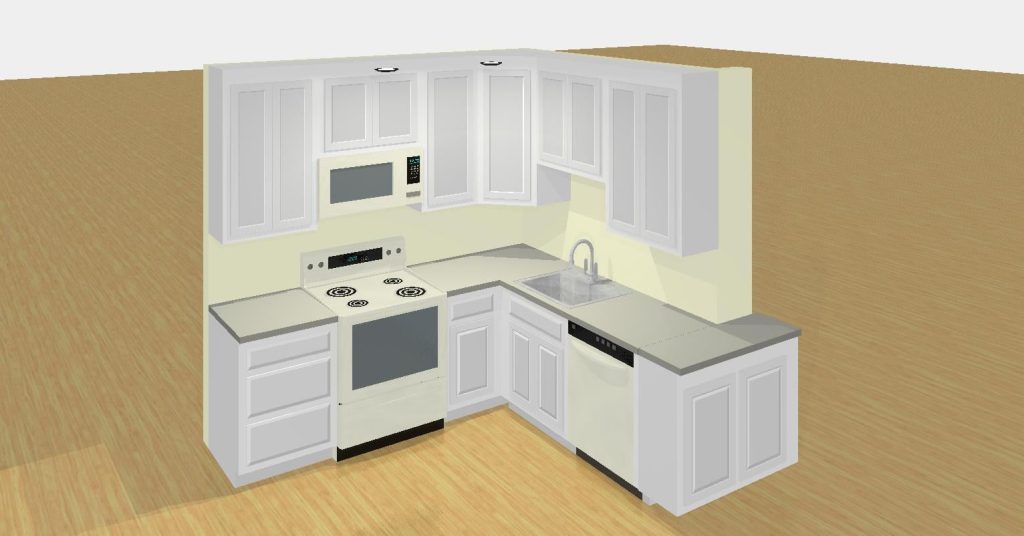
Are you planning a kitchen remodel or redesigning your cooking space? If so, you might be pondering whether placing your dishwasher next to your stove is a good idea.
It’s a common question that many homeowners face, and finding the right answer can make a big difference in the functionality and flow of your kitchen. Imagine a kitchen where everything is within arm’s reach, yet perfectly organized and efficient.
Sounds ideal, right? But what if this seemingly simple decision could affect your kitchen’s efficiency, safety, and even your peace of mind? Before you make a choice, let’s explore the pros and cons of this kitchen layout. Understanding these factors could transform your kitchen experience, making it more convenient and enjoyable. Keep reading to discover how to optimize your kitchen space and make cooking a breeze.
Kitchen Layout Basics
Designing a kitchen requires careful planning. The layout affects how you work and move around. Choosing the right spots for appliances makes cooking easier. It also helps keep your kitchen safe and organized. Understanding kitchen layout basics is key before placing a dishwasher near a stove.
Common Appliance Placements
Most kitchens follow a triangle layout. The stove, sink, and refrigerator form this triangle. It helps reduce walking distance between tasks. Dishwashers usually sit next to the sink. This placement simplifies plumbing and loading dishes. Stoves often have counter space on both sides. This setup provides room for prepping and placing hot items.
Space Requirements For Dishwashers
Dishwashers need enough space to open fully. Standard dishwashers are about 24 inches wide. Allow clearance for door swing and ventilation. Keep at least 2 inches of gap around the unit. This prevents damage and improves airflow. Proper spacing also helps with installation and repairs.
Heat Sources Around The Stove
Stoves generate high heat that can affect nearby appliances. Dishwashers have plastic parts that heat can damage. Avoid placing dishwashers directly next to gas burners. Electric stoves also emit heat but less intensely. A buffer like a cabinet or counter between stove and dishwasher is best. This protects the dishwasher and keeps your kitchen safer.

Credit: www.reddit.com
Safety Concerns
Placing a dishwasher next to a stove raises important safety concerns. Both appliances generate heat and moisture, which can affect each other. Understanding these risks helps keep your kitchen safe and functional.
Heat Damage Risks
Stoves produce high heat during cooking. This heat can damage the dishwasher’s outer parts and internal components. Over time, plastic and electronic parts near the stove may warp or fail. Heat shields or proper spacing reduce this risk.
Moisture And Electrical Hazards
Dishwashers release moisture and steam during cycles. Moisture near the stove’s electrical outlets or wiring can cause shorts or corrosion. Water and electricity are a dangerous mix. Proper sealing and waterproofing protect electrical parts.
Fire Safety Considerations
Both appliances carry fire risks. A stove fire could spread to the dishwasher if too close. Flammable dishwasher detergent also adds risk. Keeping a safe gap and using fire-resistant materials around these appliances helps prevent accidents.
Building Codes And Regulations
Understanding building codes and regulations is crucial when deciding if a dishwasher can be placed next to a stove. These rules ensure safety, prevent damage, and maintain proper appliance function. Ignoring them might lead to costly repairs or even hazards in your kitchen.
Local Code Requirements
Local building codes vary widely depending on where you live. Some areas may require a certain distance between heat-producing appliances and water sources to avoid fire risks. Have you checked your city or county’s specific rules before planning your kitchen layout?
Often, these codes specify minimum clearance distances and ventilation needs. They might also restrict the use of certain materials near stoves. It’s a good idea to contact your local building department or check their online resources to get accurate information.
Manufacturer Guidelines
Manufacturers provide clear instructions on where and how their dishwashers should be installed. These guidelines include safety distances from heat sources like stoves. Following these ensures your dishwasher works efficiently and lasts longer.
Ignoring manufacturer advice can void warranties or cause appliance failure. For example, placing a dishwasher too close to a high-heat stove might damage its electrical components or hoses. Always read the installation manual carefully and ask professionals if you’re unsure.
Inspection And Compliance
After installation, your kitchen setup may need inspection by a building official. Inspectors check if the placement of appliances meets safety standards and codes. Failing an inspection could mean costly adjustments or reinstallations.
Compliance ensures your home is safe and your appliances function properly. Do you have a plan to schedule inspections early in your renovation process? This proactive step can save you time and stress later.

Credit: www.reddit.com
Design Solutions
Design solutions play a key role when deciding if a dishwasher can be placed next to a stove. It’s not just about space but ensuring safety, efficiency, and durability. Thoughtful planning helps you avoid heat damage and maintain a smooth kitchen workflow.
Creating Buffer Zones
A buffer zone is a physical gap between the stove and dishwasher to reduce heat exposure. Even a few inches can protect your dishwasher’s electronics and plastic parts from heat damage. You might use a narrow cabinet or a heat-resistant countertop section as a barrier.
Think about how much space you have. Could a 6-inch gap serve as a safe buffer? This small adjustment can save costly repairs later and keep your kitchen running smoothly.
Using Heat Shields
Heat shields act as protective barriers that block or reflect heat away from the dishwasher. These can be metal panels or specialized heat-resistant materials installed between the stove and dishwasher. They help maintain lower temperatures around your dishwasher.
Heat shields are especially useful in tight kitchens where space is limited. Have you considered adding one behind the dishwasher to prevent heat damage? It’s a simple step that adds peace of mind.
Alternative Appliance Arrangements
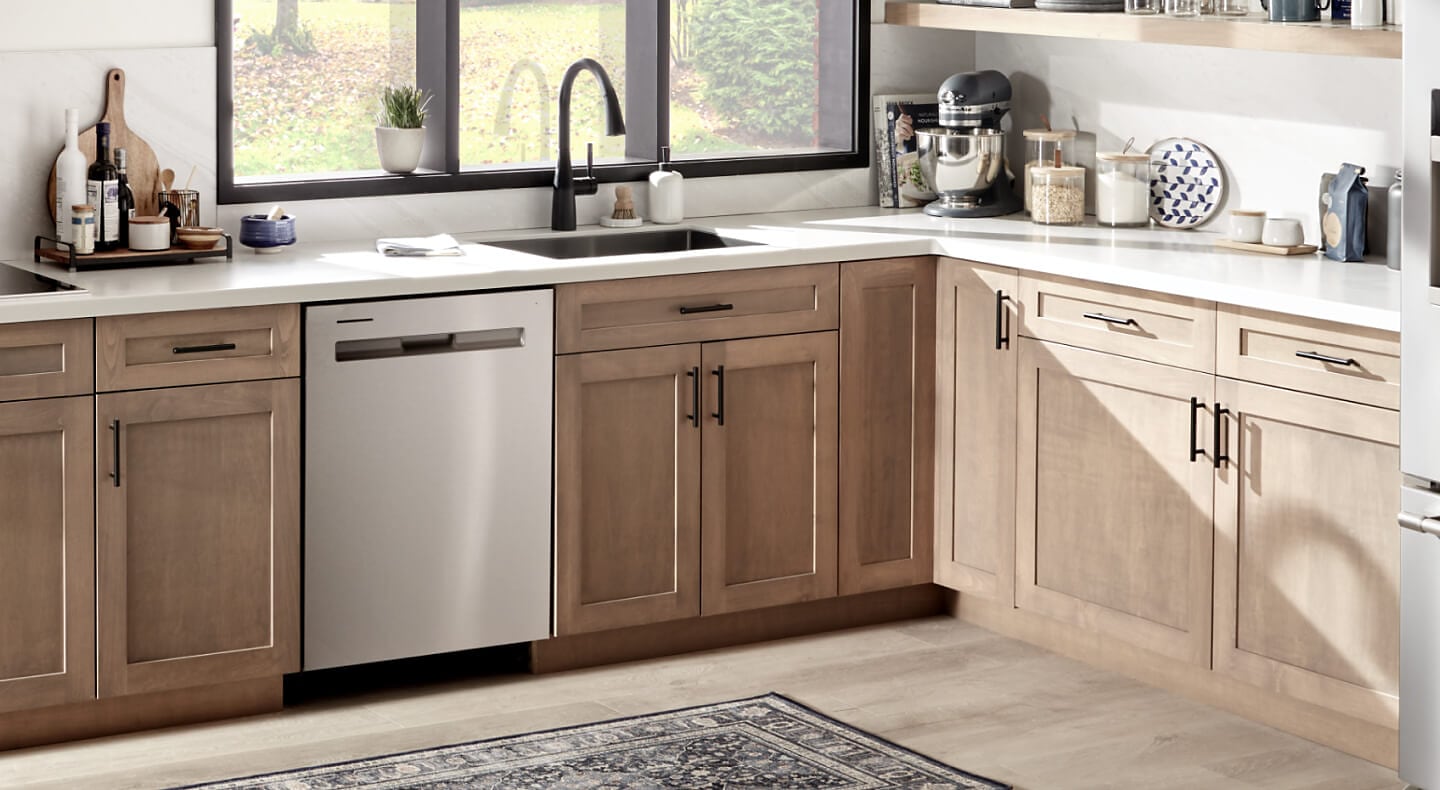
If placing the dishwasher next to the stove is risky, rearranging your appliances might be the best solution. Positioning the dishwasher closer to the sink and away from heat sources creates a safer setup. This also improves plumbing efficiency and reduces the risk of water leaks near hot surfaces.
Would shifting the dishwasher a few feet away change your kitchen flow? Sometimes a small rearrangement makes a big difference in safety and convenience.
Expert Installation Tips
Installing a dishwasher next to a stove might seem straightforward, but there are key details you should pay attention to for safety and performance. Proper installation ensures your appliances work well without causing damage or hazards in your kitchen. Here are expert tips to help you avoid pitfalls and get the setup right.
Proper Ventilation
Both stoves and dishwashers generate heat and moisture. If your dishwasher is too close to the stove without proper ventilation, moisture can build up and damage cabinetry or cause mold.
Make sure there is enough space for air to circulate between the two appliances. You can also install a heat shield or use materials that resist heat and moisture. Have you checked if your kitchen layout allows for airflow, or are you squeezing them in tight spots?
Correct Electrical Setup
Each appliance needs its own dedicated power source. Sharing circuits between the stove and dishwasher can overload your system and trip breakers.
Check your electrical panel and wiring before installation. Use a licensed electrician to install separate circuits if necessary. This step keeps your kitchen safe and your appliances running smoothly.
Avoiding Common Mistakes
- Don’t place the dishwasher too close to the stove’s heat source; extreme heat can damage dishwasher components.
- Avoid blocking access to plumbing or electrical connections when positioning your dishwasher.
- Make sure the dishwasher door can open fully without hitting the stove or cabinets.
Think about how you use your kitchen daily. Is your layout practical, or will you struggle with tight spaces? Proper planning helps avoid costly repairs and frustration later on.
Maintenance And Safety Checks
Keeping your dishwasher and stove close together can save space, but it also means you need to pay extra attention to maintenance and safety. Regular checks help you spot issues before they become costly problems. Let’s look at how you can keep both appliances in great shape and your kitchen safe.
Regular Appliance Inspection
Make it a habit to inspect both your dishwasher and stove every few months. Check for loose wires, unusual noises, or any signs of wear and tear. A quick look behind and underneath can reveal leaks or electrical issues early.
Don’t forget to clean the dishwasher filter and ensure the stove burners are free from food debris. These simple tasks keep your appliances running smoothly and reduce fire or water hazards.
Signs Of Heat Or Water Damage
Heat from the stove can cause damage if the dishwasher is too close. Look for discoloration, melting, or warping on the dishwasher’s side panel facing the stove. These are red flags that heat is affecting your dishwasher’s structure.
Water damage is another concern. Check for moisture, rust, or mold around the dishwasher base. Even small leaks can harm cabinetry and flooring over time, so don’t ignore any damp spots.
When To Call A Professional
If you notice persistent leaks, strange smells, or your appliances are not working correctly, it’s time to get an expert involved. A professional can test connections and ensure heat shields or barriers are installed correctly.
Sometimes, moving one appliance a few inches or adding insulation can prevent damage. Would you risk costly repairs by waiting too long to get help? Calling a technician early can save you money and keep your kitchen safe.
Credit: www.maytag.com
Frequently Asked Questions
Can A Dishwasher Be Installed Next To A Stove?
Yes, a dishwasher can be installed next to a stove. However, proper insulation and heat-resistant materials are essential to prevent damage and ensure safety.
What Are The Risks Of Placing Dishwasher Near Stove?
Placing a dishwasher next to a stove risks heat damage to the appliance. It can also affect dishwasher performance and increase fire hazards.
How To Protect Dishwasher When Near Stove?
Use heat shields or insulation between the stove and dishwasher. Ensure proper ventilation and maintain recommended clearance to protect the dishwasher from heat exposure.
Does Dishwasher Next To Stove Affect Kitchen Design?
Yes, positioning a dishwasher next to a stove impacts kitchen layout and workflow. Proper planning ensures functionality, safety, and efficient use of space.
Conclusion
Placing a dishwasher next to a stove is possible but needs care. Keep enough space to avoid heat damage to the dishwasher. Proper installation helps both appliances work well and last longer. Think about safety and convenience before deciding their spots.
A good kitchen layout makes cooking and cleaning easier every day. Choose wisely to create a comfortable and efficient kitchen space.