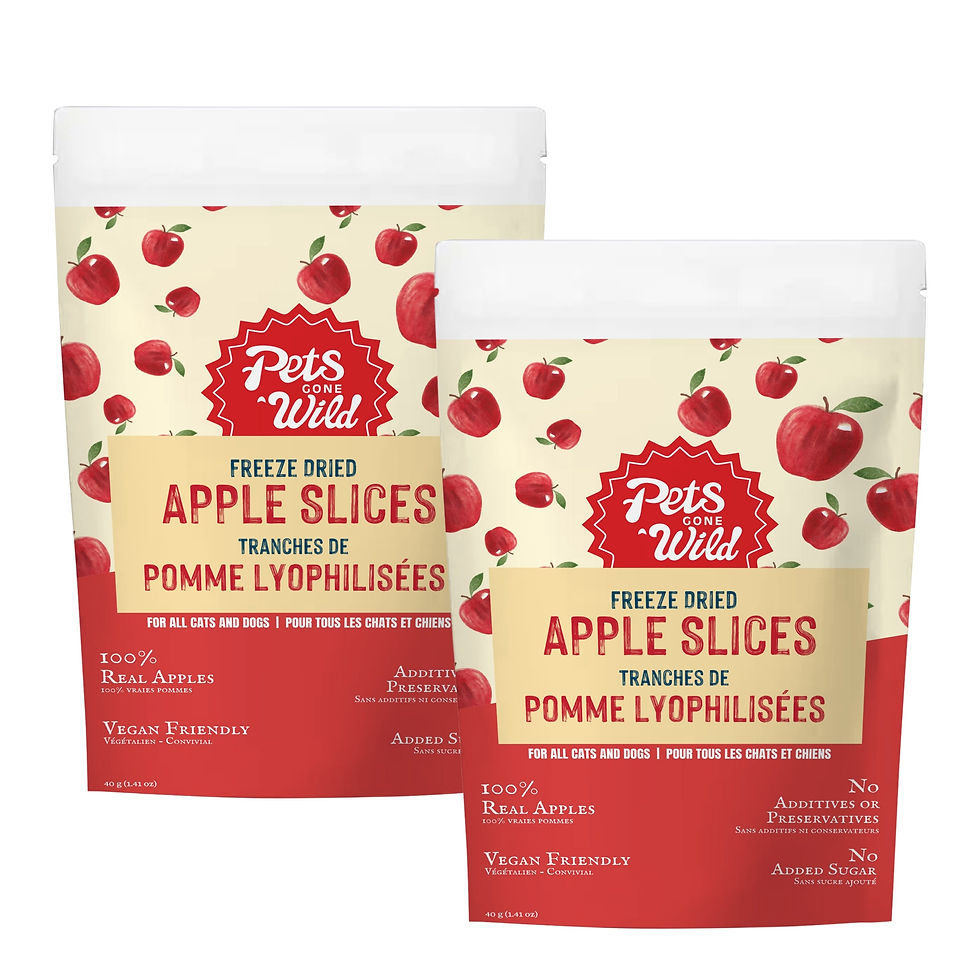
Have you ever found yourself snacking on a delicious bag of freeze-dried apples and wondered if your furry friend could join in on the treat? You’re not alone.
Many pet owners are curious about sharing their favorite snacks with their dogs, but it’s essential to ensure those treats are safe. In this blog post, we’re diving into the question: Can dogs have freeze-dried apples? We’ll explore the benefits, potential risks, and everything you need to know to make an informed decision.
Stick around to discover whether this crunchy snack can become a part of your dog’s diet without any worries. Your pup’s health and happiness might just depend on it!

Credit: www.amazon.com
Benefits Of Apples For Dogs
Apples can be a great snack for dogs. They offer many health benefits and provide essential nutrients. Freeze dried apples keep these benefits while making a crunchy treat dogs enjoy. Understanding the benefits helps pet owners decide on safe treats.
Nutritional Value
Apples contain vitamins A and C, important for dogs’ immune systems. They also provide fiber, which helps with digestion. Minerals like potassium support muscle and nerve function. Low in calories, apples make a healthy, light snack. Freeze drying keeps these nutrients intact without adding sugar or preservatives.
Health Advantages
- Supports dental health by cleaning teeth naturally
- Helps maintain a healthy weight due to low calories
- Boosts immune system with antioxidants
- Promotes good digestion through dietary fiber
- Can reduce inflammation in some dogs
Giving freeze dried apples in moderation can improve your dog’s overall health. Always remove apple seeds before feeding, as they are toxic to dogs.
Freeze Drying Process
The freeze drying process is a unique way to preserve food, including apples, in a form that’s light, crunchy, and long-lasting. It removes moisture from the fruit while keeping its shape and flavor intact. This technique is especially useful for dog owners who want to offer healthy, natural treats without added sugars or preservatives.
How Freeze Drying Works
Freeze drying starts by freezing the apples solid. Once frozen, the apples are placed in a vacuum chamber where the temperature is carefully controlled.
In this vacuum, ice turns directly into vapor without melting first—a process called sublimation. This removes moisture gently, preventing damage to the apple’s texture and nutrients.
The result is a crunchy, lightweight apple piece that keeps well for months. You might wonder, how does this compare to regular drying methods? Unlike traditional drying, freeze drying locks in flavor and nutrients without cooking the fruit.
Preserving Nutrients
One of the best parts about freeze drying is its ability to keep most of the apple’s vitamins and minerals intact. Nutrients like vitamin C, fiber, and antioxidants remain largely unchanged.
This means your dog gets a treat that’s closer to fresh apples in nutritional value. Have you noticed how some dried fruits lose their color or taste bland? Freeze dried apples avoid this problem by maintaining their natural sweetness and color.
Because no heat is used, delicate enzymes and nutrients survive the process. This makes freeze dried apples a healthy, safe option for your furry friend.
Are Freeze Dried Apples Safe?
Freeze dried apples can be a tasty treat for dogs, but safety is important. Many pet owners wonder if these crunchy snacks are good for their furry friends. Knowing the potential risks and how to spot allergic reactions helps keep dogs healthy and happy.
Potential Risks
Freeze dried apples are mostly safe, but some risks exist. Apples contain natural sugars that can upset a dog’s stomach if eaten in large amounts. The core and seeds should never be given to dogs because they contain harmful substances. Some freeze dried apple products might have added sugars or preservatives, which are not healthy for dogs. Always check the ingredients before offering any new treat.
Signs Of Allergic Reactions
Dogs can have allergies to new foods, including apples. Watch for signs such as:
- Itching or scratching
- Swelling of the face or paws
- Hives or red spots on the skin
- Vomiting or diarrhea
- Excessive licking or chewing
Stop feeding the apples if any of these symptoms appear. Contact a veterinarian for advice and care to keep your dog safe.

Credit: www.amazon.com
Feeding Guidelines
Feeding your dog freeze dried apples can be a healthy treat option. It is important to follow proper guidelines for serving sizes and frequency. This helps keep your dog safe and happy.
Proper Serving Sizes
Start with small pieces to see how your dog reacts. A few small cubes or slices are enough for most dogs. For small dogs, limit the portion to about one teaspoon. Medium dogs can have one to two tablespoons. Large dogs may enjoy up to three tablespoons. Avoid giving large amounts at once to prevent stomach upset.
Frequency Recommendations
Freeze dried apples should be given as an occasional treat. Two to three times per week is a good limit. Daily treats can add too much sugar and calories. Always watch your dog for any signs of allergies or digestive issues. Fresh water should be available after treats.
Choosing Quality Freeze Dried Apples
Choosing quality freeze dried apples for your dog is more important than you might think. Not all freeze dried apples are created equal, and what you pick can impact your pet’s health. Knowing how to identify the best options helps you give your dog a tasty, safe treat without any hidden risks.
Reading Labels
Labels hold the key to understanding what’s really inside the package. Always check for 100% apples with no added sugars or fillers. Look for clear ingredient lists—if you see anything you don’t recognize or can’t pronounce, it’s a red flag.
Pay attention to the source of the apples too. Organic or non-GMO labels often mean fewer pesticides and chemicals, which is better for your dog. Have you ever noticed how some treats list “apple pieces” versus “apple powder”? The form can affect texture and freshness, so choose what your dog prefers.
Avoiding Additives
Additives can sneak into freeze dried snacks, and not all are safe for dogs. Avoid products with preservatives, artificial flavors, or sweeteners like xylitol, which is toxic to dogs. Even natural additives can cause allergic reactions or upset stomachs.
Simple is best. The purer the product, the easier it is to trust it’s good for your furry friend. Remember, your dog’s digestive system is sensitive—why risk it with unnecessary chemicals? When you pick freeze dried apples without additives, you’re choosing a treat that supports their health and happiness.
Alternatives To Freeze Dried Apples
Freeze dried apples make great treats for dogs, but variety keeps snacking exciting. Different fruits and commercial options provide healthy, tasty alternatives. These choices offer nutrients dogs need and keep them happy.
Other Healthy Fruit Treats
Many fruits are safe and good for dogs. They offer vitamins, fiber, and hydration. Serve fruits in small, bite-sized pieces to avoid choking.
- Blueberries – small, antioxidant-rich, easy to eat.
- Bananas – soft texture, full of potassium.
- Watermelon – hydrating and low in calories; avoid seeds.
- Strawberries – vitamin C boost and sweet taste.
- Pears – high in fiber; remove seeds and core first.
Commercial Dog Treat Options
Store-bought treats provide convenience and variety. Choose products made with natural ingredients and no harmful additives. Check labels for allergens and calories.
- Freeze dried meat treats – pure protein, easy to digest.
- Dental chews – help clean teeth and freshen breath.
- Grain-free biscuits – good for dogs with allergies.
- Vegetable-based chews – low-calorie and crunchy.

Credit: wefeedraw.com
Frequently Asked Questions
Can Dogs Safely Eat Freeze Dried Apples?
Yes, dogs can safely eat freeze dried apples. They are a healthy, low-calorie treat rich in vitamins and fiber. Just ensure the apples contain no added sugar or artificial ingredients to keep them safe for your dog.
Are Freeze Dried Apples Good For Dogs’ Digestion?
Freeze dried apples support dogs’ digestion due to their high fiber content. Fiber helps regulate bowel movements and promotes gut health. Always introduce them gradually to avoid any stomach upset.
How Many Freeze Dried Apples Can Dogs Eat Daily?
Limit freeze dried apple treats to a few small pieces per day. Moderation prevents excessive sugar intake and digestive issues. Always adjust serving size based on your dog’s size and health.
Can Freeze Dried Apples Cause Allergies In Dogs?
Freeze dried apples rarely cause allergies in dogs. However, monitor your dog after first feeding for any allergic reactions like itching or swelling. Consult your vet if you notice any symptoms.
Conclusion
Freeze dried apples can be a safe treat for most dogs. They keep the fruit’s nutrients and taste without added sugar or chemicals. Always give small amounts first to watch for any reaction. Avoid apples with seeds or cores, as they can harm dogs.
Treats like these add variety and fun to your dog’s diet. Remember, balance is key for a healthy pet. Enjoy sharing this tasty snack with your furry friend!