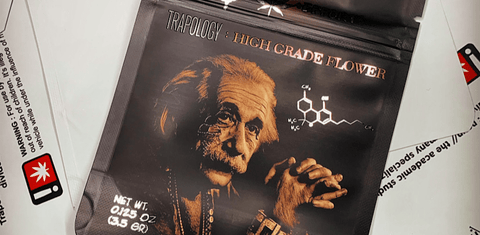
Have you ever wondered if your dog could sniff out a treat through a vacuum-sealed bag? It’s a fascinating thought, isn’t it?
Our furry friends have an extraordinary sense of smell, but just how powerful is it? If you’ve ever tried to hide something delicious from your pup, you might be curious to know if your efforts are in vain. This article will dive into the world of canine olfaction and reveal whether your dog can outsmart your hiding skills, even through vacuum-sealed packaging.
Get ready to uncover the truth about those amazing noses and see if your dog is a super sniffer! Keep reading to discover the surprising answers that might just change how you store your treats.

Credit: www.amazon.com
How Dogs Use Their Nose
Your dog’s nose is a powerful tool, far beyond what you might expect. It’s how they understand the world, track scents, and even detect emotions. Understanding how dogs use their nose will help you see why vacuum-sealed bags might not always fool them.
Nose Structure And Sensitivity
Dogs have up to 300 million scent receptors, compared to your 5 million. This difference makes their noses incredibly sensitive to even faint smells.
Their noses are specially designed with folds and moisture that trap scent particles. This design allows them to analyze scents in layers, separating one smell from another.
Think about how your dog can find a hidden treat or track a person—this is all thanks to their nose’s unique structure and sensitivity.
Scent Detection Abilities
Dogs can detect scents at concentrations nearly 100 million times lower than humans. This means even if a smell is inside a vacuum-sealed bag, some scent molecules might still escape.
Vacuum sealing reduces odor but rarely eliminates it completely. Your dog’s nose can pick up tiny leaks or residual smells on the bag’s surface.
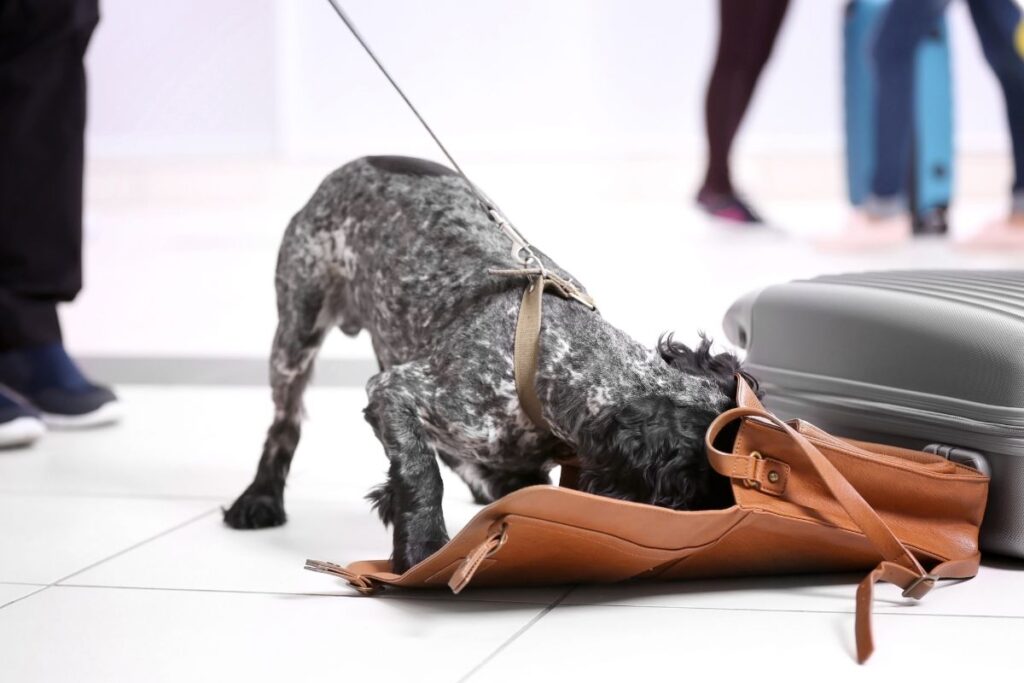
Have you noticed your dog sniffing around sealed containers or bags? They’re using their incredible scent detection abilities to investigate what you might think is hidden.
What Are Vacuum Sealed Bags
Vacuum sealed bags are special containers designed to remove air and seal contents tightly. They preserve freshness and protect items from moisture and air exposure. These bags are common in food storage but also used for other items.
The design and materials of vacuum sealed bags help keep the contents secure. The tight seal limits air and odor escape. This feature raises questions about whether dogs can still smell what is inside.
Material And Design
Vacuum sealed bags are made from thick plastic layers. These layers create a strong barrier against air and moisture. Many bags have a textured side to help air removal.
The sealing edge is heat-sealed to lock air out. This seal makes the bag airtight and hard to open without breaking. Some bags use multiple plastic layers for extra protection.
Purpose Of Vacuum Sealing
The main purpose is to keep food fresh longer by removing air. Air causes spoilage and lets bacteria grow faster. Vacuum sealing stops this process by cutting oxygen supply.
Vacuum sealed bags also prevent freezer burn by blocking moisture. They save space by compressing items tightly. This method protects items from odors and contaminants.
Can Dogs Detect Scents Through Vacuum Sealing
Dogs have an incredible sense of smell, often leaving us wondering if they can still detect scents through barriers like vacuum sealed bags. These bags are designed to lock out air and odors, but do they completely fool a dog’s nose? Understanding how vacuum sealing affects scent detection can change how you store food, treats, or anything your dog might be curious about.
Effectiveness Of Vacuum Sealing On Odors
Vacuum sealing removes most of the air from a bag, which reduces the escape of odor molecules into the environment. This creates a strong barrier that significantly limits the scent that dogs can pick up. However, it’s important to note that vacuum sealing doesn’t eliminate odors entirely.
Even with vacuum sealing, some scent particles can slowly seep through the plastic material or the seal edges. Dogs’ noses are millions of times more sensitive than ours, so they might still detect faint traces. Have you noticed your dog sniffing around tightly sealed packages? That’s because their nose often picks up what we cannot.
Scientific Studies And Experiments
Researchers have tested dogs’ abilities to detect scents inside vacuum sealed bags, especially for work in detection and search roles. Studies show that while vacuum sealing reduces the intensity of odors, dogs can sometimes still identify target scents.
One experiment involved training dogs to find specific scents hidden inside vacuum sealed containers. Results indicated that dogs took longer to detect the scent but were often successful. This suggests that vacuum sealing can delay detection but not always prevent it.
These findings highlight the extraordinary capability of dogs’ olfactory system. So, if you’re trying to keep something scent-free from your dog, vacuum sealing might help but won’t guarantee complete invisibility to their nose.
Factors Influencing Scent Detection
Dogs have an incredible sense of smell. Their ability to detect scents through vacuum sealed bags depends on several factors. Understanding these factors helps explain how well dogs can pick up hidden odors. Some scents pass through sealed bags easier than others. The type of bag material, scent itself, and time sealed all affect detection.
Type Of Material Sealed
Vacuum sealed bags come in different materials. Some materials block scent better than others. Thick plastic or multi-layered bags create a strong barrier. Thin plastic or single-layer bags allow more scent to escape. Porous materials let odors travel more easily. Dogs may detect scents through thinner or less dense bags. The quality and thickness of the material play a major role.
Type Of Scent Or Substance
Not all scents are equal for dogs. Strong, volatile smells like food, drugs, or explosives release more odor particles. These scents are easier for dogs to detect through sealed bags. Mild or less volatile scents, like perfume or dried herbs, release fewer odor molecules. Dogs find these harder to smell through bags. The chemical makeup of the scent impacts how well it travels.
Duration Of Sealing
The length of time the item stays sealed matters. Freshly sealed bags hold more trapped scent inside. Over time, odor molecules may slowly leak or dissipate. Longer sealing reduces scent strength outside the bag. Dogs may find it easier to detect scents from recently sealed bags. Older sealed bags often have weaker or no detectable odors.
Real-life Examples And Anecdotes
Dogs have an amazing sense of smell. They can detect scents that humans cannot. But can they smell through vacuum sealed bags? Real stories help us understand this better. These examples show how dogs use their noses in different situations. They reveal the power of a dog’s nose even with barriers like vacuum sealed bags.
Search And Rescue Cases
Search and rescue dogs often find people trapped under debris. Some items are wrapped in vacuum sealed bags or plastic. Despite this, dogs have found survivors by scent. Their noses pick up tiny scent particles leaking from the bags. This skill saves lives in emergencies.
One case involved a dog finding a missing hiker. The hiker’s clothes were sealed in a vacuum bag. The dog still followed the scent trail through thick forest. This shows the strength and persistence of a dog’s nose.
Pet Owner Experiences
Many pet owners share stories about their dogs smelling food inside vacuum sealed bags. Dogs often try to get treats or meals sealed tightly. This proves they can detect odors through the bags. Some dogs even scratch or paw at the bags to reach the food.
Owners also notice dogs finding lost toys or clothes sealed in vacuum bags. Dogs use their sense of smell to identify familiar scents. Even when the scent is faint, they succeed. These anecdotes show dogs’ natural ability to smell through barriers.

Credit: xtpackaging.en.made-in-china.com
Tips To Limit Dog’s Scent Detection
Dogs have a powerful sense of smell that can detect scents even through vacuum sealed bags. Reducing your dog’s ability to smell items takes some effort. Using practical methods can help limit scent detection. Simple changes in storage and adding barriers makes a difference.
Proper Storage Techniques
Seal items tightly in vacuum bags to reduce air flow. Use double or triple layers of vacuum sealing for better results. Keep bags in cool, dry places to slow scent release. Store items in airtight containers after vacuum sealing. Avoid touching bags with bare hands to prevent transferring scents. Regularly clean storage areas to remove lingering smells.
Additional Barriers And Methods
Wrap vacuum sealed bags in odor-blocking materials like foil or plastic wrap. Use activated charcoal or baking soda nearby to absorb odors. Place items inside plastic bins with tight lids for extra protection. Store items away from your dog’s usual sniffing areas. Consider scent-masking sprays designed to block animal detection. Rotate storage locations to confuse your dog’s scent tracking.
Implications For Pet Owners And Professionals
Understanding whether dogs can smell through vacuum sealed bags has important effects for pet owners and professionals. This knowledge shapes how we store pet items and handle training or security tasks. Dogs have a keen sense of smell, but sealed bags may reduce scent signals.
Knowing the limits of a dog’s nose helps in making safe decisions. It also guides how to protect privacy and improve training methods. Both pet owners and professionals can benefit from this insight.
Security And Privacy Concerns
Dogs may still detect scents through some vacuum sealed bags. This can raise privacy and security issues. Sensitive items sealed in bags might not be fully hidden from a dog’s nose.
- Important documents or personal items may be found.
- Vacuum sealing lowers but does not block all scents.
- Careful storage is needed for security-sensitive materials.
Professionals handling security must consider these facts. They need to use extra precautions beyond vacuum sealing. Pet owners should also store food or valuables away from curious dogs.
Training And Handling Dogs
Understanding scent detection affects dog training and handling. Trainers must know how vacuum sealed bags impact scent trails. This helps in creating effective search or detection exercises.
- Vacuum sealed bags can be used to control scent exposure.
- Trainers can simulate different scent challenges for dogs.
- Handling techniques adjust based on scent availability.
Pet owners can use this knowledge to manage dogs’ behavior. It helps reduce unwanted sniffing or searching around the house. Training with scent control tools improves obedience and focus.
Credit: d8superstore.com
Frequently Asked Questions
Can Dogs Smell Through Vacuum Sealed Bags?
Yes, dogs can often smell through vacuum sealed bags. Their noses are extremely sensitive and can detect faint scents even through airtight packaging.
How Strong Is A Dog’s Sense Of Smell?
A dog’s sense of smell is up to 100,000 times stronger than humans. This allows them to detect odors at incredibly low concentrations.
Do Vacuum Sealed Bags Block All Dog Scents?
Vacuum sealed bags reduce scent exposure but rarely block all odors. Some scent molecules can still escape, allowing dogs to detect smells.
Why Can Dogs Smell Food In Sealed Bags?
Dogs detect microscopic scent particles that escape from sealed bags. Their powerful noses pick up even trace amounts of food odors.
Conclusion
Dogs have an amazing sense of smell that can detect scents even through sealed bags. Vacuum sealing reduces odors but does not block all smells. Dogs may still catch faint hints inside these bags. Their noses are much stronger than ours.
This means they can often find treats or items hidden away. Knowing this helps you understand your dog’s behavior better. It also shows how powerful a dog’s nose really is. Keep this in mind when storing food or other scented items.
Dogs will find their way, no matter the packaging.