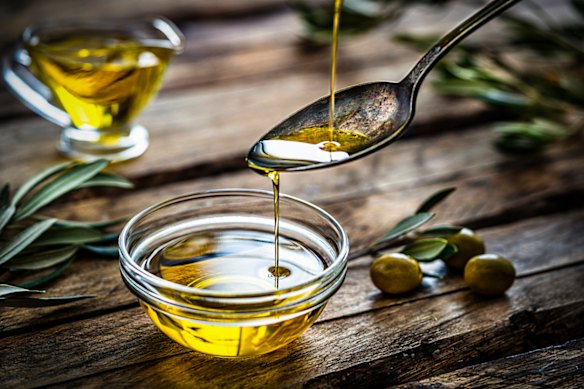
Have you ever wondered what happens if you put extra virgin olive oil in the freezer? You might think it’s a simple kitchen experiment, but the truth could surprise you.
Whether you’re trying to preserve your oil or just curious about its properties, understanding if extra virgin olive oil can freeze—and what that means for your cooking—is key. Keep reading to discover the facts that could change how you store and use this kitchen staple.
Freezing Point Of Extra Virgin Olive Oil
Extra virgin olive oil has a unique freezing point compared to other oils. Understanding this point helps in proper storage and use. The freezing point depends on the oil’s composition and the temperature around it. Knowing when olive oil starts to solidify can prevent confusion about its quality.
How Temperature Affects Olive Oil
Extra virgin olive oil begins to solidify at about 37°F (3°C). It does not freeze like water but turns cloudy and thick. At lower temperatures, it becomes hard and solid. This change is temporary and does not harm the oil’s taste or quality.
Keeping olive oil in a very cold place may cause it to change texture. Letting it return to room temperature will bring back its liquid form. Storing it in a cool, dark place is best to maintain its freshness.
Comparison With Other Oils
| Oil Type | Freezing Point (°F) | Notes |
|---|---|---|
| Extra Virgin Olive Oil | ~37°F (3°C) | Turns cloudy and solidifies at low temps |
| Canola Oil | 14°F (-10°C) | Freezes at much lower temperatures |
| Coconut Oil | 76°F (24°C) | Solid at room temperature, melts when warm |
| Vegetable Oil | 0°F (-18°C) | Remains liquid in most household freezers |
Extra virgin olive oil freezes at a higher temperature than many oils. Coconut oil solidifies even at room temperature. Canola and vegetable oils stay liquid in normal freezer conditions.

Credit: olivoamigo.com
What Happens When Olive Oil Freezes
Have you ever wondered what happens if you put extra virgin olive oil in the freezer? Many people worry about whether freezing olive oil will ruin its quality or make it unsafe to use. Understanding the physical and sensory changes that occur can help you decide if freezing is a good option for your kitchen.
Changes In Texture And Appearance
When olive oil freezes, its texture transforms noticeably. The oil becomes cloudy or solidifies into a thick, waxy mass. This happens because the fats in olive oil start to crystallize at low temperatures.
Interestingly, the freezing point varies depending on the oil’s purity and fatty acid composition. You might find that your extra virgin olive oil turns cloudy just above freezing, while cheaper or blended oils freeze completely. Once brought back to room temperature, the oil usually returns to its normal clear state without any lasting damage.
Impact On Flavor And Aroma
Freezing olive oil generally does not harm its flavor or aroma if done correctly. However, rapid temperature changes can sometimes dull the oil’s vibrant taste. If you notice a slight loss in aroma after freezing, it’s often temporary and improves after the oil warms up.
Have you ever tasted olive oil right after it’s been chilled? You might find the flavors are muted, but this doesn’t mean the oil is spoiled. Storing olive oil in the freezer can actually extend its shelf life by slowing oxidation, so freezing could be a smart way to keep your oil fresh for longer periods.
Safe Storage Tips For Olive Oil
Proper storage of extra virgin olive oil is key to keeping its flavor and health benefits intact. You might wonder if freezing olive oil damages it or extends its shelf life. Understanding the right conditions helps you maintain your oil’s quality, ensuring every drizzle tastes fresh and vibrant.
Ideal Temperature Range
Olive oil is best stored at a cool, steady temperature between 57°F and 70°F (14°C to 21°C). Temperatures outside this range can cause changes in flavor and texture. For example, too much heat accelerates oxidation, making the oil taste rancid faster.
If your kitchen gets warm, consider storing your bottle in a pantry or cupboard away from the stove or windows. While freezing olive oil is possible, it’s not necessary and may alter its texture temporarily. Have you noticed your olive oil becoming cloudy or solid? That’s normal in cold conditions and doesn’t harm the oil.
Avoiding Light And Air Exposure
Light and air are enemies of olive oil quality. Exposure to sunlight or air speeds up the breakdown of antioxidants and healthy fats. That’s why you often see olive oil in dark glass bottles—they help block harmful light.
- Keep your olive oil in a tightly sealed container to prevent air from getting in.
- Choose opaque or dark-colored bottles instead of clear ones.
- Store the bottle away from bright kitchen lights or windows.
Have you ever left your olive oil open for a while and noticed a change in taste? Small habits like sealing the bottle right after use can make a big difference. Treat your olive oil like fresh produce; it deserves careful handling to stay fresh longer.
Credit: www.smh.com.au
Can Freezing Damage Olive Oil Quality
Freezing extra virgin olive oil raises questions about its quality. Many wonder if freezing can harm its taste or health benefits. Understanding how cold temperatures affect olive oil helps in storing it right. The following sections explain what freezing does to olive oil’s chemistry and nutrition.
Chemical Stability During Freezing
Olive oil mainly contains fats that can change at low temperatures. Freezing causes the oil to solidify, but this is a physical change. The chemical structure of fats remains mostly stable during freezing.
Cold can slow down the oxidation process, which spoils olive oil. So, freezing might actually protect the oil from going rancid. Yet, repeated freezing and thawing can cause tiny changes in texture and flavor.
Seal the oil tightly to avoid absorbing odors or moisture. Keep the container airtight to maintain chemical stability.
Effects On Nutritional Properties
Extra virgin olive oil is rich in antioxidants and vitamins. These nutrients can be sensitive to heat, light, and air. Freezing preserves most antioxidants by slowing chemical reactions.
Some minor nutrient loss may happen if the oil is frozen for a very long time. But short-term freezing has little effect on vitamins and healthy fats.
Proper thawing is important. Avoid heating olive oil quickly after freezing to protect its nutrients.
How To Thaw Frozen Olive Oil
Thawing frozen extra virgin olive oil requires care to keep its flavor and texture intact. Proper thawing helps avoid changes in taste and quality. Follow simple steps to gently bring the oil back to its liquid state.
Best Practices For Thawing
- Place the frozen olive oil bottle in the refrigerator. This slows thawing and protects quality.
- Allow the oil to thaw naturally over 12 to 24 hours. Avoid quick temperature changes.
- Keep the bottle sealed to prevent moisture or odors from affecting the oil.
- Do not use a microwave or boiling water. These can damage the oil’s delicate compounds.
- If in a hurry, set the bottle in a bowl of lukewarm water. Change the water frequently.
Restoring Original Quality
Once thawed, gently swirl the bottle to mix any separated components. This helps restore uniform texture.
Check the oil for clarity and smell. Fresh olive oil has a fruity, grassy aroma.
Store thawed olive oil in a cool, dark place. This preserves its flavor and nutrients.
Practical Uses For Frozen Olive Oil
Freezing extra virgin olive oil can extend its usability beyond normal storage. It helps keep the oil fresh for longer periods without losing quality. Frozen olive oil offers several practical uses, especially for those who buy in bulk or enjoy experimenting in the kitchen.
Preserving Bulk Purchases
Buying olive oil in large quantities saves money but risks spoilage. Freezing olive oil slows down oxidation and prevents rancidity. Store the oil in small containers before freezing for easy portion use. This way, you only thaw what you need, reducing waste. The frozen oil keeps its flavor and health benefits during storage.
Creative Culinary Applications
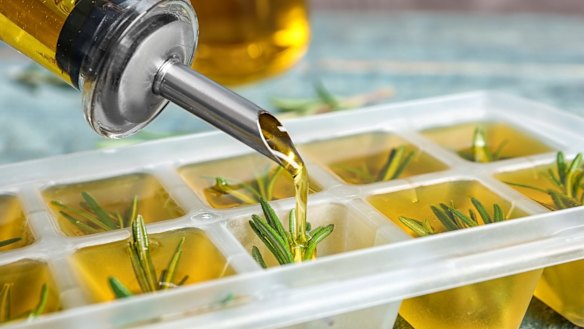
Frozen olive oil opens new cooking possibilities. Use small frozen cubes to add a fresh burst of flavor to dishes. They melt quickly in hot pans, perfect for sautéing vegetables or meats. Frozen oil also works well in dressings or sauces. It adds texture and richness without overpowering other ingredients.

Credit: www.youtube.com
Frequently Asked Questions
Can Extra Virgin Olive Oil Freeze In A Home Freezer?
Yes, extra virgin olive oil can freeze in a home freezer. It becomes cloudy and thick but returns to liquid at room temperature without damage.
How Does Freezing Affect Extra Virgin Olive Oil Quality?
Freezing may cause temporary cloudiness but does not harm the oil’s flavor or nutritional value. Proper thawing restores its original quality.
What Temperature Does Extra Virgin Olive Oil Freeze?
Extra virgin olive oil typically freezes between 20°F and 30°F (-6°C to -1°C), depending on its purity and composition.
Is Freezing Olive Oil Recommended For Long-term Storage?
Freezing olive oil is not generally recommended. It’s better to store it in a cool, dark place to preserve flavor and nutrients.
Conclusion
Freezing extra virgin olive oil doesn’t harm its quality. It may become cloudy or solid when cold. This change is normal. Thaw it at room temperature to return to liquid form. Freezing can even extend shelf life. Perfect for long-term storage.
Always keep the oil in a dark, cool place. A pantry is ideal. Use it within a year for best flavor. Remember, extra virgin olive oil remains a healthy choice. Whether liquid or solid, it retains its benefits. Enjoy its rich taste in your dishes.