Have you ever wondered if fish can actually see the braided fishing line you use? This question might seem simple, but the answer can change the way you fish and improve your catch rate.
Understanding how fish perceive your line can help you choose the right gear and stay one step ahead under the water. Keep reading, because what you learn here could make a big difference the next time you cast your line.
Fish Vision Basics
Fish see the world differently than humans do. Their eyes are built to work well underwater. Understanding how fish see helps anglers choose the right fishing gear.
This knowledge explains if fish can spot things like braided fishing line. Fish vision depends on light, color, and clarity underwater.
How Fish Perceive Light
Fish eyes detect light but not like human eyes. Water changes how light moves and fades. Fish see mostly blue and green light since these colors travel farthest in water.
Light gets weaker as it goes deeper. Fish adapt by having eyes that work well in low light. They can still see shapes and movements even when light is dim.
Color Sensitivity In Fish
Fish see some colors better than others. Most fish see blue and green clearly. Some fish see red, but red light disappears quickly underwater.
Color helps fish find food and avoid danger. Different species have different color vision depending on their habitat and depth.
- Shallow water fish see more colors
- Deep water fish see mostly blue and green
- Color helps in hunting and hiding
Visual Acuity Underwater
Visual acuity means how clearly fish see objects. Water blurs vision more than air. Fish eyes are shaped to reduce this blur.
Fish can see movement better than fine details. This helps them spot prey and predators quickly. Braided fishing line is thin and often hard for fish to see.

Credit: www.ibass360.com
Braided Line Characteristics
Braided fishing line is popular with anglers for its strength and sensitivity. It is made by weaving together several strands of fiber.
This type of line is thin yet strong, allowing for better casting distance and hook-setting power. Its unique properties make it different from other fishing lines.
Material And Color Options
Braided lines are made from fibers like Spectra or Dyneema. These materials provide high strength and low stretch.
Color options include green, yellow, and blue. These colors help camouflage the line in different fishing environments.
- Green blends well in freshwater
- Yellow is visible above water
- Blue is ideal for ocean fishing
Visibility In Different Water Conditions
The visibility of braided line depends on water clarity and color. In clear water, fish may notice the line more easily.
In murky or dark water, the line becomes less visible. Choosing the right color can help reduce detection by fish.
- Clear water: opt for green or camo colors
- Murky water: bright colors can be effective
- Dark water: darker colors are less visible
Comparison With Monofilament And Fluorocarbon
Braided line is different from monofilament and fluorocarbon in several ways. It is thinner and stronger than monofilament.
Unlike fluorocarbon, braided line is not invisible underwater. However, it offers superior sensitivity for detecting bites.
| Type | Visibility | Strength |
| Braided | Visible | High |
| Monofilament | Moderate | Medium |
| Fluorocarbon | Invisible | High |
Fish Behavior Around Lines
Fish can see objects in their water environment, including fishing lines. How fish react to these lines affects fishing success. Understanding fish behavior around lines helps anglers choose the right gear.
Braided fishing lines are popular for their strength and thin diameter. This type of line may look different to fish compared to other lines. Knowing how fish respond to braided lines is important.
Reaction To Visible Lines
Fish often notice fishing lines in the water. Visible lines can cause fish to become cautious or avoid the area. Some fish may even flee if they spot a line close by.
Clear or thin lines, like braided lines, are harder for fish to see. This can reduce their chance of noticing the line and increase catch rates. Fish react less when the line blends with their surroundings.
Effect On Feeding Patterns
Visible fishing lines can change how fish feed. Fish may stop feeding if they see a line near their food. This makes it harder to catch them when they are cautious.
Using less visible braided lines can help fish feed naturally. Fish feel safer and continue feeding even with a line nearby. This improves chances of a successful catch.
Species-specific Sensitivities
Different fish species see and react to fishing lines in various ways. Some species are very sensitive to visible lines. Others do not notice lines as much and behave normally.
- Trout: Highly cautious, avoid visible lines
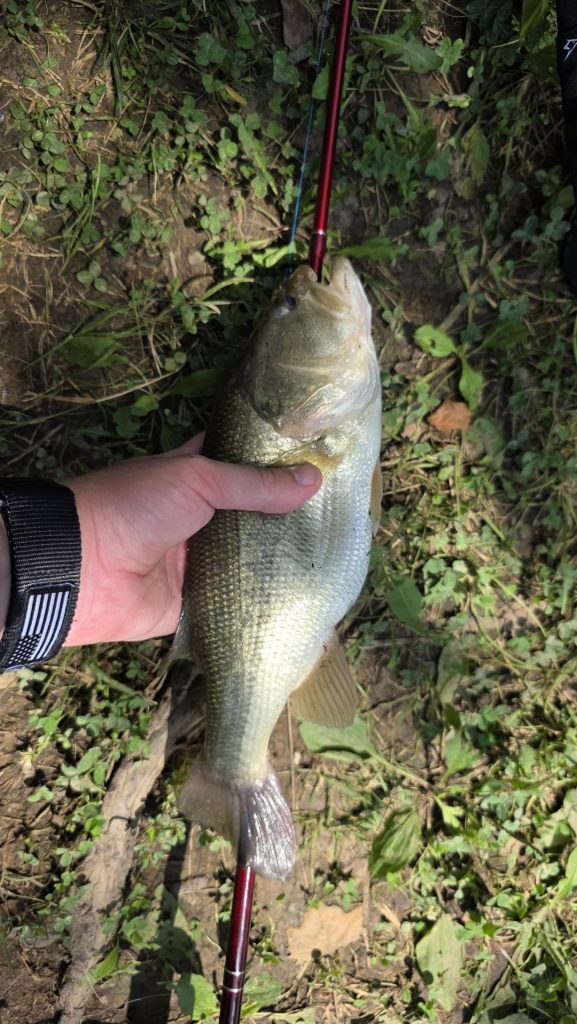
- Bass: Moderate sensitivity, may inspect lines
- Catfish: Less sensitive, focus on scent
- Panfish: Often ignore lines and feed freely

Credit: www.reddit.com
Expert Opinions
Many anglers wonder if fish can see braided fishing line. Understanding this helps choose the right gear. Experts share their views on how visible braided line is underwater.
This topic involves biology, fishing experience, and scientific research. Each expert group gives useful insights about line visibility and fish behavior.
Insights From Biologists
Biologists study fish vision and how fish see their surroundings. Fish have different color perception than humans. Some fish see colors well, while others see mainly shades of blue and green.
They explain that braided lines reflect light differently than clear monofilament lines. This reflection can make braided lines more visible to fish in clear water. In murky water, visibility decreases.
Professional Angler Experiences
Professional anglers often choose braided line for strength and sensitivity. Many say fish can sometimes see braided line, especially in clear water or bright sunlight. They adjust their tactics accordingly.
Some anglers use line color to reduce visibility. Others add fluorocarbon leaders to hide the braid near the bait. These steps help avoid spooking fish.
- Use lighter colors in clear water
- Use darker colors in deep or murky water
- Add a clear leader to make line less visible
Scientific Studies On Line Visibility
Studies use underwater cameras and sensors to check line visibility. They test different types of fishing lines under varied light and water conditions. Results show braided lines reflect more light than monofilament.
Research suggests fish can see braided line more easily in shallow, clear water. In darker or deep water, visibility is much lower. Using leaders with low visibility helps reduce line detection.
- Braided lines reflect more light and can be seen
- Monofilament lines are less visible in many conditions
- Water clarity and light affect line visibility
- Leaders reduce the chance of fish seeing the line
Techniques To Reduce Line Visibility
Fish can see fishing lines, especially braided ones. Reducing line visibility helps catch more fish. Anglers use several methods to make lines less visible in water.
This guide covers line color choices, leaders and treatments, and fishing techniques to avoid detection.
Line Color Selection
Choosing the right line color depends on water clarity and light conditions. Matching line color with the environment helps hide it from fish.
- Use clear or light green lines in clear water
- Dark green or brown lines work well in murky water
- Blue lines blend into deep water
- Fluorescent colors may scare fish in shallow water
Using Leaders And Line Treatments
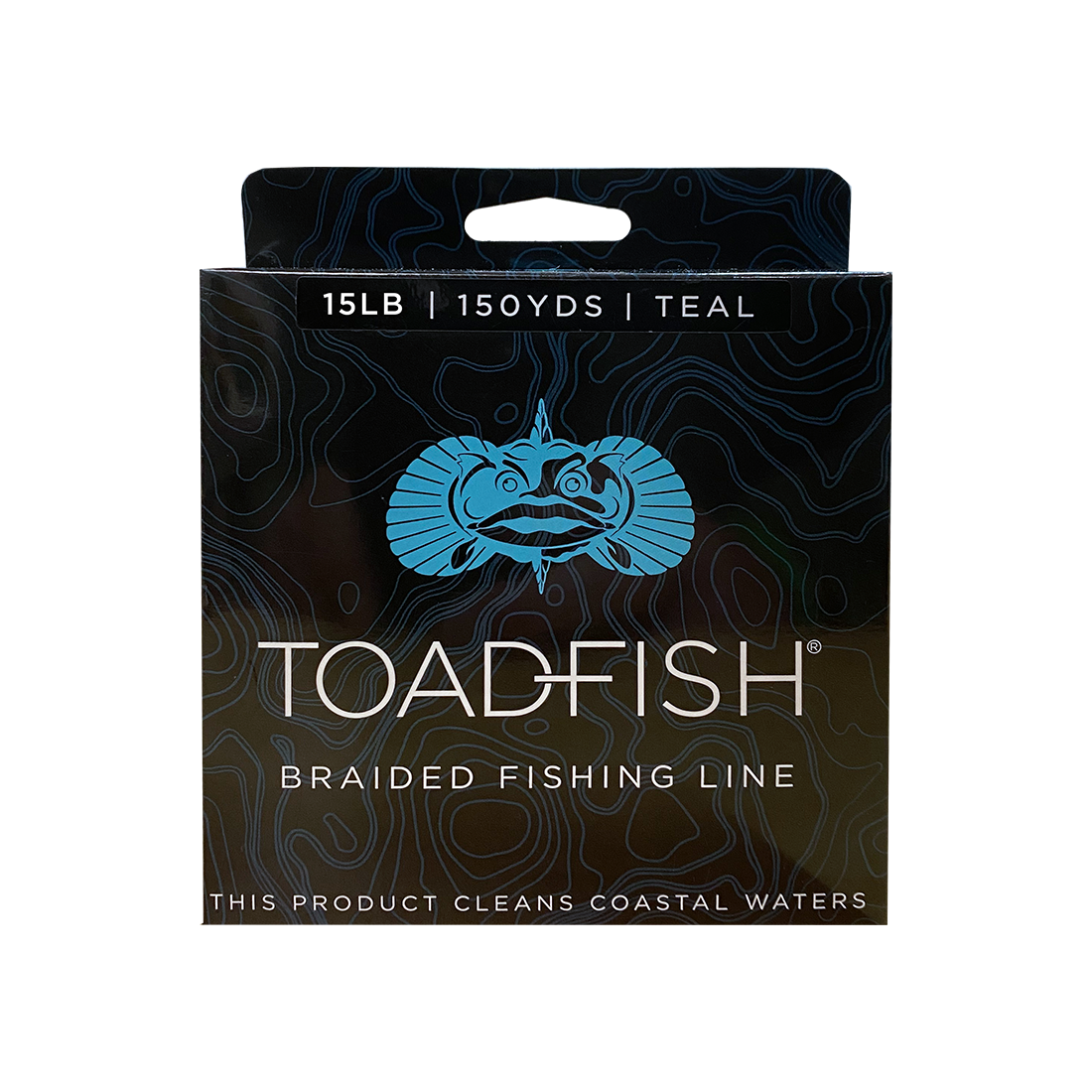
Leaders connect the main line to the hook. Using a clear or fluorocarbon leader can reduce visibility near the bait.
| Type | Visibility | Use |
| Fluorocarbon Leader | Low | Clear water and bright light |
| Mono Leader | Medium | General purpose |
| Wire Leader | High | For sharp-toothed fish |
| Line Treatments | Varies | Apply to reduce shine and glare |
Applying line treatments like anti-reflective coatings can reduce glare. This helps the line blend better underwater.
Fishing Techniques To Minimize Detection
Fishing gently and avoiding sudden movements helps keep the line hidden. The way you cast and retrieve also matters.
- Cast softly to avoid splashing
- Keep slack out of the line for better control
- Use slow, steady retrieves to reduce line movement
- Fish near natural cover to hide the line
Credit: toadfish.com
Frequently Asked Questions
Can Fish See Braided Fishing Line Underwater?
Fish can see braided fishing line, but it is less visible than monofilament. Its thin diameter and low stretch make it harder to detect.
Does Braided Line Affect Fish Behavior While Fishing?
Braided line’s low visibility reduces fish spooking. However, fish sensitivity varies by species and water clarity conditions.
What Colors Of Braided Line Are Least Visible To Fish?
Green, brown, and clear braided lines blend well in water. Choose colors matching the water environment for better camouflage.
How Does Water Clarity Impact Braided Line Visibility?
In clear water, braided line is more visible to fish. In murky water, its visibility decreases, making it more effective for fishing.
Conclusion
Fish can see braided fishing line, but not very well. The line’s thin and often blends with water. Choosing the right color helps it stay less visible. Fish rely more on movement and vibrations than sight. Using braided line does not scare fish away easily.
Anglers should focus on technique and patience. Clear water may make the line easier to spot. Still, fish mostly react to bait, not line type. Understanding this helps improve fishing success. Keep your gear simple and fish smart.