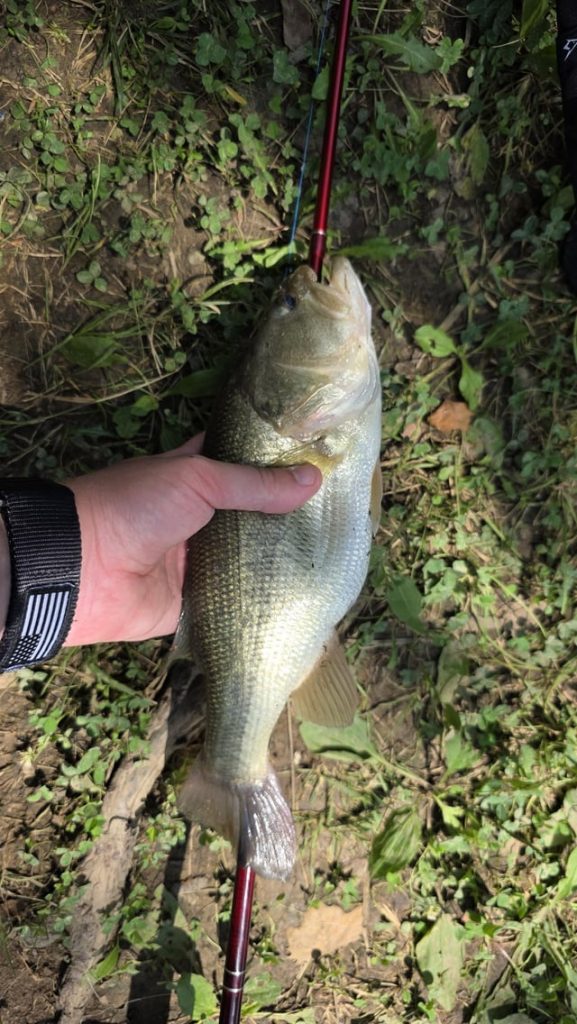
Have you ever wondered if fish can actually see braided fishing line? This question might seem small, but it can make a big difference in your fishing success.
If fish spot your line easily, they might swim away before you even get a bite. Understanding how visible your braided line is underwater can help you choose the best gear and improve your catch rate. Keep reading to discover the surprising truth about braided fishing lines and how you can use this knowledge to fish smarter, not harder.

Credit: www.ibass360.com
Fish Vision Basics
Fish have eyes that work differently from humans. Their vision helps them find food and avoid danger underwater.
Understanding how fish see can explain if they notice fishing lines, like braided ones, in the water.
How Fish See Underwater
Fish eyes are adapted to see clearly underwater. They focus light differently than human eyes.
Water changes how light moves, so fish have special lenses to help them see shapes and movement.
Color Perception In Fish
Fish can see colors, but not all fish see the same colors. Some see bright colors well.
Colors like blue and green are easier for many fish to see because these colors travel well in water.
- Fish see blues and greens best
- Red colors fade fast underwater
- Some fish see ultraviolet light
Light And Water Clarity Effects
Light gets weaker and changes color when it passes through water. Clear water lets more light through.
Murky water blocks light, making it hard for fish to see fine details like thin fishing lines.

Credit: www.reddit.com
Braided Line Characteristics
Braided fishing line is popular among anglers. It offers strength and durability for fishing.
This type of line has unique features that affect how fish see it underwater. Let’s explore these traits.
Material And Texture
Braided line is made of woven fibers, usually polyethylene. It feels smooth but is very strong.
The thin, round shape helps it cut through water easily. The texture can reflect light differently than other lines.
Visibility Compared To Monofilament
Braided line is less visible in water than monofilament in some cases. It does not stretch much, so it stays tight.
Monofilament can be clearer but often looks thicker. Braided line is thinner but may reflect more light.
- Braided line: thin, strong, may shine in light
- Monofilament: thicker, clearer, stretches more
Impact Of Line Color
Colors affect how fish see braided line underwater. Dark colors blend in better in deep water.
Bright colors stand out and can scare fish in clear water. Some anglers choose colors based on water clarity.
- Green and brown blend with plants and bottom
- Bright yellow or orange is easier to see above water
- Clear or blue colors suit open, clear water
Scientific Studies On Line Visibility
Fishermen often ask if fish can see braided fishing lines. Scientists have studied how fish detect different fishing lines in water. This research helps understand fish behavior near lines.
Braided fishing lines are popular because they are strong and thin. Their visibility to fish is important for better fishing results. Let’s look at what studies say about this.
Research Findings On Fish Line Detection
Scientists tested fish reaction to various fishing lines, including braided lines. They used clear tanks and different light conditions to see if fish notice the lines.
Results show fish can see fishing lines depending on water clarity and light. Braided lines are often less visible than monofilament lines. Their thin diameter helps reduce detection by fish.
- Water clarity affects line visibility
- Light reflection on braided line is low
- Fish detect thicker lines more easily
- Braided lines blend better in clear water
Behavioral Responses Of Fish To Lines
Fish often change behavior when they see fishing lines. Some avoid the area, while others stay close. Fish reaction depends on line type and environment.
Studies found fish are less scared of braided lines. The low visibility means fish do not flee as much. This can increase chances of a successful catch.
- Fish swim away from visible lines
- Less visible braided lines cause less fear
- Fish may approach bait more with braided lines
- Behavior varies by fish species and water type
Factors Influencing Line Visibility
Fish can see fishing lines in different ways. Some lines are easier to spot than others. Many factors decide if fish notice the line.
Understanding these factors helps anglers choose the best line. It can increase chances of catching fish.
Water Conditions And Lighting
Water clarity affects how visible the line is. Clear water makes lines easier to see. Murky water hides lines better.
Lighting changes line visibility too. Bright light makes lines shine and stand out. Low light or shade reduces line visibility.
- Clear water + bright light = high line visibility
- Muddy water + low light = low line visibility
- Sun angle can create reflections on the line
- Underwater plants may hide or reveal lines
Fish Species Differences
Different fish see lines in different ways. Some fish have better eyesight and see lines easily. Others rely more on movement than sight.
Fish behavior also matters. Aggressive fish may attack near the line. Shy fish might avoid any visible line.
- Predatory fish often see lines better
- Bottom feeders may not notice lines as much
- Species with sharp eyesight spot thin lines easily
- Some fish avoid shiny or reflective lines
Line Thickness And Movement
Thicker lines are easier for fish to see than thin lines. Thinner braided lines blend better with water.
Movement of the line can catch fish attention. A still line is less visible than one that moves in the current.
- Thin braided lines reduce visibility
- Line movement may mimic natural prey
- Strong currents increase line motion
- Slow or no movement makes the line less visible
Practical Tips For Using Braided Line
Braided fishing line is strong and thin, making it popular among anglers. Still, fish can sometimes see the line in clear water.
Here are some practical tips to help you use braided line without spooking fish.
Choosing The Right Color
Picking the right color helps the line blend into the water. This lowers the chance that fish will see it.
Choose colors based on water clarity and light conditions. Bright lines work well in dark water. Clear or green lines are better for clear water.
- Use green or camo colors in clear water
- Bright colors like yellow work in murky water
- Clear or blue lines suit open water fishing
Techniques To Minimize Line Detection
Use techniques that make the line less visible to fish. Keep the line tight to avoid slack that moves in the water.
Cast with gentle motions to stop the line from splashing. Try to keep the line under the surface to lower reflections.
- Keep line tight to reduce movement
- Use smooth, quiet casts
- Fish with the line below the water surface
- Avoid sudden jerks that make the line flash
Combining Braided Line With Leaders
Attach a leader made from clear or fluorocarbon line to your braid. This helps hide the line near your bait or lure.
Leaders reduce the chance that fish will see the braided line. They also add abrasion resistance and flexibility.
- Use a clear leader to make the line less visible
- Match leader length to water and fishing style
- Choose leader strength based on target fish
- Tie strong knots to connect braid and leader
Credit: toadfish.com
Frequently Asked Questions
Can Fish Detect Braided Fishing Line?
Fish can sometimes detect braided fishing lines. Braided lines are more visible in clear water due to their thickness and color. Some fish might be deterred, while others may not notice or care. Using a leader or choosing a color that blends with the water can help reduce visibility.
Why Use Braided Line For Fishing?
Braided lines are strong and durable, offering superior sensitivity. They allow anglers to feel even the slightest bites. Their thin diameter enables longer casts and better line capacity. Despite being more visible, their benefits in strength and sensitivity often outweigh the drawbacks for many anglers.
Does Line Color Affect Fish Catching?
Line color can affect fish catching, especially in clear water. Fish might be spooked by visible lines. Camouflaging the line with the water environment increases chances of success. Selecting the right color according to water conditions can enhance catch rates.
How Do You Make Braided Line Less Visible?
To make braided lines less visible, use a fluorocarbon or monofilament leader. These materials are less visible underwater. Choose a leader length of 3 to 6 feet. Matching the leader’s color to the water increases stealth. This combination balances strength and invisibility.
Conclusion
Fish can see braided fishing line, but not very clearly. The line’s thinness and color help it stay less visible. Fish rely more on movement and vibration than sight alone. Choosing the right line color and thickness matters a lot.
Always consider water clarity and fish type before fishing. Small details can improve your chances to catch fish. Use this knowledge to fish smarter and enjoy your time outdoors. Simple changes make a big difference in fishing success.