Have you ever wondered if fish can actually see the braided fishing line you use? If you’re serious about catching more fish, this question matters more than you might think.
Understanding how visible your line is underwater can change the way you approach fishing and improve your chances of success. You’ll discover the truth behind fish vision and braided lines, so you can make smarter choices on your next trip.
Keep reading to find out what really happens beneath the surface and how it affects your catch.
Fish Vision Basics
Fish rely on their vision to find food and avoid danger. Their eyes work differently than human eyes. Understanding fish vision helps anglers choose the right gear.
Fish see light, colors, and shapes underwater. But water changes how they perceive these things. This affects how they notice fishing lines, like braided lines.
How Fish Perceive Light
Fish eyes detect light using special cells called rods and cones. Rods help them see in low light. Cones detect colors in brighter light.
Water absorbs and scatters light. This changes how much light reaches fish eyes. Clear water lets more light through. Murky water blocks light.
- Light intensity affects fish vision range
- Deeper water reduces visible light
- Fish adjust their vision to different light levels
Color Detection In Water
Water absorbs colors starting with red, then orange and yellow. Blue and green colors travel farther underwater. Fish see colors based on water depth and clarity.
Some fish see colors better than others. This helps them find food or mates. Color detection can affect how visible a braided line is to fish.
- Shallow water shows more colors
- Deep water mostly shows blue and green
- Fish have different color vision abilities
Visual Acuity Of Different Species
Visual acuity means how clearly a fish sees details. Some fish have sharp vision to spot small prey. Others have less sharp vision but better motion detection.
Predatory fish often have better vision. They can notice thin lines like braided fishing lines more easily. Other species may not see fine details well.
- Predators usually have sharper eyesight
- Prey fish focus on movement, not fine details
- Vision sharpness varies by species and habitat
Braided Line Characteristics
Braided fishing lines are popular among anglers. They are known for their strength and durability. These lines are made by weaving fibers together, making them strong.
They are thinner than other lines, allowing for longer casts. Braided lines have unique features, which can affect their visibility in water.
Material And Color Options
Braided lines are made from synthetic fibers. Common materials include Spectra and Dyneema. These materials are strong and resistant to abrasion.
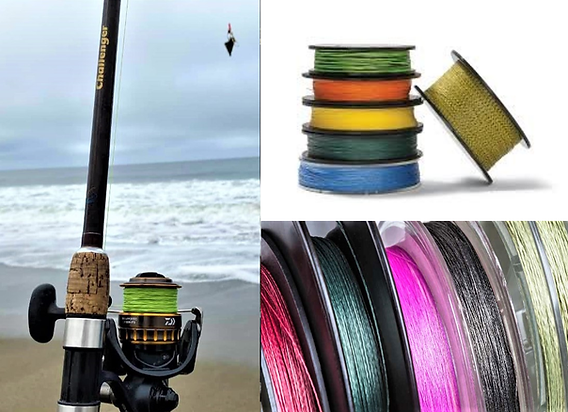
Braided lines come in many colors. Popular options are green, yellow, and blue. Color choice can affect fish visibility.
- Green blends with plants
- Yellow is easy to see for anglers
- Blue works well in clear water
Visibility In Various Water Conditions
Water conditions affect line visibility. In clear water, fish may see the line easily. In muddy water, the line is less visible.
Anglers choose line colors based on water conditions. In clear water, a subtle color works best. In darker water, brighter colors may be useful.
| Clear Water | Use green or blue |
| Muddy Water | Choose yellow or orange |
Advantages Over Other Lines
Braided lines have several advantages. They are stronger than monofilament lines. Their thin diameter allows more line on the reel.
Braided lines also have less stretch. This helps with sensitivity and hook setting. Anglers can feel even the smallest bites.
- High strength for big fish
- More line capacity on reels
- Better sensitivity
Fish Reaction To Braided Line
Fish rely on their senses to detect fishing lines. Anglers wonder if fish can see braided lines clearly. Understanding fish reactions helps improve fishing techniques.
Braided lines are thin and strong, but their visibility underwater varies. Fish may react differently based on water conditions and line movement.
Sensitivity To Line Movement
Fish feel vibrations through the water. Braided lines transmit movement well because they lack stretch. Fish can sense even small tugs and movements.
This sensitivity helps fish detect hooks or danger. Smooth, steady line movement is less likely to scare fish away. Sudden jerks can alert them to something unusual.
Detection Based On Water Clarity
Clear water makes it easier for fish to see braided lines. The thin line may reflect light or create shadows. In murky water, visibility drops, and fish rely more on vibrations.
Light conditions also affect how fish see the line. Bright sunlight can make the line more visible, while low light hides it better.
- Clear water increases line visibility
- Murky water lowers visual detection
- Bright light makes line stand out
- Low light helps hide the line
Behavioral Studies On Line Awareness
Studies show some fish notice the line and act cautiously. Fish may bite gently or refuse to bite if they see the line. Others ignore the line and focus on the bait.
Fish behavior changes with experience. Fish in heavily fished areas may learn to avoid visible lines. This shows they can recognize braided lines and react differently.
- Fish may test bait without fully biting
- Experienced fish avoid visible lines
- Some fish ignore the line completely
- Behavior varies by fish species

Credit: www.youtube.com
Techniques To Minimize Line Visibility
Fishing lines can scare fish if they are too visible. Using smart methods helps hide the line. This makes fish less likely to notice and swim away.
Below are key ways to reduce the visibility of your fishing line. These techniques improve your chances of a successful catch.
Using Leaders And Tippets
Leaders and tippets are thin, clear or low-visibility lines attached to the main line. They help keep fish from seeing the line near the bait.
- Use fluorocarbon leaders as they are less visible underwater.
- Match the leader strength to the size of the fish you want to catch.
- Keep leader length short to avoid tangles but long enough to reduce line visibility.
- Choose tippets that blend with water color and conditions.
Choosing The Right Line Color
Line color affects how well the line blends with water and light. Picking the right color is important for hiding the line.
| Water Type | Recommended Line Color |
| Clear Water | Light green or clear |
| Stained Water | Dark green or brown |
| Saltwater | Blue or gray |
| Low Light | Fluorescent or light colors |
Fishing In Different Light Conditions
Light changes how visible your line looks to fish. Adjust your line choice based on the light and time of day.
- Use clear or light-colored lines in bright sunlight to blend with water reflections.
- Choose darker lines at dawn or dusk to match low light shadows.
- Try fluorescent lines in murky water or overcast days for better visibility to you and less to fish.
Common Myths About Braided Line
Many anglers wonder if fish can see braided fishing lines. There are several myths about how visible braided lines are underwater. Understanding these myths helps you choose the right line for fishing.
This article looks at common ideas about line visibility and how it affects fishing success. We compare braided lines to monofilament and discuss if fish get spooked by braided lines.
Line Visibility And Fish Spooking
Many anglers think fish can easily see braided lines. Some believe this scares fish away. The truth is fish see shapes and movements more than line color or thickness. Braided lines are thin and strong, but visibility depends on water clarity and light.
- Fish rely on movement, not line color, to detect danger.
- Clear water makes any line more visible, not just braided lines.
- Using a leader with braided line can reduce visibility near the bait.
- Fish often ignore lines if the bait looks natural.
Braided Line Vs. Monofilament Visibility
| Feature | Braided Line | Monofilament Line |
|---|---|---|
| Line Thickness | Thinner for same strength | Thicker for same strength |
| Visibility in Water | More visible in clear water | Less visible due to light refraction |
| Color Options | Usually solid colors | Varies; some are clear or low visibility |
| Stretch | Very low stretch | More stretch, absorbs shock |
Monofilament often blends better in water, but braided line offers strength with less diameter. Anglers use braided line with a fluorocarbon leader to reduce visibility near the hook.
Effectiveness In Catch Rates
Some think braided lines reduce catch rates because fish see them. Studies and angler reports show catch rates depend more on technique and bait than line type.
- Choose line strength suitable for target fish.
- Use a leader to lower line visibility near the bait.
- Focus on bait presentation and location.
- Test different lines to see what works best in your water.

Credit: thegww.com
Tips For Anglers Using Braided Line
Braided fishing line is strong and thin. Many anglers wonder if fish can see it underwater.
Using braided line well helps catch more fish and avoid scaring them away.
Best Practices For Casting And Retrieval
Cast smoothly to avoid line twisting and tangles. Braided line has little stretch, so control is key.
Retrieve your lure at a steady speed. Sudden jerks can scare fish or cause line breakage.
- Use a rod with a smooth action for better control
- Practice long, gentle casts to reduce backlash
- Keep a steady retrieve speed to mimic natural bait movement
Maintaining Line Stealth
Fish see braided line more than monofilament. Choose lighter colors to blend with water.
Use a fluorocarbon leader to hide the line near your lure or bait. This reduces visibility.
- Pick line colors like green, brown, or clear for your fishing spot
- Attach a fluorocarbon leader at least 12 inches long
- Keep line tension steady to avoid slack that fish can notice
Selecting Gear To Complement Braided Line
Choose reels with smooth drag systems to protect braided line from snapping.
Use rods designed for braided line to improve casting distance and sensitivity.
- Spool braided line tightly to prevent slippage on the reel
- Pick rods with sensitive tips for better bite detection
- Use reel drag settings that match the strength of your line

Credit: www.youtube.com
Frequently Asked Questions
Can Fish See Braided Fishing Line Underwater?
Fish can detect braided line due to its visibility and light reflection. However, water conditions affect how well they see it. Clear water makes the line more noticeable, while murky water reduces visibility. Using lighter colored or camouflaged lines helps minimize detection.
Does Braided Line Scare Fish Away Easily?
Braided line can spook fish if it’s visible in clear water. Its thin diameter and strength attract anglers, but its visibility may cause cautious fish to avoid the bait. Choosing low-visibility colors or fluorocarbon leaders reduces the chance of scaring fish.
How Does Braided Line Visibility Compare To Monofilament?
Braided line is more visible than monofilament due to its woven texture and brightness. Monofilament blends better with water and is less reflective. For clear water fishing, monofilament or fluorocarbon lines often offer better stealth than braided lines.
What Water Conditions Affect Braided Line Visibility?
Clear and calm water increases braided line visibility, making fish more aware. Murky, stained, or turbulent water decreases line visibility, reducing fish detection. Adjusting line color and using leaders can help adapt to different water conditions.
Conclusion
Fish have limited ability to see braided line clearly. Their vision focuses more on movement than fine details. Using braided line does not scare fish away easily. Choosing the right line color helps reduce visibility underwater. Anglers benefit from understanding how fish perceive their gear.
This knowledge improves fishing success and enjoyment. Keep fishing simple and observe how fish react. Experiment with different lines to find what works best. Remember, patience and practice make a big difference. Fish care more about bait than the type of line.