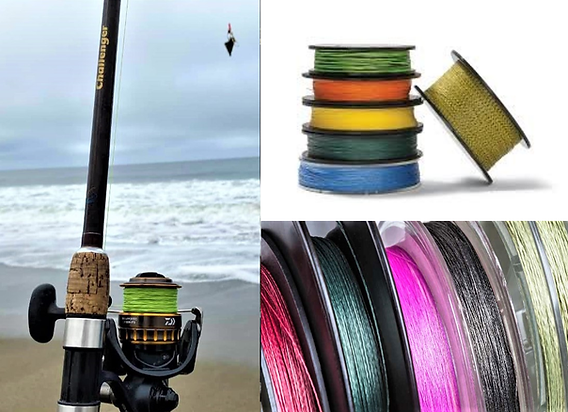
Have you ever wondered if fish can actually see the braided line you’re using? This question might seem simple, but the answer can make a big difference in how successful your fishing trips are.
If fish spot your line, they might get spooked and swim away before you even get a bite. Understanding whether your braided line is visible to fish can help you choose the right gear and improve your chances of landing that catch.
Keep reading to discover the surprising truth about braided lines and how fish perceive them—your next fishing adventure could depend on it.
Fish Vision Basics
Fish see the world differently than humans. Their vision helps them find food and avoid danger.
Understanding fish vision explains how they notice fishing lines, like braided line.
How Fish See Colors
Fish can see many colors, but not all the same as humans. Some see more colors in water.
Color vision helps fish spot prey and recognize their surroundings clearly.
- Many fish see blue and green well
- Some fish see ultraviolet light
- Colors may look different at various water depths
Light And Water Clarity
Light changes as it passes through water. Water clarity affects how far fish can see.
Clear water lets in more light, making colors and shapes easier for fish to detect.
- Murky water reduces light and visibility
- Light gets dimmer with depth
- Sunlight angle changes what fish see
Visual Acuity In Fish
Visual acuity means how sharp fish can see. It varies by fish species and eye structure.
Some fish see fine details well, while others see only shapes and movement.
- Fish close to the surface usually have sharper vision
- Predatory fish tend to have better visual acuity
- Visual sharpness helps fish detect thin fishing lines
Characteristics Of Braided Line
Braided fishing lines are popular among anglers. They have unique features that set them apart from other types of lines.
This type of line is known for its strength and durability. Let’s explore its characteristics further.
Material And Texture
Braided lines are made from synthetic fibers. These fibers are woven together to create a strong line. The texture is generally smooth, which helps in casting.
| Material | Characteristics |
| Dyneema | High strength |
| Spectra | Low stretch |
| Microfibers | Durable |
Visibility Underwater
Visibility is a key factor when choosing a fishing line. Fish may detect lines that are too visible. Braided lines are often more visible underwater.
- Light conditions affect visibility
- Water clarity plays a role
- Fish species may react differently
Comparison With Monofilament And Fluorocarbon
Each type of fishing line has its own strengths. Braided lines differ from monofilament and fluorocarbon lines in several ways.
Fluorocarbon:
Braid:
Factors Affecting Line Visibility
Fish seeing braided line depends on many things. Line visibility changes with water and light.
Understanding these factors helps anglers choose the best line. It also improves fishing success.
Water Conditions
Clear water makes braided line easier for fish to see. Murky water hides the line better.
Current speed also matters. Fast water moves the line more, catching fish attention.
- Clear water increases line visibility
- Murky water reduces line visibility
- Strong currents make line movement more visible
- Still water may let the line stay hidden
Light Angles And Reflections
Sunlight angle changes how the line looks underwater. Direct light can make line shine or glare.
Reflections on the water surface can also hide or show the braided line to fish.
- Low sun angles cause more glare on the line
- Bright light highlights braided line texture
- Cloudy days reduce line visibility
- Reflections can confuse fish about line location
Fish Species And Behavior
Some fish see braided line better than others. Their eyesight and habits affect line detection.
Predatory fish often watch lines closely. Shy fish may ignore small line movements.
- Fish with sharp vision spot braided line easily
- Predators react to line movement quickly
- Some species avoid bright or shiny lines
- Fish behavior changes by time and environment

Credit: www.youtube.com
Scientific Studies On Line Detection
Fish use sight to detect objects in their environment. This ability helps them avoid predators and find food. Understanding if fish see braided fishing lines is important for anglers and researchers.
Scientists have studied how fish react to different types of fishing lines. These studies test if fish can see braided line and if it affects their behavior.
Research On Fish Reaction To Lines
Researchers observed fish near various fishing lines to check their response. They tested braided lines, monofilament, and fluorocarbon lines under different water conditions.
Fish showed different reactions based on line visibility. Some fish avoided visible lines, while others did not react strongly. Light and water clarity also influenced fish behavior.
- Braided lines are more visible in clear water.
- Monofilament lines blend better in murky water.
- Fish may avoid lines that reflect light.
Experimental Findings
Experiments used tanks and natural settings to test fish reactions. Scientists recorded fish movements near different fishing lines. They noted changes in feeding and swimming patterns.
Results showed fish can see braided lines under certain conditions. Bright braided lines caused more avoidance than darker ones. Fish sometimes struck less when lines were visible.
| Line Type | Visibility | Fish Reaction |
|---|---|---|
| Braided Line (Bright) | High | More avoidance |
| Braided Line (Dark) | Medium | Moderate reaction |
| Monofilament | Low | Less avoidance |
| Fluorocarbon | Very Low | Minimal reaction |
Limitations Of Current Research
Most studies use controlled environments that may not match natural waters. Fish behavior can change in real lakes or rivers. Water conditions vary widely in the wild.
Research often focuses on a few fish species. Different species have different vision abilities. More studies are needed on diverse species and settings.
- Controlled tanks may not reflect natural fish behavior.
- Water clarity and light affect line visibility.
- Fish species differ in line detection skills.
- More field studies are required for better data.
Practical Tips For Anglers
Many anglers wonder if fish can see braided fishing lines. The visibility of your line can affect your catch. Using the right tactics helps reduce line visibility underwater.
This guide shares simple tips to help you choose and manage your fishing line better. These tips aim to lower the chance that fish spot your line.
Choosing The Right Line Color
Line color matters because fish see colors differently underwater. Pick a color that blends with the water where you fish. Clear or light green lines work well in clear water. Darker lines suit murky water better.
- Use clear or light green for clear water
- Choose dark green or brown for muddy water
- Avoid bright colors that stand out underwater
Line Management Techniques
Good line handling lowers line visibility and improves fishing success. Keep your line tight to avoid slack that fish can see. Use smooth casts to reduce line disturbance in water. Recheck knots often to keep them neat and small.
- Keep line tight but not too tight
- Cast smoothly to avoid splash and noise
- Trim excess line after tying knots
- Check knots regularly for neatness
Reducing Line Visibility In Different Waters
Water conditions change how visible your line is. In clear water, use thin, clear lines to blend in. In stained or dark water, thicker and darker lines work better. Adjust your line choice based on light and depth too.
- Use thin, clear lines in clear water
- Try darker lines in stained or dark water
- Match line type to water depth and light level
- Consider fluorocarbon leaders for low visibility

Credit: www.youtube.com
Common Myths About Braided Line
Many anglers wonder if fish can see braided fishing line. There are several myths about how fish react to this line type.
Understanding these myths helps anglers choose the right gear and improve their fishing experience.
Myth: Fish Avoid Braided Line
Some people think fish stay away from braided line. They believe the line scares fish because it looks unnatural.
In reality, fish focus more on bait and movement than the line. Fish rarely notice the line if the bait looks real.
Myth: Braided Line Is Always Visible
Many anglers believe braided line is easy for fish to see underwater. They think its bright colors make it stand out.
Actually, braided line can be less visible than monofilament in some water types. Its thin diameter helps reduce visibility.
- Clear water: braided line blends well with surroundings
- Murky water: line color matters less
- Bright colors help anglers track line, not fish see it clearly
Separating Fact From Fiction
It is important to know facts about braided line. This helps anglers make smart choices about their fishing gear.
Fish do not avoid braided line just because it is braided. Its visibility depends on water and light conditions.
- Fish mainly react to bait, not line type
- Line color and thickness affect visibility more than material
- Using leaders can reduce line visibility near the bait

Credit: thegww.com
Frequently Asked Questions
Can Fish See Braided Fishing Lines Underwater?
Fish can detect braided lines due to their visibility underwater. Braided lines are thicker and less transparent than monofilament, making them more noticeable to fish in clear water.
How Does Braided Line Visibility Affect Fish Behavior?
Braided line visibility can make fish cautious and reduce bite rates. Clear water and bright light increase line visibility, causing fish to avoid the area near the line.
Are Braided Lines More Visible Than Monofilament Lines?
Yes, braided lines are generally more visible than monofilament lines. Braided lines lack stretch and are usually thicker, which enhances their visibility to fish.
Can Fish Adapt To Seeing Braided Lines Over Time?
Fish can become less wary of braided lines with repeated exposure. Experienced fish in heavily fished areas may ignore the line if bait or lure presentation is natural.
Conclusion
Fish can see braided line, but it depends on water clarity and light. Braided line is often less visible than other lines. Fish mostly notice movement, not the line itself. Choosing the right color helps reduce visibility. Using braided line can improve your fishing experience.
Keep your line thin and well-maintained for better results. Understanding fish vision helps you fish smarter. Try different lines to see what works best. Fishing success often comes from simple choices. Keep practicing and enjoy your time on the water.