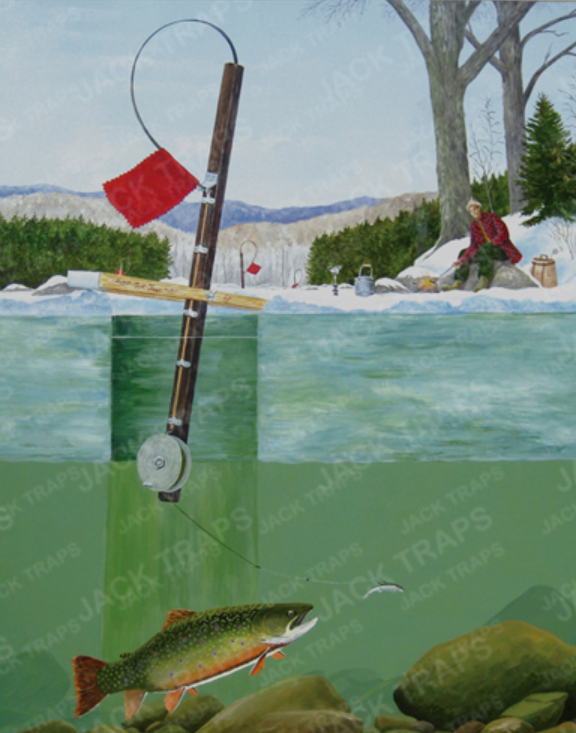
Have you ever wondered if fish can actually see your fishing line? This question might seem simple, but the answer could change how you approach your next fishing trip.
If fish notice your line, it might scare them away, making it harder for you to catch anything. But if they don’t, you have a better chance of landing that big catch. You’ll discover what fish really see underwater and how this knowledge can improve your fishing game.
Keep reading to learn the secrets that could make your next fishing adventure more successful.

Credit: www.youtube.com
Fish Vision Basics
Fish live in a world full of colors and shapes under water. Their eyes help them find food and avoid danger.
Understanding how fish see can help explain if they notice fishing lines or not.
How Fish See Underwater
Fish eyes are made to work well in water. They have a round lens that helps focus light.
Water changes how light moves, so fish see things differently than humans.
Color Perception In Fish
Fish can see colors, but not all fish see the same colors. Some see bright colors well.
They use color to find food, mates, and to hide from predators.
- Many fish see blue and green best
- Some fish see red, but others do not
- Color vision helps fish spot objects in water
Light Refraction And Visibility
Light bends when it moves from air to water. This is called refraction.
Fishing lines can be hard to see because light bends and water can blur edges.
- Clear lines are less visible under water
- Light reflection on lines can make them shine
- Water movement changes line visibility
Visibility Of Fishing Lines
Fishing lines can be seen by fish depending on several factors. These factors include the material, color, thickness, and water conditions. Understanding these helps anglers choose the best line for fishing.
Fish vision varies by species, but many can detect lines if they are visible. Clear or well-camouflaged lines reduce the chance of spooking fish and increase catch rates.
Material And Color Impact
Fishing lines come in different materials like monofilament, fluorocarbon, and braided lines. Each material has unique visibility features underwater. Color also plays a role in how well fish see the line.
- Monofilament:Often clear or lightly colored, it can be visible in clear water.
- Fluorocarbon:Nearly invisible underwater due to its light refraction properties.
- Braided:Usually colored, making it more visible to fish, especially in clear water.
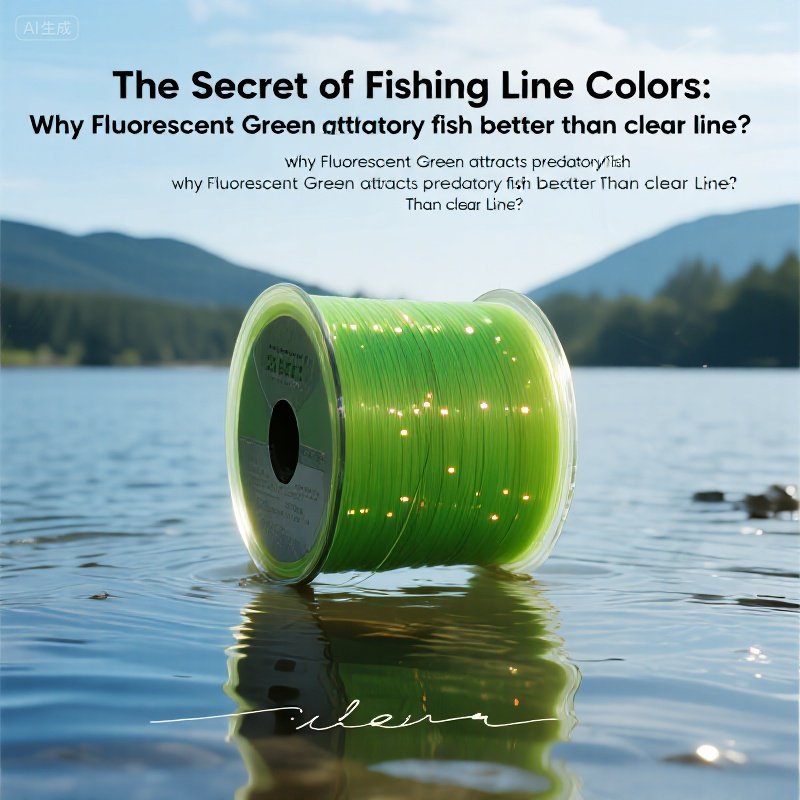
- Line Color:Green or blue lines blend better in water with vegetation or open water, while clear lines work best in very clear water.
Line Thickness And Transparency
Thinner lines are less visible to fish but may be weaker. Transparency helps reduce line visibility, especially in clear water. Anglers balance strength with invisibility for best results.
| Line Type | Typical Diameter (mm) | Visibility |
| Monofilament | 0.18 – 0.40 | Medium |
| Fluorocarbon | 0.15 – 0.35 | Low |
| Braided | 0.10 – 0.30 | High |
Effect Of Water Conditions
Water clarity, light level, and movement affect fishing line visibility. Clear water and bright light make lines easier to see. Murky water or low light hides lines better.
Key water conditions that change line visibility:
- Clear or cloudy water
- Sunny or overcast days
- Still water or flowing currents
- Presence of algae or debris
Fish Behavior Around Lines
Fish can see fishing lines in the water. Their behavior changes around these lines. Understanding this helps anglers catch more fish.
Different fish react differently to fishing lines. Some avoid them, while others get curious. Knowing these behaviors is important for successful fishing.
Avoidance Tactics
Some fish avoid fishing lines when they see them. This makes catching them harder. Fish may swim away quickly if they notice a line.
Fish with better vision are more likely to avoid lines. They use their eyes to detect danger and escape.
- Fish swim away from visible lines
- Clear lines are less noticeable
- Thick lines are easier to spot
Curiosity And Investigation
Some fish are curious about new things. They might swim closer to investigate a fishing line. This can lead them to the bait.
Curious fish may bite the bait out of interest. They explore their environment to find food.
- Curious fish approach lines
- New objects intrigue them
- Investigation can lead to bites
Species-specific Responses
Different fish species have different reactions to lines. Some species are more cautious, while others are bold.
Understanding species-specific behavior helps in selecting the right line. This can improve the chances of catching a specific type of fish.
| Species | Behavior |
| Bass | Curious, often investigates |
| Trout | Wary, avoids visible lines |
| Catfish | Less affected, relies on smell |
Credit: goofishrod.com
Techniques To Reduce Line Visibility
Fish can see fishing lines in water. This may scare them away. Using the right techniques can hide your line better.
Reducing line visibility helps catch more fish. Try different colors and materials. Also, manage your line well during casting.
Choosing The Right Line Color
Pick a line color that blends with the water. Clear lines work well in clear water. Green or blue lines suit stained water.
Matching the line color to water helps fish not see it. Avoid bright or unnatural colors that stand out.
- Clear lines for very clear water
- Green lines for green or weedy water
- Blue lines for deep or blue water
- Brown lines for muddy water
Using Fluorocarbon Vs. Monofilament
Fluorocarbon line is less visible under water. It bends light like water does. This makes it hard for fish to see.
Monofilament is cheaper but more visible. It also floats more and can reflect light. Choose fluorocarbon for clear water fishing.
- Fluorocarbon sinks faster and is clearer
- Monofilament is cheaper and stretches more
- Use fluorocarbon for clear or deep water
- Monofilament works for surface fishing or rough water
Line Management And Casting Tips
Keep your line tight to avoid slack that fish can see. Use smooth, gentle casts to reduce splashes and noise.
Let the line sink slowly and avoid quick jerks. This helps the line stay less visible and natural in the water.
- Keep line tight and avoid slack
- Cast smoothly to reduce water disturbance
- Let line sink slowly and naturally
- Check your line often for knots or twists
Innovations In Fishing Line Technology
Fishing line technology has changed a lot over the years. New materials and designs help anglers catch fish more easily.
These innovations improve how the line works in water and how strong and flexible it is. Some also help reduce harm to the environment.
Invisible Lines And Coatings
Fishing lines now use special coatings to make them less visible underwater. This helps fish avoid seeing the line and increases chances of a catch.
- Clear coatings that reduce glare in sunlight
- Lines made from materials that blend with water colors
- Anti-reflective surfaces to hide the line from fish eyes
Advances In Line Strength And Flexibility
Modern fishing lines are stronger and more flexible than before. This helps them handle big fish and rough conditions better.
| Feature | Benefit |
| High tensile strength | Holds heavy fish without breaking |
| Enhanced flexibility | Reduces line snap from sudden fish movements |
| Improved knot strength | Keeps knots from slipping or weakening |
Environmental Considerations
New fishing lines focus on reducing pollution and harm to wildlife. Some lines break down faster or use safer materials.
Key environmental improvements include:
- Biodegradable materials that dissolve in water
- Non-toxic coatings safe for fish and plants
- Lines designed to reduce tangles and lost gear
Common Myths And Misconceptions
Many anglers wonder if fish can see fishing lines. This question has led to several myths. Some believe all fishing lines are equally visible to fish. Others think line visibility changes catch rates.
Understanding these myths helps anglers choose the right gear and improve their fishing experience. Let’s explore these common ideas and see what science and experience say.
Can Fish See All Lines Equally?
Not all fishing lines are the same in the water. Fish see some lines more easily than others. Clear monofilament lines are less visible than colored braided lines. Water clarity and light also change how lines look underwater.
- Monofilament lines tend to be less visible in clear water.
- Braided lines have bright colors, making them easier to see.
- Fluorocarbon lines have low visibility due to their light refraction.
- Water conditions like turbidity affect line visibility.
Does Line Visibility Affect Catch Rates?
Many anglers think that less visible lines catch more fish. While line visibility can matter, it is not the only factor. Fish behavior, bait type, and fishing technique also play big roles. Some studies show little difference in catch rates between lines.
| Factor | Effect on Catch Rates |
| Line Visibility | Minor impact in most cases |
| Bait Type | Strong influence on fish attraction |
| Fishing Technique | Major role in success |
| Water Conditions | Affects fish behavior and line visibility |
Debunking Popular Angler Beliefs
Some angler beliefs about fishing lines are not fully true. Here are common myths and facts that help clear confusion.
Fact:Fish mostly focus on bait, not the line.
Myth 2:Thinner lines catch more fish.
Fact:Line strength and technique matter more than thickness.
Myth 3:Colored lines scare fish.
Fact:Some fish do not notice color well underwater.

Credit: www.ibass360.com
Frequently Asked Questions
Can Fish See Fishing Lines Underwater?
Yes, fish can sometimes see fishing lines underwater, especially if the line is thick or reflective. Clear, thin lines are less visible, helping anglers avoid detection by fish.
How Do Fish Detect Fishing Lines?
Fish detect fishing lines mainly through vision and sensitivity to disturbances. They notice unnatural movements, reflections, or shadows caused by the line in their environment.
Does Fishing Line Color Affect Fish Visibility?
Yes, fishing line color impacts visibility. Transparent or light-colored lines blend better with water, reducing chances of fish spotting the line and avoiding the bait.
Can Fish Avoid Hooks By Seeing The Fishing Line?
Fish may avoid hooks if they see the fishing line. Using invisible or camouflaged lines helps prevent fish from detecting and dodging the hook.
Conclusion
Fish can often see fishing lines, especially in clear water. Choosing the right line color and thickness helps reduce visibility. Fish sense movement and reflections too, not just the line itself. Using thinner or fluorocarbon lines makes a difference. Anglers should focus on line placement and lure action.
Small changes improve fishing success. Remember, fish vision varies by species and water conditions. Understanding this helps you fish smarter and catch more. Keep experimenting with your gear and techniques for best results.