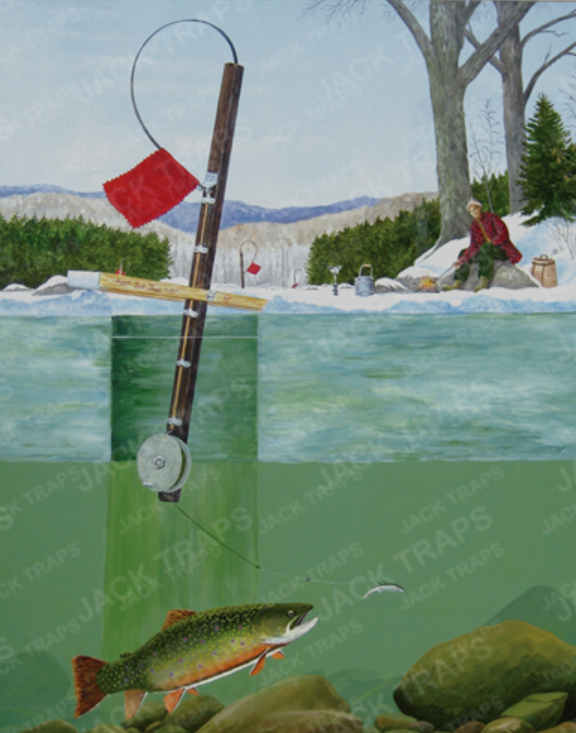
Have you ever wondered if fish can actually see your fishing line? If you’ve spent hours casting and reeling without a bite, this question might be on your mind.
Understanding whether fish notice the line can change the way you fish and boost your chances of success. You’ll discover surprising facts about fish vision and how your fishing line affects their behavior. Keep reading, because what you learn here could make your next fishing trip much more productive.
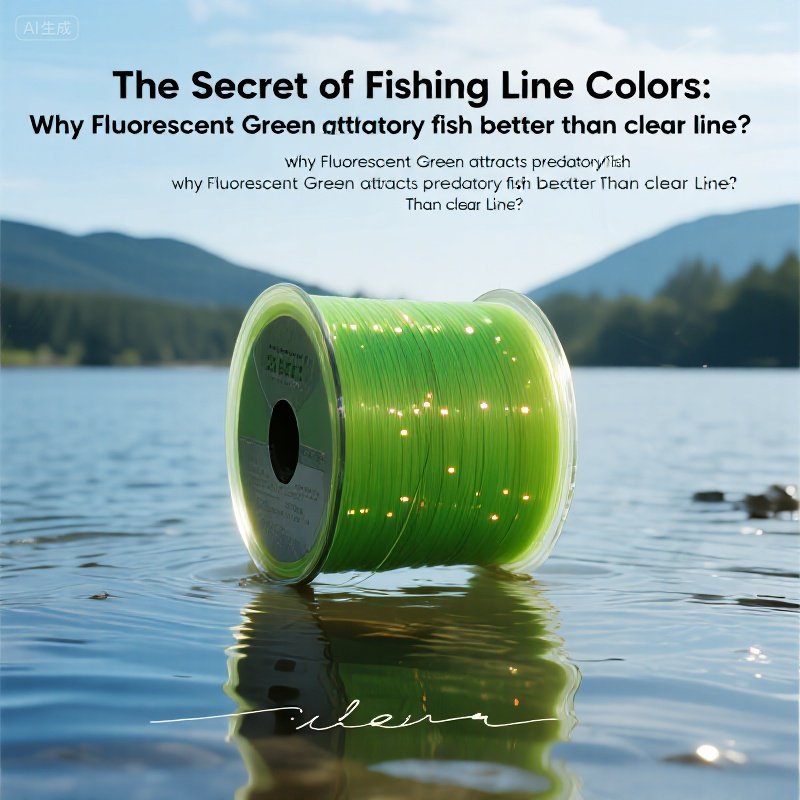
Credit: goofishrod.com
Fish Vision Basics
Fish rely on their vision to find food, avoid predators, and navigate their world. Their eyes work differently than human eyes. Understanding fish vision helps anglers know if fish can see fishing lines.
Fish eyes adapt to underwater conditions like light and color changes. This affects how they see objects around them, including fishing lines.
How Fish Eyes Work
Fish eyes have a round lens that moves back and forth to focus. This is different from human eyes that change lens shape. Fish can see well in water but their vision is tuned for underwater environments.
Many fish have a wide field of view. Their eyes sit on the sides of their heads. This helps them spot predators and prey from different angles.
Color Perception In Water
Water changes how colors look. Red light fades quickly in water, so fish see less red at depth. Blue and green colors travel farther underwater, so fish see these colors best.
Some fish have color receptors like humans. Others see fewer colors or different shades. This affects how they notice objects like fishing lines.
- Red fades fast underwater
- Blue and green are visible at depth
- Fish color vision varies by species
Light And Visibility Underwater
Light gets dimmer as it moves deeper underwater. This limits how far fish can see. Clear water lets more light in, while murky water reduces visibility.
Fishing lines can be hard to see if they blend with water color or light levels. Thin, clear lines are less visible to fish in most water types.
Fishing Line Visibility
Fish can see fishing lines in the water under certain conditions. The visibility depends on the line’s material and color. Light reflection and water clarity also affect how well fish detect the line.
Understanding fishing line visibility helps anglers choose the best line for their fishing needs. This guide explains key factors that influence how visible a fishing line is to fish.
Types Of Fishing Lines
There are several common types of fishing lines. Each type has unique properties that affect visibility underwater.
- Monofilament:A single strand of nylon, slightly visible due to its thickness and color options.
- Fluorocarbon:Nearly invisible underwater because it bends light similar to water.
- Braid:Made of woven fibers, often thicker and more visible but very strong.
Line Thickness And Color
| Line Thickness | Visibility | Color Impact |
|---|---|---|
| Thin Lines | Less visible to fish | Clear or light colors blend better |
| Thick Lines | More visible, easier for fish to spot | Darker colors stand out more |
| Colored Lines | Depends on water type and light | Green and blue blend in fresh and saltwater |
Choosing thinner lines with colors matching the water helps reduce line visibility. Bright or dark colors can scare fish away in clear water.
Reflection And Refraction Effects
Light bends and reflects differently on fishing lines. This can make the line easier or harder for fish to see.
Key effects include:
- Reflection:Light bounces off the line surface, making it shine and easier to see.
- Refraction:Light bends as it passes through the line, sometimes camouflaging it.
- Water Conditions:Clear water shows reflection more, while murky water hides the line better.
Fish Behavior Around Fishing Lines
Fish react differently to fishing lines depending on their senses and experience. Some fish avoid the line while others show curiosity.
Understanding how fish behave near fishing lines helps anglers improve their fishing techniques and catch more fish.
Avoidance And Curiosity
Some fish avoid fishing lines because they see or feel the line nearby. This makes them swim away from the bait.
Other fish are curious and come closer to inspect the line. They may circle the bait before deciding to bite or leave.
- Avoidance helps fish stay safe from threats.
- Curiosity can lead to more bites or missed chances.
- Fish use sight and touch to detect lines.
Impact Of Line Visibility On Biting
Visible fishing lines can scare some fish and reduce bites. Clear or thin lines lower the chance of spooking fish.
When fish do not see the line, they focus on the bait. This increases the chance of a successful catch.
- Thinner lines blend better in water.
- Clear lines are harder for fish to spot.
- Bright or thick lines may cause fish to avoid biting.
Species Differences In Sensitivity
Different fish species react differently to fishing lines. Some are very sensitive to line presence and avoid it.
Other species show less fear and may even ignore the line while feeding. This depends on their natural behavior.
- Trout are often sensitive and avoid visible lines.
- Catfish rely more on smell and touch than sight.
- Bass may be curious and inspect the line closely.
Techniques To Reduce Line Detection
Fish can see fishing lines in clear water or bright light. This can make them avoid your bait or lure. Using the right methods helps hide your line better.
Reducing line visibility increases your chances of catching fish. You can do this by choosing the right line, using special treatments, and improving your casting technique.
Choosing The Right Line
Picking the right fishing line is important to avoid detection. Clear or light-colored lines blend better in water. Thin lines are less visible but may be weaker.
- Monofilament lines are clear and flexible.
- Fluorocarbon lines are nearly invisible underwater.
- Braided lines are strong but more visible.
- Match line color to the water type (clear or murky).
Line Treatments And Coatings
Special coatings reduce glare and reflection from your fishing line. This helps the line blend with the water surface and background better.
| Treatment Type | Effect |
|---|---|
| Matte Coating | Reduces shine and glare |
| Fluorocarbon Coating | Makes line less visible underwater |
| Wax Treatments | Smooth line and reduce friction |
| UV Protection | Prevents line discoloration |
Positioning And Casting Tips
How you cast and where you place your bait affects line visibility. Casting softly and positioning yourself with the sun behind you can help.
- Aim to cast at a low angle to reduce line shadow.
- Keep your line under the water surface when possible.
- Stand so your shadow does not fall on the fishing spot.
- Use sidearm casts for less splash and better line control.
Scientific Studies And Findings
Many anglers wonder if fish can see fishing lines in the water. Scientists have studied how fish see different objects. Their vision affects how fish react to fishing gear.
This article reviews research on fish vision and fishing lines. It also explains experimental results and what they mean for anglers.
Research On Fish Vision And Lines
Fish eyes work differently than human eyes. Fish see colors, shapes, and movement underwater. Some fish see ultraviolet light, which humans cannot see.
Studies show fish can detect thin objects if the line reflects light or moves unnaturally. Clear fishing lines are less visible but not invisible.
Experimental Results
Experiments tested fish reactions to different fishing lines. Scientists used clear, colored, and reflective lines in tanks and natural water.
- Fish avoided thick or shiny lines more often.
- Clear lines reduced fish avoidance but did not stop it completely.
- Slow movement of the line made it less visible to fish.
- Water clarity also changed how well fish saw the lines.
These results show fish can see lines, especially if the line shines or moves oddly.
Implications For Anglers
Anglers should choose fishing lines that are less visible underwater. Clear or low-reflective lines help fish not notice the gear.
Keeping the line steady and avoiding sudden movements lowers the chance of scaring fish away. Water conditions also matter when picking line type.
- Use clear or fluorocarbon lines in clear water.
- Avoid shiny or thick lines that catch light.
- Keep the line movement natural and slow.
- Adjust line choice based on water clarity and light.

Credit: www.youtube.com

Credit: www.ibass360.com
Frequently Asked Questions
Can Fish See Fishing Line Underwater?
Yes, fish can see fishing line underwater. Their vision varies by species and water clarity. Clear monofilament lines are less visible, but thicker or colored lines may be noticed.
Does Fishing Line Scare Fish Away?
Fishing line can scare fish if it is visible. Fish avoid unnatural objects, so using thin, clear lines reduces detection and increases catch chances.
How Do Fish Perceive Fishing Line Visibility?
Fish perceive fishing line visibility through sight and light refraction. Transparent lines blend with water, while reflective or colored lines stand out more to fish.
What Type Of Fishing Line Is Least Visible To Fish?
Fluorocarbon and clear monofilament lines are least visible to fish. These lines match water’s refractive index, making them harder for fish to detect.
Conclusion
Fish can sometimes see fishing lines, especially in clear water. Using thinner, clear lines helps avoid detection. Fish rely on sight and other senses to find food. Light reflection on the line can scare fish away. Choosing the right line improves your chances of catching fish.
Patience and careful gear choice often lead to success. Understanding fish behavior makes fishing more enjoyable. Keep these tips in mind for better fishing results.