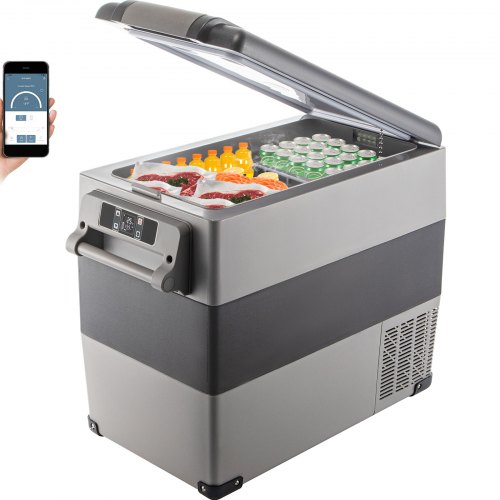
Have you ever wondered if you could use your freezer as a refrigerator? Maybe you’re running out of fridge space during a big family gathering, or perhaps you’re just curious about how versatile your kitchen appliances can be.
Before you dive into this intriguing possibility, there are some crucial things you need to know. Imagine the convenience of having extra storage for your fresh groceries or chilled drinks without buying a new appliance. But can a freezer really do the job of a refrigerator?
We’ll explore the ins and outs of using a freezer as a refrigerator, helping you make an informed decision and possibly revolutionizing the way you think about your kitchen space. Don’t miss out on discovering a clever hack that could change your kitchen game!
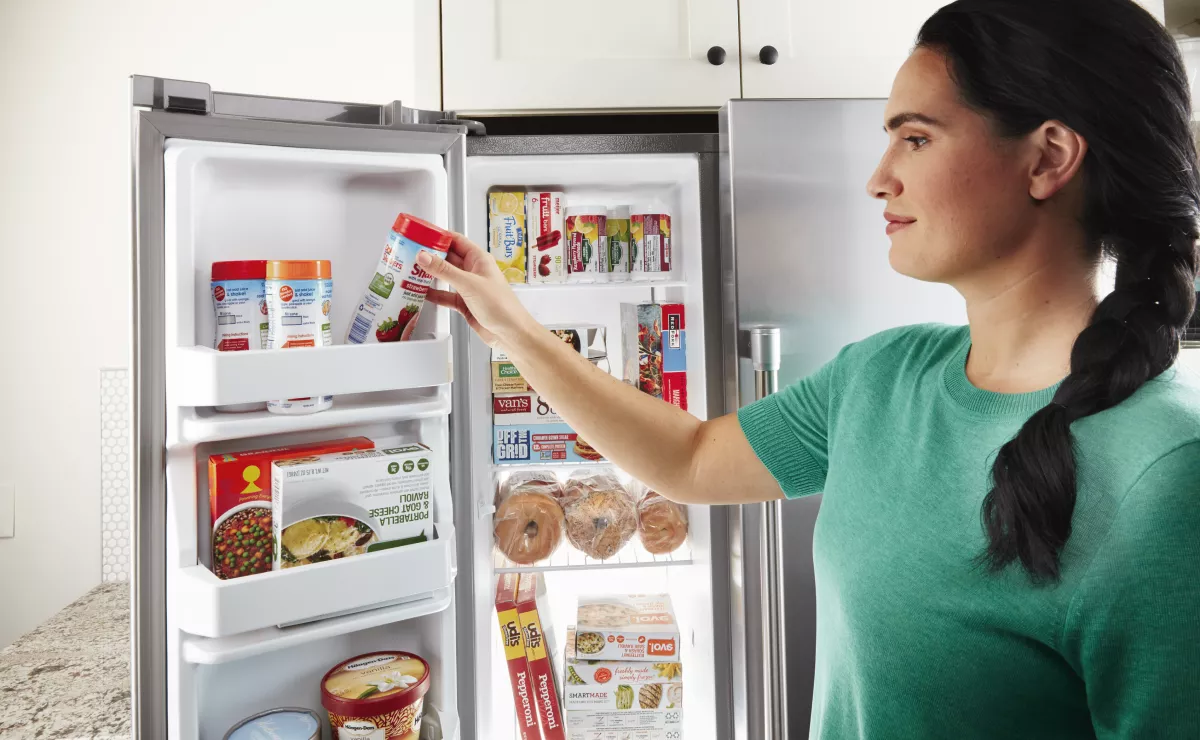
Credit: www.whirlpool.com
Freezer Vs Refrigerator
Understanding the difference between a freezer and a refrigerator is key before deciding if you can use one as the other. While they may look similar, their core purposes and designs vary significantly. Knowing these differences helps you avoid food spoilage and energy waste.
Temperature Differences
Freezers maintain temperatures around 0°F (-18°C) or lower to keep food frozen solid. Refrigerators, on the other hand, stay between 35°F and 38°F (1.7°C to 3.3°C) to keep food cool but not frozen.
This temperature gap is crucial. Using a freezer as a refrigerator might leave your food too cold and potentially freeze items that shouldn’t freeze, like fresh vegetables or milk. Have you ever found your lettuce turned into a frozen block after storing it in a freezer? That’s exactly why temperature settings matter.
Design And Functionality
Freezers are designed with thicker insulation and more powerful compressors to maintain extremely low temperatures. Refrigerators prioritize airflow and humidity control to keep perishables fresh.
The shelving and compartments inside each appliance reflect their purpose. Freezers use flat shelves or bins to stack frozen goods, while refrigerators have crisper drawers and adjustable shelves for fresh produce and beverages.
Trying to use a freezer as a fridge can mean losing these handy features, making it harder to organize and access your food efficiently.
Energy Consumption
Because freezers work harder to keep food frozen, they generally consume more energy than refrigerators. Running a freezer at refrigerator temperatures can lead to inefficiency and increased electricity bills.
Think about your monthly energy costs: using the right appliance for its intended purpose can save you money. If you lower the freezer’s temperature settings to mimic a fridge, the compressor may cycle more frequently, wearing down the appliance faster.
Would you prefer spending more on energy and repairs, or invest in the proper appliance for your needs?

Credit: thecabindepot.ca
Using A Freezer As A Refrigerator
Using a freezer as a refrigerator might seem like a clever hack, especially if you’re short on appliances or dealing with a broken fridge. However, it’s not as simple as just unplugging and adjusting a dial. You need to understand how to tweak the settings, what foods can be stored safely, and the limitations that come with this switch.
Adjusting Temperature Settings
Freezers are designed to keep temperatures well below freezing, typically around 0°F (-18°C), which is too cold for most fresh foods. To use your freezer as a refrigerator, you’ll need to raise the temperature to somewhere between 35°F and 40°F (1.6°C to 4.4°C).
Most freezers don’t have a precise thermostat for this range, so you might need a separate appliance thermometer to monitor the temperature accurately. Adjust the dial slowly and check the temperature after a few hours to avoid accidentally freezing your food.
Storage Tips For Different Foods
Not all foods react the same way to cooler temperatures. Fresh fruits and vegetables, dairy, and leftovers can be stored in this adjusted freezer-turned-fridge, but you should watch for signs of freezing damage, like mushy textures or crystallization.
Meats and frozen items should stay in the colder part of the freezer to avoid thawing and spoilage. Use clear containers or labels to keep track of what’s stored where. This prevents accidentally leaving something in the wrong temperature zone.
Limitations To Consider
One big drawback is energy efficiency. Freezers use more power when set at higher temperatures, so expect a rise in your electricity bill. Also, some models aren’t designed to operate reliably above freezing, which could shorten the appliance’s lifespan.
Space can be another issue. Freezers often have shelves or compartments optimized for frozen goods, which might not suit typical refrigerator items. Ask yourself: Is this a temporary solution or a long-term fix? Your answer will guide how much effort you put into adjusting and organizing.
Pros And Cons
Using a freezer as a refrigerator has its good and bad sides. Understanding these helps in making the right choice for your kitchen needs. This section breaks down the main benefits and possible problems of this idea.
Advantages Of Using A Freezer As Fridge
- Freezers usually keep a consistent cool temperature.
- They can store large amounts of food without spoiling.
- Some freezers have adjustable temperature settings for flexibility.
- Using a freezer as a fridge can save money if you already own one.
- Freezers often have good insulation, reducing energy loss.
Drawbacks And Risks
- Freezers are colder than fridges, which may freeze some foods.
- It may cause fresh fruits and vegetables to lose texture.
- Energy use could be higher if the freezer runs too cold.
- Door seals and shelves may not be ideal for fridge use.
- Some models lack features like humidity control found in fridges.
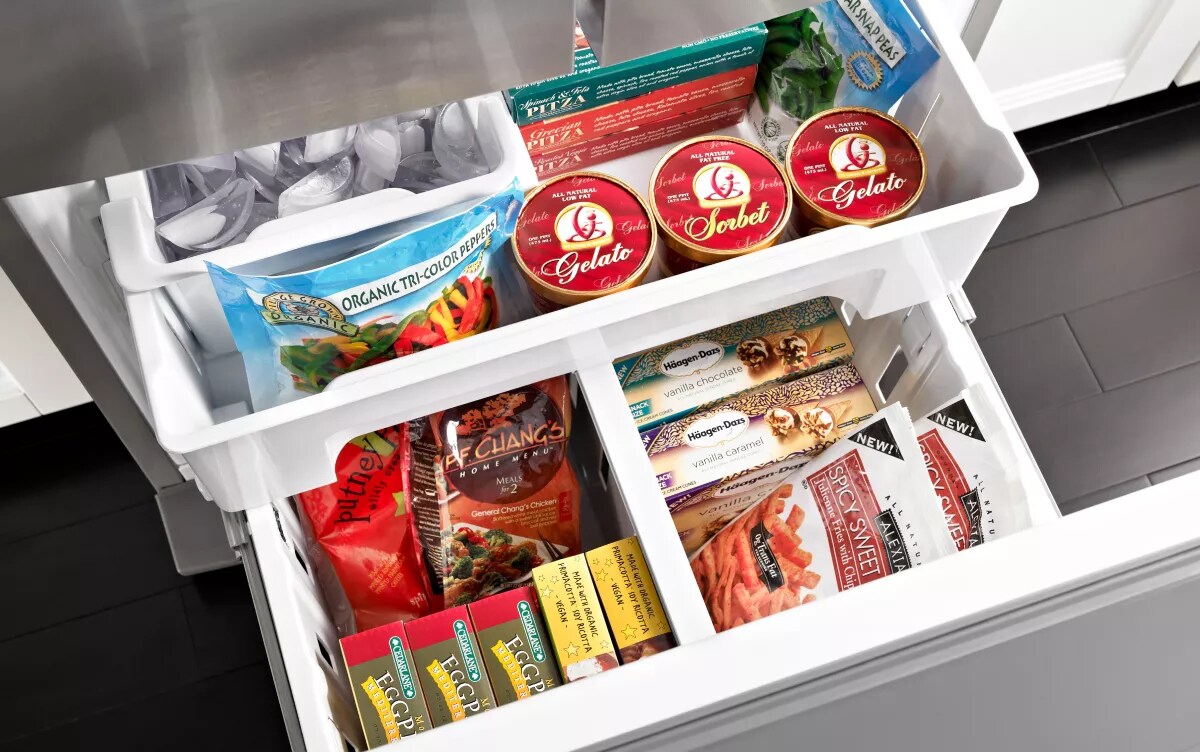
Credit: www.whirlpool.com
Maintenance Tips
Maintaining a freezer used as a refrigerator requires careful attention to keep your food fresh and your appliance running efficiently. Proper maintenance not only extends the life of your freezer but also ensures it performs well in its unconventional role. Here are some practical tips to help you maintain your freezer effectively.
Cleaning And Defrosting
Regular cleaning prevents odors and bacteria buildup inside your freezer. Wipe down shelves and walls with a mixture of warm water and mild detergent every few weeks. If your freezer doesn’t have an automatic defrost function, manually defrost it as soon as you notice ice buildup thicker than a quarter of an inch.
Defrosting can be a hassle, but it’s essential. Ice buildup reduces cooling efficiency and takes up space you could use for storing food. Have you ever noticed how much harder your freezer works when frost accumulates? That extra energy use can cost you more in electricity bills.
Avoiding Frost Build-up
Frost buildup is a common problem when using a freezer as a refrigerator. To minimize it, avoid frequently opening the door, as warm air entering causes condensation and frost. Also, keep your food covered or sealed tightly; moisture from uncovered items accelerates frost formation.
Check the door seal regularly to ensure it’s airtight. A damaged or loose seal lets warm air in, inviting frost and increasing energy use. You might be surprised how much a simple rubber gasket can affect your freezer’s performance.
Monitoring Temperature
Freezers typically operate at much lower temperatures than refrigerators, so it’s important to adjust and monitor the temperature when using one as a fridge. Aim to keep the temperature between 35°F and 40°F (1.7°C to 4.4°C) to keep perishables fresh without freezing them.
Use a reliable thermometer to check the internal temperature regularly. Have you noticed certain foods freezing unexpectedly? That’s a sign your freezer is too cold for regular refrigerator use and needs adjustment. Small tweaks can make a big difference in food quality and energy consumption.
Alternative Cooling Solutions
Alternative cooling solutions provide flexible options for keeping food and drinks cold. These choices suit different spaces and needs. They often use less energy and cost less than full-sized refrigerators. Many offer portability, making them ideal for travel or small living areas.
Mini Fridges
Mini fridges are compact and fit small spaces easily. They use less power than regular fridges. Perfect for dorm rooms, offices, or bedrooms. Many models have adjustable temperature settings. They keep beverages and snacks cool without taking much space.
Coolers And Ice Packs
Coolers with ice packs offer a simple, non-electric way to stay cool. Great for short trips or outdoor activities. Ice packs keep contents cold for hours. Easy to carry and store. They require no power source and work well for picnics or camping.
Portable Refrigerators
Portable refrigerators run on batteries or car power outlets. Ideal for road trips and camping. They maintain consistent temperatures for longer periods. Some models include freezer compartments. These units are lightweight and easy to transport.
Frequently Asked Questions
Can A Freezer Replace A Refrigerator For Daily Use?
A freezer can cool, but it’s too cold for fresh food. Refrigerators maintain higher temperatures to keep food fresh. Using a freezer as a fridge may spoil items needing mild cooling.
What Temperature Should A Freezer Be For Refrigeration?
Freezers are usually set below 0°F (-18°C). Refrigerators operate between 35°F and 40°F (1. 7°C to 4. 4°C). Freezers can’t be adjusted precisely for safe refrigeration temperatures.
Will Food Freeze If Stored In A Freezer Used As Fridge?
Yes, most foods will freeze in a freezer set too cold. Freezing can change texture and taste, especially for fruits and vegetables. It’s not ideal for items needing mild cooling.
Can Freezer Settings Be Changed To Act As A Refrigerator?
Some freezers have adjustable thermostats, but they rarely maintain fridge-level warmth. Most freezers cannot sustain temperatures above freezing consistently. It’s best to use appliances as designed.
Conclusion
A freezer can keep food cold but is not ideal as a refrigerator. It runs colder and uses more energy. Food may freeze or spoil if stored too long. A refrigerator keeps food fresh and drinks cool without freezing. Choose the right appliance for your needs.
Save energy and protect your food. Simple choices make kitchen life easier and better.