Are you wondering if freezing can really kill lice? You’re not alone.
Lice are stubborn pests that can be hard to get rid of, and the idea of using something as simple as your freezer sounds almost too good to be true. But does freezing actually work, or is it just a myth?
You’ll discover the truth behind freezing lice and learn what really helps you get rid of them for good. Keep reading to protect yourself and your family from these pesky bugs once and for all.
How Lice Survive Cold
Understanding how lice survive cold temperatures can help you decide if freezing is a reliable way to get rid of them. These tiny pests have unique biological features that influence their ability to withstand harsh conditions. Let’s dive into what makes lice tough against the cold and whether freezing can truly eliminate them.
Lice Biology And Temperature Limits
Lice are parasites that depend on the warmth of the human scalp to survive. Their bodies are adapted to live at temperatures close to your normal body heat, around 98.6°F (37°C). When temperatures drop below 68°F (20°C), lice become less active and eventually die if the cold persists.
However, lice eggs, known as nits, have a tougher shell that protects the developing lice inside. These eggs can survive colder temperatures than adult lice, which complicates the freezing strategy. So, while adults might struggle in the cold, the eggs might still hold on.
Effect Of Freezing On Lice Eggs And Adults
Freezing can kill adult lice if the temperature is low enough and exposure lasts long enough. Studies show that exposing lice to temperatures below 0°F (-18°C) for at least 30 minutes can be effective.
But killing lice eggs is a different story. Nits are more resistant to freezing because their protective coating prevents ice crystals from forming inside, which would cause damage. Even freezing items like hats or combs may not guarantee that all eggs are destroyed.
- Adults: Usually killed by freezing below 0°F for 30+ minutes
- Eggs: Can survive freezing due to protective shells
- Items: Must be sealed and frozen thoroughly for best results
Have you ever tried freezing your belongings to stop lice? If so, you might have noticed that lice return because the eggs survived. This shows why relying solely on freezing may not be the most practical solution for lice removal.

Credit: www.cleanandgreenpest.com.au
Freezing As A Treatment Method
Freezing as a treatment method for lice is a popular idea, especially for items that can’t be washed with hot water. The logic is simple: extreme cold might kill lice and their eggs by freezing them. But how effective is this method really? Let’s dive into the specifics to help you decide if freezing can be part of your lice-fighting strategy.
Freezing Duration And Temperature Requirements
Freezing lice requires temperatures well below the standard home freezer setting. Experts recommend keeping items at around -18°C (0°F) or colder. The freezing time should be at least 24 to 48 hours to ensure lice and eggs don’t survive.
Shorter freezing times may not be enough. Lice and their eggs are surprisingly resilient, so cutting corners could leave you with a lingering problem. Have you ever tried leaving something in the freezer overnight only to find it back at room temperature the next day? That’s why timing matters.
Items Suitable For Freezing
Not everything can go in the freezer. Clothes, hats, scarves, stuffed toys, and hairbrushes are good candidates because they can tolerate freezing without damage. Plastic combs and brushes with metal parts can also be frozen safely.
- Fabric items that can’t be washed hot
- Non-electronic hair accessories
- Small toys and plush items
Items like electronics, books, or anything with batteries should never be frozen. Freezing these can cause permanent damage and won’t help with lice control.
Limitations Of Freezing
Freezing isn’t a standalone solution. While it can kill lice on certain objects, it does nothing to treat lice on the scalp or hair directly. You still need proper lice treatment products for that.
Also, freezing doesn’t remove nits (lice eggs) glued firmly to hair strands. Those require manual removal or specialized shampoos. It’s easy to think freezing alone will solve the problem, but it’s just one part of a bigger approach.
Considering these factors, do you think freezing could fit into your lice treatment plan? It’s worth trying for the right items, but don’t rely on it entirely.
Alternative Lice Elimination Techniques
Dealing with lice can be tough. Freezing is one idea some people try. But there are other ways to eliminate lice that might work better. These alternative techniques include chemical treatments, natural remedies, and combining different methods. Each has its own benefits and limits. Understanding these options helps in choosing the right approach for lice removal.
Chemical Treatments
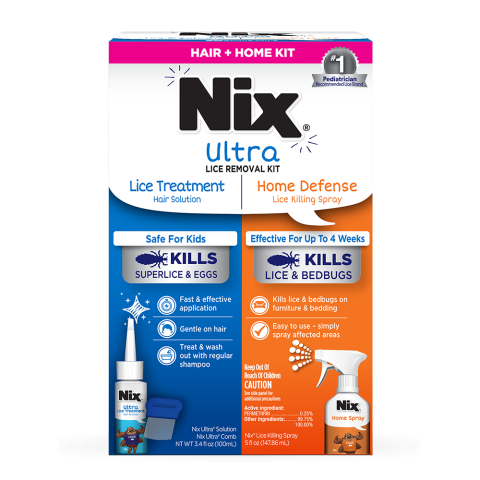
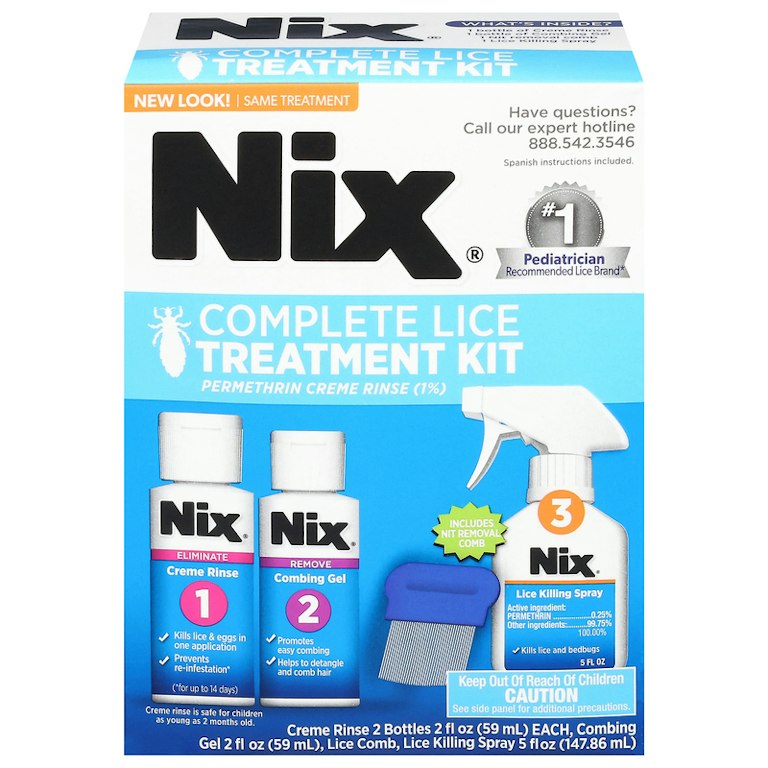
Chemical treatments are common and widely used. They include shampoos, lotions, and sprays with ingredients that kill lice. These products often contain permethrin or pyrethrin. They work by targeting the nervous system of lice, killing them quickly.
Instructions on the product label are important to follow. Overuse can cause resistance or skin irritation. Some lice have become resistant to certain chemicals, reducing effectiveness. Still, chemical treatments remain a fast and direct way to remove lice.
Natural Remedies
Natural remedies offer a gentler option. They use substances like essential oils, vinegar, or mayonnaise. These can suffocate lice or loosen their grip on hair. Many people prefer natural methods to avoid harsh chemicals.
Examples include:
- Applying tea tree oil diluted with a carrier oil
- Using a vinegar rinse to help loosen nits
- Covering hair with mayonnaise to suffocate lice
Results may vary and require patience. Natural remedies often need repeated use to fully clear lice.
Combining Methods For Effectiveness
Combining methods can increase the chance of success. Using a chemical treatment first can kill most lice. Following up with natural remedies helps remove remaining nits and lice.
Regular combing with a fine-tooth lice comb is key. It physically removes lice and eggs from hair. Combining treatments with thorough combing improves results.
Consistency is important. Repeat treatments as directed. Check hair daily to catch any new lice early.
Credit: www.gianteagle.com
Preventing Lice Reinfestation
Preventing lice reinfestation is key after treating an infestation. Taking proper steps stops lice from returning. This protects everyone in the home and keeps lice away.
Cleaning And Disinfecting Household Items
Lice can live on items like hats, pillows, and combs. Cleaning these items helps remove lice and eggs. Use hot water above 130°F (54°C) to wash clothes and bedding. Dry them on a high heat setting. Non-washable items can be sealed in plastic bags for two weeks. Disinfect combs and brushes by soaking them in hot water for 10 minutes. Vacuum carpets, furniture, and car seats thoroughly to remove any stray lice.
Tips For Personal Hygiene
Regular hair washing helps keep lice away. Avoid sharing hair accessories, hats, or towels. Check hair often for lice or eggs, especially in children. Use a fine-toothed lice comb to remove any lice early. Teach children to keep their hair tied back. This reduces direct contact and lowers the chance of lice spreading.
Avoiding Common Lice Transmission
Lice spread mainly through head-to-head contact. Avoid close contact during play, sports, and sleepovers. Do not share personal items like hats, scarves, or headphones. Inform schools or daycare about lice cases to prevent outbreaks. Encourage children to keep their belongings separate. These steps reduce the risk of catching or spreading lice again.

Credit: www.nixlice.com
Frequently Asked Questions
Can Freezing Effectively Kill Lice And Their Eggs?
Freezing can kill lice, but it is less effective on eggs. Lice survive cold by attaching firmly to hair. Prolonged freezing of personal items may help, but it’s not a guaranteed lice treatment alone.
How Long Should Items Be Frozen To Kill Lice?
To kill lice, freeze items for at least 24 to 48 hours. This duration ensures lice cannot survive the cold. Freezing alone is best combined with other cleaning methods for full lice removal.
Does Freezing Kill Lice On Clothing And Bedding?
Yes, freezing clothes and bedding can kill lice. Ensure items stay frozen for two full days. This method helps reduce lice spread but should accompany washing and drying on high heat.
Is Freezing A Better Option Than Chemical Lice Treatments?
Freezing is safer but slower than chemical treatments. Chemicals kill lice quickly but may cause irritation. Freezing is non-toxic but less reliable and requires more time to be effective.
Conclusion
Freezing can effectively kill lice in some cases. It is a simple method. A natural choice for many. Yet, freezing isn’t always quick. Patience is often needed. Ensure items remain frozen long enough. This approach works best for non-washable items.
Always check fabric care instructions first. For best results, combine freezing with other treatments. Such as over-the-counter shampoos. This multi-step approach can be more effective. Remember, consistency is key in lice control. Regular checks help prevent future outbreaks. Stay informed and diligent.