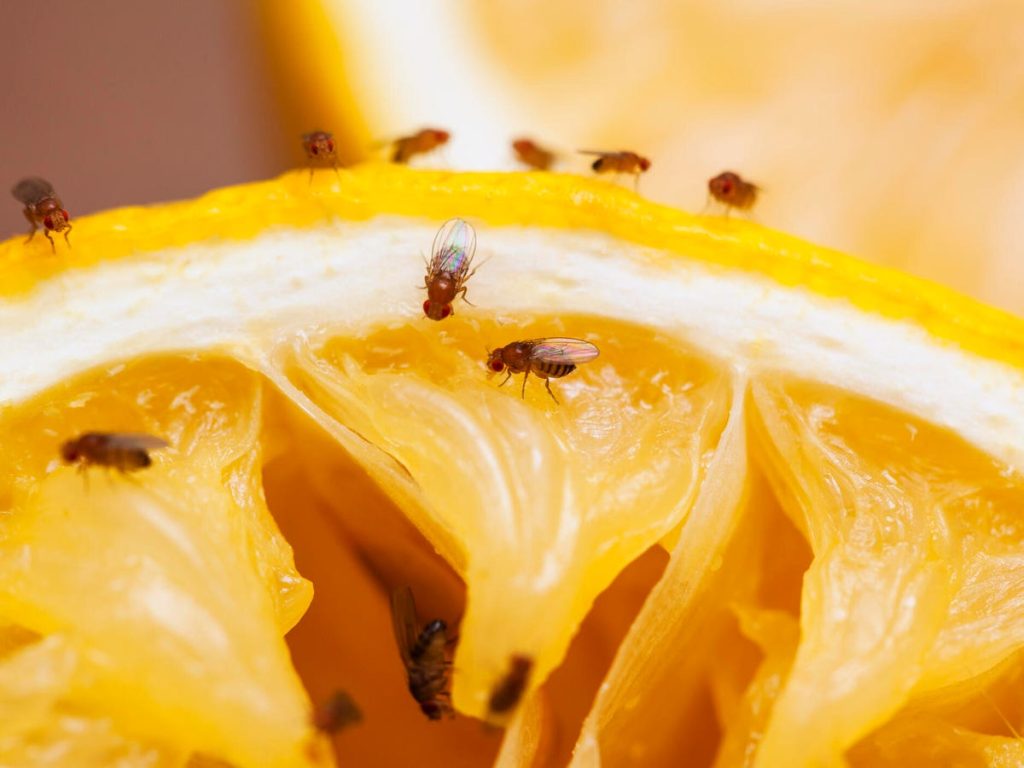
Ever opened your refrigerator only to spot those pesky fruit flies buzzing around? You might wonder how these tiny insects can survive in such a cold environment.
You’re not alone. Many people are puzzled by the persistence of fruit flies, even in places they least expect them to thrive. This curiosity isn’t just about keeping your kitchen pest-free; it’s about understanding how these little creatures behave and adapt.
By the end of this article, you’ll discover the surprising truth about fruit flies and your refrigerator, and learn practical tips to keep them at bay. Ready to outsmart these uninvited guests? Let’s dive in and uncover the secrets lurking in your fridge.
Fruit Fly Biology
Understanding fruit fly biology is key to figuring out if these tiny pests can survive in your refrigerator. Fruit flies are small but resilient insects with distinct behaviors and environmental preferences. Let’s dive into how their life cycle and habits, along with their temperature preferences, influence their survival chances in cold places like your fridge.
Life Cycle And Habits
Fruit flies go through four main stages: egg, larva, pupa, and adult. The entire cycle can complete in just about a week if conditions are right, which means they multiply fast. You might notice fruit flies hovering around ripening or rotting fruits because females lay eggs on fermenting organic matter.
They’re attracted to sugary, fermenting substances, making your kitchen a perfect breeding ground. Ever wondered why they suddenly appear in swarms? It’s because their life cycle is so short and their reproduction rate so high. Knowing this, you can see how quickly a small problem can turn into a big one if left unchecked.
Temperature Preferences
Fruit flies prefer warm temperatures between 75°F and 85°F (24°C to 29°C). They thrive in these conditions, which speed up their life cycle and activity. But how do they react to colder environments like your refrigerator?
Cold temperatures slow down their metabolism and development dramatically. While adult fruit flies may survive brief exposure to cold, eggs and larvae struggle to develop and often don’t survive prolonged refrigeration. This means your fridge acts like a natural barrier, but only if the temperature stays consistently low.
Have you ever found fruit flies inside your fridge? Chances are, they were introduced recently or found a warmer spot near the door seal. Keeping your fridge clean and properly sealed can help reduce their chance to survive and multiply inside.

Credit: www.aol.com
Effects Of Cold On Fruit Flies
Cold temperatures have a strong impact on fruit flies. These tiny insects react quickly to chilling conditions. Their survival and behavior shift noticeably once exposed to cold environments like refrigerators.
Understanding how cold affects fruit flies helps explain their presence in cool places. It also shows their limits and how they adapt to lower temperatures.
Survival Rates In Low Temperatures
Fruit flies struggle to survive in cold settings. Most cannot live long at refrigerator temperatures, usually around 35 to 40°F (2 to 4°C). Their bodies slow down, and vital functions reduce drastically.
Survival depends on how cold and how long the exposure lasts. Short cold periods might only slow them down, but longer exposure often leads to death.
- At 40°F, some fruit flies may survive a few days.
- Below 32°F, survival drops significantly.
- Extended cold exposure causes high mortality.
Behavioral Changes In Cold
Fruit flies become less active in cold conditions. Their movement slows, and feeding stops. They enter a state similar to hibernation to save energy.
Cold can also disrupt their reproduction. Egg-laying decreases or stops entirely during cold exposure. This pause helps the population survive until warmer temperatures return.
- Slower movement and reduced activity.
- Temporary halt in feeding and reproduction.
- Energy conservation through lowered metabolism.
Fruit Flies In Refrigerators
Fruit flies are tiny pests that often invade kitchens. They are attracted to ripened or fermenting fruits. Many wonder if these pests can survive inside refrigerators. Understanding their behavior helps prevent their presence in cold storage.
Can They Live Inside?
Fruit flies prefer warm and moist environments. Refrigerators are cold, usually below 40°F (4°C). This temperature slows down their activity. They cannot grow or reproduce well in such cold conditions. However, fruit flies can survive for a short time inside the fridge. They often enter by hitching a ride on fruits or vegetables.
Once inside, they try to find warmer spots to stay active. If food is left uncovered, fruit flies may feed but will not multiply easily. Their eggs do not hatch in cold temperatures. This makes the fridge an unlikely place for fruit fly breeding.
Common Refrigerator Breeding Spots
Despite cold, some parts of the fridge can attract fruit flies. These areas often have moisture and small food particles. Common breeding spots include:
- Vegetable and fruit drawers with spoiled produce
- Condensation trays under the fridge
- Door seals where crumbs collect
- Uncovered leftovers or spills on shelves
Checking these spots regularly helps stop fruit flies from settling. Keeping food sealed and cleaning spills reduces their chances to survive. Proper fridge hygiene is key to avoiding fruit fly problems.
Preventing Fruit Fly Infestations
Preventing fruit fly infestations starts with awareness and simple habits. Fruit flies thrive on ripe or rotting fruits and moist areas. Keeping your kitchen clean and storing food properly stops these pests from multiplying. Small actions can make a big difference in keeping fruit flies away.
Effective Cleaning Tips
- Wipe counters and tables daily to remove food residue.
- Clean spills and crumbs immediately to avoid attracting flies.
- Empty trash bins regularly and use sealed lids.
- Wash dishes and utensils promptly after use.
- Clean drains and garbage disposals often to remove buildup.
- Use vinegar or soapy water traps to catch existing fruit flies.
Storage Practices To Avoid Attraction
- Keep ripe fruits and vegetables in the refrigerator.
- Store opened food in airtight containers or sealed bags.
- Check fruits regularly and discard overripe or spoiled items.
- Avoid leaving cut fruits or juices exposed on counters.
- Use produce bags with small holes for ventilation if needed.
- Clean refrigerator shelves and drawers frequently to prevent spills.
Myths Vs Reality
Many of us believe that tossing fruit flies into the fridge will instantly get rid of them. This idea feels logical since cold temperatures slow down most insects. But is it truly effective, or just a comforting myth? Let’s separate fact from fiction and see what really happens when fruit flies meet the cold.
Debunking Common Misconceptions
One popular myth is that fruit flies die quickly in the refrigerator. People often think the cold air kills them on contact, but that’s not entirely true. Instead, fruit flies tend to become sluggish and less active, but they don’t always die immediately.
Another misconception is that fruit flies cannot survive in any cold environment. Some assume that any drop in temperature will eliminate these pests. However, fruit flies can endure cool conditions for a limited time, especially if there’s still food nearby.
Have you noticed how fruit flies sometimes reappear even after cleaning and refrigeration? This happens because their eggs and larvae can survive cooler temperatures, waiting for warmth to hatch and thrive again.
Scientific Findings On Fruit Flies And Cold
Research shows that fruit flies enter a state called “chill coma” when exposed to cold temperatures around 4°C (39°F), which is typical for a fridge. In this state, they are inactive but not dead. Once the temperature rises, they wake up and resume their activity.
Studies also reveal that fruit fly larvae and eggs are more resistant to cold than adults. This means simply refrigerating fruit won’t stop the lifecycle completely. Freezing temperatures below 0°C (32°F) are more effective at killing them.
So, what can you do? Keeping your fruits in the fridge helps slow down fruit fly activity but doesn’t guarantee elimination. To truly avoid infestations, focus on cleanliness, remove ripe or rotting fruit promptly, and consider freezing contaminated items for a few days.

Credit: uk.news.yahoo.com

Credit: www.nbcnews.com
Frequently Asked Questions
Can Fruit Flies Live Inside Refrigerators?
Fruit flies can survive briefly in refrigerators but their activity slows down. Cold temperatures reduce their metabolism, making them less active. However, they do not thrive or reproduce in cold environments. They usually die if exposed to refrigerator temperatures for extended periods.
Why Do Fruit Flies Appear Near Refrigerated Fruits?
Fruit flies are attracted to ripened or fermenting fruits, even in refrigerators. They sense the smell and warmth from the fruit. If fruits are stored improperly or left exposed, fruit flies can access and infest them. Proper storage reduces this risk.
How To Prevent Fruit Flies In The Refrigerator?
Keep fruits sealed in airtight containers or bags inside the fridge. Clean spills and remove overripe fruits promptly. Regularly check and clean fridge corners to eliminate potential breeding spots. These steps help prevent fruit fly infestations in refrigerators.
Do Fruit Flies Reproduce In Cold Environments?
No, fruit flies cannot reproduce effectively in cold temperatures like in refrigerators. Cold slows their life cycle and stops egg-laying activities. They require warmer environments to breed and multiply rapidly.
Conclusion
Fruit flies can survive in refrigerators but not for long. Cold slows their activity and growth. They become less active but don’t die immediately. Keeping food sealed helps stop fruit flies inside. Clean your fridge regularly to avoid attracting them.
Understanding their behavior helps control their presence. Simple steps keep your kitchen fresh and fly-free. Remember, cold alone won’t solve the problem fully. Combine cold with good hygiene for best results.