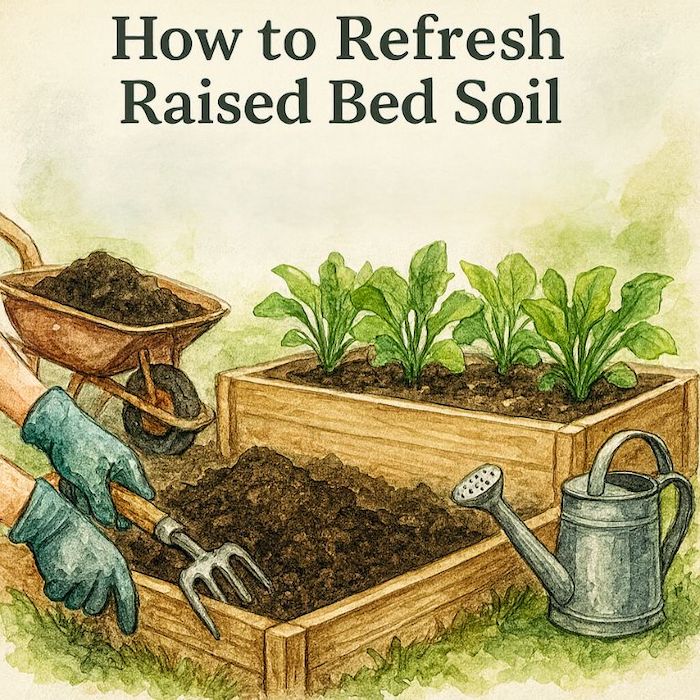
Are you wondering if the soil from your garden can be used in your raised beds? It’s a common question that many gardeners face when setting up or improving their garden space.
Using the right soil is crucial because it directly affects how well your plants grow. But is garden soil really the best choice for raised beds, or could it cause more harm than good? Keep reading, and you’ll discover what works, what doesn’t, and how to make your raised beds thrive with the right soil mix.
Your garden deserves the best, and so do you.
Credit: www.ruralsprout.com
Suitability Of Garden Soil
Garden soil is what you find in your yard. People often wonder if it works well in raised beds.
Using the right soil helps plants grow strong. Let’s look at garden soil’s qualities for raised beds.
Soil Composition Basics
Soil has three main parts: sand, silt, and clay. These parts affect how soil holds water and air.
Good soil has a balance of these parts. It lets water drain but holds enough moisture for plants.
- Sand helps with drainage and air flow
- Silt holds nutrients and water
- Clay keeps nutrients but can hold too much water
Common Soil Issues
Garden soil can have problems like compaction and poor drainage. These issues stop roots from growing well.
It may also have weeds or pests. These can harm plants in raised beds.
- Heavy clay soil can stay too wet
- Sandy soil may dry out too fast
- Weeds take nutrients from plants
- Pests can damage roots and stems
Comparing Garden Soil And Raised Bed Mixes
Garden soil is often dense and may not drain well. Raised bed mixes are lighter and loose.
Raised bed mixes usually contain compost, peat, and other materials. These help plants get nutrients and water.
| Feature | Garden Soil | Raised Bed Mix |
|---|---|---|
| Texture | Often dense and heavy | Light and loose |
| Drainage | May drain poorly | Drains well |
| Nutrients | Varies by location | Rich in organic matter |
| Weed/Pest Risk | Higher risk | Lower risk |
Benefits Of Using Garden Soil
Garden soil is the natural earth found in outdoor gardens. It has many good qualities that help plants grow well in raised beds.
Using garden soil in raised beds can make your plants strong and healthy. It also saves money and supports tiny living organisms.
Nutrient Availability
Garden soil holds many nutrients plants need. These nutrients come from natural materials like leaves and compost.
Plants can easily take up these nutrients from garden soil. This helps them grow faster and stay healthy.
Cost-effectiveness
Using garden soil in raised beds can save money. It is often free or cheaper than buying special potting mixes.
You reduce waste by reusing soil from your garden. This lowers the need for extra soil purchases each season.
Microbial Life Support
Garden soil contains many tiny living things called microbes. These microbes help break down waste and feed plants.
Healthy microbes keep the soil balanced. They protect plants from diseases and help roots grow better.
Risks And Challenges
Using garden soil in raised beds might seem easy. It can lead to several issues. Knowing these risks helps you avoid problems.
Understanding the challenges will save you time and effort. It also helps your plants grow better.
Soil Compaction
Garden soil can become compacted in raised beds. Compacted soil makes it hard for roots to grow. It limits the plant’s access to water and nutrients.
Compaction happens when soil particles are pressed together. This reduces the air space in the soil.
- Heavy rains can cause compaction
- Walking on the soil adds pressure
- Using heavy tools compresses the soil
Drainage Problems
Garden soil may not drain well in raised beds. Poor drainage leads to waterlogged soil. This can harm plant roots.
Drainage issues make the soil too wet. Wet soil lacks oxygen, which is vital for plants.
- Clay soil drains poorly
- Too much rain causes waterlogging
- Flat beds hold water longer
Pests And Diseases
Garden soil can carry pests and diseases. These can spread in raised beds. They harm plants and reduce yields.
Soil-borne pests and diseases are hard to control. They often survive in garden soil from previous seasons.
- Nematodes attack plant roots
- Fungal spores cause diseases
- Insects may hide in the soil

Credit: www.thunderbirddisco.com
Preparing Garden Soil For Raised Beds
Using garden soil in raised beds can be a good idea if you prepare it well. Proper preparation helps plants grow strong and healthy.
This guide covers testing soil quality, improving soil structure, and sterilizing soil before use.
Testing Soil Quality
Start by checking your garden soil’s quality. Good soil supports plant growth and holds water well.
- Test soil pH using a kit or send samples to a lab.
- Look for soil texture: sandy, loamy, or clay.
- Check for signs of pests or diseases.
- Smell the soil; healthy soil has a fresh, earthy scent.
Amending Soil Structure
Improving soil structure helps roots grow and improves water drainage. You may need to add materials to change soil texture.
| Soil Problem | Amendment | Purpose |
| Heavy Clay | Compost or Sand | Improve drainage and loosen soil |
| Sandy Soil | Organic Matter | Increase water and nutrient retention |
| Compacted Soil | Peat Moss or Compost | Increase aeration |
Sterilizing Soil
Sterilizing soil kills harmful pests, weed seeds, and diseases. It makes your raised bed safer for plants.
- Spread soil thinly on a baking tray.
- Heat in an oven at 180°F (82°C) for 30 minutes.
- Let the soil cool before using.
- Wear gloves and a mask to avoid inhaling dust.
Alternatives To Pure Garden Soil
Using pure garden soil alone in raised beds may not give the best results. It can be heavy and drain poorly. Mixing other materials improves soil quality and plant growth.
Here are some alternatives to pure garden soil that help create better soil for raised beds.
Creating Custom Soil Mixes
Custom soil mixes combine different ingredients to balance drainage, nutrients, and texture. This mix helps plants grow strong and healthy in raised beds.
- Start with garden soil or topsoil as the base.
- Add compost to provide nutrients.
- Mix in peat moss or coconut coir for moisture retention.
- Include sand or perlite to improve drainage.
Using Compost And Organic Matter
Compost adds nutrients and improves soil structure. Organic matter helps soil hold water and air. This creates a healthy environment for roots.
| Type | Benefits |
| Compost | Supplies nutrients and microbes |
| Leaf Mold | Increases moisture retention |
| Manure | Boosts fertility but should be aged |
| Peat Moss | Lightens soil and holds water |
Incorporating Sand And Perlite
Sand and perlite improve soil drainage and aeration. They prevent soil compaction, which is important for root growth.
Here is how to use sand and perlite in your soil mix:
- Add coarse sand to loosen heavy soil.
- Mix perlite to increase air pockets.
- Use about 10-20% of the total mix for these materials.
- Check soil moisture to adjust amounts as needed.

Credit: littlehouseonlaurel.com
Maintaining Soil Health In Raised Beds
Using garden soil in raised beds can work well if you keep the soil healthy. Good soil helps plants grow strong and produce more food.
To keep soil healthy, you need to take care of its nutrients and structure. This means testing soil often and adding what it needs.
Regular Soil Testing
Testing soil regularly tells you about its nutrients and pH level. This helps you know what to add or change in your raised bed soil.
Soil tests show if the soil is too acidic or too alkaline. You can fix this by adding lime or sulfur based on test results.
Crop Rotation And Companion Planting
Crop rotation means planting different crops in the bed each season. It stops soil from losing certain nutrients and lowers pests.
Companion planting is growing plants that help each other. Some plants keep bugs away, while others improve soil health.
- Rotate crops yearly to keep soil balanced
- Plant beans or peas to add nitrogen
- Use marigolds to repel pests
Adding Mulch And Fertilizers
Mulch covers soil and keeps moisture in. It also stops weeds and adds organic matter as it breaks down.
Fertilizers supply extra nutrients plants need. Use organic options like compost or manure for healthy soil life.
- Apply 2-3 inches of mulch around plants
- Add compost before planting each season
- Use balanced fertilizer for nutrient support
Expert Tips For Optimal Growth
Using garden soil in raised beds can work well if done correctly. It is important to prepare the soil for the best plant growth.
This guide shares tips on watering, soil aeration, and seasonal care to help your raised beds thrive.
Watering Techniques
Raised beds dry out faster than ground soil. Water your plants deeply to reach the roots.
Water in the early morning or late evening to reduce evaporation. Use drip irrigation or soaker hoses for even watering.
- Check soil moisture regularly by feeling the soil.
- Water slowly to allow deep soil absorption.
- Avoid watering the leaves to reduce disease risk.
Soil Aeration Methods
Garden soil can become compacted in raised beds. Loose soil helps roots grow and take in oxygen.
Use a garden fork or aeration tool to gently turn the soil. Avoid disturbing roots of growing plants.
- Loosen soil before planting.
- Add organic matter like compost to improve texture.
- Use mulch to protect soil and keep it airy.
Seasonal Soil Care
Soil changes with the seasons. Prepare your raised beds for each season to keep soil healthy.
In fall, remove old plants and add compost. Cover soil with mulch to protect it from cold.
- Spring: Mix in compost and check soil drainage.
- Summer: Keep soil moist and add mulch to reduce drying.
- Fall: Clear debris and enrich soil with organic matter.
- Winter: Use covers to prevent erosion and nutrient loss.
Frequently Asked Questions
Can Garden Soil Be Used Directly In Raised Beds?
Garden soil can be used but is often too dense. It may cause poor drainage and compaction. Mixing garden soil with compost and organic matter improves texture and fertility for raised beds.
What Are The Risks Of Using Garden Soil In Raised Beds?
Using garden soil alone can lead to poor drainage and root rot. It may also contain weeds or pests. Proper soil amendment and sterilization help reduce these risks for healthier plants.
How To Improve Garden Soil For Raised Beds?
Add organic compost, peat moss, and perlite to garden soil. This improves drainage, aeration, and nutrient content. Regularly amending soil keeps it fertile and suitable for raised bed gardening.
Is Raised Bed Soil Different From Garden Soil?
Yes, raised bed soil is lighter and well-draining. It typically contains a mix of topsoil, compost, and other amendments. This mixture supports healthy root growth and prevents waterlogging common in garden soil.
Conclusion
Garden soil can work in raised beds with some care and effort. It may need mixing with compost or other materials to improve drainage and nutrients. This helps plants grow strong and healthy. Using garden soil alone might cause compaction or poor growth.
Testing your soil first gives a better idea of what to add. Raised beds offer control over soil quality, so adjust it as needed. With proper preparation, garden soil can support a thriving raised bed garden. Give your plants the best start by paying attention to soil health.