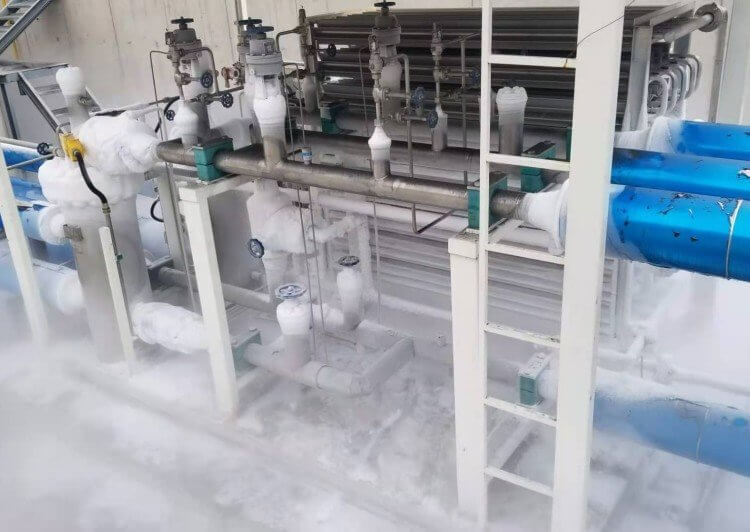
Have you ever worried about the gas in your pipes freezing during those cold winter months? It’s a concern that many homeowners share, especially when temperatures drop unexpectedly.
Understanding whether gas can actually freeze in pipes is crucial for ensuring the safety and efficiency of your home. Imagine waking up to a frigid morning, only to discover that your heating system isn’t working because the gas pipes are blocked.
The idea alone is enough to send shivers down your spine. But what’s the real story behind gas freezing in pipes? Let’s explore the facts and myths, so you can protect your home and keep everything running smoothly, no matter how cold it gets outside. Stay with us, and by the end of this article, you’ll have all the answers you need to keep your worries at bay and your home warm and cozy.
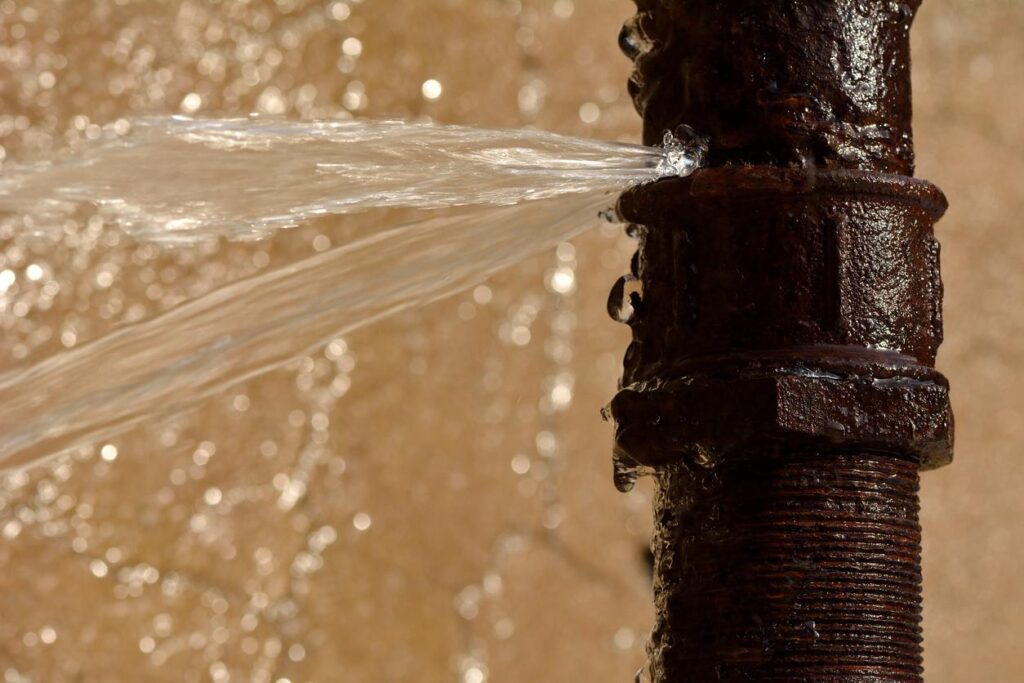
Credit: www.rooterranger.com
Gas Properties And Freezing Points
Understanding the properties of gases and their freezing points is crucial when dealing with pipelines, especially in cold environments. You might wonder if gas can freeze inside your pipes and cause blockages or damage. This depends largely on the type of gas and its freezing temperature, which varies significantly across different gases.
Types Of Gases In Pipes
Gas pipes typically carry several types of gases, each with unique characteristics. Common gases include natural gas, propane, butane, and industrial gases like nitrogen or oxygen.
- Natural Gas:Mainly methane, used for heating and cooking.
- Propane:Often used in rural heating and cooking where natural gas isn’t available.
- Butane:Used in portable stoves and lighters.
- Industrial Gases:Such as nitrogen, oxygen, and carbon dioxide, commonly used in manufacturing or medical settings.
Each gas has a different freezing point, which affects whether it can solidify inside pipes under cold conditions.
Freezing Temperatures Of Common Gases
Gases don’t freeze like water does at 0°C. Their freezing points are often far below typical environmental temperatures. For instance, methane freezes at around -182°C (-295°F), making it almost impossible to freeze in normal outdoor conditions.
| Gas | Freezing Point | Typical Use |
|---|---|---|
| Methane (Natural Gas) | -182°C (-295°F) | Heating, cooking |
| Propane | -188°C (-306°F) | Heating, portable fuel |
| Butane | -138°C (-216°F) | Portable stoves, lighters |
| Oxygen | -218°C (-360°F) | Medical, industrial |
| Nitrogen | -210°C (-346°F) | Industrial, food preservation |
Think about your local winter temperatures; they rarely drop below -30°C (-22°F). So, freezing gas in your pipes under normal weather conditions is highly unlikely. However, the issue you might face is condensation or the freezing of water vapor mixed with the gas, which can block pipes.
Have you ever checked your gas system after a harsh winter? Noticing a drop in pressure might not mean the gas froze but could indicate moisture-related blockages. Keeping your gas pipes dry and insulated prevents these common problems effectively.
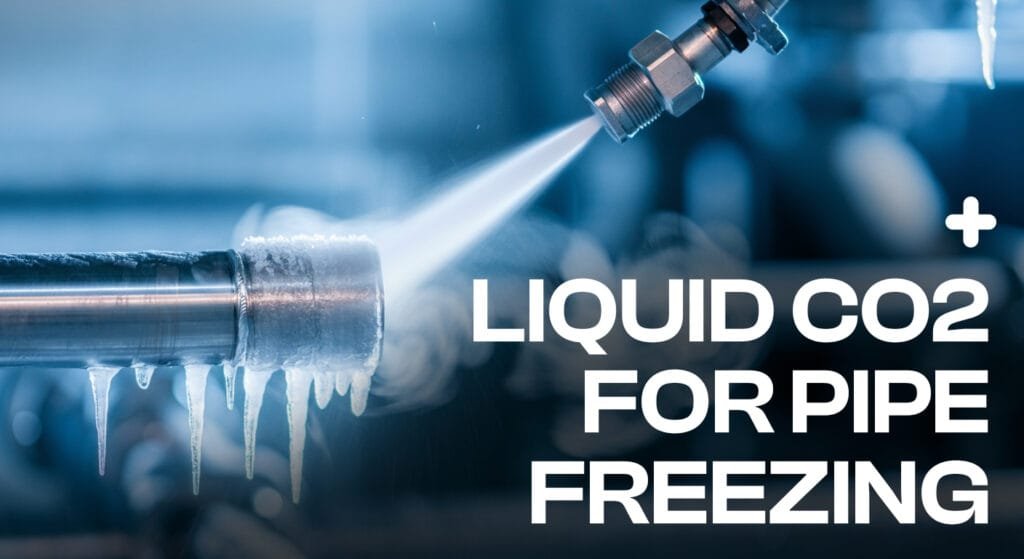
Credit: www.adamsgas.co.uk
Conditions Leading To Gas Freezing
Gas freezing in pipes might sound unusual, but certain conditions can cause it to happen. Understanding what leads to gas freezing is key to preventing costly damage and interruptions. Let’s break down the main factors that play a role, so you can spot potential issues before they escalate.
Temperature And Pressure Effects
Gas behavior changes dramatically with temperature and pressure shifts. When gas cools rapidly, especially under high pressure, its temperature can drop enough to reach freezing points of some of its components.
Think about natural gas, which contains not just methane but other hydrocarbons and water vapor. These impurities can freeze at temperatures much higher than methane itself. If the pressure drops suddenly, it causes gas expansion, which cools the gas further—a process called Joule-Thomson cooling.
Have you ever noticed how your propane tank gets cold when in use? That’s the same effect. In pipelines, this cooling can cause the gas to freeze inside the pipes, leading to blockages.
Role Of Moisture In Gas Lines
Moisture is a major culprit in gas freezing problems. Even trace amounts of water vapor in gas lines can freeze when temperatures fall below 32°F (0°C), forming ice plugs that block gas flow.
Water can enter pipelines from condensation or leaks and then mix with the gas. Once frozen, it doesn’t just stop the gas—it can cause pipes to crack or valves to malfunction.
- Gas dehydration techniques are essential to reduce moisture content.
- Regular monitoring for water presence can save you from unexpected freezes.
- Proper insulation helps maintain pipe temperature above freezing points.
Have you checked your gas line insulation or moisture levels recently? Small steps like these can save you from major freezing headaches.
Signs Of Frozen Gas In Pipes
Noticing issues with your gas supply can be unsettling, especially during cold weather. Frozen gas in pipes is rare but possible, and recognizing the signs early can prevent costly repairs or dangerous situations. Understanding these signs helps you act quickly and keep your home safe and warm.
Reduced Gas Flow
If you suddenly feel that your gas appliances are not working as efficiently, it could be a sign of frozen gas in pipes. You might notice your stove flame is weaker or your heater isn’t producing enough warmth. This reduced gas flow happens because ice blocks the pipe, limiting the amount of gas that can pass through.
Have you ever tried lighting a stove only to see a small, flickering flame? That’s a clear sign something is restricting the gas flow. Don’t ignore this; it’s your body’s way of telling you to check your pipes before the problem worsens.
Pressure Drops And Blockages
Another sign to watch out for is a sudden drop in gas pressure. If your appliances start shutting off unexpectedly or you hear strange noises from your gas lines, you could have a blockage caused by frozen gas. These blockages create pressure imbalances that disrupt the normal flow.
Pressure drops can be tricky to diagnose on your own, but if you notice inconsistent appliance performance combined with cold weather, it’s worth investigating. Have you ever felt your heater stop mid-use during winter? That moment might signal frozen gas causing a pressure drop.
Preventing Gas Freezing In Pipes
Preventing gas from freezing in pipes is essential to keep systems safe and working. Gas freezing happens when temperatures drop very low. This causes blockages and stops gas flow. Taking steps to stop freezing saves money and avoids damage.
Several practical ways help keep gas pipes warm and clear. Using insulation, heating, and regular maintenance protects pipes from cold weather. Each method plays a key role in preventing freezing problems.
Insulation Techniques
Insulating pipes keeps cold air away and traps heat inside. Use foam tubes or rubber sleeves around pipes. Wrap insulation tightly without gaps or breaks. For outdoor pipes, use weatherproof covers to block wind and moisture.
- Choose materials rated for low temperatures.
- Cover valves and joints with extra layers.
- Seal pipe entry points to stop cold drafts.
Proper insulation reduces heat loss and lowers freezing risk.
Heating Solutions
Heating pipes directly stops gas from freezing. Electric heat tape or cables wrap around pipes and provide warmth. These devices turn on automatically when temperatures fall. Use thermostats to control heat and save energy.
- Select heating products designed for gas pipes.
- Check power supply and wiring for safety.
- Keep heat sources dry and free of damage.
Heating helps pipes stay above freezing in cold conditions.
Proper Pipe Maintenance
Regular checks find weak spots before problems start. Look for cracks, leaks, or loose fittings. Fix any damage quickly to avoid gas leaks and freezing.
- Drain pipes before winter if not in use.
- Keep pipes clean from dirt and debris.
- Monitor gas pressure and flow rates regularly.
Good maintenance ensures pipes stay safe and functional year-round.
Dealing With Frozen Gas Pipes
Frozen gas pipes can create a serious safety hazard and disrupt your home’s heating or cooking systems. Handling this issue carefully is crucial to avoid damage and ensure safety. Knowing how to respond effectively helps you restore normal gas flow without risking leaks or explosions.
Safe Thawing Methods
Never use an open flame to thaw frozen gas pipes. Instead, try applying gentle heat using a hairdryer or a heat lamp. Move the heat source slowly along the pipe, keeping it at a safe distance to avoid overheating.
Wrapping the pipe with warm towels can also help. Change the towels frequently as they cool down to maintain steady warmth. Another option is using a portable electric heater near the frozen section, but keep it away from any flammable materials.
Always check for any signs of leaks during and after thawing. If you smell gas or hear hissing, turn off your gas supply immediately and ventilate the area.
When To Call Professionals
If you detect any gas smell, hearing unusual noises, or if the frozen section is hard to access, stop what you’re doing and contact a licensed professional. Gas systems are delicate, and improper handling can lead to dangerous situations.
Professionals have specialized tools like infrared cameras to locate frozen spots and methods to thaw pipes safely without risks. They can also inspect your gas lines for damage caused by freezing temperatures.
Would you want to risk your safety by attempting a complex repair? Knowing when to ask for expert help can save you money and protect your home from costly damages.
Common Myths About Gas Freezing
Many people worry about gas freezing in pipes during cold weather, but there are several myths that cloud the facts. Understanding what really happens to gas in pipes can save you from unnecessary concern and costly mistakes. Let’s clear up some common misunderstandings that might be causing you to overthink your home’s gas system.
Gas Vs. Liquid Freezing Confusion
One big myth is that gas freezes the same way liquids do. Unlike water, natural gas and propane stay in a gaseous state at temperatures much lower than what typical pipes face. Gas molecules don’t solidify under normal outdoor cold conditions; instead, they just become denser.
This confusion often arises because people think about how water freezes and assume gas behaves similarly. But gases don’t form ice crystals—they just continue to flow unless the pressure or temperature conditions are extreme and controlled, like in industrial settings.
Misconceptions On Pipe Damage
Many believe freezing gas inside pipes can cause them to burst. In reality, the risk comes from water or moisture inside the pipes freezing and expanding. Since gas itself won’t freeze under usual circumstances, it’s moisture buildup that you should watch for.
Have you ever noticed a pipe crack or burst during winter? It’s almost always due to frozen water, not the gas inside. Ensuring your pipes are dry and insulated is a more effective way to prevent damage than worrying about the gas freezing.

Credit: www.pmmag.com
Frequently Asked Questions
Can Gas Freeze Inside Water Pipes?
Gas itself rarely freezes in pipes, but moisture or water vapor within the gas can freeze. This ice can block pipes and valves, causing flow issues. Proper insulation and heating prevent freezing in cold climates. Understanding pipe content is crucial to managing freeze risks.
What Temperature Causes Gas To Freeze In Pipes?
Most gases freeze at extremely low temperatures, far below typical weather conditions. For example, natural gas freezes below -260°F (-162°C). However, water vapor in pipes freezes around 32°F (0°C), leading to blockages. Proper pipe insulation helps maintain temperatures above freezing.
How To Prevent Gas Freezing In Cold Pipes?
Insulating pipes and maintaining a steady temperature prevent freezing. Heat tracing cables and proper ventilation also help. Regularly checking pipes during cold weather can detect early signs of freezing. These steps ensure smooth gas flow and avoid costly repairs.
Does Frozen Gas In Pipes Damage Plumbing?
Frozen gas itself rarely damages pipes, but ice blockages can increase pressure and cause leaks or bursts. Pipe materials and insulation quality influence damage risk. Preventive measures reduce freeze damage, protecting plumbing systems in cold weather.
Conclusion
Gas does not freeze in pipes like water does. Instead, it can get very cold and slow down. Pipes may get damaged if temperatures drop too low. Proper insulation helps keep pipes safe and working. Knowing this can prevent costly repairs and interruptions.
Stay aware of weather changes and protect your pipes. Simple steps make a big difference in winter. Keep your home and gas systems running smoothly. Remember, cold weather affects gas differently than water.