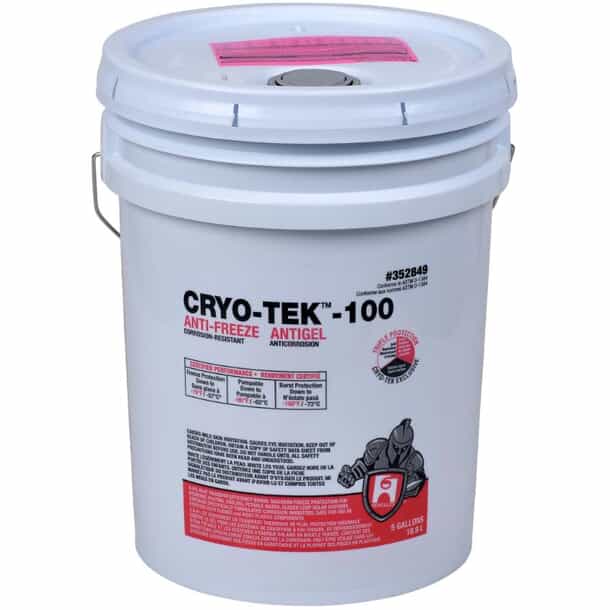
Have you ever wondered if glycol, a crucial component in many cooling systems, can actually freeze? It might sound surprising, but this question holds significant importance, especially if you’re someone who relies on glycol for industrial or personal applications.
Understanding the freezing properties of glycol can save you from unexpected equipment failures and costly repairs. Imagine a scenario where your cooling system suddenly stops working in the dead of winter, simply because the glycol mixture wasn’t right. We’ll dive into whether glycol can freeze, the factors that influence its freezing point, and how you can ensure your system runs smoothly even in the coldest conditions.
Keep reading to uncover the facts that could make all the difference for your systems and your peace of mind.
Glycol Basics
Understanding the basics of glycol is essential if you’re curious about its freezing properties and uses. Glycol is a type of organic compound widely used in various industries due to its unique chemical structure. Knowing what glycol is made of and how it behaves in different conditions will help you grasp whether it can freeze and under what circumstances.
Types Of Glycol
Glycol comes in several forms, but the two most common types you’ll encounter are ethylene glycol and propylene glycol. Ethylene glycol is often used in automotive antifreeze because of its excellent heat transfer capabilities. Propylene glycol, on the other hand, is considered safer for food and pharmaceutical applications due to its lower toxicity.
Each type has different physical properties, including freezing points, which affect how they perform in cold environments. Are you aware that propylene glycol freezes at a lower temperature than water, but higher than ethylene glycol? This difference can impact your choice depending on your needs.
Common Uses
Glycol’s ability to lower the freezing point of liquids makes it invaluable in many everyday applications. You’ll find it in antifreeze solutions for cars, helping engines run smoothly in freezing weather. It also plays a role in HVAC systems, preventing pipes from freezing and bursting during winter.
Beyond industrial uses, glycol is present in food products, cosmetics, and even pharmaceuticals as a solvent or moisture-retaining agent. Have you ever wondered why some lotions don’t freeze in your fridge? Glycol might be the reason.

Credit: www.youtube.com
Freezing Point Of Glycol
Understanding the freezing point of glycol is key if you handle it in any cooling or heating system. Glycol doesn’t freeze at the same temperature as water. This unique trait makes it valuable in preventing pipes and systems from freezing in cold environments.
Factors Affecting Freezing Point
The freezing point of glycol depends on its concentration in a solution. Pure glycol freezes around -12°C (10°F), but when mixed with water, the freezing point drops significantly.
Here are some key factors that influence glycol’s freezing point:
- Concentration:Higher glycol percentages lower the freezing point.
- Type of Glycol:Propylene glycol and ethylene glycol have slightly different freezing points.
- Impurities:Additives or contaminants can alter freezing behavior.
Have you ever wondered why your car’s antifreeze works so well in harsh winters? It’s all about these factors that keep the coolant liquid when temperatures drop.
Comparison With Water
Water freezes at 0°C (32°F), which can cause problems in cold conditions. Glycol solutions can remain liquid well below this point, making them safer for use in systems exposed to freezing temperatures.
| Substance | Freezing Point |
|---|---|
| Water | 0°C (32°F) |
| Pure Propylene Glycol | -59°C (-74°F) |
| Pure Ethylene Glycol | -12°C (10°F) |
| 50% Glycol-Water Mixture | Approximately -37°C (-35°F) |
Does your current system use water or glycol? Choosing the right fluid can prevent costly freeze damage and keep your equipment running smoothly through winter.
Glycol Concentration And Freezing
Understanding how glycol concentration affects its freezing point is crucial for anyone working with cooling systems or antifreeze solutions. The right mixture keeps your system safe from freezing damage and ensures efficient operation. Let’s look closely at how different concentrations impact glycol’s ability to resist freezing.
How Concentration Changes Freezing Point
Glycol lowers the freezing point of water by disrupting ice crystal formation. The more glycol you add, the lower the freezing point becomes. However, this effect doesn’t increase linearly—small changes in concentration can lead to significant shifts in freezing temperature.
For example, a 20% glycol solution might freeze around 10°F (-12°C), while a 50% solution can remain liquid down to -34°F (-37°C). But pushing concentration too high can cause other issues like increased viscosity and reduced heat transfer efficiency.
Have you ever wondered why some antifreeze mixtures still freeze in extreme cold? It might be due to improper glycol concentration, which makes understanding this balance vital.
Optimal Ratios For Freeze Protection
Finding the ideal glycol-to-water ratio depends on your environment and system requirements. Most applications use between 30% and 50% glycol by volume for effective freeze protection without compromising performance.
| Glycol Concentration (%) | Approximate Freezing Point (°F) | Use Case |
|---|---|---|
| 20% | 10°F (-12°C) | Moderate climates, light freeze protection |
| 35% | -20°F (-29°C) | Typical winter conditions |
| 50% | -34°F (-37°C) | Severe cold environments |
Keep in mind, using more glycol than necessary can increase costs and strain your system. It’s worth testing your specific setup with a refractometer to find the best mix. What’s your current glycol concentration, and how does it hold up in cold weather?
Temperature Thresholds To Watch
Understanding the temperature limits for glycol is key to avoiding freezing problems. Glycol is used to lower freezing points in many systems. Still, each type has a specific temperature range to stay safe. Knowing these ranges helps protect equipment and maintain performance.
Safe Operating Temperatures
Glycol solutions have different freezing points based on concentration. Typical propylene glycol freezes between -30°C and -50°C. Ethylene glycol freezes slightly lower, around -40°C to -60°C. The exact temperature depends on the mixture ratio with water.
Common safe operating temperatures include:
- 30% glycol: freezers around -15°C
- 50% glycol: freezers near -35°C
- 70% glycol: freezers close to -50°C
Choosing the right glycol mix ensures it stays liquid in cold conditions. Operating above these thresholds prevents damage to pipes and pumps.
Signs Of Glycol Freezing
Frozen glycol often shows clear warning signs before causing damage. Watch for slower fluid flow or blockages in the system. Pipes may feel unusually cold or stiff. Pumps might struggle or make strange noises.
Other signs include:
- Reduced heat transfer efficiency
- Cracks or leaks in pipes
- Pressure drops or spikes in the system
Spotting these signs early helps avoid costly repairs and downtime. Regular checks during cold weather can save systems from freezing issues.
Preventing Glycol Freeze
Preventing glycol from freezing is essential to maintain system efficiency and avoid costly downtime. Freeze protection ensures your equipment runs smoothly, especially in cold environments. You can take practical steps in both storage and system design to keep glycol fluid and effective.
Best Practices In Storage
Store glycol in a temperature-controlled environment to minimize the risk of freezing. Avoid placing containers near windows or doors where cold air can seep in. Using insulated or heated storage tanks adds an extra layer of protection.
Regularly check the glycol concentration with a refractometer or hydrometer. Too much water dilutes the mixture, increasing freeze risk. Keep the concentration within recommended levels, usually between 30% and 50%, depending on your system’s needs.
Have you ever experienced glycol freeze due to improper storage? I once saw a facility lose days of operation because their glycol was stored outdoors without insulation. That lesson taught me how critical proper storage is for freeze prevention.
System Design Tips
Design your system with freeze prevention in mind by including heating elements or trace heating on pipes and tanks. These keep glycol at a safe temperature during extreme cold spells. It’s a small upfront cost that saves major repair bills later.
Ensure the system allows for proper glycol circulation. Stagnant glycol is more likely to freeze. Installing circulation pumps or designing the layout to avoid dead zones helps keep the fluid moving and prevents freezing.
Consider adding sensors and automated controls to monitor temperature and glycol flow. These tools alert you before freezing becomes a problem, giving you time to act. Wouldn’t you prefer a system that warns you rather than one that surprises you with a freeze?

Credit: www.homehardware.ca
Effects Of Freezing Glycol
Freezing glycol can cause several problems affecting its function and safety. Understanding these effects helps maintain systems that rely on glycol solutions. Below are key impacts of freezing glycol.
Damage Risks
Freezing glycol causes expansion in volume. This expansion can crack containers and pipes. Cracked pipes lead to leaks and costly repairs. Frozen glycol can separate, losing its protective properties. Ice crystals damage internal system parts and seals. These issues reduce the lifespan of cooling systems.
Performance Impact
Frozen glycol loses its ability to flow properly. This reduces heat transfer efficiency in cooling systems. Ice blocks reduce circulation and cause overheating. Frozen glycol also lowers antifreeze protection. This increases the risk of system freeze and damage. Overall, freezing glycol degrades system performance and reliability.
Testing And Monitoring Glycol
Keeping glycol at the right freeze point is crucial for the safety and efficiency of your system. Testing and monitoring glycol regularly helps you avoid costly damages caused by unexpected freezing. It also ensures your glycol mixture is performing as expected under varying weather conditions.
Tools For Freeze Point Testing
Testing glycol’s freeze point is easier with the right tools. A handheld refractometer is a popular choice because it gives quick and accurate readings of the glycol concentration. You simply place a few drops of your glycol solution on the prism and look through the eyepiece to get the freeze point.
Another useful tool is a digital glycol tester, which provides instant freeze point readings and can store data for future reference. Some professionals use specialized freeze point testers that combine temperature measurement with concentration analysis. These tools help you spot when your glycol mixture needs adjustment before any freezing happens.
Regular Maintenance Checks
Testing isn’t a one-time task—it’s an ongoing process. Set a schedule to check your glycol system at least once a month, especially before cold seasons. Consistent checks allow you to catch issues early, like dilution from leaks or degradation over time.
During maintenance, inspect for any signs of contamination or changes in color and smell, which can indicate the glycol is breaking down. Don’t forget to verify the system’s pressure and temperature to ensure everything is running smoothly. How often do you check your glycol system? Increasing the frequency could save you from unexpected shutdowns.

Credit: bansheeboilers.ie
Frequently Asked Questions
Can Glycol Freeze In Cold Temperatures?
Yes, glycol can freeze at very low temperatures. Its freezing point depends on the type and concentration. Propylene glycol freezes around -59°F (-50°C), while ethylene glycol freezes near -12°F (-24°C).
What Affects Glycol’s Freezing Point?
The freezing point of glycol depends on its purity and mixture ratio. Higher concentration lowers the freezing point, making it more resistant to freezing in cold environments.
Is Glycol Safer Than Water For Freezing Prevention?
Yes, glycol is safer than water for freezing prevention. It protects systems from damage caused by ice formation in pipes and engines.
How Can I Prevent Glycol From Freezing?
To prevent glycol from freezing, maintain the correct concentration and temperature. Using a proper mixture with water ensures effective freeze protection.
Conclusion
Glycol can freeze, but at much lower temperatures than water. This makes it useful in cold environments. Knowing its freezing point helps you prevent problems in pipes or engines. Always choose the right type of glycol for your needs. Keep systems maintained to avoid freezing damage.
Understanding glycol’s limits ensures safety and efficiency. It’s a simple step that saves time and money. Stay informed and protect your equipment well.