Have you ever looked at your grimy grill grates and wondered if there’s a simpler way to clean them? You’re not alone.
Many grill enthusiasts like you are seeking a hassle-free solution to keep their grill grates sparkling. The thought of just popping them in the dishwasher is tempting, isn’t it? But before you rush to load your dishwasher, there’s a lot you need to know.
Could this cleaning shortcut save you time, or might it lead to costly damage? We’ll uncover the truth and give you the clarity you need. Stick around—you’ll be surprised by what you discover!
Types Of Grill Grates
Grill grates come in various materials that affect cooking and cleaning. Each type offers unique benefits and care needs. Knowing the material helps decide if dishwasher cleaning is safe.
Cast Iron Grates
Cast iron grates hold heat well for even cooking. They develop a natural non-stick surface when seasoned properly. These grates can rust easily if not dried and oiled after cleaning. Dishwashers can remove seasoning and cause rust, so hand washing is best.
Stainless Steel Grates
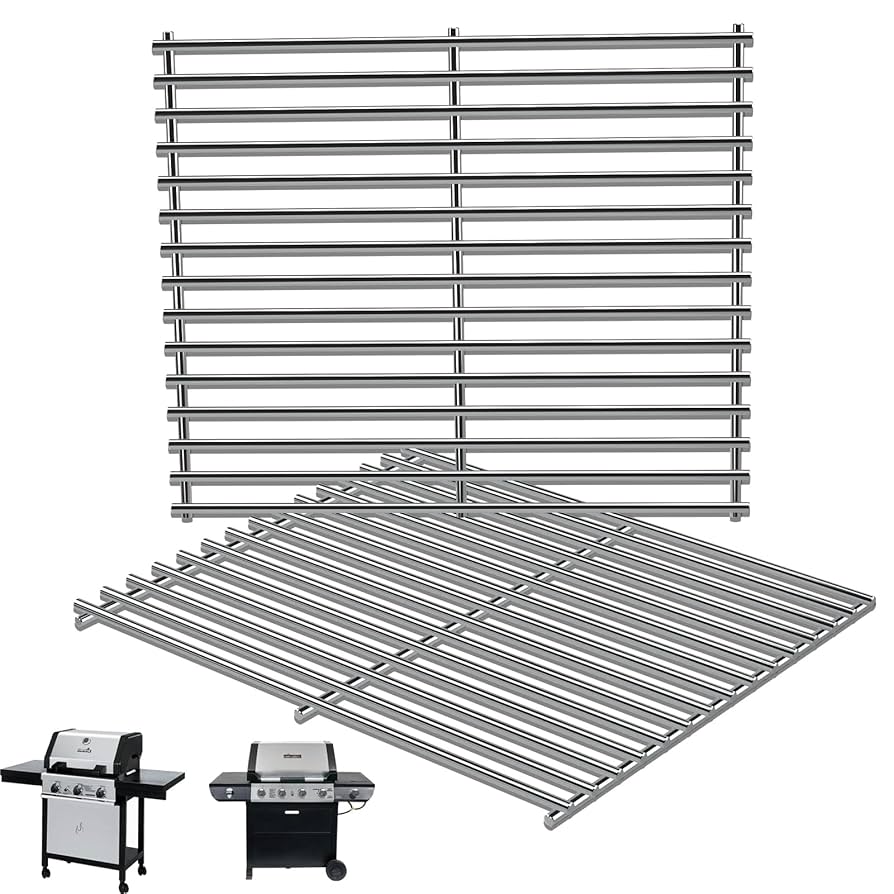
Stainless steel grates resist rust and corrosion. They heat quickly and clean easily. Most stainless steel grates can go in the dishwasher without damage. Still, check the manufacturer’s advice to avoid discoloration or warping.
Porcelain-coated Grates
Porcelain-coated grates have a smooth, glass-like finish over metal. This coating prevents rust and food sticking. The porcelain can chip or crack under harsh dishwasher cycles. Gentle hand washing helps keep the coating intact and lasts longer.

Credit: www.lambertslately.com
Dishwasher Safety For Grill Grates
Wondering if you can toss your grill grates into the dishwasher for a quick clean? Before you do, it’s important to understand the safety concerns involved. Not all grill grates are created equal, and washing them in a dishwasher might cause more harm than good.
Material Compatibility
Grill grates come in various materials like cast iron, stainless steel, and porcelain-coated steel. Stainless steel grates usually handle dishwasher cycles well, but cast iron ones are sensitive to moisture and harsh detergents.
Porcelain-coated grates can chip or crack in the dishwasher, ruining the protective layer. Knowing your grate’s material is key before deciding on dishwasher cleaning.
Potential Damage Risks
Dishwashers use high heat and strong detergents that can strip seasoning from cast iron grates, leading to rust. The intense water pressure might also dislodge coatings or cause warping in delicate materials.
Repeated dishwasher cycles may shorten your grate’s lifespan by weakening its surface and structure. Have you noticed your grill grates looking worse after a wash in the dishwasher?
Manufacturer Recommendations
Check your grill or grate manual for specific cleaning instructions. Many manufacturers advise hand washing to maintain durability and appearance.
If the manual says dishwasher-safe, make sure to place the grate securely to avoid damage during the wash cycle. When in doubt, a quick scrub with a grill brush and soapy water often works better and keeps your grates in great shape.
Alternative Cleaning Methods
Grill grates can be tricky to clean, especially if you want to keep them in top shape without risking damage from harsh dishwasher cycles. Luckily, there are several alternative cleaning methods that can make the process easier and more effective. These approaches not only protect your grates but also save you time and effort.
Hand Washing Techniques
Hand washing your grill grates allows you to control the cleaning process carefully. Start by scraping off large food residues with a plastic scraper or a spatula. Then, use warm soapy water and a sponge or cloth to scrub the surface gently but thoroughly.
Make sure to rinse the grates well to remove all soap. Dry them completely to prevent rust. Have you noticed how a simple hand wash can often preserve the coating better than machine washing?
Using Grill Brushes
Grill brushes are designed specifically for this purpose. A stiff-bristled brush can remove stubborn char and grease efficiently. Choose one with brass or stainless steel bristles depending on your grate material to avoid scratching.
Brush the grates after each use while they are still warm for best results. This habit prevents buildup and reduces the need for heavy cleaning later. Do you find brushing immediately after grilling saves you more time than waiting?
Soaking And Scrubbing Tips
Soaking grill grates in hot, soapy water softens baked-on grime and makes scrubbing easier. Fill a basin or your sink with water and a few drops of dish soap, then let the grates soak for 30 minutes or longer.
After soaking, use a scrub pad or brush to tackle any remaining residue. For tougher spots, sprinkle baking soda as a gentle abrasive. This combo works wonders without damaging the grates. What’s your go-to soak time for loosening the toughest grease?

Credit: www.reddit.com
Maintaining Grill Grates
Maintaining grill grates extends their life and keeps food tasting great. Proper care prevents damage and rust. It also helps grates cook evenly every time. Simple steps make cleaning and storage easier. Regular upkeep saves money and effort later.
Seasoning Cast Iron Grates
Seasoning cast iron grates creates a natural non-stick surface. Start by cleaning grates thoroughly. Dry them completely to avoid rust. Apply a thin layer of cooking oil all over. Heat the grates on the grill or in the oven. This process forms a protective coating. Repeat seasoning regularly for best results.
Preventing Rust
Rust damages grill grates and affects food taste. Keep grates dry after cleaning to stop rust. Use a wire brush to remove any rust spots. Apply oil to grates before and after each use. Store grates in a dry place to avoid moisture. Cover your grill when not in use.
Storage Tips
- Clean grates fully before storage.
- Dry grates completely to prevent moisture buildup.
- Store grates in a cool, dry area.
- Use a grill cover to protect from weather.
- Keep grates off the ground to avoid dirt.
- Check stored grates regularly for rust or damage.
Troubleshooting Common Issues
Grill grates can sometimes be tricky to clean, even if you toss them in the dishwasher. You might face stubborn residue, rust spots, or even warping that dishwasher cycles can’t fix. Understanding how to tackle these common issues will help you keep your grill grates in top shape and extend their life.
Removing Stubborn Residue
Sometimes, burnt-on grease and food particles won’t budge after a dishwasher cycle. Try soaking the grates in warm, soapy water for 30 minutes to loosen the residue.
Next, use a grill brush or a non-abrasive scrubbing pad to gently scrape away the debris. If the residue still clings on, sprinkle baking soda on the grates and spray vinegar over it, letting it fizz for a few minutes before scrubbing again.
Have you noticed certain foods, like marinated meats, leave tougher stains? Adjust your cleaning routine after every cook to prevent buildup from becoming a bigger problem.
Dealing With Rust Spots
Rust can appear if your grill grates aren’t dried properly or stored in a damp area. To remove rust, scrub the spots with a mixture of baking soda and water or use a commercial rust remover designed for grill grates.
After cleaning, rinse thoroughly and dry the grates completely with a towel. Applying a thin coat of cooking oil before storing helps create a protective barrier against moisture.
Have you tried storing your grill grates outside without a cover? It might be time to rethink where and how you keep your grill accessories.
Handling Warped Grates
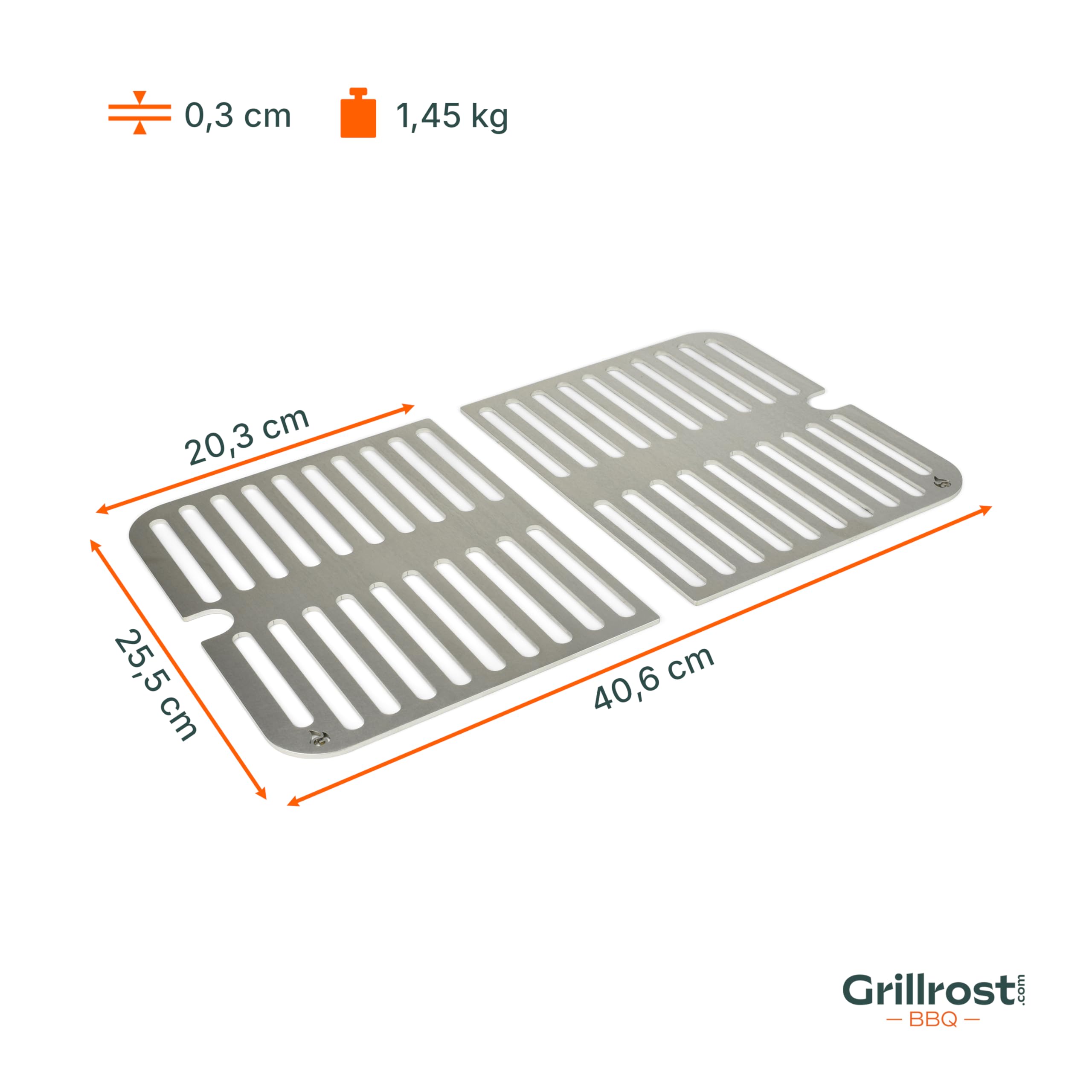
Warping usually happens when grates are exposed to extreme heat or rapid temperature changes. Unfortunately, once warped, grates rarely return to their original shape.
If you spot warping, check if the grates still sit evenly on your grill. Uneven grates can cause food to cook unevenly or fall through the cracks.
Consider replacing warped grates to ensure even cooking and safety. To avoid warping, never pour cold water on hot grates and avoid overheating them for too long.
Credit: www.amazon.nl
Frequently Asked Questions
Can All Grill Grates Go In The Dishwasher?
Not all grill grates are dishwasher safe. Cast iron grates should be hand-washed to avoid rust. Stainless steel grates usually tolerate dishwashers well. Always check the manufacturer’s instructions before cleaning.
Will Dishwasher Damage Cast Iron Grill Grates?
Yes, dishwasher use can damage cast iron grates. The harsh detergents and moisture cause rust and strip seasoning. Hand-washing and oiling cast iron grates is recommended to maintain their quality and longevity.
How To Clean Stainless Steel Grill Grates Safely?
Stainless steel grill grates can go in the dishwasher. Use mild detergent and avoid harsh chemicals. Remove food debris before placing them in the dishwasher for effective and safe cleaning.
Is Dishwasher Cleaning Effective For Removing Grill Residue?
Dishwashers can clean light grease and food residue. For heavy buildup, pre-soaking and scrubbing are necessary. Using a dishwasher alone may not remove stubborn grill grime completely.
Conclusion
Grill grates can go in the dishwasher, but check the material first. Some grates may rust or lose coating if washed this way. Hand washing often keeps them in better shape for longer. Use warm water and mild soap for easy cleaning.
Avoid harsh scrubbing that might damage the surface. Taking care of your grill grates helps keep your food tasting great. Clean grates also make grilling safer and more enjoyable. Choose the cleaning method that fits your grate type and routine.
Simple care leads to better grilling results every time.