Have you ever wondered if your heating oil can freeze when the temperature drops? If you rely on heating oil to keep your home warm, this question is probably on your mind during cold months.
Understanding whether heating oil freezes—and what that means for your comfort and safety—can save you from unexpected problems. You’ll learn the facts about heating oil and freezing, plus practical tips to protect your system. Keep reading to make sure your home stays warm no matter how low the temperature falls.
Credit: lordco.com
Heating Oil Basics
Understanding the basics of heating oil is essential before diving into whether it can freeze. Heating oil powers many home heating systems, especially in colder regions. Knowing what heating oil is and the types available helps you maintain your system effectively and avoid surprises during winter.
What Is Heating Oil
Heating oil is a liquid fuel used primarily to heat homes and buildings. It is derived from crude oil but refined specifically for heating purposes. Unlike gasoline or diesel, heating oil is thicker and burns slower, making it ideal for home furnaces and boilers.
Have you ever wondered why your heating system uses oil instead of electricity or gas? Heating oil offers a reliable heat source, especially in areas without natural gas lines. It also stores easily in tanks, giving you control over when and how much you buy.
Common Types Of Heating Oil
Heating oil comes in several grades, each with distinct properties suited for different climates and equipment. The most common types include:
- No. 2 Heating Oil:The standard type used in most residential heating systems. It is similar to diesel fuel but formulated for home heating.
- No. 1 Heating Oil:A lighter version that flows better in cold temperatures. It is often blended with No. 2 oil to improve cold-weather performance.
- No. 4 and No. 6 Oils:Heavier oils used mainly in commercial or industrial settings, not typical for home heating.
Knowing the type of oil your system uses helps you prepare for winter. For example, if your heating oil thickens or gels during cold snaps, switching to a blend with No. 1 oil can prevent issues. What steps have you taken to ensure your heating oil keeps flowing smoothly in freezing weather?

Credit: www.achrnews.com
Freezing Point Of Heating Oil
Understanding the freezing point of heating oil is crucial for anyone relying on oil heating systems, especially in colder climates. Many assume heating oil can’t freeze, but the truth depends on several factors including the type of oil and temperature conditions. Knowing these details helps you prevent unexpected heating failures during winter.
Temperature Thresholds
Heating oil doesn’t freeze at the same temperature as water. Most types of heating oil start to gel or thicken around 20°F (-6°C). However, the exact temperature can vary slightly depending on the oil’s grade and additives.
When the temperature drops below this threshold, the oil becomes less fluid and can clog filters or lines. This gelling effect mimics freezing and can disrupt your heating system’s performance. Have you ever noticed your furnace struggling on the coldest mornings? That’s often the oil thickening.
Factors Affecting Freezing
The freezing point of heating oil isn’t fixed—it changes based on several factors:
- Oil Composition:2 heating oil, the most common type, gels around 20°F, but blends with additives or kerosene can lower this point.
- Presence of Additives:Pour point depressants are often added to keep oil liquid at lower temperatures.
- Storage Conditions:How and where you store your oil tank affects its temperature and risk of gelling.
I once had a customer who stored their tank outdoors without insulation. Despite their oil being treated, extreme cold caused gelling and left them without heat for a day. This shows how important it is to consider storage and local weather together.
What steps can you take to keep your heating oil flowing smoothly this winter? Understanding these temperature thresholds and factors gives you the power to act before trouble starts.
Myths About Heating Oil Freezing
Many people worry that heating oil can freeze during cold weather. This concern leads to several myths about heating oil and its behavior in low temperatures. Clearing these myths helps homeowners understand how heating oil works and what to expect in winter.
Common Misconceptions
- Heating oil freezes at the same temperature as water.
- Heating oil will stop flowing in cold weather.
- Adding antifreeze to heating oil prevents freezing.
- Heating oil tanks need constant heating to avoid freezing.
Scientific Facts
Heating oil is a petroleum product that freezes at much lower temperatures than water. Typically, it solidifies around -40°F (-40°C), far colder than most winter temperatures.
Heating oil remains liquid and flows easily even in harsh winters. This property ensures continuous fuel supply to your heating system.
Adding antifreeze to heating oil is unnecessary and can harm your heating system. Instead, proper tank insulation and maintenance work best.
Heating oil tanks do not require heating devices to prevent freezing. Proper installation and insulation keep the oil flowing smoothly.
Risks Of Cold Weather On Heating Oil
Cold weather poses several risks to heating oil and the systems that use it. Low temperatures affect the oil’s flow and performance. Understanding these risks helps maintain heating efficiency during winter.
Wax Formation And Clogging
Heating oil contains wax that solidifies at low temperatures. This wax forms crystals that can clog fuel lines and filters. Clogged filters stop oil from reaching the burner. This leads to heating failure and costly repairs.
Wax formation is more common in very cold climates. It causes the oil to thicken and flow poorly. Fuel additives can reduce wax buildup and improve flow.
Impact On Heating Systems
Cold, thickened oil strains the heating system. The burner may struggle to ignite or run smoothly. This puts extra pressure on pumps and valves.
Blocked fuel lines cause the system to shut down. This leaves homes without heat during cold spells. Regular maintenance and oil testing help avoid these problems.
Preventing Heating Oil Problems In Winter
Winter can be tough on your heating oil system. Freezing temperatures might cause your oil to gel or thicken, leading to blockages and heating failures. Taking preventive measures ensures your home stays warm and your system runs smoothly throughout the cold months.
Proper Storage Techniques
Storing heating oil correctly is key to avoiding problems in winter. Keep your oil tank in a well-insulated area to protect it from extreme cold. Avoid placing it near windows or doors where drafts can lower the temperature around the tank.
Make sure the tank is full or nearly full before temperatures drop. A fuller tank reduces condensation inside, which can cause water buildup and freezing issues. Have you checked your tank’s condition recently? Rust or leaks can worsen problems during winter.
Additives And Treatments
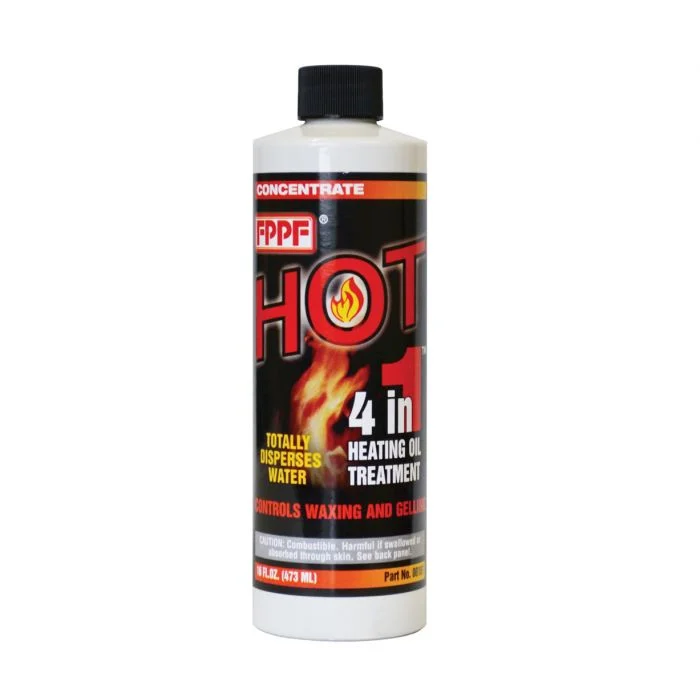
Additives can make a big difference in preventing your heating oil from freezing. Anti-gel additives lower the temperature at which oil thickens, keeping it flowing even in severe cold. These treatments are easy to add and cost-effective compared to emergency repairs.
Choose additives that match your oil type and follow the product instructions carefully. Have you ever noticed your heating system struggling after a cold snap? Adding the right treatment early can save you from those frustrating heating interruptions.
Credit: blog.equipsupply.com
What To Do If Heating Oil Thickens
Heating oil thickening can disrupt your home’s warmth and comfort, especially during cold months. If your heating oil starts to gel or freeze, it affects the flow through your system, causing your furnace to struggle or stop working. Knowing how to identify and address thickened heating oil will save you time, money, and frustration.
Signs Of Wax Build-up
Heating oil contains paraffin wax, which can solidify at low temperatures. You might notice your furnace running longer but heating less effectively. Another sign is sputtering or uneven burner flames, indicating fuel flow issues.
Check the fuel filter and lines for clogs or slow flow. If you smell fuel but your system won’t start, wax build-up could be blocking the oil. Have you ever wondered why your heater acts up only when it’s freezing outside? Wax formation is often the culprit.
Troubleshooting Tips
First, try warming the oil tank slightly. Use a safe heat source, like a heating pad or warm water, to gently raise the temperature and melt the wax. Avoid open flames or excessive heat that could cause hazards.
Next, replace clogged filters and check your oil lines. Adding an anti-gel additive to your heating oil can prevent wax crystals from forming. You might want to keep these additives on hand before cold snaps hit.
If problems persist, call a professional technician. They can clean or flush your system and inspect for deeper issues. Are you prepared with a plan for sudden cold spells? Taking action early prevents costly repairs and keeps your home cozy.
Alternative Heating Options For Cold Climates
Choosing the right heating option for cold climates is crucial, especially when you worry about issues like heating oil freezing. You need a system that not only keeps your home warm but also works reliably under freezing conditions. Let’s look at alternative heating options that can handle the cold without the risk of fuel freezing.
Comparing Fuel Types
Heating oil is popular, but it can gel or freeze in very low temperatures. Propane is a common alternative that stays liquid even in extreme cold, making it a dependable choice. Natural gas is another option, offering continuous supply through pipelines, so you don’t run out during harsh winters.
Electric heating systems, such as heat pumps, don’t rely on liquid fuels at all. They pull heat from the outside air or ground, but their effectiveness can drop if temperatures fall too low. Wood and pellet stoves provide a renewable option, but they need regular refilling and maintenance.
Energy Efficiency Considerations
Efficiency affects both your bills and environmental impact. Propane heaters often have high efficiency, converting most fuel into heat quickly. Heat pumps can be very efficient but might need backup heating in freezing weather.
Heating oil systems vary in efficiency depending on the equipment and fuel quality. If you’ve experienced frozen oil, think about how that downtime affects overall efficiency. Wood stoves can be efficient, but only if you have a good supply of dry wood and proper ventilation.
What matters most to you—lower fuel costs, ease of use, or environmental impact? Your choice should fit your daily life and local climate challenges, ensuring you stay warm without hassle or surprise breakdowns.
Frequently Asked Questions
Can Heating Oil Freeze In Cold Weather?
Heating oil has a low freezing point, around -40°F, so it rarely freezes. However, in extreme cold, wax crystals can form, causing flow issues. Proper additives and maintenance prevent freezing and keep oil flowing smoothly in cold climates.
What Causes Heating Oil To Gel Or Thicken?
Heating oil gels when temperatures drop below 20°F, causing wax crystals to form. This thickens the oil and clogs filters. Using anti-gel additives and keeping tanks full helps prevent gelling and ensures efficient heating.
How Can I Prevent Heating Oil From Freezing?
To prevent freezing, keep your heating oil tank full during winter. Use anti-gel additives and ensure regular maintenance. Also, insulating the tank and pipes helps maintain oil flow and protects your heating system from cold damage.
Is It Safe To Use Heating Oil In Freezing Temperatures?
Yes, heating oil is safe in freezing temperatures if properly maintained. Using additives and regular servicing prevents gelling and flow problems. Ensuring your system is winter-ready keeps your home warm and your heating oil flowing efficiently.
Conclusion
Heating oil does not freeze like water. It thickens in cold weather. This thickening can cause flow issues. Proper storage helps prevent problems. Keep tanks insulated. Regular maintenance is crucial. Check oil levels often. Use additives in extreme cold. They help maintain oil flow.
Understanding these steps ensures smooth heating. Stay warm and worry-free.