
Are you wondering if your HVAC system can still use R22 refrigerant? You’re not alone.
Many homeowners and business owners are facing this question as they strive to keep their cooling systems running smoothly. With environmental regulations tightening and older systems still in use, it’s crucial to know your options. In this blog post, we’ll dive into the details of R22 refrigerant, why it’s being phased out, and what alternatives are available for your HVAC system.
By understanding these aspects, you can make informed decisions that not only keep your space comfortable but also align with environmental standards. Stick around, and you’ll discover practical solutions that could save you money and ensure your system’s longevity.
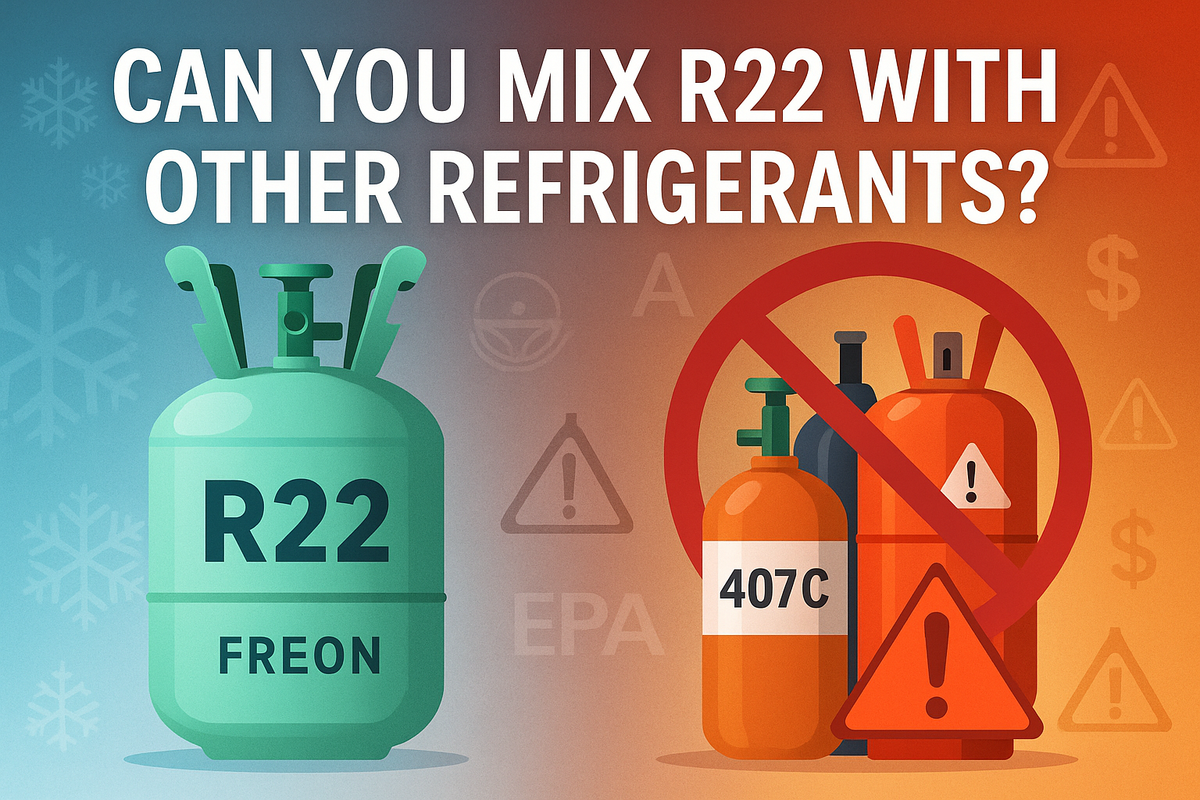
Credit: refrigerantscenter.com
R22 Refrigerant Basics
Understanding the basics of R22 refrigerant is essential if you’re dealing with older HVAC systems or considering maintenance options. This refrigerant has been a staple in cooling systems for decades, but its use is now highly regulated. Knowing what R22 is and where it’s commonly used can help you make smarter decisions about your HVAC setup.
What Is R22 Refrigerant
R22, also known as HCFC-22, is a type of refrigerant once widely used in air conditioning and refrigeration systems. It’s a hydrochlorofluorocarbon that helps transfer heat, making your home or office cool. However, due to its ozone-depleting properties, production and import of R22 have been phased out in many countries.
Have you ever wondered why older air conditioners sometimes need special care? That’s often because they rely on R22, which is now harder to find and more expensive. This phase-out means if your system uses R22, repairs or recharging might require alternatives or retrofitting.
Common Uses Of R22
R22 refrigerant was commonly used in residential and commercial air conditioning units. It also found its place in refrigeration systems like supermarket freezers and industrial cooling.
- Central air conditioners in homes built before 2010
- Heat pumps operating in mild climates
- Commercial refrigeration equipment
When my old HVAC system started leaking R22, I realized the challenge of finding affordable replacement refrigerant. It made me think about whether upgrading to newer, eco-friendly refrigerants might save money and hassle in the long run. Could your system be relying on R22 without you even knowing it?
Current Status Of R22 Refrigerant
The current status of R22 refrigerant is important for homeowners and HVAC professionals. R22, also known as Freon, was widely used in air conditioning systems. New regulations have changed how it can be used and sold. Understanding these changes helps make informed decisions about HVAC maintenance and repairs.
Phase-out Timeline
The phase-out of R22 began in 2010. Since then, production and import have steadily decreased. The goal is to stop all production and import by 2020. After 2020, only recycled or reclaimed R22 can be used. This affects older HVAC systems that still rely on R22. Replacement with newer refrigerants is encouraged for better compliance.
Environmental Impact
R22 is harmful to the environment. It contributes to ozone layer depletion. The ozone layer protects the Earth from harmful ultraviolet rays. R22 also has a high global warming potential. This means it traps heat in the atmosphere more than some other gases. Switching to eco-friendly refrigerants helps reduce environmental damage. This is a key reason for the phase-out.
Compatibility Of Hvac Systems With R22
Understanding the compatibility of your HVAC system with R22 refrigerant is crucial, especially since R22 is being phased out due to environmental concerns. Many older systems were designed specifically for R22, and using the wrong refrigerant can damage your unit or reduce efficiency. Knowing whether your system can still handle R22 or if it needs an upgrade can save you time and money.
Types Of Systems Using R22
R22 refrigerant was commonly used in residential and commercial air conditioning systems for decades. These include:
- Split air conditioners
- Heat pumps
- Packaged systems
- Commercial refrigeration units
Most of these systems were installed before 2010, which means if your HVAC unit is older, it likely uses R22. Keep in mind, not all systems are compatible with newer refrigerants without modifications.
Retrofitting Options
If your current system uses R22, you might be wondering if you can just refill it or switch to a new refrigerant. Retrofitting your HVAC system to use alternatives like R410A or other approved refrigerants is possible but requires careful attention.
- Retrofit kits are available to convert some R22 systems.
- Oil changes and component replacements may be necessary.
- System efficiency could be affected after retrofitting.
Before deciding, ask yourself: Is retrofitting cost-effective compared to installing a new system? Sometimes, investing in a new, environmentally friendly unit saves more money and hassle over time.
Alternatives To R22 Refrigerant
R22 refrigerant has been a common choice in HVAC systems for decades, but its phase-out due to environmental concerns means you need to consider alternatives. Finding the right replacement refrigerant can improve your system’s efficiency and reduce environmental impact. Let’s look at some popular options and why making the switch benefits you.
Popular Replacement Refrigerants
Several refrigerants have gained popularity as replacements for R22. Each has unique properties that suit different HVAC systems and budgets.
- R410A:Widely used in new HVAC units, it offers better energy efficiency but requires system components compatible with higher pressure.
- R407C:A blend designed to closely match R22’s performance, making it easier to retrofit existing systems without major changes.
- R422D:Another retrofit option, known for stability and compatibility with many R22 systems.
- R134a:Mostly used in refrigeration, but occasionally adapted for air conditioning in specific setups.
Choosing the right refrigerant depends on your system’s age, design, and your willingness to upgrade components.
Benefits Of Switching
Switching from R22 to a modern refrigerant can save you money and headaches in the long run. Have you noticed rising costs for R22 recharge or difficulty finding it?
New refrigerants are easier to source and often cheaper, which means lower maintenance bills. They also improve your system’s cooling efficiency, which can reduce your energy bills noticeably.
Plus, using an environmentally friendly refrigerant helps you avoid regulatory fines and supports a cleaner planet. Isn’t it worth upgrading to a refrigerant that’s better for your wallet and the environment?
Costs And Considerations
Choosing to use R22 refrigerant in your HVAC system involves several costs and important factors. The price and availability of R22 have changed over the years. These changes affect repair and maintenance expenses. Understanding these costs helps you make better decisions about your HVAC system.
Price Trends For R22
R22 refrigerant has become more expensive due to regulations limiting its use. Production stopped in many places, making R22 rare. Prices have increased steadily. This rise affects the cost of refilling or topping up your system.
Here is a basic overview of recent price trends:
- R22 cost per pound increased by over 50% in the last five years
- Limited supply leads to price spikes during high-demand seasons
- Older stock may still be available but at premium prices
Higher prices mean repairs or recharges using R22 can become costly quickly.
Maintenance And Repairs
Maintaining an HVAC system with R22 refrigerant requires care and extra cost. Older systems using R22 may need frequent repairs. Finding parts for these systems is harder and more expensive.
- Leaks in R22 systems can be costly to fix because of refrigerant price
- Technicians need special certification to handle R22 safely
- System efficiency may drop over time, increasing energy bills
- Switching to newer refrigerants often requires system upgrades
Regular maintenance reduces major repairs but costs more due to the rarity of R22. Planning for possible system replacement saves money in the long run.
Credit: m.youtube.com
Regulations And Compliance
Handling R22 refrigerant in HVAC systems involves strict regulations and compliance rules. These rules protect the environment and ensure safety. Knowing these regulations helps avoid legal trouble and fines. It also guides proper use and disposal of R22 refrigerant.
Legal Restrictions
R22 refrigerant is being phased out under many laws worldwide. It harms the ozone layer and contributes to global warming. Many countries ban its production and import for new systems. Only existing systems can use reclaimed or recycled R22. Technicians must have certification to handle R22 safely. Violating these rules can result in fines or penalties.
Industry Standards
Industry standards set clear guidelines for R22 use and handling. These standards ensure technicians follow safe practices. Proper leak detection, repair, and recovery are mandatory. Documentation and reporting of R22 use help track compliance. Using approved equipment and tools is required. Following these standards protects technicians, customers, and the environment.

Credit: refrigerantscenter.com
Frequently Asked Questions
Can Hvac Systems Still Use R22 Refrigerant?
Many HVAC systems originally used R22, but its production is phased out. Existing units may still use R22, but it’s costly and less eco-friendly. New systems use alternative refrigerants like R410A, which are more efficient and environmentally safe.
Why Is R22 Refrigerant Being Phased Out?
R22 contains chlorine, which harms the ozone layer. Due to environmental regulations, its production and import are banned in many countries. This phase-out encourages the use of greener refrigerants that reduce ozone depletion and global warming impact.
Can Hvac Systems Be Retrofitted From R22 To R410a?
Some HVAC units can be retrofitted to use R410A, but it requires significant modifications. Retrofitting can be costly and may reduce system efficiency. Often, replacing the entire unit is more practical and ensures optimal performance.
Is R22 Refrigerant Still Available For Hvac Maintenance?
R22 is scarce and expensive due to production bans. Only recycled or reclaimed R22 is available for servicing older systems. This limited supply increases maintenance costs and supports the transition to newer refrigerants.
Conclusion
R22 refrigerant is being phased out due to environmental rules. Most HVAC systems no longer use R22 safely or legally. New systems use eco-friendly refrigerants instead. Using R22 can be costly and harmful to the planet. Check your HVAC system’s compatibility before adding any refrigerant.
A professional can help you choose the best option. Protect your home and the environment with smart choices. Staying informed helps avoid future problems and expenses.