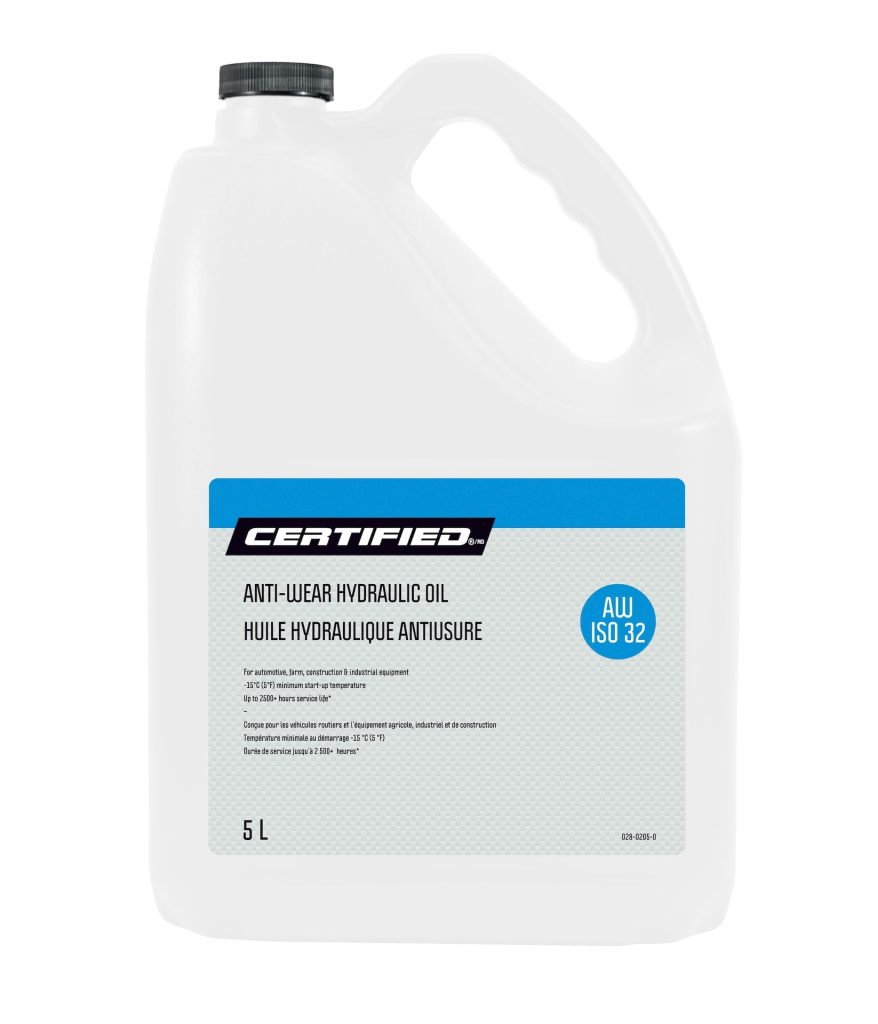
Can hydraulic oil freeze? You might have found yourself pondering this question, especially as the temperatures start to plummet.
Imagine your heavy machinery grinding to a halt during a critical operation, all because the hydraulic oil has turned into a gel-like state. It’s a scenario that could cost you time, money, and a whole lot of frustration. Understanding whether hydraulic oil can freeze—and how to prevent it—could be the key to keeping your operations running smoothly in cold weather.
You don’t want to be caught off guard, so let’s uncover the truth about hydraulic oil and freezing temperatures. Prepare to equip yourself with essential knowledge that ensures your equipment performs flawlessly, no matter how low the mercury drops.
Hydraulic Oil Basics
Hydraulic oil is a vital fluid in many machines. It transfers power and lubricates parts. The oil must work well in different temperatures. Understanding its basics helps to know if it can freeze or not.
Types Of Hydraulic Oil
- Mineral-based oil: Most common and cost-effective.
- Synthetic oil: Designed for extreme temperatures and longer life.
- Water-based oil: Used for fire resistance but less common.
- Biodegradable oil: Environment-friendly and used in sensitive areas.
Common Uses In Machinery
- Excavators and loaders use hydraulic oil for movement.
- Industrial presses rely on hydraulic oil for force.
- Agricultural equipment uses it to operate attachments.
- Aircraft and automotive systems also depend on hydraulic oil.

Credit: www.canadiantire.ca
Freezing Point Of Hydraulic Oil
Understanding the freezing point of hydraulic oil is crucial for maintaining the efficiency of your machinery, especially in cold environments. Hydraulic oil that freezes or becomes too thick can cause sluggish performance or even damage the system. Knowing what affects the freezing point helps you choose the right oil and avoid unexpected downtime.
Factors Affecting Freezing Point
The freezing point of hydraulic oil is not fixed; several factors can cause it to vary significantly. The type of base oil plays a major role—mineral oils generally freeze at higher temperatures than synthetic oils. Additives also impact freezing behavior by either lowering the freezing point or preventing crystallization.
Another important factor is oil purity. Contaminants like water or debris can cause early solidification or sludge formation. Have you ever noticed how your hydraulic system struggles more in winter? That could be due to impurities lowering the freezing threshold.
Temperature Ranges For Different Oils
Different hydraulic oils have distinct temperature ranges where they remain fluid and effective. Here’s a quick overview:
| Oil Type | Approximate Freezing Point | Operating Temperature Range |
|---|---|---|
| Mineral Oil | -10°C to -20°C (14°F to -4°F) | -20°C to 80°C (-4°F to 176°F) |
| Synthetic Oil (PAO, Ester) | -40°C to -60°C (-40°F to -76°F) | -50°C to 120°C (-58°F to 248°F) |
| Water-Glycol Based | Depends on mix, can be as low as -50°C (-58°F) | -40°C to 80°C (-40°F to 176°F) |
Choosing an oil with a freezing point below your local winter temperature is key. Have you checked the specs of your hydraulic oil against the coldest conditions you face? This simple step can save you a lot of trouble.
Effects Of Freezing On Hydraulic Systems
Freezing can cause serious problems in hydraulic systems. Hydraulic oil thickens and loses its normal flow properties at low temperatures. This change affects how the entire system works and may lead to costly damages. Understanding these effects helps prevent failures and maintain system reliability during cold conditions.
Impact On Fluid Flow
Hydraulic oil becomes more viscous as temperature drops. Thickened oil flows slower through pipes and valves. This delay reduces system response time and efficiency. Pumps work harder to move thick oil, increasing energy use. Slow fluid flow can cause uneven pressure and poor system performance.
Damage Risks To Components
Frozen or thick oil can cause internal parts to wear faster. Moving parts may seize if oil does not lubricate well. Ice crystals in the oil can scratch and damage surfaces. Pressure spikes from blocked flow may crack seals or pipes. Over time, these damages reduce the hydraulic system’s lifespan.

Credit: www.ebay.ca
Preventing Hydraulic Oil From Freezing
Hydraulic oil freezing causes serious problems in cold environments. It can block fluid flow and damage system parts. Preventing freezing is crucial to keep machines running smoothly. Use the right oil, smart system design, and heating to avoid issues.
Selecting Low-temperature Oils
Choose hydraulic oils made for cold weather. These oils have low pour points and stay fluid at low temperatures. Synthetic oils often perform better in the cold than mineral oils. Check the oil’s specifications for temperature ranges. Using proper oil reduces the risk of thickening and freezing.
System Design Considerations
Design systems to minimize cold spots where oil can freeze. Insulate pipes and tanks to keep heat inside. Position components to allow natural heat flow. Avoid long, exposed lines in freezing areas. Use materials that resist cold-induced damage. Proper design helps maintain oil flow and system health.
Heating Solutions
Heating devices prevent oil from freezing in extreme cold. Install electric heaters or heat tracing cables on tanks and pipes. Use thermostats to control temperature automatically. Circulating warm oil keeps the system ready to operate. Heating ensures fluid stays at an optimal temperature for performance.
Testing And Monitoring Oil Temperature
Monitoring hydraulic oil temperature is essential to maintain system performance. Oil temperature affects its flow and pressure. Keeping track of temperature helps prevent damage from freezing or overheating. Proper testing ensures smooth equipment operation in cold conditions. Regular checks allow early detection of potential problems.
Tools For Temperature Measurement
Several tools measure hydraulic oil temperature accurately. Infrared thermometers provide quick surface readings without contact. Thermocouples and resistance temperature detectors (RTDs) offer precise internal temperature data. Digital temperature gauges can be installed directly on hydraulic lines. Using these tools helps operators maintain optimal oil temperature.
Signs Of Oil Freezing
Frozen hydraulic oil shows clear signs during operation. The system may respond slowly or not at all. Oil flow can become sluggish, causing pressure drops. Pumps and valves may make unusual noises or stall. Ice crystals or cloudiness in the oil indicate freezing. Early recognition avoids costly repairs and downtime.
Troubleshooting Frozen Hydraulic Oil
Frozen hydraulic oil can stop your machinery from working properly. It can cause delays and damage if not fixed quickly. Troubleshooting frozen hydraulic oil requires care and the right approach to avoid harm.
Thawing Techniques
Thaw frozen hydraulic oil slowly to protect the system. Use a warm environment or gentle heat sources. Avoid direct flames or high heat, as this can damage the oil.
- Place the equipment in a warm room or shed.
- Use heating pads or warm water baths around the oil reservoir.
- Circulate warm air using a fan heater set to low.
- Check oil temperature regularly to prevent overheating.
Never rush the thawing process. Patience prevents damage and ensures the oil returns to normal use.
Steps To Avoid Recurrence
Prevent frozen hydraulic oil by following simple steps. Maintain the right oil type and storage conditions.
- Use hydraulic oil designed for low temperatures.
- Keep equipment in a heated or insulated area during cold months.
- Regularly check oil levels and quality.
- Install heaters or insulation around hydraulic tanks.
- Drain or replace oil if it shows signs of contamination or thickening.
These steps help maintain smooth hydraulic system operation in cold weather.

Credit: www.canadiantire.ca
Frequently Asked Questions
Can Hydraulic Oil Freeze In Cold Temperatures?
Hydraulic oil can freeze if temperatures drop below its pour point. This varies by oil type and additives. Freezing causes thickening and poor flow, affecting system performance and safety.
What Temperature Causes Hydraulic Oil To Freeze?
Hydraulic oil freezes at temperatures near or below its pour point, usually between -20°C and -40°C. Specific freeze points depend on the oil’s formulation and additives.
How To Prevent Hydraulic Oil From Freezing?
Use hydraulic oils with low pour points and anti-freeze additives. Store equipment in heated areas and maintain proper oil temperature during cold weather.
Does Freezing Affect Hydraulic Oil Performance?
Yes, freezing thickens hydraulic oil, reducing flow and pressure. This impairs system efficiency, causing potential damage and operational delays.
Conclusion
Hydraulic oil can freeze in very cold temperatures. This can cause problems with machines and equipment. Choosing the right oil helps avoid freezing issues. Regular checks keep systems running smoothly in winter. Protect your equipment by using cold-resistant hydraulic oil.
Stay aware of weather conditions to prevent damage. Taking simple steps saves time and money later. Keep your hydraulic systems working well all year.