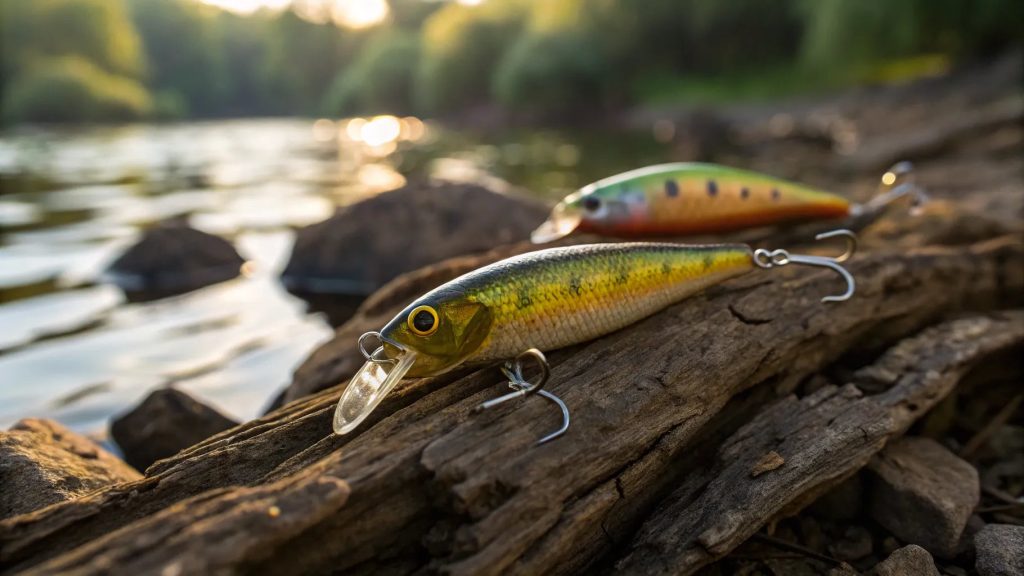
Planning to bring your fishing gear on your next flight? You might be wondering, “Can I bring fishing lures on a plane?”
It’s a common question, especially if you don’t want to leave your favorite lures behind. The rules about what you can carry can be confusing and strict. But don’t worry—you’re about to discover exactly what you need to know. Keep reading to avoid surprises at the airport and make sure your fishing trip starts off right.
Rules For Carrying Fishing Lures
Fishing lures are common gear for anglers who travel by plane. Knowing the rules for carrying them helps avoid problems at security checkpoints.
This guide explains what you should know about carrying fishing lures on flights.
Tsa Regulations
The TSA allows fishing lures in both carry-on and checked bags. Sharp hooks may need extra screening. You should pack lures carefully to prevent injury to security staff.
Keep fishing lures in a tackle box or a clear container. This helps TSA officers inspect them quickly without delays.
- Fishing lures are allowed in carry-on luggage.
- Hooks may trigger extra inspection.
- Use a tackle box for safe packing.
- Be ready to show lures during screening.
International Flight Guidelines
Different countries have various rules about fishing gear. Some may restrict certain types of lures or hooks. Check the destination country’s rules before flying.
Some countries require fishing gear to be declared at customs. Always pack lures in original packaging or a clear container to show they are for personal use.
- Check fishing gear rules for your destination.
- Declare fishing lures if required by customs.
- Use clear containers or original packaging.
- Avoid carrying banned or restricted lures.
Domestic Vs. International Differences
Domestic flights follow TSA rules, which are usually consistent across the U.S. International flights may have extra rules from the airline or country.
When flying internationally, expect more checks on fishing gear. Always check with the airline and destination country to avoid surprises.
- Domestic flights follow TSA regulations.
- International flights may have stricter rules.
- Airlines might have their own policies.
- Check all rules before traveling abroad.
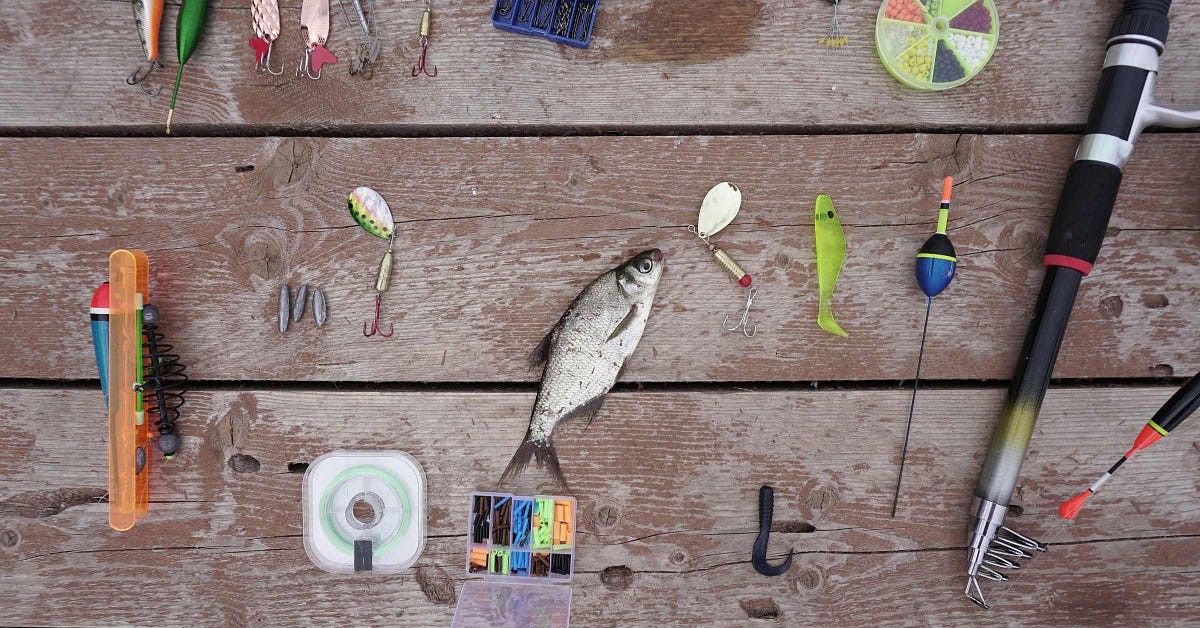
Credit: veronicahanson.medium.com
Types Of Lures Allowed
When flying with fishing gear, you must know which lures are allowed. Different types of fishing lures have different rules.
This guide explains the types of fishing lures you can bring on a plane safely and legally.
Soft Plastic Lures
Soft plastic lures are usually allowed in both carry-on and checked bags. They look like worms, grubs, or small fish.
Make sure they are clean and dry before packing. Avoid any lures with liquid inside, as this can cause issues.
Metal Lures
Metal lures are permitted on planes. They include spoons, spinners, and jigs made from metal.
Pack them carefully to avoid damage or injury. Sharp hooks should be covered or stored in a tackle box.
- Spoons
- Spinners
- Jigs
- Spinnerbaits with metal blades
Live Bait Restrictions
Live bait is usually not allowed on planes, especially in carry-on bags. This rule helps prevent pests and diseases.
If you want to bring live bait, check rules for your destination and airline. Some places have strict rules about bringing live animals.
Packing Fishing Lures Safely
Bringing fishing lures on a plane is allowed if packed properly. Safe packing keeps you and others safe during travel.
Use the right tools and techniques to protect your lures and avoid injuries.
Using Tackle Boxes
Tackle boxes keep fishing lures organized and secure. Choose a sturdy box with compartments to separate each lure.
Make sure the tackle box closes tightly to avoid opening during travel.
Securing Hooks
Hooks can cause injury if left loose. Cover sharp hooks with hook caps or wrap them in tape.
- Use plastic hook covers for sharp points
- Wrap hooks tightly with electrical or masking tape
- Secure hooks inside foam or cloth to prevent movement
Preventing Damage And Injury
Protect lures from bending or breaking by padding the tackle box. Use foam or cloth to cushion them.
Pack lures away from other items to prevent scratching or poking through bags.
- Use foam inserts to hold lures securely
- Wrap delicate lures individually
- Keep lures in a hard case to stop crushing

Credit: www.battlbox.com
Tips For Checking And Carry-on Bags
Traveling with fishing lures can be tricky. Airlines have rules about what you can carry on or check in.
Knowing what to pack in each bag helps avoid delays and lost gear at the airport.
What To Pack In Carry-on
Fishing lures with hooks may be allowed in carry-on bags, but rules vary by airline and airport.
- Remove sharp hooks or cover them with protective caps.
- Place lures in a clear, sealed container for easy security checks.
- Check TSA guidelines before packing to avoid confiscation.
- Keep fishing line and small tools in your carry-on for quick access.
What To Pack In Checked Luggage
Sharp fishing gear usually fits better in checked bags to prevent security issues.
| Item | Recommended Bag | Notes |
| Fishing Lures with Hooks | Checked Luggage | Wrap hooks to avoid damage |
| Fishing Rods | Checked Luggage | Use a rod case for protection |
| Fishing Reel | Carry-On or Checked | Remove line if possible |
| Knives or Multi-tools | Checked Luggage | Must be sheathed and secured |
Labeling And Declaring Fishing Gear
Label your fishing gear clearly to avoid confusion during security checks.
Declare your fishing equipment at the check-in counter if required by the airline.
- Use tags with your name and contact information on your gear.
- Inform airline staff about fishing rods or large tackle boxes.
- Keep receipts or proof of purchase handy for expensive items.
- Follow all local and international regulations for transporting fishing gear.
Dealing With Security Checks
Bringing fishing lures on a plane can raise questions during security checks. It is important to know what to expect and how to handle the process. This helps avoid delays and confusion.
Security officers check items to keep all passengers safe. Knowing the rules about fishing lures can make your travel smoother.
What To Expect At Security
At the security checkpoint, officers scan your bags and may ask about fishing gear. Fishing lures often have hooks that can look sharp or dangerous on scans.
Some lures are allowed in carry-on bags, but some may need to go in checked luggage. Be ready to take out your fishing lures if asked.
- Security scans your bags for sharp objects
- Officers may ask about fishing lures or hooks
- Some lures must be packed in checked bags
- Be prepared to remove fishing gear for inspection
Handling Confiscation
If security finds fishing lures that do not meet rules, they may take them away. Confiscation happens if the lures are seen as unsafe or not allowed.
You can ask where to get your items after the flight. Some airports have procedures to return confiscated goods, but not all do.
- Confiscation occurs for unsafe or disallowed items
- Ask security about item return policies
- Check airport rules before traveling
Communicating With Security Officers
Speak clearly and politely with security officers. Explain what your fishing lures are and why you have them.
Answer questions honestly and follow their instructions. Being cooperative helps speed up the process.
- Stay calm and polite at all times
- Explain your fishing gear simply
- Follow all officer instructions carefully
- Ask questions if you do not understand
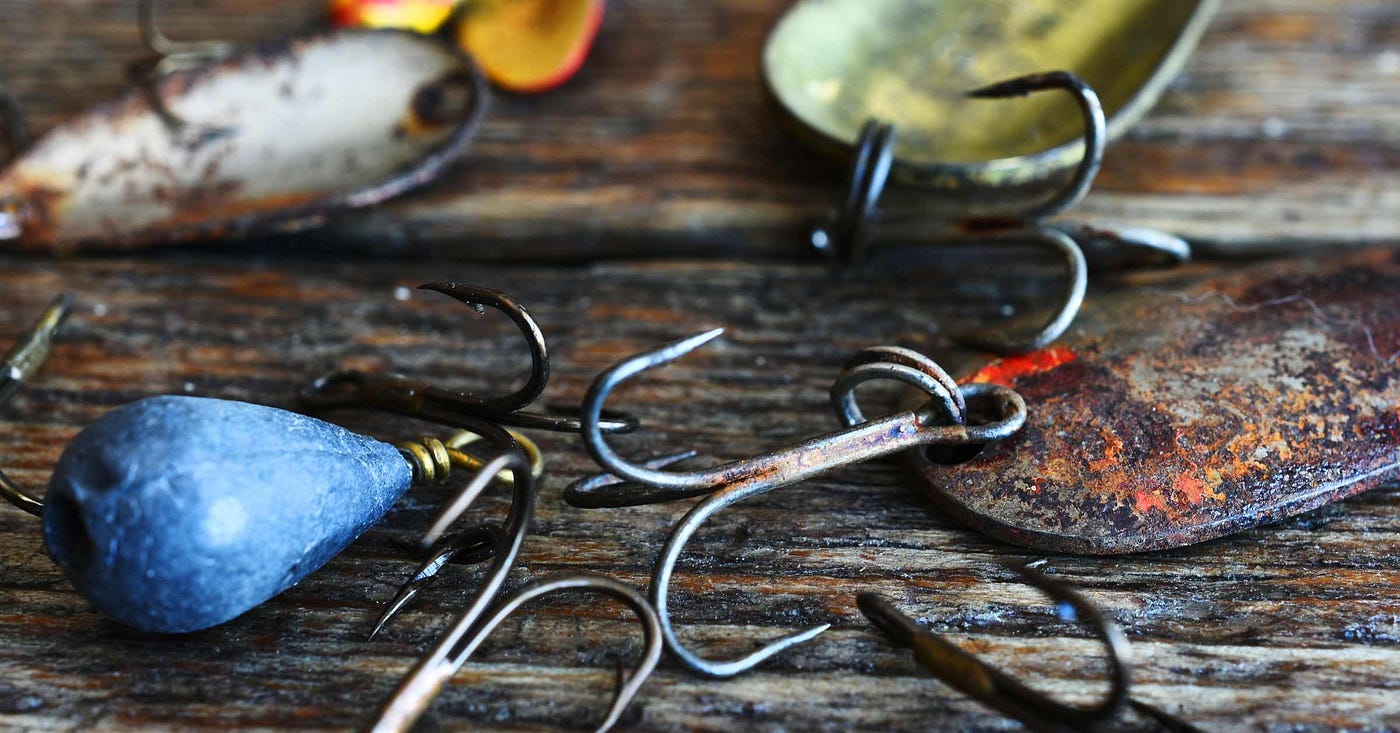
Credit: veronicahanson.medium.com
Additional Travel Tips For Anglers
Traveling with fishing gear needs careful planning. Anglers must consider many details to avoid trouble on their trips.
Here are some important tips for anglers to have a smooth and safe travel experience.
Choosing The Right Travel Insurance
Travel insurance can cover lost or damaged fishing gear. It also helps if you face medical emergencies during your trip.
- Check if your insurance covers sports equipment.
- Look for policies that protect against trip cancellations.
- Choose insurance with good medical coverage for remote areas.
- Read the terms about high-value fishing gear carefully.
- Keep your insurance documents handy while traveling.
Local Fishing Regulations
Each place has rules for fishing. Knowing them protects fish and avoids fines or legal trouble.
| Location | Permit Required | Catch Limits | Season Dates |
|---|---|---|---|
| Lake Tahoe | Yes | 5 fish per day | May 1 – September 30 |
| Florida Keys | Yes | Varies by species | Year-round with restrictions |
| Alaska Rivers | Yes | 3 salmon per day | June 15 – August 31 |
Always check local websites or visitor centers for the latest fishing rules before you fish.
Preparing For Different Climates
Fishing trips can take you to cold mountains or hot coasts. Packing right keeps you safe and comfortable.
- Bring layered clothing for cold or warm weather.
- Use waterproof gear if rain is likely.
- Carry sunscreen and insect repellent for sunny and buggy areas.
- Pack sturdy boots for rough terrain.
- Keep extra dry bags for electronics and important items.
Frequently Asked Questions
Can I Carry Fishing Lures In My Carry-on Bag?
Yes, fishing lures are allowed in carry-on bags. Ensure they are clean and packed safely to avoid injury or damage during security checks.
Are Fishing Lures Allowed In Checked Luggage On Planes?
Fishing lures can be packed in checked luggage. Secure sharp hooks properly to prevent damage or injury during handling and transport.
Do Fishing Lures Need Special Packaging For Air Travel?
No special packaging is required, but use a tackle box or secure container. This prevents lures from causing harm or getting lost during the flight.
Can Fishing Lures With Hooks Be Carried On A Plane?
Hooks are generally allowed but must be securely covered. TSA may flag exposed sharp hooks for safety reasons, so pack them carefully.
Conclusion
Traveling with fishing lures? Yes, you can bring them. Check airline rules first. Some airlines allow them in carry-ons. Others might require checked bags. Keep lures secure and separate from hooks. Use a small tackle box or pouch. This prevents accidents during inspection.
Packing with care ensures a smooth trip. Remember to check local fishing laws at your destination. Happy fishing and safe travels!