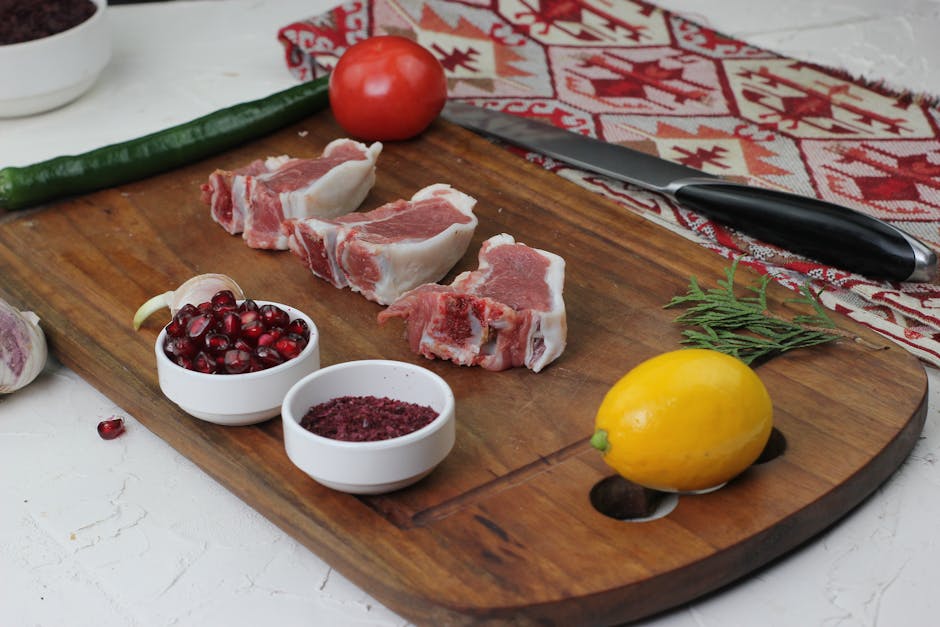
Are you wondering if it’s safe to cut meat on a wood cutting board? You might have heard mixed opinions about this.
Some say wood boards are great for your kitchen, while others warn about bacteria and cleanliness. If you want to keep your food safe and your kitchen tools in top shape, it’s important to know the facts. This article will clear up the confusion and give you simple tips to handle your wooden board with confidence.
Keep reading to find out exactly what you need to know before you slice that steak!
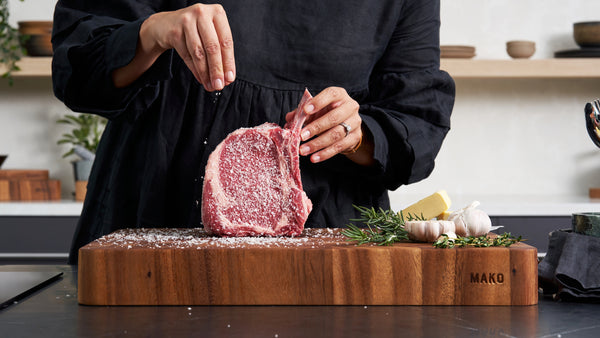
Credit: makokitchenware.com
Wood Cutting Boards And Meat Safety
Many people ask if it is safe to cut meat on a wood cutting board. Wood boards look nice and last a long time. But safety is important when handling raw meat.
Cutting raw meat can cause bacteria to spread on the board. This can lead to food poisoning if not cleaned well. Let’s learn more about wood cutting boards and meat safety.
Porosity Of Wood And Bacteria
Wood is porous, which means it has tiny holes and fibers. These can trap juices and bacteria from raw meat. This makes cleaning harder than on smooth surfaces.
Some types of wood close their pores when wet, which helps reduce bacteria growth. Hardwoods like maple are better because they are dense and less porous. Soft woods soak up more liquid and bacteria.
- Porous wood can hide bacteria in small holes
- Hardwoods have tighter grain and fewer pores
- Wood’s natural oils can help fight bacteria
Comparison With Plastic Boards
Plastic boards are smooth and non-porous, so they do not absorb juices. This makes them easier to clean and sanitize after cutting meat. They can be washed in a dishwasher safely.
Wood boards can get deep cuts where bacteria hide. Plastic boards also get cuts but can be replaced more cheaply. Some studies show wood can be safer if cleaned well because it can kill some bacteria naturally.
- Plastic boards are non-porous and dishwasher safe
- Wood boards absorb juices but can resist bacteria with care
- Plastic boards wear out faster with deep cuts
- Wood boards last longer but need careful cleaning
Risks Of Cutting Meat On Wood
Wood cutting boards are popular in many kitchens. They are strong and easy to use. But cutting meat on wood can cause some problems.
This article talks about the risks of cutting meat on wood boards. It focuses on cross-contamination and bacteria growth.
Cross-contamination Concerns
Cross-contamination happens when harmful germs spread from meat to other foods. Wood boards have tiny cracks and holes. These can trap meat juices and germs.
- Wood is porous and soaks in meat juices.
- Cracks can hide bacteria from cleaning.
- Using the same board for vegetables can spread germs.
- Cleaning wood boards well is harder than plastic boards.
Potential For Bacterial Growth
Wood can hold moisture inside cracks. This creates a good place for bacteria to grow. The bacteria can stay even after washing.
| Risk Factor | Effect on Wood Board |
| Moisture | Trapped in cracks, helps bacteria grow |
| Meat juices | Absorbed into wood, hard to remove |
| Cleaning difficulty | Bacteria can stay inside small holes |
| Temperature | Warmth speeds up bacterial growth |
Choosing The Right Wood Board
Cutting meat on a wooden board can be safe if you choose the right wood type. Not all wood boards work well with meat. Some woods absorb moisture and bacteria easily.
Picking the right wood helps keep your cutting board clean and long-lasting. Learn about the best wood types and which ones to avoid for meat cutting.
Best Wood Types For Cutting Boards
Hardwoods are the best choice for cutting boards used with meat. They resist deep cuts and stop germs from hiding in the wood.
- Maple:A dense and strong wood. It resists scratches and absorbs less liquid.
- Walnut:Dark and hard wood. It is gentle on knives and durable.
- Cherry:Hard and tight-grained wood. It has natural antibacterial properties.
- Beech:Hard and smooth wood. Easy to clean and maintain.
Avoiding Soft Or Porous Woods
Soft or porous woods can trap meat juices and bacteria. These woods are harder to clean and can cause health risks.
| Wood Type | Reason to Avoid |
| Pine | Soft wood, dents easily, traps bacteria |
| Cedar | Porous, absorbs liquids quickly |
| Fir | Soft and less durable |
| Redwood | Porous and weak against cuts |

Credit: www.wikihow.com
Cleaning And Maintenance Tips
Wood cutting boards can last a long time if you clean and care for them well. This guide helps keep your board safe for cutting meat.
Proper cleaning stops bacteria from growing. Regular maintenance keeps the wood strong and smooth.
Proper Washing Techniques
Wash your wood board right after cutting meat. Use warm water and mild soap to clean it well. Avoid soaking the board in water because wood can crack.
- Scrub the surface with a soft brush or sponge.
- Rinse with warm water to remove soap.
- Wipe the board dry with a clean towel.
- Do not put the wood board in a dishwasher.
Disinfecting Wood Boards Safely
Disinfecting kills germs that washing may miss. Use safe household items for this step.
| Disinfectant | How to Use |
|---|---|
| White Vinegar | Spray or wipe the board, let sit 5 minutes, then rinse. |
| Hydrogen Peroxide (3%) | Pour on the board, spread evenly, wait 10 minutes, rinse well. |
| Salt and Lemon | Sprinkle salt, rub with lemon half, wait 5 minutes, rinse. |
Drying And Storage Guidelines
Dry your board properly to stop wood damage and mold growth. Store it in a dry place to keep it fresh.
- Stand the board upright or on its side to air dry.
- Keep it away from direct sunlight or heat sources.
- Do not store the board flat if it is still wet.
- Apply food-safe mineral oil once a month to protect the wood.
Using Separate Boards For Meat
Cutting meat on a wood cutting board is common in many kitchens. It is important to use separate boards for meat and other foods.
This helps keep your food safe and avoids mixing raw meat with other ingredients.
Color-coding Systems
Color-coded cutting boards make it easy to use separate boards for meat. Each color stands for a food type.
For example, red boards are often for raw meat. Green boards are for vegetables. This system helps prevent mistakes.
- Red: raw meat
- Blue: fish and seafood
- Green: fruits and vegetables
- Yellow: cooked meats
- White: bakery or dairy
Preventing Cross-contamination
Using separate boards stops germs from spreading between foods. Cross-contamination can cause food poisoning.
Always clean boards well after use. Use hot water and soap to wash them. Dry boards completely before storing.
Signs To Replace Your Wood Board
Wood cutting boards are great for cutting meat. They are gentle on knives and look nice in the kitchen.
But wood boards can wear out. It is important to know when to replace them for safety and hygiene.
Deep Cuts And Cracks
Deep cuts and cracks can trap bacteria inside the wood. These areas are hard to clean well.
If your board has big cracks or deep cuts, it is time to replace it. These damages make the board unsafe.
- Check for cuts deeper than 1/8 inch
- Look for cracks that split the board
- Avoid using boards with rough or uneven surfaces
Persistent Odors And Stains
Wood can absorb smells from meat and other foods. Some odors stay even after washing.
Stains that don’t come off show the board is worn out. Strong smells and stains can mean bacteria are inside.
- Notice if strong odors remain after cleaning
- Check for dark stains that won’t fade
- Replace boards that keep smelling like meat
Expert Recommendations
Wood cutting boards are popular in kitchens for their durability and style. Many wonder if it is safe to cut meat on them. Experts give advice to keep food safe and avoid damage.
Knowing when to use wood boards and when to choose other options helps keep your kitchen clean and healthy. Follow these expert tips for the best meat preparation.
When To Avoid Wood Boards
Wood boards can absorb juices from raw meat. This can cause bacteria to grow if the board is not cleaned well. Avoid using wood boards for certain situations to keep safe.
- Do not use wood boards for raw poultry or fish.
- Avoid using wood boards if they have deep cuts or cracks.
- Steer clear of wood boards if you cannot clean them properly after use.
- Do not share wood boards between raw meat and ready-to-eat foods without washing.
Alternatives For Meat Preparation
Using the right board for meat helps keep your food safe. Consider these alternatives if you want to avoid wood boards for cutting meat.
| Material | Advantages | Care Tips |
| Plastic | Easy to clean, dishwasher safe | Replace when deeply scored |
| Bamboo | Durable and less porous than wood | Hand wash and dry immediately |
| Composite | Non-porous and heat resistant | Clean with mild detergent |
| Glass | Non-porous and easy to sanitize | May dull knives quickly |
Credit: sonderla.com
Frequently Asked Questions
Is It Safe To Cut Meat On Wood?
Yes, it’s safe to cut meat on wood if properly maintained. Use a designated board for raw meats to prevent cross-contamination. Clean thoroughly with hot, soapy water after use. Regularly oil the board to maintain its condition and prevent bacteria growth.
How Do I Clean A Wood Cutting Board?
Clean a wood cutting board with hot, soapy water immediately after use. Scrub both sides to prevent warping. Avoid soaking, as this can cause the wood to crack. Dry it completely with a towel. For deeper cleaning, use a mixture of vinegar or lemon juice and salt.
Can Wood Boards Harbor Bacteria?
Yes, wood boards can harbor bacteria if not properly cleaned. However, wood has natural antibacterial properties. Regular cleaning and maintenance reduce this risk. Ensure thorough drying after washing. Periodically, sanitize with vinegar or diluted bleach solution to keep it hygienic.
Why Choose Wood Over Plastic For Cutting Meat?
Wood boards are durable and self-healing, preventing deep grooves where bacteria can thrive. They are gentler on knives, maintaining their sharpness longer. Additionally, wood’s natural antibacterial properties offer extra protection. Proper maintenance ensures longevity and hygiene.
Conclusion
Wood cutting boards can be safe for cutting meat if cleaned well. Use hot water and soap after each use. Dry the board fully to stop germs from growing. Avoid deep cuts where bacteria can hide. Consider using separate boards for meat and vegetables.
This keeps food safe and prevents sickness. Wood boards last long and look nice. With proper care, they work fine for meat. Stay careful and enjoy cooking safely at home.