Have you ever wondered if you can drive a car without plates? Maybe you just bought a new vehicle, or you lost your license plates, and now you’re unsure what the rules are.
Driving without plates might seem simple, but it can lead to serious trouble if you’re not careful. You’ll discover what the law says, what risks you face, and what steps you should take to stay safe and legal on the road.
Keep reading to avoid costly mistakes that could affect your driving record and peace of mind.
Legal Requirements For Car Plates
Understanding the legal requirements for car plates is crucial before you hit the road. Driving without proper registration or visible plates can lead to fines, vehicle impoundment, or even legal trouble. Let’s break down what the law expects from you regarding car plates.
Registration And Plate Issuance
Your vehicle must be registered with the appropriate state or local motor vehicle department. Registration confirms that your car is legally recognized and eligible for use on public roads.
Once registered, you receive plates issued by the authority. These plates carry a unique number linked to your vehicle’s registration details.
Keep in mind, some states offer temporary tags while you wait for your permanent plates. Driving without any form of registration or plates is generally illegal.
Display Rules And Standards
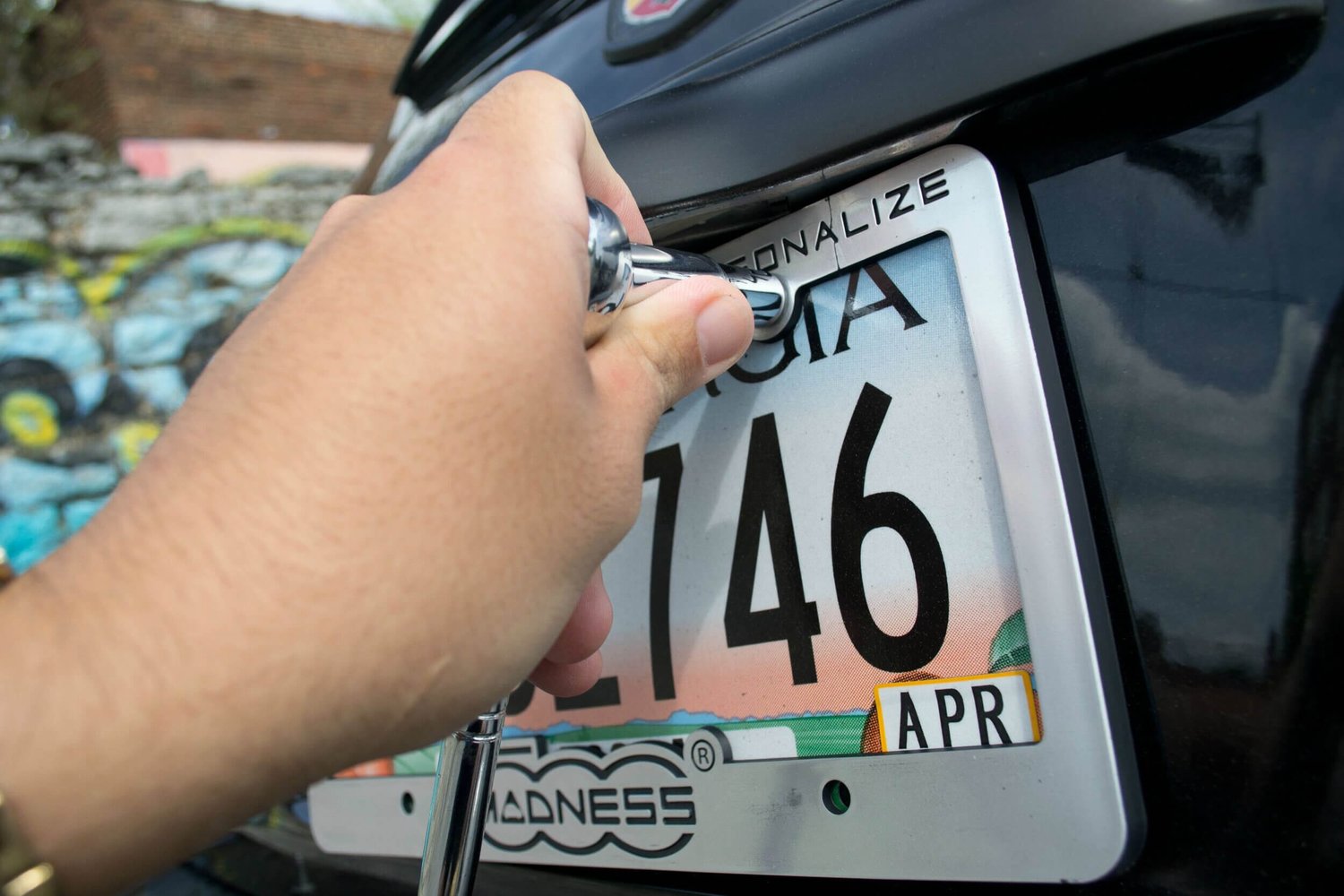
Plates must be clearly visible and securely attached to the front and rear of your vehicle, depending on state laws. Hiding or obscuring plates can result in penalties.
Each state has specific size, color, and font standards for plates to ensure they are easy to read. Plates damaged or altered to hide information can be considered invalid.
Have you ever noticed a car with a plate covered in dirt or a plastic shield? Authorities often consider these attempts to conceal the plate illegal. You should always keep your plates clean and unobstructed.
Credit: www.dirtlegal.com
Consequences Of Driving Without Plates
Driving a car without plates can lead to serious problems. Law enforcement treats this as a violation. The consequences affect your wallet, your vehicle, and your insurance. Understanding these outcomes can help you avoid costly trouble.
Fines And Penalties
Authorities often impose fines for driving without license plates. These fines vary by state but can be expensive. In some cases, penalties include points on your driving record. Repeat offenses may lead to higher fines or court appearances.
Vehicle Impoundment
Police may tow and impound your vehicle on the spot. Retrieving your car requires paying towing and storage fees. This process can take days or weeks. It also causes inconvenience and additional expenses.
Impact On Insurance Claims
Insurance companies may deny claims if you drive without plates. Your policy could be voided for breaking vehicle laws. This leaves you responsible for repair costs after an accident. Driving without plates risks losing insurance protection.
Situations Allowing Temporary Plate Use
Driving a car without permanent plates might seem risky, but certain situations allow you to use temporary plates legally. These temporary solutions help you keep moving while you wait for your official registration. Understanding when and how to use these plates can save you from fines and hassle.
Dealer And Transit Plates
Dealer plates are issued to car dealers for moving vehicles that haven’t been sold or registered yet. If you’re buying a car directly from a dealer, these plates let you drive the vehicle home legally without permanent registration. Transit plates, on the other hand, are designed for short-term use when you’re moving a vehicle from one state to another or to a repair shop.
These plates usually come with clear restrictions, such as limited driving radius or time limits. For example, if you recently purchased a car and the dealer provides you with a transit plate, you can legally drive the car for a few days while you complete registration. Have you ever wondered if your new car’s transit plate covers a weekend trip?
Temporary Permits And Tags
Temporary permits or tags are issued by your state’s motor vehicle department when you register a vehicle but haven’t received your permanent plates yet. These permits typically last from 30 to 90 days, giving you enough time to get your permanent registration processed. You can often receive these permits right at the dealership or online.
Using a temporary tag means you must keep the permit visible on your car, usually in the rear window or where your license plate would go. Ignoring this can lead to fines or even towing. Have you checked how long your state’s temporary permit is valid before you drive without permanent plates?
State-by-state Variations
Driving a car without plates is a question that often leads to confusion because rules vary widely depending on where you live. Each state has its own set of laws that define when and how you can legally drive a vehicle without license plates. Understanding these state-by-state differences can save you from unexpected fines or legal trouble.
Strict States
Some states have zero tolerance for driving without plates. In places like California and New York, you must display valid plates at all times, or you risk hefty fines and even impoundment. Law enforcement in these states actively checks for plates, so driving without them is a risky move.
If you’ve ever been pulled over in these states without plates, you know the stress it causes. The rules are clear: no plates, no driving. This strict approach aims to prevent stolen or unregistered vehicles from hitting the road.
Lenient States
On the other hand, states like Texas and Florida offer some flexibility. They allow temporary permits or paper tags that let you drive legally while waiting for permanent plates. This leniency is especially helpful if you just bought a car and are in the process of registration.
In these states, you can often drive without traditional metal plates for a limited time. However, you must carry proof of registration or the temporary permit with you. This small step can save you from unnecessary tickets.
Special Cases
Some states have unique rules for certain situations. For example, in Arizona, you can drive a newly purchased vehicle without plates for up to 15 days if you have a receipt and temporary permit. Meanwhile, in Maine, antique or collector vehicles have different plate requirements altogether.
Have you ever wondered how states handle dealer vehicles or cars in transit? Many states allow dealer plates or special transit permits so dealers and buyers can legally move vehicles without standard plates. Checking your state’s specific exceptions can give you peace of mind.
How To Handle Lost Or Stolen Plates
Losing your license plates or having them stolen can be a stressful experience. It’s important to act quickly and follow the correct procedures to avoid legal trouble and get back on the road safely. Knowing what steps to take can save you time and prevent fines.
Reporting Procedures
First, you need to report the loss or theft to your local police department. This creates an official record, which can protect you if someone uses your plates illegally. Keep a copy of the police report as you will need it for replacement requests.
Next, notify your state’s Department of Motor Vehicles (DMV) or equivalent agency. They track plate statuses and will guide you through the next steps. Some states allow you to file reports online, making the process faster and more convenient.
Obtaining Replacement Plates
After reporting, apply for replacement plates through your DMV. You will usually need to submit the police report, proof of vehicle ownership, and a valid ID. Fees vary by state, so check your local DMV website for exact costs.
Many DMVs offer options to receive plates by mail or pick them up in person. If you need to drive before receiving your new plates, ask about temporary permits. These permits keep you legal on the road while waiting for replacements.
Have you checked how your state handles lost plates? Acting fast and knowing the right steps can make a big difference in handling this unexpected situation.

Credit: isure.ca
Tips To Avoid Legal Issues
Driving without plates can lead to serious legal trouble. Follow practical tips to avoid fines and penalties. Staying informed and careful helps keep your driving experience smooth and lawful. Pay attention to simple yet important steps to protect yourself on the road.
Proper Plate Installation
Install your license plates securely and clearly. Plates should be visible from a reasonable distance. Use the correct screws and brackets to prevent plates from falling off. Avoid covering any part of the plate with dirt, frames, or stickers. Clear visibility helps law enforcement identify your vehicle easily.
Timely Registration Renewal
Keep track of your registration expiration date. Renew your registration before it expires to avoid fines. Many states offer online renewal options for convenience. Carry proof of registration in your vehicle at all times. Timely renewal ensures your plates remain valid and legal.

Credit: www.youtube.com
Frequently Asked Questions
Can I Legally Drive Without Plates?
Driving without plates is generally illegal in most states. Temporary permits may be available when waiting for permanent plates. Always check your local laws to ensure compliance. Driving without plates can lead to fines or other legal consequences. It’s important to understand your state’s specific regulations.
What Happens If I Drive Without Plates?
Driving without plates can result in fines, penalties, or vehicle impoundment. Law enforcement may stop you for a traffic violation. In some cases, you might face increased insurance rates. It’s essential to have proper documentation and temporary permits if necessary.
Always comply with your local vehicle registration laws.
How Can I Get Temporary Plates?
Temporary plates are usually available through your local Department of Motor Vehicles (DMV). You may need to provide proof of insurance and vehicle purchase. Fees may apply for temporary permits. Temporary plates allow you to drive legally while waiting for permanent registration.
Check your local DMV for specific requirements and procedures.
Are There Exceptions To Driving Without Plates?
Exceptions to driving without plates vary by state. Some allow newly purchased vehicles to be driven without plates for a short period. A temporary permit or dealer-issued tag might be necessary. Always verify the specific regulations in your state. Understanding these exceptions can prevent legal issues and fines.
Conclusion
Driving without license plates is risky and often illegal. Laws vary by state, so check local rules first. Some places allow temporary permits, but you must carry proof. Police may stop you and issue fines if plates are missing. Always get proper registration before driving.
Stay safe and avoid trouble on the road. Remember, plates identify your car and protect you. Don’t take chances with this important rule.