Ever wondered what to do with that leftover prime rib roast? You’re not alone.
Many find themselves asking, “Can I freeze a prime rib roast? ” Whether you’ve overestimated your holiday dinner or snagged a great deal at the butcher, knowing how to properly freeze this delicious cut of meat can save you time and money.
Imagine savoring the same melt-in-your-mouth tenderness and flavor, even after weeks in your freezer. Intrigued? Stick around as we uncover the secrets to keeping your prime rib roast just as delightful as the day it was cooked. You don’t want to miss these expert tips that can transform your kitchen game.
Freezing Prime Rib Basics
Freezing a prime rib roast can save you time and preserve the rich flavors of this special cut. But freezing it correctly makes all the difference between a juicy, tender roast and a dry, flavorless one. Knowing the basics of freezing prime rib helps you keep its quality intact until you’re ready to enjoy it.
Selecting The Right Cut
Choose a prime rib roast with good marbling. The fat throughout the meat helps keep it moist during freezing and cooking.
Opt for a cut that’s evenly shaped. This ensures it freezes uniformly and thaws without any uneven texture.
If you’re buying in advance, ask your butcher for a roast that hasn’t been previously frozen. Freshness matters when you plan to freeze meat yourself.
Packaging Techniques
Proper packaging is key to preventing freezer burn and preserving flavor.
- Wrap the roast tightly in plastic wrap to eliminate air pockets.
- Cover the wrapped roast with aluminum foil or place it in a heavy-duty freezer bag for an extra barrier.
- Label the package with the date so you can track how long it’s been frozen.
Have you ever noticed freezer burn ruining a good roast? Avoid that by sealing out all the air.
Ideal Freezing Temperatures
Set your freezer to 0°F (-18°C) or lower for optimal storage.
At this temperature, prime rib can stay safe and tasty for up to 12 months.
Anything warmer risks shortening the shelf life and causing texture changes.
Do you know if your freezer stays consistently cold? A quick thermometer check can save your roast.
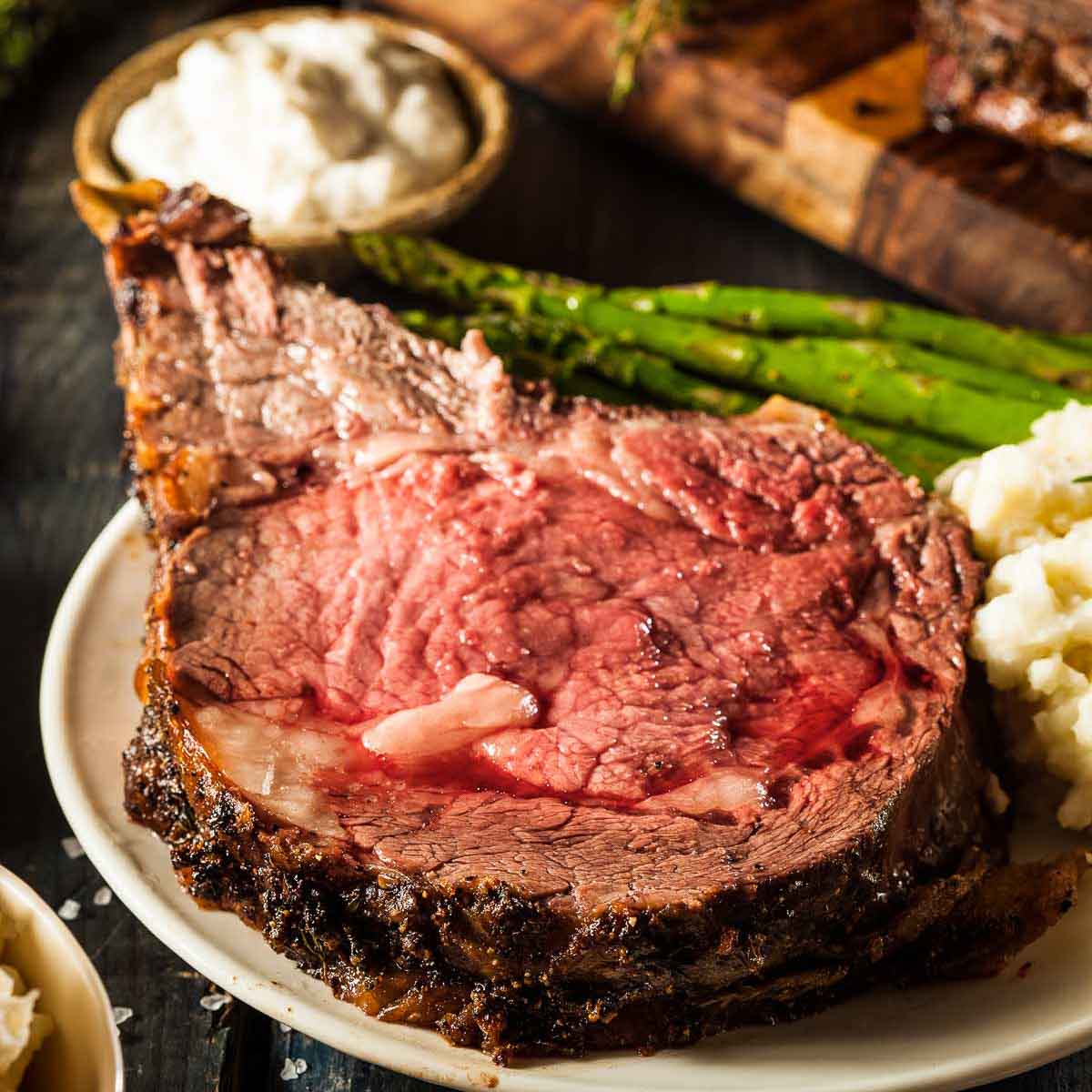
Credit: www.thewickednoodle.com
Preparing Prime Rib For Freezing
Preparing a prime rib roast for freezing is key to keeping its flavor and texture intact. Proper steps help avoid freezer burn and maintain freshness. Handling the roast carefully before freezing ensures a better taste after thawing.
Trimming And Seasoning
Trim excess fat from the roast to prevent a greasy taste. Leave a thin fat layer for flavor and moisture. Season the roast lightly before freezing, using salt, pepper, and herbs. Avoid heavy marinades that may not freeze well.
Portioning Options
Cut the roast into smaller portions for easier thawing and cooking. Decide portion size based on your typical meal needs. Wrap each portion tightly to reduce air exposure and freezer burn risk. Label each package with the date and portion size.
Using Vacuum Sealers
Vacuum sealing removes air and protects the meat from freezer burn. It extends the roast’s shelf life and keeps flavors fresh. Use vacuum seal bags designed for freezing meat. Seal each portion securely and check for leaks before freezing.
Storage Duration And Safety
Storing a prime rib roast correctly keeps its flavor and texture. Knowing how long to freeze it and how to handle it safely matters. Proper storage prevents spoilage and waste. Follow simple steps to protect your roast during freezing.
How Long To Freeze
Prime rib roast can be frozen for up to 6 months. Beyond this time, quality may decline. For best taste, use it within 3 to 4 months. Keep the freezer at 0°F (-18°C) or lower. This temperature keeps the meat safe and fresh.
Avoiding Freezer Burn
Freezer burn happens when air touches the meat’s surface. It dries the meat and causes discoloration. To avoid this, wrap the roast tightly with plastic wrap or foil. Then place it in a heavy-duty freezer bag. Remove as much air as possible before sealing. Label the package with the freezing date.
Food Safety Guidelines
- Freeze the roast within 2 days of purchase.
- Thaw in the refrigerator for 24-48 hours before cooking.
- Do not refreeze meat after thawing.
- Cook to an internal temperature of 130-135°F (medium-rare).
- Keep cooked leftovers refrigerated and use within 3-4 days.
Thawing Prime Rib Properly
Thawing prime rib properly is key to preserving its juicy texture and rich flavor. Rushing the process or using the wrong method can lead to uneven cooking or spoilage. Let’s explore safe and effective ways to thaw your prime rib so it’s ready to impress at your next meal.
Refrigerator Thawing
Thawing your prime rib in the refrigerator is the safest and most reliable method. Place the roast on a plate or tray to catch any drips and allow it to thaw slowly over 24 to 48 hours, depending on its size.
This slow thaw keeps the meat at a consistent, safe temperature, preventing bacteria growth. It might take time, but the even thawing results in a perfectly cooked roast with no cold spots.
Cold Water Method
If you need to thaw your prime rib faster, the cold water method works well. Seal the roast in a leak-proof plastic bag and submerge it in cold tap water.
Change the water every 30 minutes to keep it cold and speed up thawing. This method takes a few hours but still keeps the meat safe and moist.
Avoiding Microwave Thawing
Microwaving to thaw a prime rib might seem convenient, but it often leads to uneven thawing and partially cooked edges. This can spoil the texture and make cooking tricky.
Have you ever ended up with a roast that’s frozen in the middle but overcooked on the outside? Skipping the microwave avoids this problem and keeps your prime rib tender and juicy.
Cooking Frozen Or Thawed Prime Rib
Deciding whether to cook your prime rib roast from frozen or thawed can change your cooking approach significantly. Each method has its benefits and challenges, especially when it comes to timing, moisture retention, and temperature control. Understanding these differences will help you achieve the best results, no matter the starting state of your roast.
Adjusting Cooking Times
Cooking a frozen prime rib roast takes longer than cooking one that’s fully thawed. Expect to add about 50% more time to your usual cooking schedule. For example, if your thawed roast takes 2 hours, a frozen one might need around 3 hours.
Keep in mind that the oven temperature remains the same regardless of frozen or thawed. The key is patience; rushing the process can lead to uneven cooking, especially in the center of the roast.
Maintaining Juiciness
One common worry is that freezing might dry out your prime rib. However, if you cook it properly, the juiciness can be preserved. Start by seasoning the roast well before freezing, and avoid overcooking it once thawed or cooked from frozen.
Using a roasting pan with a rack helps air circulate evenly, which keeps the meat tender. Rest your roast for at least 20 minutes after cooking—this allows the juices to redistribute, making every bite flavorful.
Using A Meat Thermometer
A reliable meat thermometer is your best tool for perfect prime rib, especially when cooking from frozen. Insert it into the thickest part of the roast to monitor internal temperature accurately. This helps you avoid guessing and prevents overcooking or undercooking.
Look for a target temperature of about 130°F (54°C) for medium-rare. Remember, the roast will continue to cook slightly while resting, so pull it out a few degrees before it hits your desired doneness.

Credit: alittlespoon.com
Tips For Retaining Flavor And Texture
Freezing a prime rib roast can preserve its quality, but retaining its original flavor and texture requires some careful steps. How you treat the roast after thawing plays a big role in how juicy and tender it stays. Small actions like marinating, resting, and reheating correctly can make a noticeable difference.
Marinating After Thawing
Adding a marinade after thawing can boost the roast’s flavor and help keep it moist. Use a simple mix of olive oil, garlic, herbs, and a bit of acid like lemon juice or vinegar. Let the roast sit in the marinade for at least an hour in the fridge to absorb the flavors without breaking down the meat too much.
Have you ever noticed how some leftover roasts taste dry? Marinating can be a game-changer for texture and taste, especially after freezing.
Resting Before Carving
Resting your prime rib after cooking allows the juices to redistribute inside the meat. Let it sit covered loosely with foil for about 20 minutes. This step prevents the juices from spilling out when you carve, keeping every bite flavorful and tender.
Imagine slicing into a roast that’s just come out of the oven versus one that’s rested—you’ll see how much juicier the rested one looks and tastes.
Reheating Leftovers
Reheating prime rib leftovers requires gentle heat to avoid drying out the meat. Use an oven set to low temperature (around 250°F or 120°C) and wrap the roast in foil to keep moisture in. Adding a splash of beef broth or water inside the foil can also help maintain juiciness.
Quick reheating in the microwave might be tempting, but it often toughens the meat. Taking the extra time to reheat slowly makes your leftovers more enjoyable.
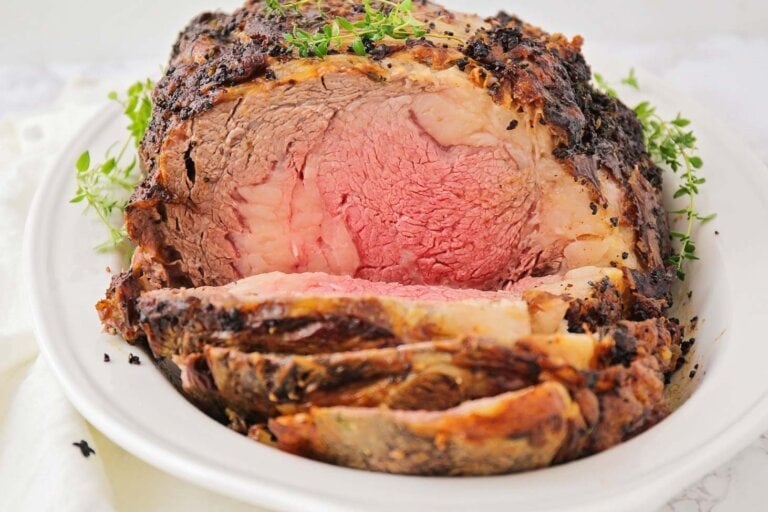
Credit: lilluna.com
Frequently Asked Questions
Can I Freeze A Prime Rib Roast Safely?
Yes, you can freeze a prime rib roast safely. Wrap it tightly in freezer paper or heavy-duty foil. Store it at 0°F (-18°C) or lower. Proper wrapping prevents freezer burn and maintains quality for up to 6 months.
How Long Can Prime Rib Roast Stay Frozen?
Prime rib roast can stay frozen for up to 6 months. Beyond this, the quality may decline, but it remains safe to eat. Always label your package with the date to track storage time effectively.
Should I Thaw Prime Rib Roast Before Cooking?
Yes, always thaw prime rib roast before cooking. Thaw it slowly in the refrigerator for 24-48 hours. This ensures even cooking and preserves the meat’s texture and flavor.
Can I Refreeze A Thawed Prime Rib Roast?
Refreezing thawed prime rib is not recommended. It can reduce meat quality and increase food safety risks. Cook thawed meat completely before freezing leftovers to maintain safety and flavor.
Conclusion
Freezing a prime rib roast keeps it fresh for months. Wrap it tightly to avoid freezer burn. Thaw slowly in the fridge for best results. Cook it soon after thawing for great taste. Proper freezing saves time and reduces food waste.
Enjoy your prime rib with confidence anytime. Simple steps lead to delicious meals every time.