Are you wondering if you can freeze a rib roast without losing its flavor or texture? You’re not alone.
Whether you’ve bought more than you need or want to save it for a special occasion, freezing can be a great option. But how do you do it right? Freezing meat might seem simple, but a few mistakes can turn your delicious rib roast into something tough or bland.
Keep reading to learn the best way to freeze your rib roast and enjoy it just as tasty when you’re ready to cook.
Freezing Rib Roast Basics
Freezing a rib roast helps keep it fresh for a longer time. Proper freezing stops bacteria growth and preserves flavor. Understanding the basics makes freezing easier and safer. Follow simple guidelines to keep your rib roast tasty after freezing.
Types Of Rib Roast Suitable For Freezing
Most rib roast cuts freeze well. Bone-in rib roasts keep more moisture and flavor. Boneless rib roasts freeze easily and save space. Ribeye roasts also freeze well but need tight wrapping. Avoid freezing cooked rib roast more than once.
- Bone-in rib roast
- Boneless rib roast
- Ribeye roast
Ideal Freezing Temperatures
Freezing rib roast at the right temperature is key. The freezer should be at or below 0°F (-18°C). This temperature stops bacteria and keeps meat quality. Use a freezer thermometer to check temperature accuracy. Avoid temperature changes to prevent freezer burn.
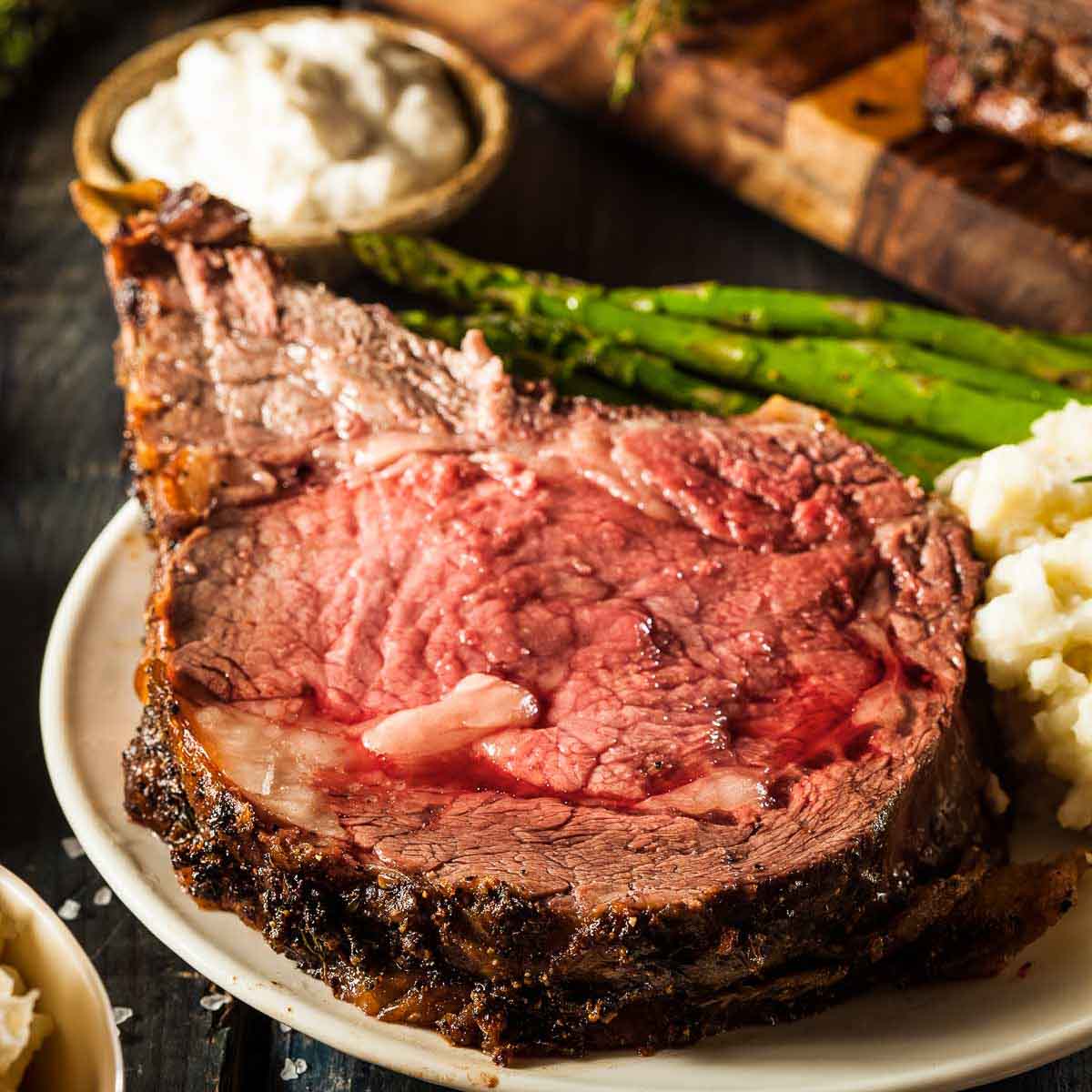
Credit: www.thewickednoodle.com
Preparing Rib Roast For Freezing
Preparing a rib roast for freezing ensures it stays fresh and flavorful. Proper preparation helps maintain the meat’s texture and taste over time. Taking a few simple steps before freezing makes cooking easier later.
Trimming And Seasoning Tips
Trim excess fat from the rib roast before freezing. Leaving some fat can protect the meat but too much may cause spoilage. Remove any silver skin or tough membranes for better texture.
Season lightly before freezing to avoid overpowering flavors. Use salt, pepper, or your favorite dry rub. Avoid wet marinades as they can change the texture after freezing.
Packaging Methods To Prevent Freezer Burn
Wrap the rib roast tightly to stop freezer burn. Use plastic wrap first, pressing out air to seal the surface. Then, cover with aluminum foil or place in a heavy-duty freezer bag.
- Vacuum sealing is the best option for long storage.
- Double wrapping protects against moisture loss and odors.
- Label the package with date and contents.
Store the roast flat in the freezer to keep its shape. Freeze quickly to lock in juices and freshness.
Freezer Storage Duration
Freezing a rib roast preserves its flavor and texture for future meals. Proper storage in the freezer helps keep the meat safe and tasty. Knowing how long a rib roast stays good in the freezer is key for best results.
Recommended Storage Times
For optimal taste and quality, store rib roast in the freezer for no longer than 6 to 12 months. Wrap the roast tightly in freezer paper or plastic wrap to prevent freezer burn. Use airtight containers or vacuum-sealed bags to keep out air and moisture.
Shorter storage times ensure the best texture and flavor. Frozen rib roast remains safe beyond 12 months but may lose some quality. Label the package with the freezing date to keep track easily.
Signs Of Spoiled Frozen Rib Roast
Look for these signs to spot spoilage in frozen rib roast:
- Discoloration such as gray or brown spots
- Frost or ice crystals inside the packaging
- Off or sour smell after thawing
- Unusual texture, like sliminess or dryness
If any of these signs appear, discard the meat to avoid health risks. Always thaw rib roast in the refrigerator to reduce the chance of spoilage.
Thawing Techniques
Thawing a rib roast correctly is key to preserving its flavor and texture. The right thawing technique ensures even cooking and food safety. Choose a method that fits your schedule and kitchen setup. Understanding safe and quick thawing helps you enjoy a perfect roast every time.
Safe Thawing Methods
Thawing in the refrigerator is the safest way to defrost a rib roast. Keep the roast in its original packaging or place it in a leak-proof dish. Allow 24 hours of thawing time for every 4 to 5 pounds of meat. This slow thawing keeps the roast at a safe temperature below 40°F. Avoid thawing at room temperature to prevent bacteria growth.
Quick Thawing Options
Use cold water to thaw the rib roast faster. Keep the roast sealed in a plastic bag to prevent water contact. Submerge the bag in cold water and change the water every 30 minutes. This method takes a few hours depending on the roast size. Never use warm water, as it can promote bacteria growth. Another option is the microwave, but it may start cooking the edges. Use the microwave only for small portions and cook immediately after thawing.
Cooking Frozen Rib Roast
Cooking a rib roast directly from frozen is possible and can save time. It requires careful attention to heat and timing. The roast cooks slower, so patience is key. You can achieve a juicy, tender roast even without thawing it first.
Adjusting Cooking Times
Frozen rib roast needs more time to cook than thawed meat. Plan for at least 50% longer cooking time. Use a meat thermometer to check internal temperature. Target 125°F for rare, 135°F for medium-rare, and 145°F for medium. Avoid guessing; rely on temperature for perfect doneness.
Tips For Retaining Juiciness
- Start roasting at a high temperature, about 450°F, for 20 minutes.
- Lower the oven heat to 325°F and continue cooking gently.
- Cover the roast loosely with foil if it browns too fast.
- Let the roast rest for 15-20 minutes after cooking.
- Resting allows juices to redistribute and keeps meat moist.

Credit: livelytable.com
Common Freezing Mistakes
Freezing a rib roast seems simple, but many make common mistakes. These errors can ruin the meat’s taste and texture. Avoiding these pitfalls helps keep your roast fresh and delicious. Understanding these mistakes improves your freezing technique.
Avoiding Freezer Burn
Freezer burn happens when air touches the meat’s surface. It causes dry spots and off flavors. Wrap the rib roast tightly in plastic wrap or foil. Use a vacuum sealer if possible to remove all air. Label the package with the freezing date. Store the roast in the coldest part of the freezer.
Preventing Texture Changes
Freezing too slowly can create large ice crystals. These crystals damage the meat’s fibers. Freeze the rib roast quickly to keep its texture intact. Thaw it slowly in the fridge, never at room temperature. Avoid refreezing thawed meat to stop texture loss. Proper freezing keeps the roast juicy and tender after cooking.
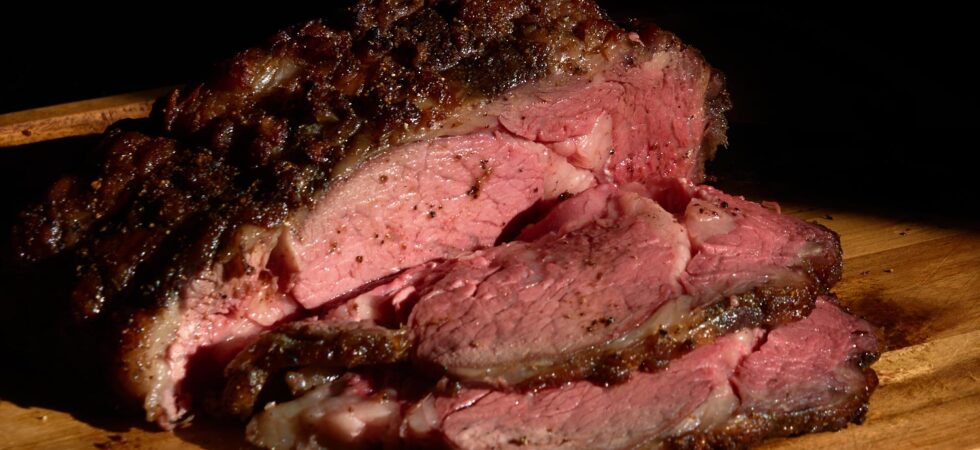
Credit: alittlespoon.com
Frequently Asked Questions
Can I Freeze A Raw Rib Roast?
Yes, you can freeze a raw rib roast. Wrap it tightly in plastic wrap and aluminum foil. Freeze for up to 12 months for best quality. Always thaw it in the refrigerator before cooking to maintain safety and flavor.
How Long Can A Rib Roast Stay Frozen?
A rib roast can stay frozen for up to 12 months. After that, the quality may decline, but it remains safe if kept frozen continuously. Proper packaging helps prevent freezer burn and preserves taste.
Does Freezing Affect Rib Roast Taste And Texture?
Freezing can slightly affect the rib roast’s texture, making it less tender. However, proper wrapping minimizes moisture loss and freezer burn. Cooking the roast slowly after thawing restores much of its original flavor and juiciness.
Should I Freeze Cooked Or Raw Rib Roast?
Freezing raw rib roast is preferable to maintain flavor and texture. Cooked rib roast can be frozen but may lose some moisture and tenderness. Use airtight containers or heavy-duty freezer bags for both.
Conclusion
Freezing a rib roast is possible and practical. It helps extend shelf life. Wrap it tightly to prevent freezer burn. Label it with the date to track freshness. Thaw it safely in the fridge before cooking. Enjoy a juicy and flavorful roast anytime.
Proper storage ensures quality and taste. Freezing makes meal planning easier and less stressful. Always handle with care for best results. Your delicious roast awaits, whenever you’re ready.