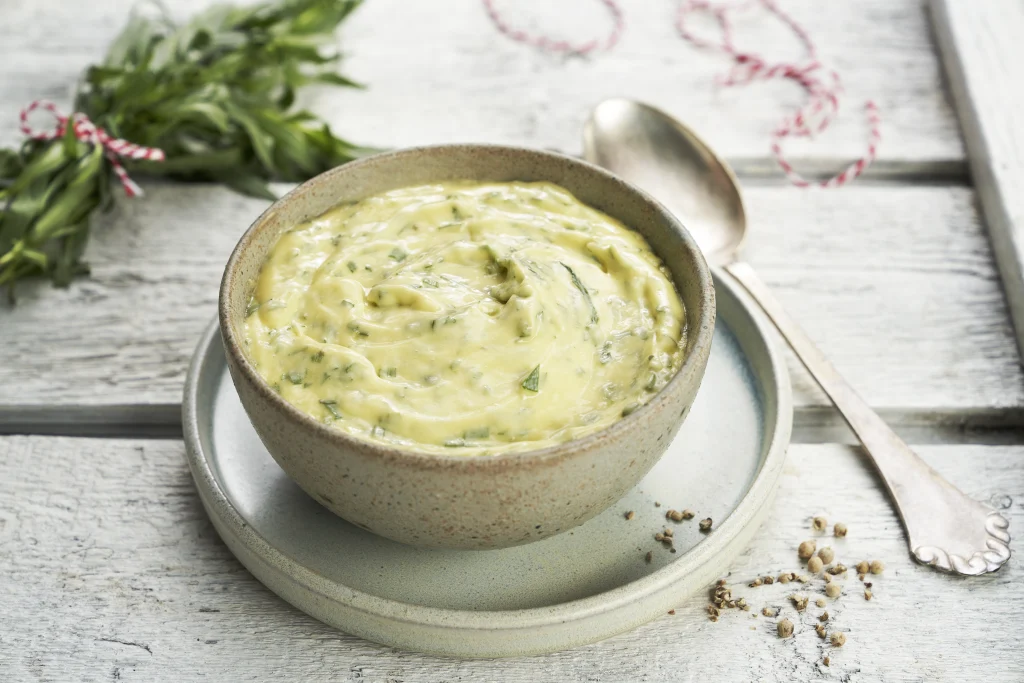
Do you have leftover Béarnaise sauce and wonder if you can freeze it for later use? You’re not alone.
This creamy, buttery, and herb-infused sauce is a favorite in many kitchens, but its delicate texture and flavor can make storage a bit tricky. Imagine being able to enjoy the rich taste of your homemade Béarnaise whenever you want, without starting from scratch each time.
We’ll explore whether freezing this culinary delight is possible and, if so, how to do it without compromising its deliciousness. Stick around to discover the best methods for preserving your Béarnaise sauce, ensuring every meal feels like a gourmet experience.
Freezing Bearnaise Sauce
Freezing Bearnaise sauce can be tempting for saving leftovers or preparing ahead. This classic sauce is rich and delicate, made from egg yolks, butter, and herbs. Understanding how freezing affects it helps keep the best taste and texture. Here is what you need to know about freezing Bearnaise sauce.
Suitability For Freezing
Bearnaise sauce has a delicate texture that freezing may affect. The eggs and butter in the sauce can separate when frozen. This can cause the sauce to look grainy or curdled after thawing. Still, freezing is possible if done carefully.
Use an airtight container to prevent freezer burn and odors. Freeze the sauce in small portions for easier thawing. It is best to freeze Bearnaise sauce for no more than two weeks. Longer freezing can lower the quality and flavor.
Effects On Texture And Flavor
Freezing changes the texture of Bearnaise sauce. The sauce may lose its smooth, creamy feel after thawing. It can become a bit watery or separated. Reheating gently while whisking can help bring it back together.
The fresh herb flavor may also weaken after freezing. The sauce tastes less bright than when freshly made. Use frozen Bearnaise sauce soon after thawing for the best flavor. Avoid refreezing once thawed to keep quality.
Preparation Before Freezing
Preparing Béarnaise sauce properly before freezing helps keep its smooth texture and rich flavor. Careful steps make thawing easier and prevent separation. Follow these tips to store your sauce safely and enjoy it later without losing quality.
Cooling The Sauce
Let the Béarnaise sauce cool completely at room temperature. Hot sauce can cause condensation inside containers, leading to freezer burn. Avoid placing the sauce in the fridge right away. Cooling slowly keeps the texture intact and stops bacterial growth.
Portioning Tips
Divide the sauce into small, usable portions before freezing. This way, you only thaw what you need. Use ice cube trays for bite-size portions or small containers for larger servings. Label each portion with the date to track freshness.
Choosing Containers
Select airtight containers or heavy-duty freezer bags for storage. Containers should be freezer-safe and prevent air exposure. Leave some space at the top for sauce expansion during freezing. Seal well to avoid absorbing freezer odors.
Freezing Process
Freezing Béarnaise sauce helps preserve it for later use. The process requires care to keep its creamy texture and rich flavor. Proper packaging and storage are key. Follow simple steps to freeze the sauce effectively.
Sealing Methods
Use airtight containers or freezer bags to seal the sauce. Remove as much air as possible to prevent freezer burn. Containers with tight lids work best for thick sauces. For freezer bags, press out excess air before sealing. Double-sealing adds extra protection.
Labeling And Dating
Label each container clearly with the sauce name and freezing date. Use a permanent marker or freezer tape. Dating helps track freshness and avoid keeping sauce too long. Generally, use frozen Béarnaise within 1-2 months for best taste. Proper labeling ensures easy identification in the freezer.
Thawing Bearnaise Sauce
Thawing Bearnaise sauce takes care and patience to keep its creamy texture. This sauce contains eggs and butter, which can split if thawed improperly. Proper thawing helps keep the sauce smooth and tasty.
Best Thawing Methods
- Place the sauce in the refrigerator overnight. This slow thaw keeps the sauce cold and stable.
- Use a bowl of cold water to thaw faster. Make sure the container is sealed tightly.
- Stir gently during thawing to help the sauce stay mixed.
- Avoid thawing at room temperature to prevent bacteria growth.
Avoiding Separation
- Heat the sauce gently on low heat or in a warm water bath.
- Whisk continuously while warming to keep the sauce smooth.
- Add a small splash of warm water or lemon juice to bring the sauce back together if it starts to split.
- Do not overheat, or the sauce may curdle and lose its creamy texture.
Reheating Tips
Reheating Béarnaise sauce can be tricky because it’s an emulsion that easily breaks if heated too quickly or at too high a temperature. Your goal is to warm it gently without losing its smooth texture or rich flavor. Knowing how to reheat it properly ensures you enjoy the sauce as if it were freshly made.
Gentle Heating Techniques
Use a double boiler or a heatproof bowl set over simmering water to warm your Béarnaise sauce. This indirect heat prevents the sauce from overheating and curdling.
Stir the sauce continuously and keep the temperature low. Avoid using a microwave as it heats unevenly and can quickly ruin the texture.
If you don’t have a double boiler, a small saucepan on the lowest heat setting works too. Just be patient and keep stirring.
Restoring Creaminess
Sometimes, even with careful reheating, your Béarnaise sauce might look a bit separated or thinner than before. You can bring back the creamy texture by whisking in a small knob of cold butter at the end.
Adding a teaspoon of warm water or a splash of cream can also help smooth out the sauce. Whisk briskly to re-emulsify the ingredients.
Have you ever noticed how a little extra butter can save a sauce? It’s a simple trick that transforms your Béarnaise back into a luscious finish for your dish.

Credit: www.719woman.com
Common Mistakes To Avoid
Freezing Béarnaise sauce seems convenient, but many make mistakes that ruin its texture and flavor. Understanding these errors helps keep your sauce fresh and tasty after freezing. Avoiding common pitfalls is key to enjoying your sauce later without compromise.
Refreezing Issues
Refreezing Béarnaise sauce damages its texture significantly. Each freeze-thaw cycle breaks the delicate emulsion. This causes the sauce to separate, becoming watery and grainy. Always freeze in small portions to use all at once. Never thaw and refreeze; it spoils the quality and taste.
Overheating Problems
Reheating Béarnaise sauce needs care to avoid breaking it. High heat makes the sauce curdle and lose its creamy texture. Warm the sauce gently over low heat or in a warm water bath. Stir constantly to maintain smoothness. Overheating can turn your sauce thick and lumpy, ruining the flavor.
Alternative Preservation Methods
Preserving Béarnaise sauce without freezing offers practical options. These methods keep its flavor and texture intact. Proper storage extends its usability and reduces waste.
Refrigeration Lifespan
Béarnaise sauce lasts up to 2 days in the fridge. Store it in an airtight container. Keep the container sealed to avoid odor absorption. Always cool the sauce before refrigerating. Check for any changes in smell or texture before use.
Vacuum Sealing Benefits
Vacuum sealing removes air, which slows spoilage. It helps maintain the sauce’s creamy texture longer. This method can extend freshness by several days. Use a vacuum sealer or special bags. Label the package with the date for easy tracking.
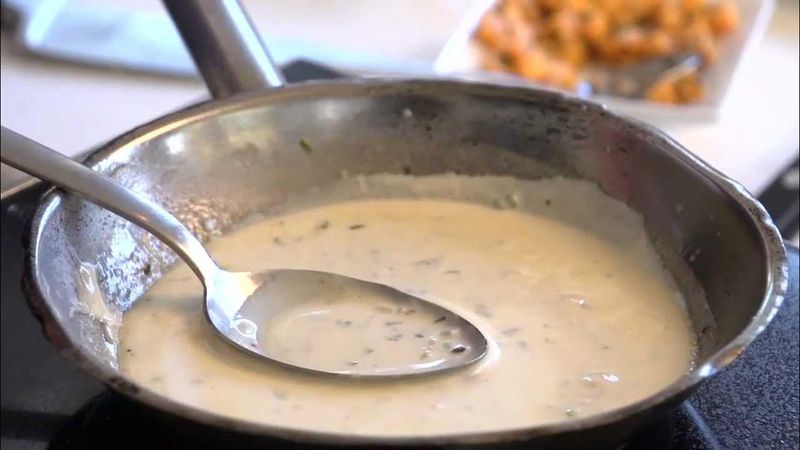
Credit: dailydish.co.uk
Credit: sweetsoursavory.com
Frequently Asked Questions
Can You Freeze Béarnaise Sauce Safely?
Freezing Béarnaise sauce is not recommended. Its creamy texture often separates and becomes grainy after thawing. For best results, make fresh sauce or refrigerate and consume within 2 days.
How To Store Béarnaise Sauce Properly?
Store Béarnaise sauce in an airtight container in the refrigerator. Keep it chilled and use within 48 hours for optimal taste and safety.
Can You Reheat Frozen Béarnaise Sauce?
Reheating frozen Béarnaise sauce can cause it to split. Gently warm it over low heat while whisking continuously to maintain texture, but fresh sauce is preferable.
Does Freezing Affect Béarnaise Sauce Flavor?
Freezing Béarnaise sauce can dull its delicate flavors. The texture changes and flavor may become less vibrant after thawing, reducing overall quality.
Conclusion
Freezing Bearnaise sauce can change its texture and taste. The sauce may separate and look grainy after thawing. For best results, store it in small portions and thaw slowly in the fridge. Reheat gently, stirring often to bring it back together.
Fresh Bearnaise always tastes better, but freezing can save leftovers. Decide based on how soon you plan to use it. Simple care helps keep your sauce close to fresh. Try small batches first to see what works for you.