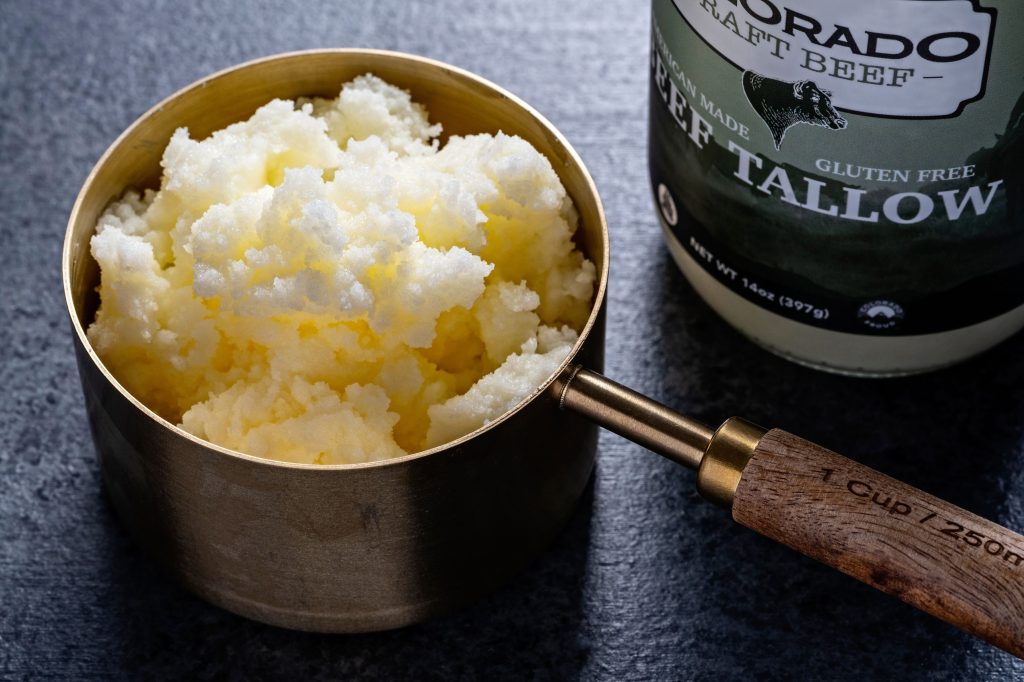
Have you ever wondered if you can freeze beef tallow and how it might affect its quality? You’re not alone.
Many home cooks and food enthusiasts are curious about the best way to store this versatile cooking fat. Beef tallow, with its rich flavor and high smoke point, is a favorite for frying, roasting, and even baking. But what happens when you have more than you can use right away?
Freezing might seem like the perfect solution, but is it really? We’ll explore the ins and outs of freezing beef tallow, so you can make the most of this culinary treasure. Get ready to discover the secrets to preserving your beef tallow without compromising its taste and texture. Keep reading to find out how you can ensure your beef tallow stays fresh and delicious for all your cooking adventures.
Benefits Of Freezing Beef Tallow
Freezing beef tallow offers several practical benefits that can make your cooking and storage easier. It helps you keep this valuable fat fresh and ready for use without worry. Understanding these benefits can change how you manage your kitchen staples.
Extending Shelf Life
Freezing beef tallow significantly extends its shelf life beyond what refrigeration alone can offer. Instead of a few weeks, frozen tallow can last for several months without spoiling. This means you can buy or make tallow in bulk and freeze it in portions for later use.
Have you ever thrown away tallow because it went rancid too quickly? Freezing prevents that waste and saves you money in the long run.
Preserving Flavor And Quality
Freezing helps maintain the natural flavor and quality of beef tallow. When stored properly in airtight containers, it prevents exposure to air and moisture, which can degrade taste. This means your dishes will taste just as rich and savory as when you first rendered the tallow.
Think about how disappointing it is when fats develop off-flavors. Freezing stops that from happening, so your tallow stays fresh and delicious for every recipe you try.

Credit: ranchersrender.com
Preparing Beef Tallow For Freezing
Preparing beef tallow for freezing is a simple process that ensures your fat stays fresh and easy to use later. Proper preparation helps maintain flavor and texture, so you get the best results whenever you cook with it. Taking a little extra time now saves you hassle in the kitchen down the road.
Straining Impurities
After rendering your beef tallow, you’ll notice bits of meat or burnt particles floating around. Straining these out is crucial to prevent spoilage and keep the tallow smooth. Use a fine mesh strainer or cheesecloth to filter the fat as it’s still warm but not too hot to handle.
Make sure to strain slowly and carefully so you don’t miss any small impurities. Have you ever tried cooking with tallow that wasn’t strained? It can affect the taste and even the texture of your dishes.
Portioning For Convenience
Freezing your tallow in large chunks might seem easier, but dividing it into smaller portions saves you time later. Consider using ice cube trays, silicone molds, or small airtight containers to portion the fat before freezing. This way, you only defrost what you need.
Label each portion with the date and amount to keep track. Think about how much you usually use in one recipe and make your portions match that size. This small step makes cooking with frozen tallow quick and mess-free.
Best Containers For Freezing
Choosing the right container for freezing beef tallow can make a big difference in maintaining its quality and flavor. The container you use should protect the tallow from air exposure and freezer burn while being easy to store. Let’s look at some of the best options that keep your beef tallow fresh and ready to use.
Airtight Containers
Airtight containers are perfect for freezing beef tallow because they prevent air from getting in, which slows down oxidation and spoilage. Look for containers with a strong seal that won’t crack or warp in the freezer. Plastic or silicone lids that snap tightly shut work well.
Using airtight containers also means less mess when you thaw your tallow. You can scoop out exactly what you need without worrying about spills or contamination. Do you have a favorite container that has stood the test of time in your freezer?
Freezer-safe Bags
Freezer-safe bags are another excellent choice, especially if you want to save space. These bags are flexible, so you can press out the air before sealing, which helps keep your tallow fresh. They’re also great if you want to freeze small portions.
Make sure to choose bags labeled “freezer-safe” because regular plastic bags might crack or leak when frozen. Double-bagging can offer extra protection. Have you tried freezing your beef tallow in bags and found any tricks to prevent leaks?
Glass Vs Plastic Options
Glass containers are sturdy and don’t absorb odors, which keeps your beef tallow tasting pure. They’re easy to clean and can be reused many times. However, glass is heavier and can break if dropped, so handle with care.
Plastic containers are lighter and less fragile, making them more convenient for everyday use. Look for BPA-free plastics designed for freezing to avoid chemical leaching. Which material fits better with your kitchen habits and storage space?
Freezing Process Tips
Freezing beef tallow is a smart way to keep it fresh longer. Proper freezing helps preserve its flavor and quality. Follow simple tips to get the best results and avoid common mistakes.
Cooling Before Freezing
Allow beef tallow to cool fully before freezing. Hot tallow can melt other frozen items and affect freezer temperature. Cooling also prevents condensation inside the storage container. This stops ice crystals from forming on the tallow’s surface.
Place the tallow in a clean container and leave it on the counter until it reaches room temperature. Then, move it to the freezer. This step keeps the texture smooth and fresh.
Labeling And Dating
Use labels on your containers to mark the freezing date. This helps track how long the tallow has been stored. Proper labeling avoids using old or spoiled tallow by mistake.
Write the date clearly with a permanent marker. Include the type of fat if you store different kinds. This simple habit saves time and keeps your kitchen organized.
Thawing Beef Tallow Safely
Thawing beef tallow safely is key to preserving its rich flavor and texture. Improper thawing can lead to changes in consistency or even spoilage. Knowing the best methods ensures your tallow stays fresh and ready for cooking whenever you need it.
Slow Thawing In Refrigerator
Slow thawing in the refrigerator is the safest way to bring frozen beef tallow back to room temperature. Place the sealed container on a plate or tray to catch any drips and leave it in the fridge for 12 to 24 hours. This gradual process prevents bacterial growth and keeps the texture intact.
Have you noticed how quickly your tallow melts into a smooth liquid after slow thawing? That’s because this method maintains its natural structure better than any other. It also gives you control—if you don’t need all the tallow thawed at once, you can portion it easily while it’s still semi-solid.
Avoiding Microwave Thawing
Microwaving beef tallow to thaw it may seem convenient, but it’s not recommended. The uneven heat can cause parts of the tallow to melt and others to remain frozen, ruining its texture. Worse, overheating can degrade the fat, affecting flavor and cooking performance.
Imagine trying to cook with lumpy or burnt-tasting tallow—definitely not what you want in your kitchen. Instead, resist the urge to speed things up with a microwave. Patience with the fridge method pays off in better quality and taste every time.

Credit: www.smokedbbqsource.com
Signs Of Spoiled Beef Tallow
Knowing the signs of spoiled beef tallow is crucial to avoid wasting your food and to keep your dishes tasting great. Spoiled tallow can affect the flavor and safety of your meals. Here’s what you need to watch for before using frozen or stored beef tallow.
Unusual Odor
Fresh beef tallow has a mild, meaty aroma. If you notice a strong, sour, or rancid smell, it’s a clear sign that the tallow has gone bad. Trust your nose—if it smells off, don’t risk using it in your cooking.
Color Changes
Beef tallow usually appears creamy white or slightly yellow. If you see dark spots, grayish hues, or any strange discoloration, it likely means spoilage has set in. Discoloration can indicate oxidation or bacterial growth, which compromises quality.
Texture Differences
Good tallow should be smooth and firm when solid, and clear when melted. If it feels slimy, sticky, or unusually grainy, it’s time to toss it out. Texture changes often happen due to contamination or prolonged storage beyond its shelf life.
Using Frozen Beef Tallow
Using frozen beef tallow can be a game-changer in your kitchen. It keeps well in the freezer, preserving its rich flavor and cooking properties. Once thawed, you can use it just like fresh tallow to enhance your dishes.
Cooking Tips
Thaw frozen beef tallow slowly in the fridge to maintain its texture and quality. Avoid microwaving it directly, as this can cause uneven melting and affect its flavor.
Use beef tallow for frying, roasting, or sautéing. It adds a deep, savory taste that butter or oil can’t match. Try it when making crispy roasted vegetables or searing steaks.
If you want to reuse leftover tallow, strain it through a fine mesh to remove food particles before freezing again. This keeps it fresh and extends its usability.
Re-freezing Guidelines
Refreezing beef tallow is possible but should be done carefully. Only refreeze tallow if it was thawed in the fridge and hasn’t been left out at room temperature for long.
Repeated freezing and thawing can degrade the quality, so try to freeze tallow in small portions you’ll use up in one go. This prevents waste and preserves flavor.
Ask yourself: have you kept the tallow safe and clean between uses? If yes, refreezing can be a practical way to manage your supply without losing taste or texture.

Credit: www.yahoo.com
Frequently Asked Questions
Can I Freeze Beef Tallow Safely At Home?
Yes, you can safely freeze beef tallow. Store it in an airtight container to prevent odors and freezer burn. Frozen tallow maintains quality for up to a year, making it convenient for long-term storage and future cooking needs.
How Long Does Frozen Beef Tallow Last?
Frozen beef tallow lasts about 12 months when stored properly. Keep it in a sealed, freezer-safe container. This preserves its flavor and texture, ensuring it remains fresh for cooking or baking over extended periods.
Does Freezing Affect Beef Tallow Quality?
Freezing beef tallow does not significantly affect its quality. It retains flavor and texture if stored correctly. Always use airtight containers to avoid moisture or odor contamination in the freezer.
How Should I Thaw Frozen Beef Tallow?
Thaw frozen beef tallow slowly in the refrigerator. Avoid microwaving to prevent uneven melting. Once thawed, use it within a week for best taste and quality.
Conclusion
Freezing beef tallow keeps it fresh for many months. Store it in an airtight container to avoid odors. Thaw it slowly in the fridge before use. This method helps keep the tallow’s flavor and texture. You save money by preventing waste.
Knowing how to freeze tallow gives you more cooking options. Easy, practical, and effective. Try it to enjoy your beef tallow longer.