Have you ever bought fresh bok choy and wondered if you could freeze it to make it last longer? You’re not alone.
Keeping your veggies fresh without waste can be tricky, and freezing is a popular solution. But does bok choy freeze well? Will it keep its crunch and flavor after thawing? If you want to save money and reduce food waste, knowing the right way to freeze bok choy is a game-changer.
Keep reading, and you’ll discover simple tips to freeze bok choy perfectly every time.
Choosing Fresh Bok Choy
Choosing fresh bok choy is important for the best taste and texture. Fresh bok choy stays crisp and sweet. It also freezes better, keeping its flavor after thawing. Knowing how to pick the freshest bok choy helps you enjoy it in any dish.
Signs Of Freshness
- Leaves should be bright green and firm, not yellow or wilted.
- Stems must be crisp and white, without brown spots or sliminess.
- The bok choy should feel heavy for its size, showing good moisture.
- A fresh smell is mild and clean, not sour or rotten.
Types Of Bok Choy
Bok choy comes in several types, each with a unique look and taste. Knowing the type helps choose the right one for your recipe and freezing plans.
- Baby Bok Choy:Small with tender leaves and thin stems. Cooks quickly and freezes well.
- Shanghai Bok Choy:Larger with light green stems and wide leaves. Has a mild, sweet flavor.
- Regular Bok Choy:Medium size with thick white stems and dark green leaves. Crunchy and more bitter.
Credit: practicalselfreliance.com
Preparing Bok Choy For Freezing
Preparing bok choy for freezing ensures it stays fresh and tasty. Proper preparation helps keep its texture and flavor after thawing. Follow these simple steps for the best results.
Washing And Cleaning
Start by rinsing bok choy under cold running water. Remove any dirt or grit from the leaves and stems. Use your fingers to separate the leaves for thorough cleaning. Drain well or use a salad spinner to dry the bok choy. Excess water can cause freezer burn and affect quality.
Trimming And Cutting
Trim the base of the bok choy to remove any tough or browned parts. Cut the leaves and stalks into smaller pieces. Size the pieces to fit your usual cooking needs. Smaller cuts freeze and thaw more evenly. Keep the pieces uniform for consistent cooking later.
Blanching Techniques
Blanching bok choy before freezing helps keep its color and texture fresh. Quickly boil, then cool in ice water to stop cooking. This method preserves nutrients and taste during freezing.
Blanching Techniques for Bok Choy Thinking about freezing bok choy? To keep it fresh and flavorful, blanching is an essential technique. Blanching not only helps in maintaining the vibrant green color but also locks in the nutrients. Let’s dive into why and how you should blanch bok choy for freezing.Why Blanch Bok Choy
Blanching bok choy before freezing is crucial for a few reasons. It halts the enzyme activity which can cause loss of flavor, color, and texture. Blanching also cleans the surface of dirt and bacteria, ensuring your bok choy stays fresh longer. Have you ever noticed how some vegetables lose their vibrant color when stored? Blanching prevents this, making your bok choy look as delicious as it tastes when you’re ready to use it.Step-by-step Blanching Process
Start by thoroughly washing your bok choy under cold water. Remove any damaged leaves and chop it into manageable pieces. Next, bring a pot of water to a rolling boil. Add the bok choy and let it simmer for about 2 minutes. This short boiling period is key to retaining the vegetable’s crisp texture. Prepare an ice bath by filling a large bowl with cold water and ice cubes. After the blanching time is up, quickly transfer the bok choy into the ice bath. This stops the cooking process immediately. Once cooled, drain the bok choy and pat it dry with a clean towel. Wet vegetables can develop ice crystals, which can affect texture. Finally, pack the bok choy in airtight freezer bags or containers. Label them with the date, so you know when they went into the freezer. Have you tried blanching before? It might take a bit of effort, but the payoff in terms of taste and texture is worth every minute.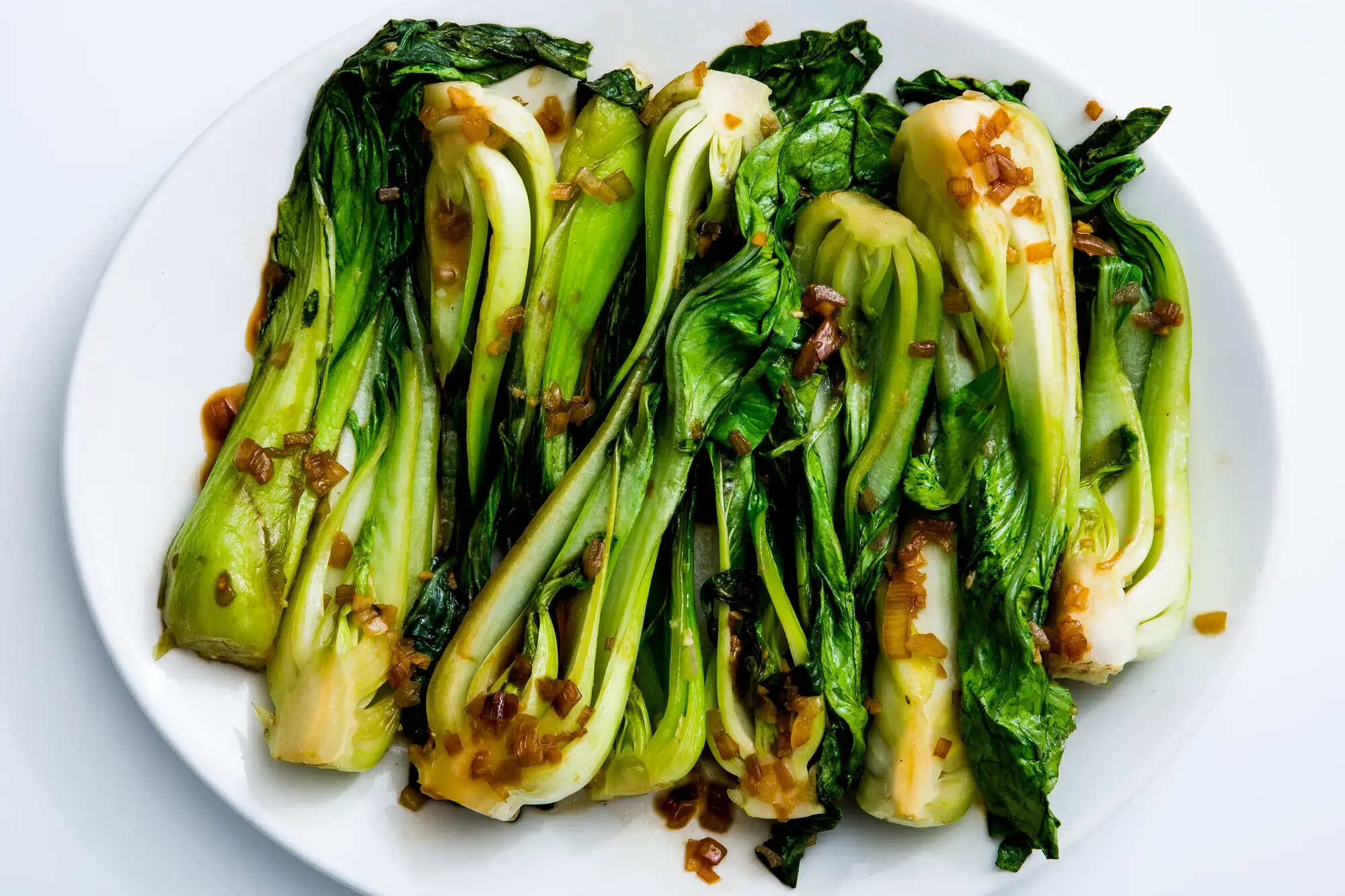
Credit: yujinizakaya.com.sg
Freezing Methods
Freezing bok choy preserves its freshness and extends its shelf life. Choosing the right freezing method keeps the vegetable crisp and tasty. Different techniques help reduce freezer burn and moisture loss. Below are common ways to freeze bok choy effectively at home.
Using Freezer Bags
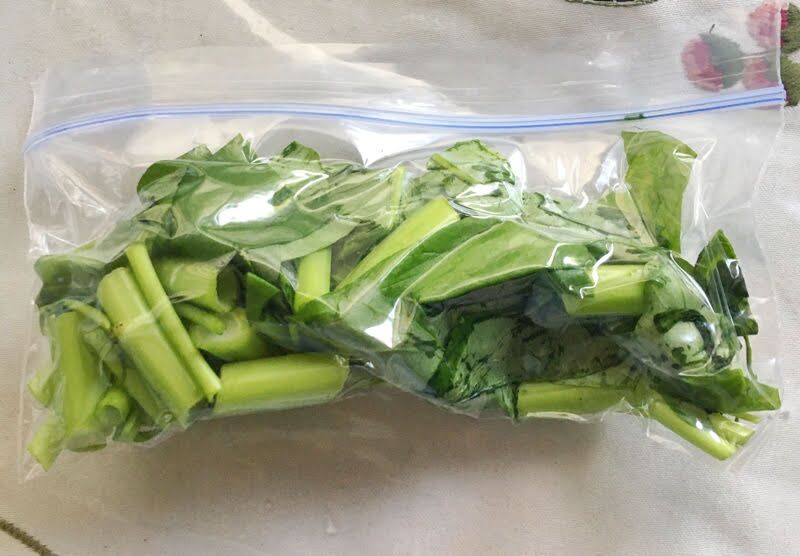
Freezer bags are affordable and easy to use. First, wash and chop bok choy into pieces. Blanch the pieces in boiling water for 1-2 minutes. Then, cool them quickly in ice water. Drain well and place the bok choy in freezer bags. Press out excess air before sealing the bags tightly. Label the bags with the date for easy tracking. Store the bags flat in the freezer to save space.
Vacuum Sealing
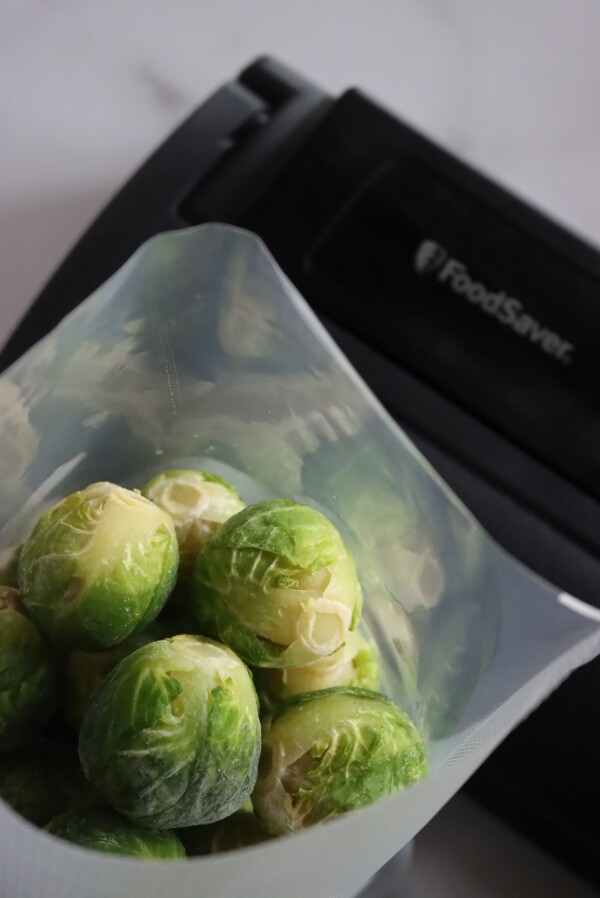
Vacuum sealing removes air, preserving bok choy longer. Prepare bok choy by washing and blanching as usual. Dry the pieces thoroughly to avoid ice crystals. Place bok choy in vacuum seal bags and seal with a vacuum sealer. This method helps keep the texture and flavor fresh. Vacuum-sealed bok choy lasts longer than using regular freezer bags.
Container Options
Using containers is a practical freezing option. Choose airtight plastic or glass containers suitable for freezing. After blanching and cooling bok choy, fill the containers without overpacking. Leave some space at the top for expansion. Seal containers tightly to prevent moisture loss. Label the containers with the freezing date. This method reduces the risk of crushing delicate leaves during storage.
Storage Tips For Frozen Bok Choy
Storing frozen bok choy properly can make a huge difference in how fresh and tasty it stays when you’re ready to cook. You want to avoid freezer burn and maintain its crunch and flavor as much as possible. Let’s look at some key tips that will help you get the most out of your frozen bok choy.
Ideal Freezer Temperature
Keeping your freezer at the right temperature is crucial for preserving bok choy. The optimal setting is 0°F (-18°C) or lower. This temperature slows down enzyme activity and prevents ice crystals from damaging the vegetable’s cells.
If your freezer is warmer, you risk soggy, mushy bok choy after thawing. Do you know the exact temperature of your freezer right now? A simple freezer thermometer can give you peace of mind and better results.
Shelf Life Expectations
Frozen bok choy can last quite a while, but it’s best to use it within 8 to 12 months for peak quality. Over time, even well-frozen vegetables lose texture and flavor. Have you ever found a forgotten bag of frozen greens that turned out disappointing? That’s why labeling with the date is a smart move.
To keep things organized, write the freezing date on the bag or container. This small step helps you use older bok choy first and avoid waste. Remember, the longer it stays frozen, the more it loses its crispness, so plan your meals accordingly.
Thawing And Cooking Frozen Bok Choy
Thawing and cooking frozen bok choy is simple and quick. Proper thawing keeps its texture and flavor intact. Cooking frozen bok choy unlocks many tasty possibilities. Understanding how to handle it well makes meals better and easier.
Best Thawing Practices
Thaw bok choy in the fridge overnight for best results. This slow thaw keeps the leaves firm. Use cold water thawing if you need it faster. Place the sealed bag in cold water for about 30 minutes. Avoid thawing at room temperature to prevent sogginess.
Some cooks skip thawing and cook directly from frozen. This works well for stir-fry or soups. Just add the frozen bok choy straight to the hot pan or pot. It cooks quickly and retains nutrients.
Cooking Ideas After Freezing
Frozen bok choy suits many dishes perfectly. Use it in stir-fries with garlic and soy sauce for a quick meal. Add it to soups and broths for extra greens and crunch. Sauté with olive oil and a pinch of salt for a simple side dish.
Steaming frozen bok choy keeps it tender and fresh. Combine with noodles or rice for a balanced dish. Experiment with your favorite spices and sauces. Frozen bok choy adapts well to bold or mild flavors alike.
Common Mistakes To Avoid
Freezing bok choy can save you time and reduce waste, but mistakes during the process can ruin your efforts. Avoiding common errors helps keep the vegetable fresh and flavorful. Let’s look at two key mistakes that many people make and how you can prevent them.
Skipping Blanching
Blanching bok choy before freezing is crucial. It stops enzyme activity that causes loss of flavor, color, and texture. Skipping this step often results in limp, discolored leaves after thawing.
I once froze bok choy without blanching, expecting it to be fine. When I cooked it weeks later, the texture was mushy and the color dull. That experience taught me blanching is not optional if you want quality frozen greens.
To blanch, quickly boil the bok choy for 1-2 minutes, then plunge it into ice water. This locks in freshness and nutrients so your frozen bok choy tastes almost like fresh.
Freezing Without Proper Drying
Excess water on bok choy before freezing creates ice crystals, which damage the leaves’ structure. Freezing wet bok choy often leads to soggy, watery texture when thawed.
After blanching and cooling, make sure to dry bok choy thoroughly. Use a salad spinner or pat it with paper towels until it feels dry to the touch.
Have you noticed watery leftovers after freezing veggies before? That’s usually because of trapped moisture. Proper drying prevents this and keeps your bok choy crisp and ready to cook.

Credit: mycuratedtastes.com
Frequently Asked Questions
Can Bok Choy Be Frozen For Later Use?
Yes, bok choy can be frozen. Blanch it for 2 minutes, then cool and dry. Store in airtight bags for up to 6 months.
How Does Freezing Affect Bok Choy Texture?
Freezing softens bok choy’s texture. It becomes less crisp but still works well in cooked dishes like soups and stir-fries.
Should Bok Choy Be Blanched Before Freezing?
Blanching bok choy before freezing preserves flavor and nutrients. It also helps maintain color and texture during storage.
Can Frozen Bok Choy Be Eaten Raw?
Frozen bok choy is best cooked. Raw frozen bok choy becomes mushy after thawing and loses its crispness.
Conclusion
Freezing bok choy helps keep it fresh for longer. Blanching before freezing keeps texture and flavor better. Store it in airtight bags to avoid freezer burn. Use frozen bok choy in cooked dishes like soups or stir-fries. Avoid freezing raw bok choy to keep taste and crunch.
Now you can enjoy bok choy anytime without waste. Simple steps make freezing easy and effective. Give it a try for your next meal!