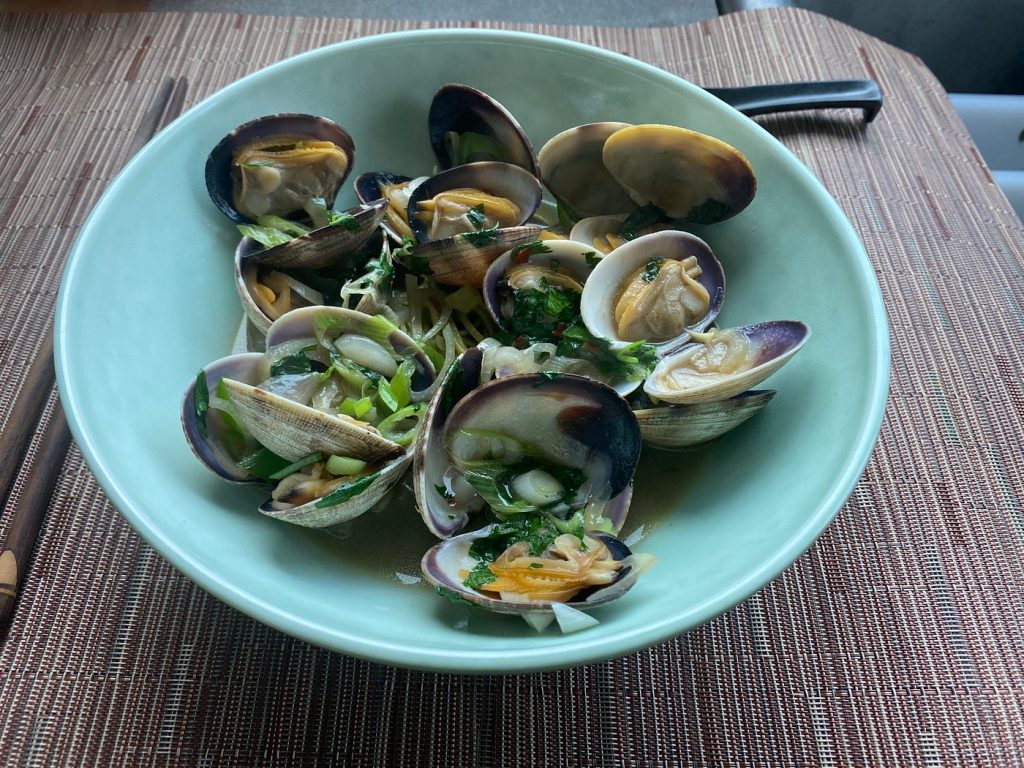
Have you ever stood in your kitchen, staring at a bag of fresh clams, wondering if you can freeze them to savor their oceanic goodness later? You’re not alone.
Many seafood lovers like you ponder this very question. The idea of preserving that seaside flavor is tempting, but is it possible without compromising taste and texture? This article dives into the world of clams, uncovering the secrets of freezing them effectively.
By the end, you’ll know exactly how to keep your clams fresh and delicious, ready to enhance any future meal. Ready to unlock the mystery? Let’s get started!
Fresh Clams And Freezing Basics
Freezing clams preserves their freshness and extends shelf life. Knowing the basics helps keep their flavor and texture. Fresh clams must be handled carefully before freezing. Understanding when and how to freeze clams ensures the best results. This section covers key tips on fresh clams and freezing basics.
Choosing Fresh Clams
Select clams that are tightly closed or close when touched. Avoid clams with broken shells or a strong fishy smell. Fresh clams should feel heavy and moist, not dry or slimy. Look for clams stored on ice or in a cool environment. Freshness affects taste and safety, so choose carefully.
When To Freeze Clams
Freeze clams as soon as possible after purchase for best quality. Clams kept at room temperature longer lose freshness quickly. Ideally, freeze clams within 24 hours of buying. If clams are already open and do not close when tapped, do not freeze. Timing is key to preserving flavor and texture.
Freezing Vs Refrigerating
Refrigeration keeps clams fresh for a short time, usually up to two days. Freezing extends clam storage for up to three months. Refrigerated clams must stay in a breathable container with ice or damp cloth. Frozen clams need airtight packaging to prevent freezer burn. Choose freezing for longer storage and refrigerating for quick use.
Credit: commischefchris.medium.com
Preparation Before Freezing
Preparing clams before freezing helps keep their taste and texture fresh. It also removes dirt and sand. Proper prep makes cooking easier later on.
Cleaning And Rinsing
Start by scrubbing the clam shells under cold water. Use a brush to remove dirt and debris. Rinse each clam well to wash away surface grit.
Purging Sand And Grit
Place clams in a bowl of cold salted water. Salt should match seawater strength. Let clams sit for 20 to 30 minutes to release sand. Change water once and repeat if needed.
Pre-cooking Options
Some prefer to freeze clams after cooking. Steaming or boiling for a few minutes works well. Cool clams quickly in ice water. This helps keep texture firm during freezing.
Freezing Methods For Clams
Freezing clams is a great way to enjoy their fresh taste long after your seafood haul. However, the freezing process varies depending on whether your clams are raw or cooked. Choosing the right method preserves their texture and flavor, so you’re not left with rubbery or bland seafood later.
Freezing Raw Clams
Start by cleaning your raw clams thoroughly to remove any sand or grit. Rinse them under cold water and scrub the shells gently. Then, steam the clams just until they open—this helps prevent a mushy texture after freezing.
Once steamed, remove the clams from their shells and let them cool completely. Place the clam meat in airtight containers or freezer bags, leaving some space for expansion. Label the packages with the date to keep track of freshness.
Freezing Cooked Clams
Cooked clams freeze well if you avoid overcooking them first. After cooking, cool the clams quickly to stop any further cooking. Drain off any excess liquid to reduce ice crystals forming around the clams.
Transfer the clams to freezer-safe containers or bags. To keep their flavor intact, consider freezing them in a broth or sauce you used for cooking. This also makes reheating easier and tastier.
Using Vacuum Sealing
Vacuum sealing is a powerful way to extend clam freshness in your freezer. Removing air reduces freezer burn and helps keep the clams’ texture firm. If you have a vacuum sealer, it’s worth using it for both raw and cooked clams.
After sealing, place the packets flat in the freezer to save space and speed up freezing. This technique can double the storage time compared to regular bags or containers.
Packaging Tips
- Use freezer-safe, airtight containers or thick freezer bags to prevent moisture loss.
- Remove as much air as possible to avoid freezer burn, either by squeezing out air manually or using a vacuum sealer.
- Label every package with the date and type of clam to keep track of storage times.
- Freeze clams in small portions to avoid thawing more than you need.
Have you ever frozen seafood only to find it tough or flavorless later? Trying these packaging tips can make a big difference in your next clam freezing experience.

Credit: netunousa.com
Storage Duration And Safety
Proper storage duration and safety are key when freezing clams. Clams are delicate seafood. Storing them correctly keeps their flavor and texture fresh. It also prevents foodborne illnesses. Understanding how long clams stay safe in the freezer is important. Knowing the signs of spoilage helps avoid eating bad clams. Safe thawing keeps clams tasty and safe to eat.
Optimal Freezing Time
Clams freeze best when fresh. Freeze them within 24 hours of purchase. For best quality, keep frozen clams for no more than 3 months. Beyond this time, clams may lose flavor and texture. Use airtight containers or vacuum-sealed bags for freezing. This helps prevent freezer burn and preserves freshness.
Signs Of Spoilage
Check clams before freezing and after thawing. Spoiled clams smell sour or fishy. Their shells may be cracked or open and do not close when tapped. The flesh looks slimy or discolored. Do not eat clams with these signs. Throw them away to avoid sickness.
Safe Thawing Practices
Thaw clams slowly in the refrigerator. This takes about 12 to 24 hours. Avoid thawing clams at room temperature. It can cause bacteria growth. For quick thawing, place clams in a sealed bag and submerge in cold water. Change the water every 30 minutes until fully thawed. Cook clams immediately after thawing for best safety.
Cooking Frozen Clams
Cooking frozen clams can be a bit tricky, but it’s definitely doable with the right approach. The key lies in how you thaw and prepare them to keep their natural taste and texture intact. Let’s break down the best ways to handle frozen clams in your kitchen.
Thawing Techniques
Thawing frozen clams properly is essential to avoid a rubbery texture. The safest way is to place them in the refrigerator overnight. This slow thaw helps maintain their moisture and flavor.
If you’re short on time, put the frozen clams in a sealed bag and submerge them in cold water for about 30 minutes. Avoid using warm or hot water, as it can start cooking the clams unevenly.
Never thaw clams at room temperature. It increases the risk of bacteria growth, which can spoil your meal. Have you ever experienced clams that tasted off or had a strange texture? Proper thawing might be the reason.
Recipes For Frozen Clams
Frozen clams work well in many dishes, from simple pastas to hearty chowders. You can add them directly to soups or stews without fully thawing, letting them cook gently in the broth.
- Clam Linguine:Toss thawed clams with garlic, olive oil, and fresh parsley for a quick dinner.
- Clam Chowder:Add frozen clams towards the end of cooking to keep them tender.
- Seafood Stir-fry:Mix clams with shrimp and vegetables for a flavorful, easy dish.
Have you ever tried clams in a pizza topping? Frozen clams can be a surprising but delicious addition once thawed and cooked properly.
Maintaining Texture And Flavor
To keep clams tender, avoid overcooking them. Clams only need a few minutes to cook—once they open, they’re done. Cooking too long makes them tough and chewy.
Using gentle heat and adding clams near the end of your cooking helps preserve their natural briny flavor. Adding a splash of lemon juice or a bit of white wine can also brighten their taste.
Have you noticed how some clams taste bland or rubbery? Often, it’s due to cooking at high heat or too long. Adjusting your timing and temperature can make a huge difference in your dish.

Credit: www.hermitcrabassociation.com
Common Mistakes To Avoid
Freezing clams seems straightforward, but many stumble over avoidable errors. These mistakes can affect the texture, flavor, and safety of your clams. Understanding what to avoid ensures you enjoy your seafood just as much after freezing as fresh.
Freezing Live Clams Incorrectly
Many think you can just toss live clams into the freezer, but that’s a big no. Freezing live clams without purging them first often leads to a gritty, unpleasant taste. Plus, the clams may not survive the freeze-thaw cycle, resulting in mushy, off-flavored meat.
Before freezing, always clean and purge your clams properly by soaking them in salted water for a few hours. This step helps them expel sand and grit, improving the final texture and taste. Skipping this can ruin your entire batch.
Refreezing Clams
Have you ever thawed clams and then frozen them again? This is a common error that degrades quality significantly. Each freeze-thaw cycle damages the clam’s delicate structure, making it tough and rubbery.
It’s best to freeze clams only once. Plan your portions carefully so you only thaw what you will use immediately. This way, you preserve their freshness and texture better.
Ignoring Clam Quality
Freezing can’t fix poor-quality clams. If your clams are already old or have a bad smell before freezing, that won’t improve after thawing. You need fresh, live clams to start with.
Look for tightly closed shells or those that close when tapped. Avoid any that are cracked or have a strong fishy odor. Using fresh clams ensures your frozen batch tastes great and is safe to eat.
Frequently Asked Questions
Can I Freeze Live Clams Safely?
Yes, you can freeze live clams, but it’s not ideal. They may die during freezing, affecting texture and flavor. It’s better to shuck and clean them before freezing for best results.
How Long Can Frozen Clams Last In The Freezer?
Frozen clams can last up to 3 months in the freezer. Beyond this, their quality and taste may deteriorate. Always store them in airtight containers or freezer bags to maintain freshness.
Should I Thaw Clams Before Cooking?
Yes, thaw frozen clams in the refrigerator overnight. Avoid thawing at room temperature to prevent bacterial growth. Cooking clams directly from frozen can affect texture and cooking time.
Can Frozen Clams Be Used In Soups And Stews?
Absolutely, frozen clams are perfect for soups and stews. Their flavor holds well when cooked slowly. Just ensure they are properly thawed and cooked to avoid toughness.
Conclusion
Freezing clams can keep them fresh for weeks. Always clean clams well before freezing. Use airtight bags or containers to avoid freezer burn. Thaw clams slowly in the fridge for best taste. Avoid refreezing clams after thawing to keep quality.
Frozen clams work well in cooked dishes like soups or pasta. Enjoy fresh clams anytime by freezing them properly. Simple steps make your frozen clams tasty and safe. Now you know how to freeze clams the right way.