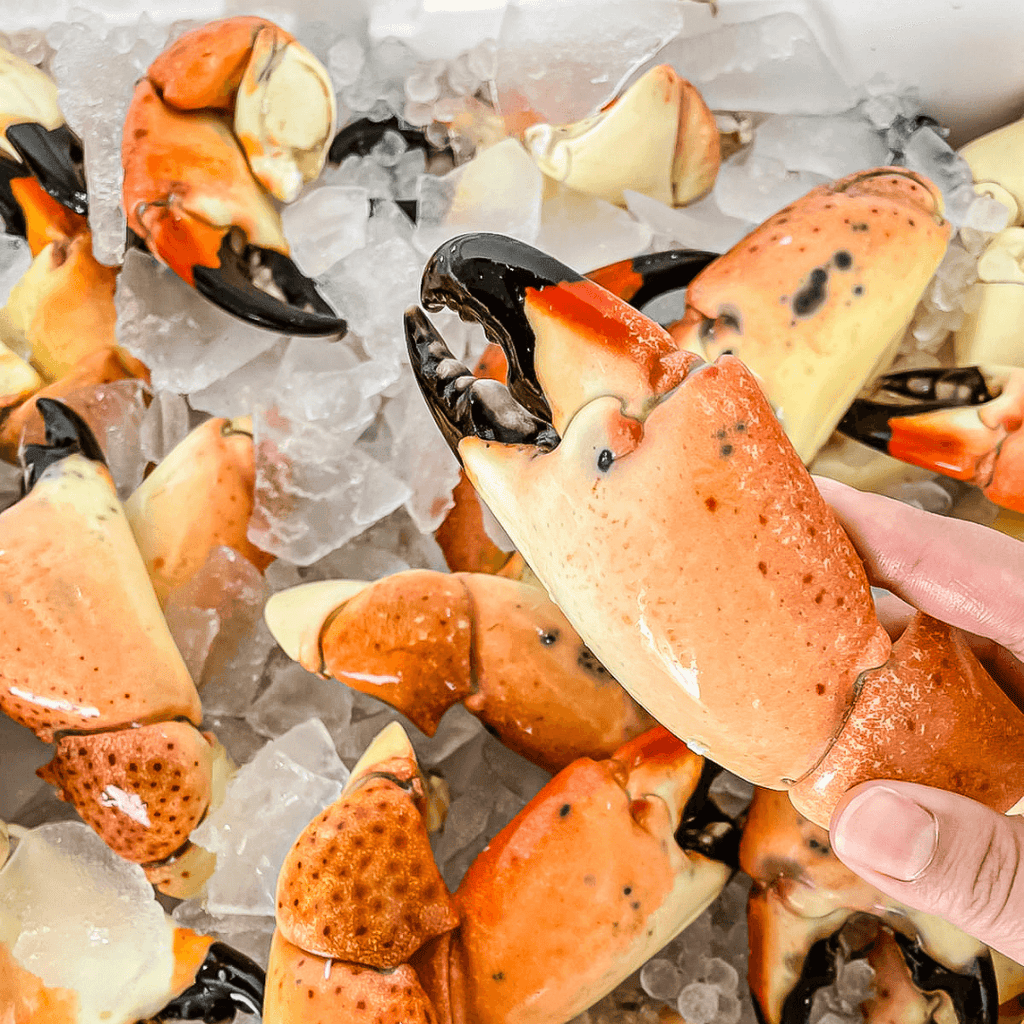
Can I freeze crab? It’s a question that pops up more often than you might think.
Whether you’ve just returned from a seafood market with a bounty of fresh crab or you’re looking to preserve leftovers from a delicious seafood feast, understanding the best way to store crab can save you both time and money. But before you toss your crab in the freezer, there are a few essential things you need to know.
Imagine savoring the same fresh taste weeks later or, on the flip side, biting into something less than appetizing. The right freezing techniques can make all the difference. Curious about how to keep your crab as delicious as the day you bought it? Read on, and we’ll guide you through the process step-by-step.
Choosing Crab For Freezing
Choosing the right crab for freezing is crucial to maintain its flavor and texture. Not all crabs freeze equally well, so knowing what to pick helps you avoid disappointment later. Whether you buy live or cooked crab, fresh quality will make a huge difference in your frozen meals.
Live Vs Cooked Crab
Live crab is often considered the best option for freezing because it retains its natural moisture and texture. If you freeze live crab properly, you can cook it fresh after thawing, which preserves taste better.
Cooked crab can also be frozen, but it must be handled carefully. Overcooking before freezing may result in a rubbery texture once thawed. Many people prefer freezing cooked crab meat to save time later, but it’s important to cool it quickly and pack it tightly.
Signs Of Freshness
Fresh crab should smell like the sea—clean and slightly briny, not fishy or sour. If you notice any off-putting odors, it’s best to avoid freezing it, as the bad smell will linger.
Look for crabs with firm shells and intact limbs. Soft shells or broken claws indicate the crab may be old or stressed, which affects quality after freezing.
Ask yourself: does the crab feel heavy for its size? A lighter crab might mean it’s dried out or less meaty, which won’t freeze well. Always choose crabs that feel solid and fresh to the touch.

Credit: www.alaskankingcrab.com
Preparing Crab For Freezing
Preparing crab for freezing ensures it stays fresh and tasty. Proper preparation stops freezer burn and maintains flavor. Taking time to clean and cook crab well before freezing saves effort later.
Cleaning And Cooking Methods
Start by rinsing the crab under cold water. Remove any dirt or sand from the shell. Pull off the apron and clean out the gills and guts carefully.
Cook the crab before freezing to preserve taste and texture. Boiling is simple—immerse crab in boiling salted water for about 10 minutes. Let it cool before packing. Steaming also works well and keeps meat moist.
Portioning For Storage
Cut crab into smaller pieces for easy use later. Separate legs, claws, and body meat if possible. Use airtight containers or heavy freezer bags to store portions.
- Label packages with date and contents.
- Remove as much air as possible to prevent freezer burn.
- Freeze in meal-sized portions for convenience.
Freezing Techniques
Freezing crab is a smart way to keep its freshness and flavor locked in for future meals. However, how you freeze it can make a big difference in taste and texture once thawed. Using the right techniques ensures your crab stays delicious and safe to eat.
Wrapping And Packaging Tips
Proper wrapping is your first line of defense against freezer burn. Use heavy-duty aluminum foil or plastic wrap to cover the crab tightly. Make sure there are no air pockets, as air causes drying and flavor loss.
After wrapping, place the crab in a resealable freezer bag or an airtight container. Squeeze out as much air as possible before sealing. Label the package with the date to keep track of how long it’s been stored.
Using Vacuum Sealers
Vacuum sealing is the best way to keep crab fresh in the freezer. It removes all the air, preventing freezer burn and extending shelf life dramatically. If you have one, use it to seal your crab tightly before freezing.
This method locks in moisture and flavor, so your crab tastes almost as fresh as when first cooked. It also makes storage easier because vacuum-sealed packages are compact and stack neatly in your freezer.
Ideal Freezer Temperature
Keeping your freezer at the right temperature is crucial. Set it to 0°F (-18°C) or lower to keep crab safe and maintain its quality. Temperatures above this can cause spoilage and affect texture.
Do you check your freezer temperature regularly? A simple freezer thermometer can help you avoid surprises and keep your seafood in perfect condition. Remember, consistent freezing is key to preserving taste and safety.
Storage Duration And Safety
Knowing how long crab can stay frozen and how to protect it from freezer burn is essential for keeping your seafood fresh and tasty. Proper storage duration and safety measures make a big difference in flavor and texture. Let’s break down what you need to know to enjoy crab even after freezing.
How Long Can Crab Stay Frozen
Crab can stay frozen safely for up to 3 months without losing much quality. Beyond that, the taste and texture start to degrade, even if it’s still safe to eat. If you freeze crab for longer than 3 months, expect it to become rubbery or dry.
Keep in mind, fresh crab should be frozen as soon as possible. The longer you wait, the lower the quality once thawed. Do you check the date before freezing or just freeze whatever’s available?
Avoiding Freezer Burn
Freezer burn happens when crab is exposed to air inside the freezer, causing dry spots and off-flavors. To prevent this, use airtight packaging like vacuum-sealed bags or heavy-duty freezer bags. Squeeze out as much air as possible before sealing.
- Wrap crab tightly in plastic wrap before placing in a freezer bag.
- Label packages with the freezing date to keep track.
- Store crab in the coldest part of your freezer, away from the door.
Have you ever noticed icy patches on frozen seafood? That’s freezer burn sneaking in. Taking these simple steps can save you from wasting good crab and disappointing meals.
Thawing Crab Properly
Thawing crab properly is key to preserving its sweet, delicate flavor and firm texture. How you thaw your crab can make a big difference in the final taste and safety of your meal. Let’s look at the best ways to thaw crab safely and effectively.
Refrigerator Thawing
This is the safest and most reliable way to thaw crab. Place the frozen crab in a sealed container or plastic bag to avoid contamination and let it thaw slowly in the refrigerator.
It usually takes about 12 to 24 hours depending on the size of the crab. This slow thawing keeps the crab at a safe temperature, preserving its texture and flavor.
Quick Thaw Methods
If you’re short on time, you can use cold water to thaw crab faster. Keep the crab in a sealed plastic bag and submerge it in cold water, changing the water every 30 minutes to keep it cold.
This method takes about 1 to 2 hours but requires close attention to avoid warming the crab too much. Never use warm or hot water, as it can start cooking the crab unevenly.
Avoiding Bacterial Growth
Bacteria grow rapidly when crab is left at room temperature. Avoid thawing crab on the countertop or in warm water to prevent this risk.
Keep the crab below 40°F (4°C) during thawing, and cook it immediately after it’s thawed. If you notice any off smells or slimy texture, it’s safer to discard the crab.

Credit: www.njwoodsandwater.com
Cooking Frozen Crab
Cooking frozen crab is a convenient way to enjoy seafood without rushing to the market. Freezing helps preserve the crab’s freshness, but handling it right when cooking makes all the difference. You don’t have to thaw it fully to get great taste and texture.
Reheating Tips
Start by gently thawing your crab in the fridge overnight for the best texture. If you’re short on time, run the crab under cold water to loosen the shell and meat.
Steaming is a top choice for reheating frozen crab. It keeps the meat moist and tender without drying it out. Heat a pot with a couple of inches of water, place the crab in a steamer basket, cover, and steam for about 5-7 minutes.
Another quick option is reheating crab meat in a skillet with a little butter or olive oil. Keep the heat medium-low to avoid overcooking, stirring gently until warmed through.
Recipe Ideas For Frozen Crab
What can you make with frozen crab that feels fresh and flavorful? Here are some easy options to consider:
- Crab Cakes:Mix thawed crab meat with breadcrumbs, egg, mayo, and seasonings. Pan-fry until golden brown for a crispy treat.
- Crab Salad:Combine crab meat with celery, mayo, lemon juice, and herbs. Serve on a bed of greens or in a sandwich for a light meal.
- Seafood Pasta:Toss crab meat into a garlic butter sauce with pasta and fresh parsley. It’s quick, elegant, and comforting.
- Crab Soup:Add crab to a creamy bisque or a spicy tomato base. It turns simple soup into a seafood feast.
Have you tried cooking frozen crab in any unique way? Sharing your experience might inspire others to get creative with this versatile ingredient.

Credit: wdfw.medium.com
Frequently Asked Questions
Can I Freeze Cooked Crab Meat Safely?
Yes, you can freeze cooked crab meat safely. Wrap it tightly in plastic wrap or place it in an airtight container. Freeze it within two days of cooking. Proper freezing preserves freshness and flavor for up to three months.
How Long Does Frozen Crab Last In The Freezer?
Frozen crab lasts up to three months in the freezer. Beyond this, quality and taste may decline. Always label and date the packaging. Use within this period for the best texture and flavor.
Should I Freeze Crab Before Or After Cooking?
It’s best to freeze crab after cooking. Cooked crab freezes better and retains flavor well. Raw crab can be frozen but might lose texture and taste upon thawing. Cook first for optimal results.
How Do I Thaw Frozen Crab Properly?
Thaw frozen crab in the refrigerator overnight. This slow thawing keeps the meat safe and fresh. Avoid thawing at room temperature to prevent bacterial growth. Once thawed, consume crab within two days.
Conclusion
Freezing crab helps keep it fresh for later use. Always store crab tightly wrapped to avoid freezer burn. Use frozen crab within a few months for best taste. Thaw crab slowly in the fridge to keep texture. Avoid refreezing thawed crab to maintain quality.
Freezing crab saves money and reduces food waste. Simple steps make crab freezing easy and safe. Enjoy delicious crab anytime by freezing it properly.