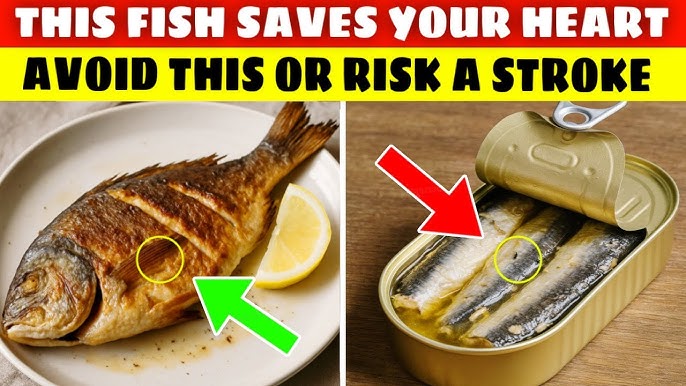
Imagine this: you’ve just enjoyed a delightful meal of crispy, golden-brown fried fish, and now you’re staring at the leftovers, wondering what to do. Can you freeze fried fish?
It’s a question many of us face when we’re left with more than we can eat. You might be concerned about losing that perfect texture and flavor. The good news is, you’re not alone in this culinary conundrum, and there are solutions that can help maintain the deliciousness of your dish.
Stick around as we dive into the best ways to preserve your fried fish, ensuring every bite is as satisfying as the first. With these tips, you’ll never have to worry about wasting your delicious catch again.
Why Freeze Fried Fish
Freezing fried fish can save time and reduce food waste. It allows you to enjoy your favorite meal later without cooking from scratch. Keeping fried fish in the freezer helps preserve its taste and texture. This method is practical for busy days or leftovers. Understanding why to freeze fried fish helps you make better meal choices.
Benefits Of Freezing
- Extends the shelf life of fried fish
- Keeps flavors fresh for future meals
- Prevents food waste by storing leftovers
- Offers quick meal options for busy schedules
- Maintains convenience without compromising quality
Common Concerns
- Worry about loss of crispiness after freezing
- Concerns about changes in texture and taste
- Questions about proper freezing and thawing methods
- Fears of freezer burn affecting quality
- Uncertainty about how long fried fish stays good

Credit: knowseafood.com
Best Fried Fish Types To Freeze
Choosing the right type of fried fish to freeze can make a big difference in how well it tastes after thawing. Not all fish hold up equally when frozen, especially after frying. Knowing which fish types freeze best helps you avoid disappointment and enjoy delicious leftovers anytime.
Firm Vs. Delicate Fish
Firm fish like cod, haddock, and catfish freeze much better than delicate types. Their dense texture holds up during freezing and reheating, keeping the fried coating intact. Delicate fish such as flounder or sole tend to become mushy and lose their crispness after freezing.
Think about the last time you tried to freeze a soft fish—you probably noticed it fell apart or turned watery. Sticking to firm fish gives you a better chance of crispy, tasty results when you reheat your fried fish. Have you ever been frustrated by soggy leftovers? Firm fish can solve that problem.
Breading And Coating Considerations
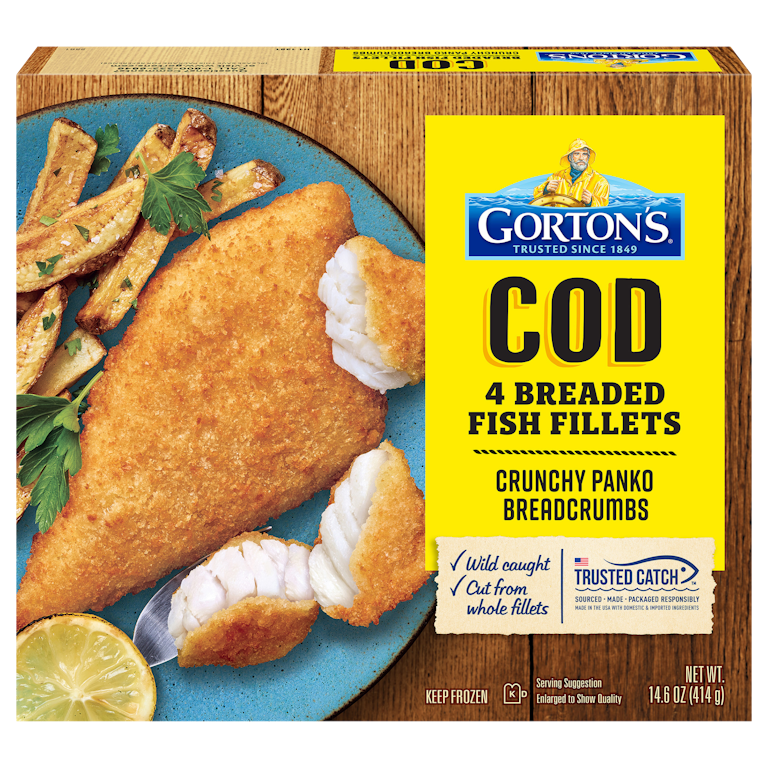
The type of breading or coating you use also affects how well fried fish freezes. Thick, crunchy coatings like panko breadcrumbs hold up better during freezing than light batters. Batters can absorb moisture and turn soggy after thawing, ruining the texture.
Try coating your fish with a sturdy breading if you plan to freeze it. You might find that double-dipping in flour and egg before breadcrumbs creates a stronger crust that keeps crispness intact. What’s your favorite breading recipe for fried fish? Adjusting it for freezing might improve your leftovers.
Preparing Fried Fish For Freezing
Preparing fried fish for freezing is crucial to keep its crispy texture and fresh flavor intact. If you freeze it incorrectly, you might end up with soggy, bland fish that no one wants to eat. Taking a little extra time to cool and package your fried fish properly will make all the difference when you reheat it later.
Cooling Techniques
Never freeze fried fish while it’s still hot. Hot fish releases steam that can create ice crystals, making the coating soggy after freezing.
Spread the fried fish on a wire rack or paper towels to let the excess oil drain and the fish cool evenly. This helps keep the crust crispy by preventing moisture buildup.
Leave the fish to cool at room temperature for about 20 to 30 minutes, but don’t let it sit too long to avoid bacterial growth. Have you noticed how quickly warm food steams up when covered? That’s exactly what you want to avoid before freezing.
Packaging Methods
Choose packaging that protects the fish from freezer burn and moisture. Use airtight containers or heavy-duty freezer bags for the best results.
- If using freezer bags, remove as much air as possible before sealing. You can use a straw to suck out air or gently press the bag flat.
- Wrap each piece individually in parchment or wax paper before placing them in a bag. This prevents the pieces from sticking together.
- Label the packaging with the date to keep track of how long it’s been frozen.
Have you tried vacuum sealing? It’s a great way to extend shelf life and maintain crispiness, but even simple wrapping and airtight sealing work well if done properly.

Credit: knowseafood.com
Freezing Methods And Storage Tips
Freezing fried fish can be a great way to extend its shelf life, but how you freeze and store it makes all the difference. Using the right techniques preserves flavor and texture, so your fish tastes almost as good as fresh when you reheat it. Let’s look at some practical tips that help you freeze fried fish properly and avoid common pitfalls.
Optimal Freezer Temperature
Set your freezer to 0°F (-18°C) or lower. This temperature keeps fried fish safe and maintains its quality for up to 3 months. Anything warmer risks thawing and refreezing, which damages the crispy coating and can make the fish soggy.
Wondering if a colder setting is better? While colder temps can preserve food longer, they may cause freezer burn if the fish isn’t wrapped correctly. So, balance temperature with proper packaging for the best results.
Using Airtight Containers
Airtight containers or vacuum-sealed bags lock out moisture and air that cause freezer burn. I found that wrapping fried fish tightly in plastic wrap first, then placing it in a zip-top freezer bag, works wonders. This double layer keeps the coating crisp and prevents odors from other foods affecting the flavor.
If you don’t have vacuum sealers, try removing as much air as possible before sealing bags. You can press out air with your hands or use a straw to suck out the air for a tighter seal.
Avoiding Freezer Burn
Freezer burn happens when moisture escapes from the fish, leaving dry spots and off flavors. To avoid it, wrap fish tightly and keep portions small to freeze evenly. Label your packages with the date so you use the oldest fish first and never leave it in the freezer too long.
Have you ever bitten into freezer-burned fish? It’s a disappointing experience that ruins a meal. Taking a few extra minutes to wrap and store your fried fish carefully can save you from that unpleasant surprise.
Thawing Fried Fish Safely
Thawing fried fish safely is important to keep its flavor and texture. Proper thawing also prevents bacteria growth that can cause illness. There are a few ways to thaw fried fish that keep it tasty and safe to eat. Choose the right thawing method based on how much time you have.
Refrigerator Thawing
Refrigerator thawing is the safest and best way to defrost fried fish. Place the fish in a sealed container or plastic bag. Put it on a plate or tray to catch any drips. Keep it in the refrigerator for several hours or overnight. This slow thaw helps keep the fish fresh and moist.
This method stops harmful bacteria from growing by keeping the fish cold. It also helps the fried coating stay crispier than other thawing methods. Plan ahead to allow enough time for the fish to thaw fully in the fridge.
Quick Thaw Options
Quick thaw options work when you need fried fish ready fast. One way is to use a microwave on the defrost setting. Place the fish on a microwave-safe plate. Heat it in short bursts, about 20 seconds each, to avoid cooking the fish.
Another quick option is to thaw fried fish in cold water. Keep the fish in a sealed plastic bag. Submerge the bag in a bowl of cold water. Change the water every 30 minutes until the fish is thawed. Do not use warm or hot water, which can promote bacteria growth.
Quick thawing methods may slightly affect the texture of the fried coating. Use these methods only if you plan to eat the fish immediately after thawing.
Reheating For Crispiness
Reheating fried fish to keep its crispiness can be tricky. The key is using the right heat and technique. Avoid soggy or chewy textures by reheating carefully. This section shares simple ways to refresh your fried fish.
Oven Reheating
Preheat the oven to 400°F (200°C). Place the fried fish on a wire rack over a baking sheet. This helps air circulate and keeps the crust crispy.
Heat for 10 to 15 minutes. Check halfway to avoid overcooking. The oven’s dry heat restores crunch without drying the fish.
Air Fryer Techniques
Set the air fryer to 350°F (175°C). Arrange the fish in a single layer in the basket. Avoid overcrowding to ensure even crispness.
Cook for 3 to 5 minutes. Shake the basket gently halfway through. The hot air crisps the coating quickly and evenly.
Avoiding Microwave Sogginess
Microwaves heat unevenly and trap moisture. This makes fried fish soggy and soft. If needed, microwave in short bursts (20 seconds) on low power.
Use a paper towel under the fish to absorb moisture. Finish reheating in the oven or air fryer for crispiness.
Troubleshooting Common Issues
Freezing fried fish can be a great way to save leftovers or prepare meals ahead of time. However, it often comes with a few challenges that can affect the final taste and texture. Recognizing and addressing these common issues will help you enjoy your fried fish just as much after thawing as when it was freshly cooked.
Loss Of Texture
Fried fish tends to lose its crispiness after freezing and reheating. The crunchy coating can become soggy or soft, which is disappointing when you’re expecting that satisfying crunch.
One way to combat this is by reheating the fish in an oven or air fryer rather than a microwave. These methods help restore some of the crisp texture without drying out the fish.
Have you ever tried wrapping your fried fish loosely in foil during reheating? It can protect the coating while allowing heat to circulate evenly, improving texture retention.
Flavor Changes
Freezing can dull the flavors of fried fish, leaving it tasting bland or slightly off. This happens because some oils and seasonings don’t hold up well in the freezer.
To maintain flavor, consider seasoning your fish lightly before freezing and adding a fresh squeeze of lemon or a sprinkle of herbs after reheating. This boosts the taste without overwhelming the original flavors.
Do you notice a difference in seasoning intensity after freezing? Adjusting your initial seasoning can make a big difference in the final taste.
Preventing Moisture Build-up
Moisture is the enemy of frozen fried fish. Ice crystals form during freezing and then melt during thawing, causing the coating to become soggy.
To prevent this, cool your fried fish completely before wrapping it tightly in plastic wrap or vacuum sealing it. Removing as much air as possible slows down moisture build-up.
Another tip is to freeze the pieces individually on a baking sheet before packing them together. This keeps them from sticking and reduces moisture accumulation.
Credit: www.gianteagle.com
Frequently Asked Questions
Can I Freeze Fried Fish Safely At Home?
Yes, you can freeze fried fish safely. Wrap it tightly in foil or plastic wrap, then place it in an airtight container or freezer bag. Freeze within two hours of cooking to maintain quality and prevent bacterial growth. Proper freezing preserves taste and texture.
How Long Does Fried Fish Last In The Freezer?
Fried fish can last up to 2-3 months in the freezer. Beyond this, quality and flavor may decline. For best taste, consume within this timeframe. Always label your packaging with the freezing date to keep track.
How To Reheat Frozen Fried Fish Properly?
Reheat frozen fried fish in an oven or air fryer at 350°F (175°C) for 10-15 minutes. Avoid microwaving to prevent sogginess. This method helps restore crispiness and flavor while ensuring the fish is heated evenly.
Does Freezing Affect The Texture Of Fried Fish?
Freezing may slightly alter fried fish’s texture. Ice crystals can make it less crispy after thawing. Proper wrapping and reheating methods minimize texture changes. It’s best to consume fried fish soon after freezing for optimal quality.
Conclusion
Freezing fried fish is possible and saves leftovers well. Wrap the fish tightly to avoid freezer burn. Use it within two months for best taste. Thaw in the fridge to keep texture firm. Reheat in the oven or air fryer for crispiness.
Avoid microwaving to prevent sogginess. Enjoy your fried fish later without wasting food. Simple steps make freezing easy and effective. Try it and reduce food waste at home.