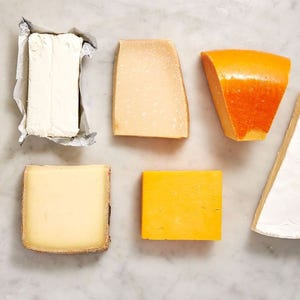
Have you ever wondered if you can freeze Gruyere cheese without ruining its rich, nutty flavor? Maybe you bought more than you needed or want to keep it fresh for longer.
Freezing cheese can be tricky, and not all types handle the cold the same way. If you want to save your Gruyere for later without losing its delicious taste and texture, this article is exactly what you need. Keep reading to find out the best way to freeze Gruyere cheese and how to enjoy it just like fresh when you’re ready.

Credit: www.kimecopak.ca
Freezing Gruyere Basics
Freezing cheese can help extend its shelf life. It is important to know how freezing affects texture and taste. Gruyere, a popular Swiss cheese, has unique qualities to consider before freezing. Understanding these basics will help you keep your cheese fresh and tasty.
What Happens When You Freeze Cheese
Freezing changes the structure of cheese. Water inside the cheese forms ice crystals. These crystals can break the cheese’s texture. Soft cheeses often become crumbly or grainy after freezing. Some cheeses lose flavor or develop a different taste. Freezing slows down bacteria growth, preserving the cheese.
Is Gruyere Suitable For Freezing
Gruyere is a hard cheese with low moisture content. This makes it more suitable for freezing than soft cheeses. The texture may become slightly crumbly after thawing. The flavor might be a bit less intense but still good for cooking. Freezing is best for Gruyere used in cooked dishes. Avoid freezing if you want to eat it fresh and plain.
Preparing Gruyere For Freezing
Freezing Gruyere cheese preserves its flavor and texture for later use. Proper preparation is key to maintain its quality during freezing. Follow careful steps to prepare your Gruyere before freezing it.
Portioning The Cheese
Cut Gruyere into small blocks or slices. Choose sizes that suit your cooking needs. Small portions freeze faster and thaw evenly. Avoid freezing large chunks; they take longer to defrost.
Wrapping Techniques
Wrap each portion tightly in plastic wrap. Ensure no air touches the cheese to prevent freezer burn. After wrapping, cover with aluminum foil for extra protection. This double wrap keeps the cheese fresh and flavorful.
Choosing The Right Containers
Use airtight containers or heavy-duty freezer bags. Containers protect cheese from absorbing other odors. Label each package with the freezing date. This helps track storage time and ensures freshness.
Freezing Duration And Storage
Freezing Gruyere cheese can be a great way to extend its shelf life, but knowing how long you can freeze it and the best way to store it is key to maintaining its flavor and texture. Too long in the freezer can alter the cheese, while improper storage might lead to freezer burn or unwanted odors. Let’s break down the best practices to keep your Gruyere tasting fresh after freezing.
Ideal Freezing Time
Gruyere cheese freezes best if kept for no longer than 2 to 3 months. Beyond this period, the cheese can start to lose its creamy texture and develop a crumbly consistency.
Think about how often you use the cheese. If you only need small amounts occasionally, freezing in smaller portions can help you use it up before it deteriorates. Have you ever noticed your frozen cheese turning dry or grainy? That’s a sign you kept it too long or didn’t freeze it properly.
Labeling And Tracking
Always label your Gruyere with the freezing date before storing it in the freezer. This simple step helps you track how long it’s been frozen and avoid guessing games that can lead to waste.
Use airtight containers or vacuum-sealed bags to prevent exposure to air. Write the date clearly with a permanent marker or use a labeling sticker. This habit not only saves you from eating spoiled cheese but also helps you manage your kitchen inventory better.
Thawing Gruyere Cheese
Thawing Gruyere cheese correctly helps keep its flavor and texture intact. This cheese is delicate, and thawing it wrong can change its quality. Taking time to thaw it gently is best.
Best Thawing Methods
Place frozen Gruyere in the fridge for slow thawing. This keeps the cheese cold and helps it thaw evenly. Let it sit for 24 hours or until fully soft.
For quicker thawing, wrap Gruyere in a paper towel. Then put it in a sealed plastic bag. Let it sit at room temperature for 1 to 2 hours. Check often to avoid overheating.
Do not use a microwave to thaw Gruyere. It melts unevenly and loses texture.
Avoiding Texture Changes
Freeze Gruyere in small pieces to help keep texture after thawing. Large blocks take longer and can get soggy.
Keep Gruyere wrapped tightly to stop moisture loss. Use airtight containers or freezer bags.
After thawing, let the cheese return to room temperature before cutting or cooking. This improves texture and taste.
Using Frozen Gruyere
Using frozen Gruyere cheese can save your leftovers and reduce waste. Freezing changes the texture slightly, making it a bit crumbly. This cheese works well in cooked dishes where melting is key. Thaw frozen Gruyere in the fridge for a day to keep its flavor.
Cooking Tips
- Use thawed Gruyere in casseroles and gratins for smooth melting.
- Grate frozen Gruyere directly on hot dishes like pasta or soup.
- Avoid eating frozen Gruyere raw; texture can be grainy.
- Add frozen Gruyere to baked recipes for a rich taste.
- Mix it into sauces for creamy, nutty flavor.
Pairing Suggestions
- Combine with apples or pears to balance saltiness.
- Serve with crusty bread for a simple snack.
- Pair with walnuts or almonds for crunch and flavor.
- Use frozen Gruyere in sandwiches with ham or turkey.
- Enjoy with white wine or light red for a classic match.

Credit: academyofcheese.org
Common Mistakes To Avoid
Freezing Gruyere cheese can be a smart way to extend its shelf life, but many people make avoidable mistakes that affect its texture and taste. Understanding what not to do can save you from disappointing results and wasted cheese. Here are some common pitfalls to watch out for when freezing Gruyere.
Freezing Whole Blocks
Freezing a large block of Gruyere without cutting it into smaller portions can lead to uneven freezing and thawing. This often causes the cheese to become crumbly and lose its smooth texture. Instead, slice or cube the cheese before freezing to help it thaw more evenly and maintain its quality.
Think about how you use Gruyere—do you usually grate it or melt it in recipes? Preparing the cheese in portions that match your cooking habits will make thawing easier and prevent waste.
Ignoring Moisture Control
Moisture is the enemy when freezing cheese. If you freeze Gruyere with excess moisture, ice crystals can form and damage its texture. Always pat the cheese dry with a paper towel before wrapping it.
Use airtight packaging like vacuum-sealed bags or heavy-duty freezer wrap to keep moisture out. Have you ever noticed freezer burn on your cheese? That’s a sign moisture wasn’t properly controlled during freezing.

Credit: www.kimecopak.ca
Frequently Asked Questions
Can I Freeze Gruyere Cheese Without Losing Flavor?
Yes, you can freeze Gruyere cheese. Wrap it tightly in plastic wrap and place it in a freezer bag. This helps preserve its flavor and texture. Use frozen Gruyere within 2-3 months for the best taste and quality.
How Does Freezing Affect Gruyere Cheese Texture?
Freezing may slightly change Gruyere’s texture, making it crumblier. It remains good for cooking or melting but may not be ideal for fresh eating. Thaw it slowly in the refrigerator to minimize texture changes.
What Is The Best Way To Thaw Frozen Gruyere?
Thaw frozen Gruyere cheese in the refrigerator for 24 hours. Avoid thawing at room temperature to prevent moisture loss. Proper thawing helps maintain its flavor and texture for optimal use.
Can Frozen Gruyere Cheese Be Used In Cooking?
Yes, frozen Gruyere cheese works well in cooked dishes. Use it in gratins, sauces, or melted recipes. Freezing does not affect its melting ability but may impact its texture for fresh consumption.
Conclusion
Freezing Gruyere cheese is possible, but with care. Ensure it’s tightly wrapped to keep its flavor. Label the package with the date for easy tracking. Remember, texture might change after freezing. Use it in cooked dishes for best results. Thaw it slowly in the refrigerator.
This keeps its taste intact. Use within two months for optimal quality. Enjoy Gruyere in soups, sauces, or gratins. Perfect for enhancing your meals. Keep these tips in mind and enjoy your cheese. Gruyere remains a delicious choice, frozen or fresh.