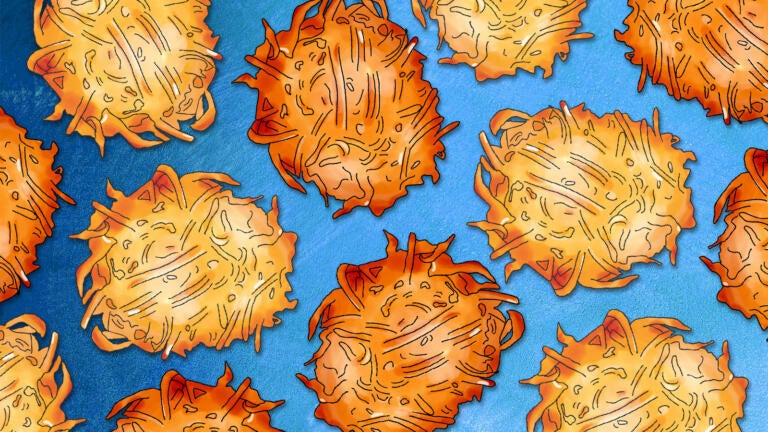
Are you staring at a plate of delicious latkes, wondering if you can save some for later? Freezing food can be a game-changer for busy schedules and those who love to plan ahead.
But when it comes to these crispy, golden potato pancakes, you might be hesitant. Will they lose their crunch? Will the flavor hold up? You’re not alone in this culinary conundrum, and we’re here to help you navigate it. Discover whether freezing latkes is a kitchen triumph or a flavor flop.
Stick around to find out the best tips and tricks for preserving your latkes without sacrificing taste and texture. Your future self will thank you!

Credit: mosh.com.sg
Why Freeze Latkes
Freezing latkes offers a smart way to enjoy this tasty treat anytime. It helps keep them fresh longer. It also saves time during busy days or holidays.
Freezing latkes means less waste too. You can cook a big batch and store extras. This way, you always have a quick snack or side dish ready.
Benefits Of Freezing
- Preserves freshness and flavor for weeks
- Saves cooking time on busy days
- Reduces food waste by storing leftovers
- Allows easy meal prep for holidays or events
- Provides convenience for quick snacks or meals
When To Freeze Latkes
- After cooking and cooling completely
- When you have extra latkes from a large batch
- If you want to prepare meals ahead of time
- Before special occasions to save time later
- When you want to keep them for future use
Best Methods For Freezing
Freezing latkes is a smart way to save time and reduce waste, especially if you make a big batch during the holidays. But the freezing process can affect texture and flavor if not done right. Knowing the best methods for freezing helps you enjoy crispy, delicious latkes anytime without the hassle of starting from scratch.
Freezing Raw Latkes
Freezing raw latkes lets you prepare ahead and cook them fresh later. Scoop the raw potato mixture onto a parchment-lined tray, spacing them apart so they don’t stick together.
Freeze the tray until the latkes are solid, about 1-2 hours. Then transfer the frozen latkes to a freezer-safe bag or container. This step prevents clumping and makes it easy to take out just the amount you need.
When ready to cook, don’t thaw. Fry them straight from the freezer for crisp edges and a tender inside. Ever tried cooking thawed raw latkes? They often turn out soggy, which is a texture you want to avoid.
Freezing Cooked Latkes
Cooked latkes freeze well if you want convenience without sacrificing taste. Let the latkes cool completely to avoid condensation, which causes sogginess in the freezer.
Place the cooled latkes in a single layer on a parchment-lined tray and freeze until firm. Then stack them with parchment paper in between to keep them from sticking.
Reheat in a hot oven or air fryer to bring back their crunch. Avoid microwaving, as it makes the latkes soft and chewy. Have you noticed how much better reheated latkes taste when crisped up instead of microwaved? It’s a game changer.
Packaging Tips For Freshness
Proper packaging keeps latkes fresh and tasty after freezing. It prevents freezer burn and preserves texture. Using the right containers and bags matters a lot. This helps maintain flavor and crispiness for later use.
Choosing The Right Containers
Pick airtight containers that fit latkes snugly. Avoid containers that are too big. Extra air causes freezer burn and dryness.
- Use plastic or glass containers with tight lids.
- Choose shallow containers to avoid stacking too high.
- Place parchment paper between layers to stop sticking.
Label containers with the freezing date. This helps track freshness and use latkes before they lose quality.
Using Freezer Bags Effectively
Freezer bags are flexible and space-saving. Remove as much air as possible before sealing.
- Press out air by hand or use a straw to suck it out.
- Lay bags flat to freeze for easy storage.
- Double-bag if you want extra protection against freezer burn.
Write the date on the bag with a permanent marker. This keeps your frozen latkes organized and fresh longer.
Thawing And Reheating
Thawing and reheating frozen latkes properly can keep their flavor and texture intact. Doing it wrong makes them soggy or unevenly heated. Using safe thawing methods and the right reheating techniques helps maintain crispiness and taste. Below are tips to get the best results from frozen latkes.
Safe Thawing Techniques
- Move latkes from freezer to fridge the night before.
- Allow them to thaw slowly and evenly in the fridge.
- Avoid thawing at room temperature to prevent bacteria growth.
- For quicker thawing, place latkes in a sealed bag and submerge in cold water.
- Never thaw latkes in hot water or microwave as it affects texture.
Maintaining Crispiness When Reheating
- Preheat oven to 375°F (190°C) before reheating latkes.
- Place latkes on a baking sheet lined with parchment paper.
- Reheat for about 10-15 minutes until hot and crisp.
- Flip latkes halfway through cooking for even crispiness.
- Avoid microwaving latkes to keep them from becoming soggy.
- For extra crispiness, reheat in a skillet with a small amount of oil.
Common Mistakes To Avoid
Freezing latkes can save you time and reduce waste, but there are some pitfalls that can ruin their texture and taste. Avoiding these common mistakes will help your latkes stay crispy and delicious after thawing. Let’s look at what to watch out for so you can enjoy perfect latkes anytime.
Freezing Latkes While Still Warm
Placing hot latkes directly into the freezer is a big no-no. The heat creates condensation, which leads to soggy latkes once frozen. I once rushed and froze a batch straight from the skillet—when I reheated them, they were mushy and disappointing.
Always let your latkes cool completely on a wire rack before freezing. This step keeps moisture from building up and preserves their crunch. Patience here makes a huge difference in the final texture.
Overcrowding In The Freezer
Stacking latkes too close together or in large piles traps moisture and causes them to freeze unevenly. I learned this the hard way after shoving a whole tray into a small container; the latkes stuck together, and pulling one out meant breaking it apart.
Freeze latkes in a single layer on a baking sheet first. Once frozen solid, transfer them to a freezer-safe bag or container. This method stops them from sticking and keeps each latke intact.

Credit: www.tasteofhome.com
Creative Ways To Use Frozen Latkes
Frozen latkes offer a world of tasty possibilities beyond the usual serving style. They keep well and can save time on busy days. Using frozen latkes creatively makes meals fun and quick. Transform them into different dishes or enjoy them as simple snacks. Here are some easy ideas to inspire you.
Quick Snacks And Meals
- Reheat frozen latkes in the oven for a crispy snack.
- Top latkes with sour cream and chives for a simple treat.
- Add smoked salmon and a squeeze of lemon for a light meal.
- Serve with applesauce or cranberry sauce for sweet and savory flavors.
- Make a latke sandwich with cheese and ham for a quick lunch.
Latke-based Recipes
- Layer latkes in a casserole with eggs and vegetables for a hearty bake.
- Chop latkes and mix with scrambled eggs for a tasty breakfast scramble.
- Use latkes as a base for mini pizzas with tomato sauce and toppings.
- Create latke sliders with meat patties and pickles for a fun twist.
- Turn latkes into a salad base by topping with greens and dressing.

Credit: smittenkitchen.com
Frequently Asked Questions
Can I Freeze Latkes After Cooking?
Yes, you can freeze cooked latkes. Let them cool completely, then place in an airtight container or freezer bag. Freeze for up to 3 months. Reheat in the oven or skillet for best texture.
How Do I Thaw Frozen Latkes Properly?
Thaw frozen latkes in the refrigerator overnight. For quicker thawing, use a microwave on defrost mode for a few minutes. Reheat in an oven or skillet to restore crispiness.
Will Freezing Affect Latkes’ Texture Or Taste?
Freezing may slightly soften latkes’ texture, but proper reheating restores crispiness. Taste remains mostly unchanged if latkes are stored correctly in airtight packaging.
Can I Freeze Latke Batter For Later Use?
Yes, you can freeze latke batter. Store it in an airtight container or freezer bag. Thaw in the refrigerator before frying for fresh-tasting latkes.
Conclusion
Freezing latkes saves time and reduces waste. Keep them in an airtight container or freezer bag. When ready, reheat in the oven for the best texture. Avoid microwaving to keep them crispy. This method helps you enjoy latkes anytime, not just during holidays.
Simple, quick, and practical. Try freezing to make your cooking easier and tastier.