
Have you ever wondered about your fertility options after a hysterectomy? You might feel a mix of emotions, from uncertainty to hope, as you navigate your choices.
One question that often pops up is: “Can I freeze my eggs after a hysterectomy? ” It’s a topic that touches on both the science of fertility and the deeply personal journey of planning for your future. We’ll explore the possibilities and provide clear, straightforward answers to help you make informed decisions.
By the end, you’ll have a better understanding of your options and feel empowered to take the next step. Let’s dive into this important conversation and uncover what the future might hold for you.
Egg Freezing Basics
Understanding egg freezing is important before discussing its possibilities after a hysterectomy. This process helps preserve fertility by storing eggs for future use. Knowing the basics can guide your decisions and expectations.
What Is Egg Freezing
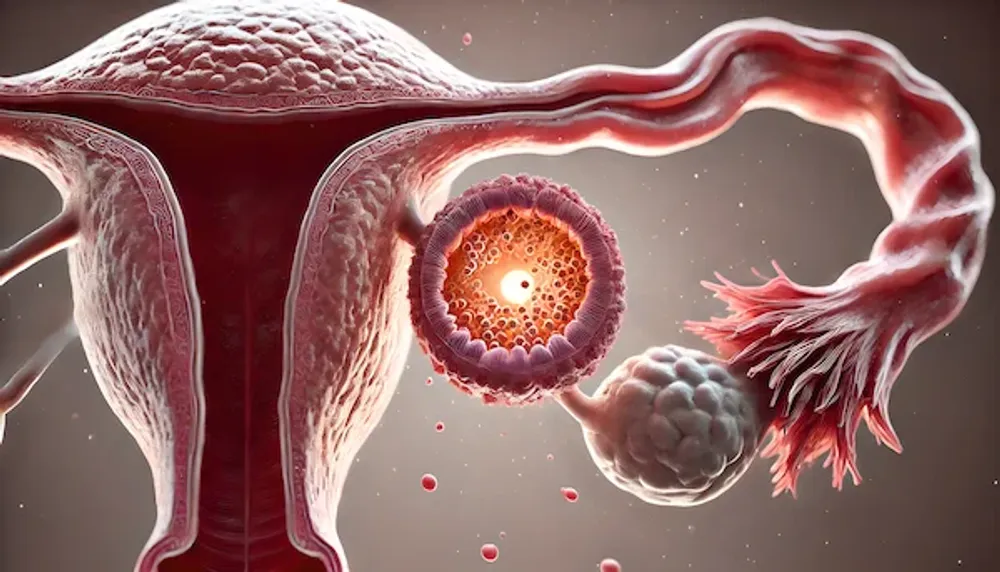
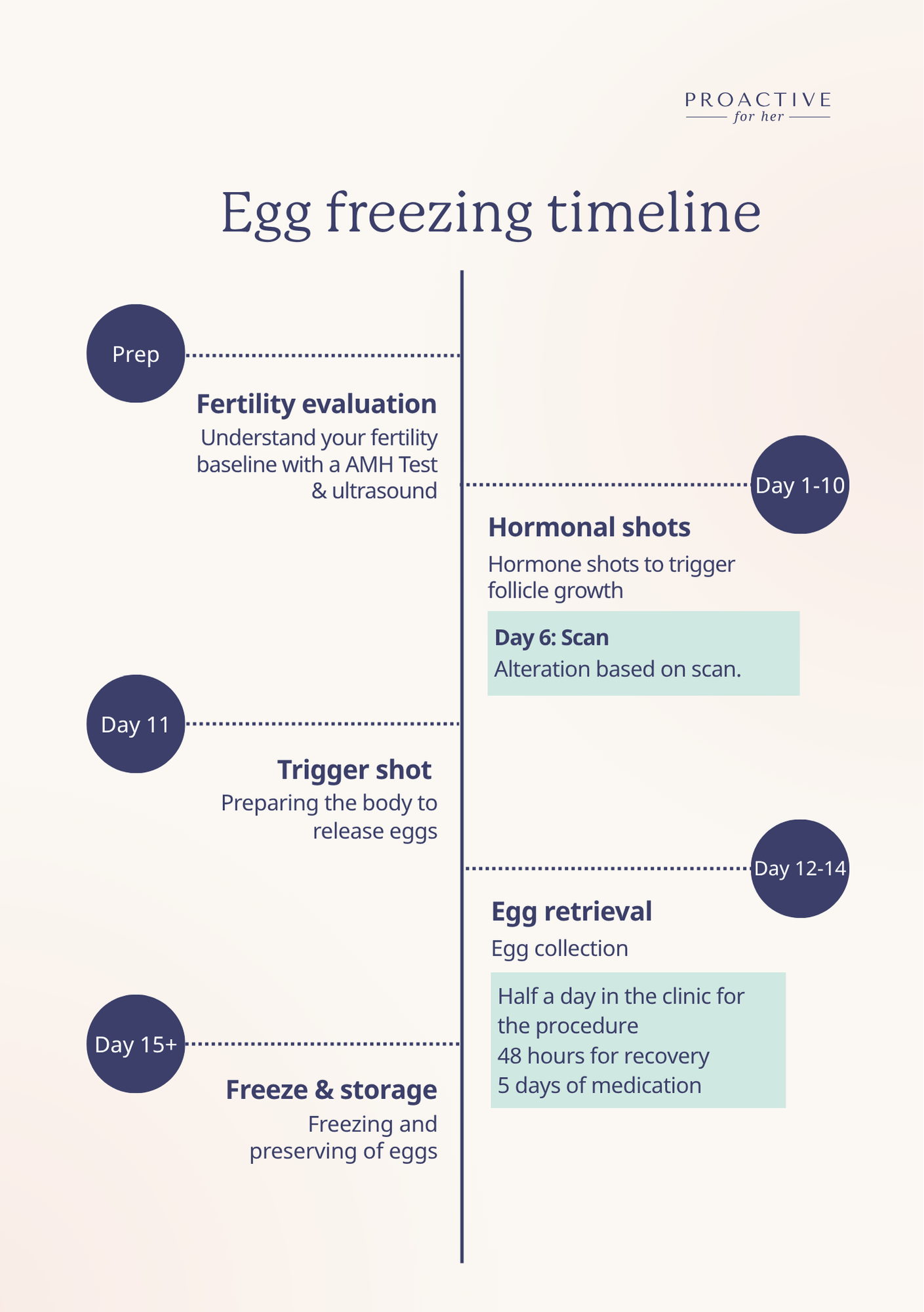
Egg freezing, also called oocyte cryopreservation, involves collecting and freezing eggs. Doctors stimulate the ovaries to produce multiple eggs. Then, they retrieve the eggs and store them at very low temperatures. These eggs remain viable for years. When ready, eggs can be thawed and fertilized for pregnancy.
Who Should Consider It
Egg freezing suits women who want to delay pregnancy. It helps those facing medical treatments that harm fertility, like chemotherapy. Women with certain health risks or genetic concerns may also consider it. Age plays a key role; younger eggs have better success rates. Discuss options with a fertility specialist to understand personal suitability.
Credit: www.apollo247.com
Hysterectomy And Fertility
A hysterectomy is a surgery to remove the uterus. It affects a woman’s fertility and reproductive abilities. Understanding the types of hysterectomy and their effects helps clarify fertility options after surgery. This knowledge is important for women considering egg freezing after a hysterectomy.
Types Of Hysterectomy
- Total hysterectomy:Removal of the entire uterus and cervix.
- Partial (subtotal) hysterectomy:Removal of the upper part of the uterus, leaving the cervix intact.
- Radical hysterectomy:Removal of the uterus, cervix, upper vagina, and surrounding tissues. Usually done for cancer.
Impact On Reproductive System
Removing the uterus stops menstruation and pregnancy. Ovaries may stay or be removed depending on surgery type.
- If ovaries remain, they still produce eggs and hormones.
- Without ovaries, the body stops producing eggs and estrogen.
- Egg freezing is possible only if ovaries are intact and functional.
Women without a uterus cannot carry a pregnancy. Egg freezing preserves fertility but requires a surrogate for pregnancy later.
Egg Freezing After Hysterectomy
Egg freezing after a hysterectomy is a complex topic that many women consider when planning their fertility options post-surgery. Since a hysterectomy removes the uterus, it directly impacts your ability to carry a pregnancy. However, freezing your eggs might still be an option, depending on specific medical factors and timing.
Is It Possible Post-surgery
Technically, you can freeze your eggs after a hysterectomy, but the timing is crucial. Since the ovaries often remain intact after a hysterectomy, they can still produce eggs. However, the absence of a uterus means you cannot carry a pregnancy yourself, so future use of frozen eggs would require a surrogate.
Many women ask, “Can I still retrieve eggs after my surgery?” The answer depends on whether your ovaries are functioning well post-operation. If your ovaries were removed during the hysterectomy, egg retrieval afterward is not possible.
Factors Influencing Eligibility
- Ovarian Health:Your ovaries must be healthy and responsive to stimulation for successful egg retrieval.
- Type of Hysterectomy:A total hysterectomy removes the uterus and cervix, while a partial hysterectomy may leave ovaries intact.
- Age and Hormone Levels:Younger women with good hormone levels generally have better outcomes in egg freezing.
- Medical History:Conditions like cancer or other illnesses affecting ovarian function can influence eligibility.
- Timing of Procedure:Egg freezing is often recommended before hysterectomy if possible, to maximize success.
Have you talked to your doctor about your fertility goals before surgery? Sometimes, taking action early can make a significant difference in your options. Understanding your unique situation helps you make the best decision for your future.
Medical Considerations
Understanding the medical considerations before freezing your eggs after a hysterectomy is crucial. Your body’s ability to produce and maintain healthy eggs depends on several factors tied to the surgery and your overall reproductive health. Knowing how your ovaries function and how hormonal changes affect your body can help you make informed decisions about fertility preservation.
Ovarian Function After Hysterectomy
Your ovaries may continue to work even after a hysterectomy, especially if they are not removed during the procedure. This means they can still produce eggs and hormones. However, blood flow to the ovaries might be reduced, which can impact their function over time.
Many women notice a decline in ovarian function within a few years after the surgery. This decline might affect the quality and quantity of eggs available for freezing. Have you discussed with your doctor whether your ovaries are intact and functioning well enough for egg retrieval?
Hormonal Changes And Effects
Hysterectomy can trigger significant hormonal shifts, especially if the ovaries are removed simultaneously. Even if the ovaries remain, changes in blood supply can cause earlier menopause symptoms.
These hormonal changes can affect your overall health, mood, and fertility potential. You might experience hot flashes, mood swings, or decreased libido. Understanding these effects helps you prepare for what lies ahead and decide the best time to freeze your eggs.
Alternatives To Egg Freezing
Egg freezing may not be an option after a hysterectomy. This makes exploring other fertility choices important. Alternatives offer different ways to build a family. Each has unique benefits and challenges. Understanding these options helps make informed decisions.
Embryo Freezing
Embryo freezing involves fertilizing eggs with sperm before freezing. This requires having eggs collected before the hysterectomy. The fertilized embryos can stay frozen for years. Later, they can be implanted in a surrogate or a uterus transplant recipient. Embryo freezing often has higher success rates than egg freezing.
Donor Eggs And Surrogacy
Donor eggs come from another woman and are fertilized with sperm. Surrogacy means another woman carries the pregnancy. This option is common if eggs were not stored before surgery. It allows genetic connection with the sperm provider. Surrogacy requires legal and emotional considerations. Many couples find this path rewarding despite challenges.
Credit: proactiveforher.com
Emotional And Ethical Aspects
Facing the decision to freeze your eggs after a hysterectomy involves more than just medical considerations. It touches deep emotional and ethical layers that can shape your journey toward parenthood. Understanding these aspects helps you prepare mentally and make choices that truly align with your values and feelings.
Psychological Impact
Deciding to preserve fertility after a hysterectomy can stir complex emotions. You might feel hope mixed with grief, as the procedure often means losing the ability to carry a pregnancy naturally. These conflicting feelings are normal and important to acknowledge.
Many women report a sense of control regained through egg freezing, offering a future possibility where they once saw an ending. Yet, the waiting and uncertainty can also cause anxiety and stress. Surround yourself with supportive people and consider counseling to navigate these emotions.
Have you thought about how you would cope with the emotional ups and downs during this process? Recognizing your feelings early can help you find healthier ways to manage them.
Ethical Concerns In Fertility Preservation
Egg freezing after a hysterectomy raises ethical questions worth considering carefully. One common concern is the fate of unused frozen eggs—what happens if you decide not to use them or cannot find a suitable partner?
Some women worry about the implications of creating potential life without a clear plan for its future. It’s important to discuss these issues with your medical team and loved ones to clarify your values and expectations.
- Who will make decisions about the eggs if you’re unable to?
- How long do you want the eggs to be stored?
- Are there financial or legal factors to consider?
Reflecting on these questions helps you make informed choices that respect your ethics and emotional well-being. What boundaries will you set to ensure your decisions feel right for you?
Steps To Take Before Freezing Eggs
Freezing your eggs after a hysterectomy involves careful planning and preparation. It’s not just about the procedure itself but also understanding what you need to do beforehand. Taking the right steps can improve your chances and give you peace of mind throughout the process.
Consulting Fertility Specialists
Start by finding a fertility specialist who understands your unique situation. Since a hysterectomy affects your reproductive system, you need expert advice tailored to your medical history.
During the consultation, be open about your health background and ask questions about your ovarian reserve and hormone levels. This helps the specialist assess whether egg freezing is still a viable option for you.
Don’t hesitate to get a second opinion if you feel unsure. Your confidence in the specialist and treatment plan is crucial for moving forward.
Preparing For The Procedure
Once you decide to proceed, preparation is key. Your doctor will likely run several tests to check your hormone levels and overall health.
Medication might be prescribed to stimulate your ovaries and increase egg production. You’ll need to follow this medication schedule carefully, often involving daily injections.
Also, consider your lifestyle habits. Avoid smoking, limit alcohol, and maintain a balanced diet to give your eggs the best chance of survival.

Credit: www.mediclinic.co.za
Frequently Asked Questions
Can Eggs Be Frozen After A Hysterectomy?
No, eggs cannot be frozen after a hysterectomy if the ovaries are removed. Egg freezing requires healthy ovaries to retrieve eggs. If ovaries remain intact, freezing might be possible, but it’s rare after hysterectomy. Consult a fertility specialist for personalized advice.
Is Egg Retrieval Possible Post-hysterectomy?
Egg retrieval is only possible if ovaries are still present after hysterectomy. If ovaries are removed, egg retrieval cannot occur. The procedure relies on stimulating and collecting eggs directly from the ovaries. Always discuss your specific surgery details with a fertility expert.
How Does Hysterectomy Affect Fertility Options?
Hysterectomy removes the uterus, ending natural pregnancy capability. However, if ovaries are intact, eggs can sometimes be frozen. Options like surrogacy may be considered for parenthood. Fertility counseling is essential to understand available choices based on surgery type.
Can I Preserve Fertility Before Hysterectomy?
Yes, fertility preservation is possible before hysterectomy through egg freezing or embryo freezing. This requires ovarian stimulation and egg retrieval before surgery. Early consultation with a fertility specialist is crucial to plan preservation methods effectively.
Conclusion
Freezing eggs after a hysterectomy is a complex topic. It depends on many medical factors and personal choices. Usually, the uterus removal affects pregnancy, but egg freezing focuses on preserving eggs. Talk to your doctor for clear advice. They will explain what is possible and safe for you.
This decision takes time and careful thought. Remember, your health always comes first. Stay informed and choose what feels right for your future.