Are you considering a vasectomy but worried about your future fertility? You might be wondering, “Can I freeze my sperm before a vasectomy?” This question is crucial if you want to keep your options open for having children later.
Freezing your sperm can offer peace of mind and control over your reproductive choices. You’ll discover everything you need to know about sperm freezing—how it works, why it’s important, and what steps you should take before your procedure. Keep reading to make an informed decision that fits your life perfectly.

Credit: www.asianinfertility.com
Why Freeze Sperm Before Vasectomy
Freezing sperm before a vasectomy offers a chance to keep fertility options open. A vasectomy is a permanent form of birth control. It blocks sperm from reaching the semen. Freezing sperm means you can store your sperm safely for future use. This step provides peace of mind and more control over your family planning.
Benefits Of Sperm Freezing
- Preserves fertility for possible future children
- Offers a backup in case vasectomy reversal fails
- Allows time to make decisions without pressure
- Supports family planning flexibility
- Provides options if life circumstances change
When To Consider Freezing
Consider freezing sperm before the vasectomy procedure. Men unsure about ending their fertility should freeze sperm. Those planning for children later in life may freeze it. Men with health issues affecting sperm quality might benefit. Freezing sperm is wise if a vasectomy reversal is unlikely.
Emotional And Medical Factors
Freezing sperm can reduce stress about permanent fertility loss. It helps with emotional readiness and future hopes. Medical reasons like cancer treatment also require sperm freezing. Some men want to protect their ability to father children. Emotional comfort increases knowing options remain open after vasectomy.
How Sperm Freezing Works
Freezing sperm before a vasectomy is a common choice for men who want to keep their fertility options open. The process of sperm freezing, or cryopreservation, involves carefully collecting, freezing, and storing sperm. This ensures the sperm stay healthy and usable for future fertility treatments.
Collection Process
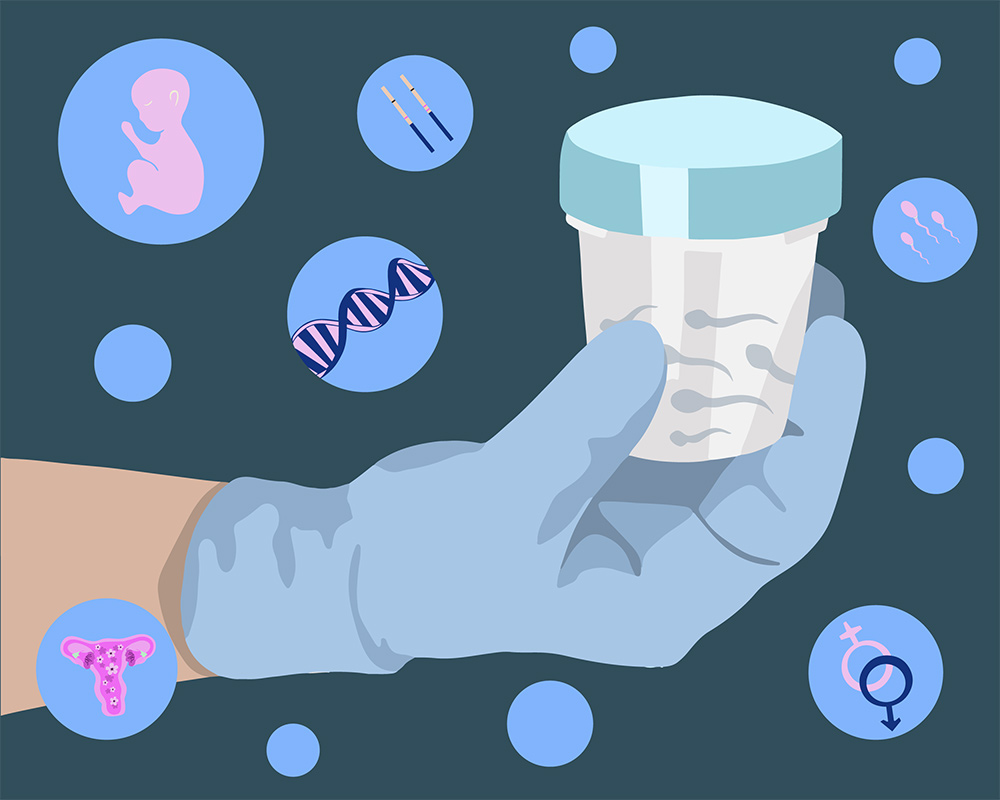
The first step is sperm collection, usually done by masturbation. The sample is collected in a sterile container at a clinic or at home. Doctors may ask for multiple samples over a few days to ensure enough sperm are stored. The sample is then checked for sperm count and quality before freezing.
Laboratory Freezing Techniques
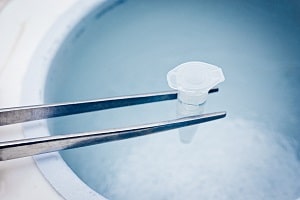
Freezing sperm requires special techniques to protect the cells. A cryoprotectant, a type of safe chemical, is added to the sperm to stop ice crystals from forming. The sperm is slowly cooled in a controlled way to avoid damage. After reaching very low temperatures, the sperm is stored in liquid nitrogen at around -196°C.
Storage Duration And Conditions
Sperm can be stored for many years without losing quality. Clinics keep the sperm in sealed containers within liquid nitrogen tanks. These tanks are monitored closely to maintain the right temperature. Men can choose to store sperm for as long as needed before using it for fertility treatments.
Costs And Accessibility
Freezing sperm before a vasectomy is a smart choice for many men. Understanding the costs and accessibility helps in planning this important step. Expenses can vary widely depending on the clinic and location. Accessibility depends on finding the right fertility center near you.
Average Costs Involved
Sperm freezing usually involves several fees. Initial sperm collection and analysis may cost between $200 and $500. Monthly storage fees typically range from $100 to $300. Some clinics charge a one-time fee for long-term storage. Costs can add up, especially if storage lasts many years.
Insurance Coverage Options
Most insurance plans do not cover sperm freezing before a vasectomy. Coverage is more common if sperm freezing is for medical reasons like cancer treatment. Always check with your insurance provider. Some plans offer partial coverage or discounts. Without insurance, you must pay out of pocket.
Finding A Fertility Clinic
Choose a clinic with good reputation and clear pricing. Look for clinics that specialize in male fertility services. Many offer free consultations to discuss costs and procedures. Location is key; traveling far can add extra costs. Ask about storage options and how they handle long-term care.
Credit: www.cityfertility.com.au
Effectiveness And Success Rates
Freezing your sperm before a vasectomy is a smart way to keep your options open for future parenthood. But how effective is this method? Understanding the success rates and what to expect can help you make an informed decision that suits your personal goals.
Viability Of Frozen Sperm
Sperm can remain viable for many years when properly frozen through a process called cryopreservation. This technique uses very low temperatures to preserve the sperm without damaging its structure.
Studies show that sperm frozen for over a decade can still be used successfully in fertility treatments. Still, the quality may slightly decline over time, so it’s best to freeze sperm well before your vasectomy.
Success In Future Fertility Treatments
Frozen sperm is commonly used in procedures like intrauterine insemination (IUI) and in vitro fertilization (IVF). The success rates vary but generally, fertilization rates with frozen sperm are quite high.
For instance, IVF using frozen sperm can have success rates ranging from 40% to 60%, depending on factors like your partner’s fertility and the clinic’s expertise. Have you considered how these rates compare to natural conception or other fertility options?
Limitations And Risks
While freezing sperm is effective, it’s not without risks. There’s a chance some sperm cells won’t survive the freezing and thawing process.
Additionally, costs can add up, including storage fees and treatment expenses later on. It’s important to discuss these factors with your fertility specialist to set realistic expectations for your future family planning.
Alternatives To Freezing Sperm
Freezing sperm is a common choice before a vasectomy, but it is not the only option. Some men explore other ways to keep their fertility options open. These alternatives can fit different needs and situations. Understanding them helps make the best decision for the future.
Vasectomy Reversal
A vasectomy reversal is a surgical procedure to restore fertility. It reconnects the tubes that were cut during the vasectomy. Success depends on time passed since the vasectomy and the skill of the surgeon. It may take months to see results. Not all reversals work, but many men regain fertility.
Other Fertility Preservation Methods
- Testicular Sperm Extraction (TESE):This procedure collects sperm directly from the testicles. It is useful if freezing sperm before vasectomy was not done.
- Sperm Aspiration:Sperm is taken from the epididymis or testicles. It can be done on the day of fertility treatment.
- Donor Sperm:Using sperm from a donor is an option. It is an alternative if personal sperm is not available.

Credit: thecooperclinic.co.nz
Steps To Take Before Vasectomy
Before you go through a vasectomy, taking a few thoughtful steps can make a big difference—especially if you want to freeze your sperm. It’s not just about the surgery itself; preparing ahead ensures your future options stay open. Let’s break down what you need to consider before making this permanent choice.
Consulting A Specialist
Talking to a fertility specialist or urologist is the first move. They can explain the freezing process clearly, including how it works and what to expect. Don’t hesitate to ask about success rates and storage duration—knowing these details helps you feel confident about your decision.
Some men find it helpful to bring a partner or a close friend to this appointment. It creates a support system and allows you to discuss the options together. Have you thought about who you want involved in these conversations?
Timing Your Freezing
Timing is crucial. Sperm freezing should happen well before the vasectomy to ensure healthy samples. Typically, doctors recommend collecting sperm at least a few weeks prior, giving you enough time for multiple collections if needed.
You might wonder how many samples to freeze. Freezing multiple samples increases your chances of future success. Keep in mind, each sample requires a few days of abstinence beforehand, so plan accordingly.
Legal And Ethical Considerations
Freezing your sperm isn’t just a medical decision—it has legal and ethical layers too. You’ll need to understand the consent forms and agreements about how long your samples will be stored. These rules vary by country and clinic, so double-check what applies to you.
Think about the “what if” scenarios: Who controls the sperm if something happens to you? Can your partner access it? These questions might feel uncomfortable but addressing them now can prevent complications later.
Frequently Asked Questions
Can I Freeze Sperm Before A Vasectomy?
Yes, you can freeze sperm before a vasectomy. It preserves fertility by storing sperm safely for future use. This option offers peace of mind if you decide to have children later.
How Is Sperm Freezing Done Before Vasectomy?
Sperm freezing involves collecting a semen sample through ejaculation. The sample is then frozen using liquid nitrogen and stored in a fertility clinic for long-term preservation.
Is Sperm Freezing Before Vasectomy Safe And Effective?
Sperm freezing is a safe and effective method to preserve fertility. It has a high success rate when used for future fertility treatments like IVF or ICSI.
How Long Can Sperm Be Frozen Before Vasectomy?
Sperm can be frozen indefinitely without losing quality. Clinics typically store samples for many years, allowing flexibility for future family planning decisions.
Conclusion
Freezing sperm before a vasectomy is a wise choice. It provides future options. This step ensures flexibility in family planning. You preserve your chance for children later. This decision can bring peace of mind. Talk to a healthcare provider for guidance.
Understand the process and benefits fully. It’s a personal and important decision. Think about future goals and possibilities. Always prioritize informed choices for your life. Consider what matters most to you. Making a decision like this can feel empowering. It’s about taking control of your reproductive future.